
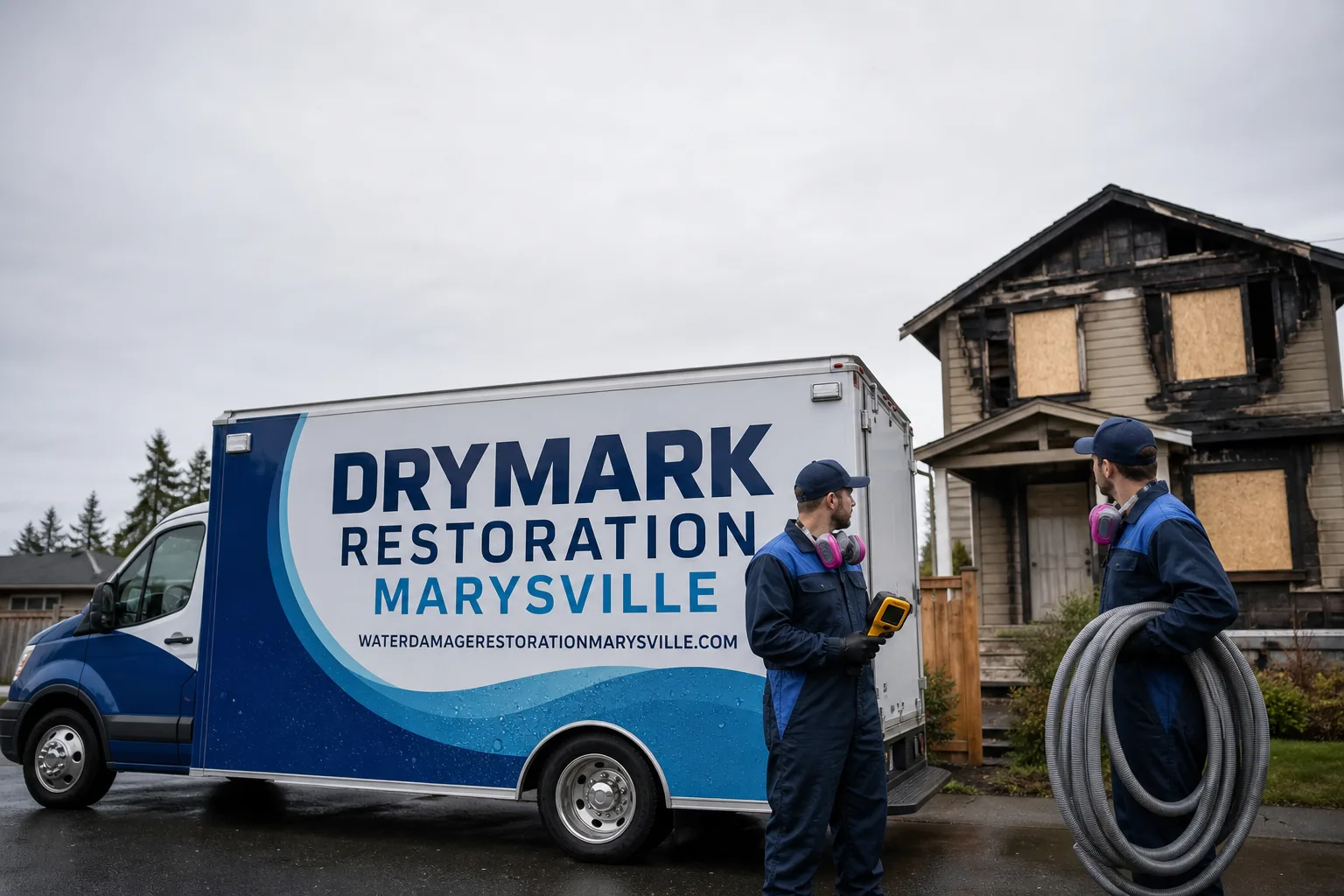
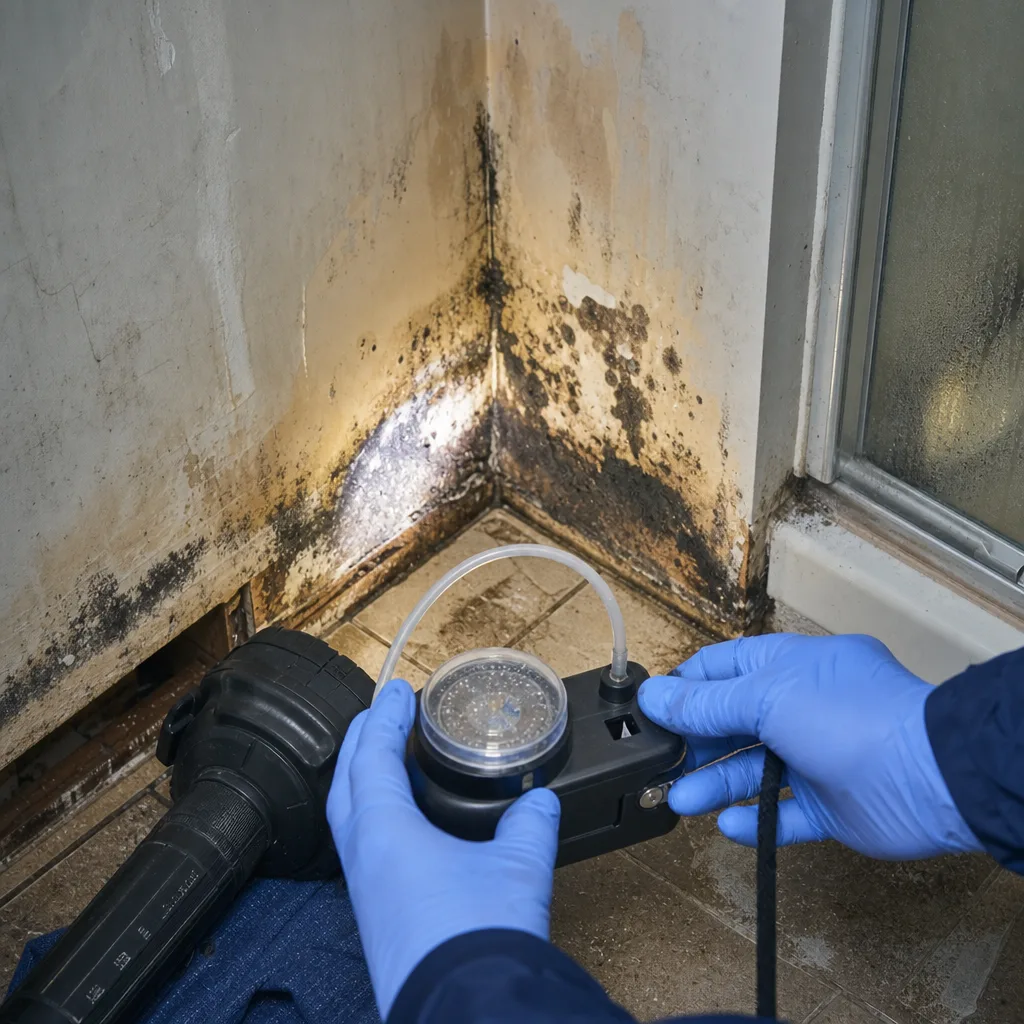
Free visual inspection and a written scope of work before any mitigation begins - photos, moisture readings, and drying logs go in your claim file
The scope we write is the scope we bill. Anything new gets shown to you, in writing, before we touch it.
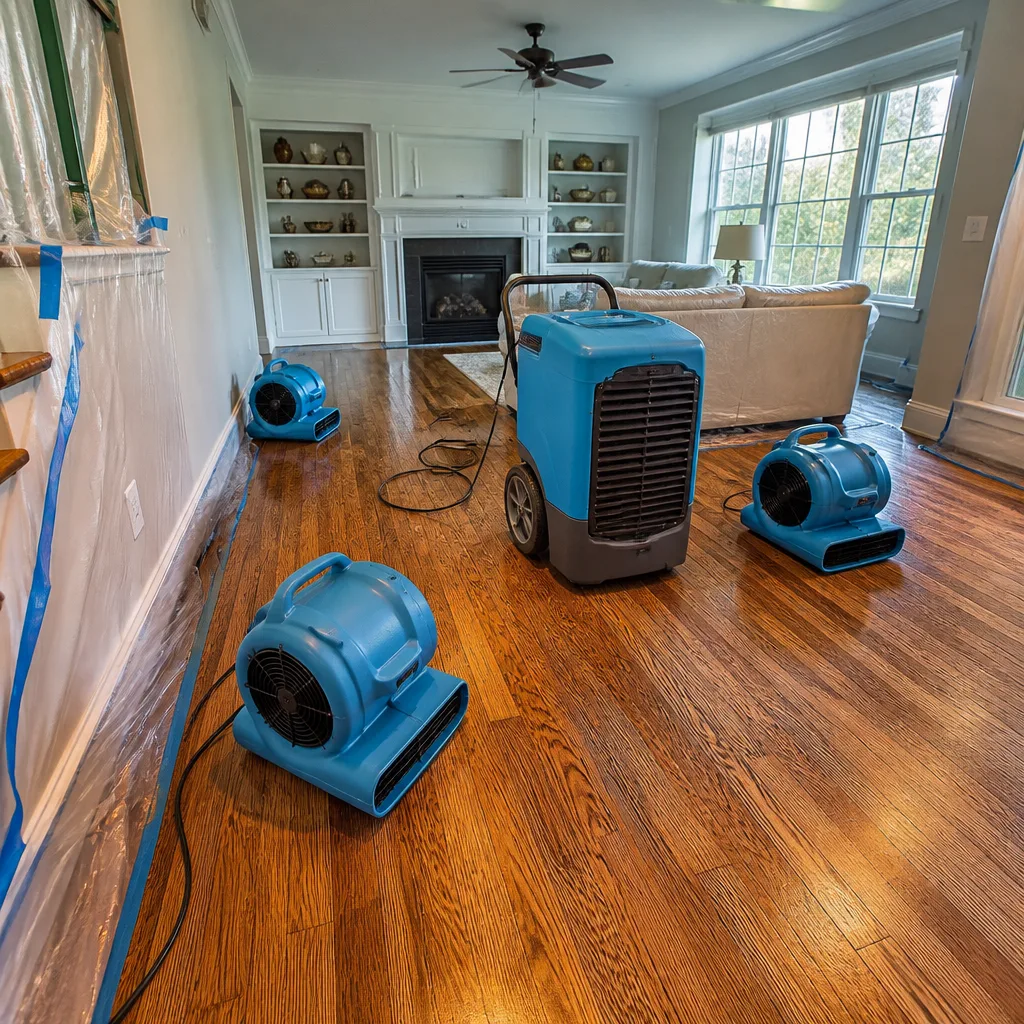
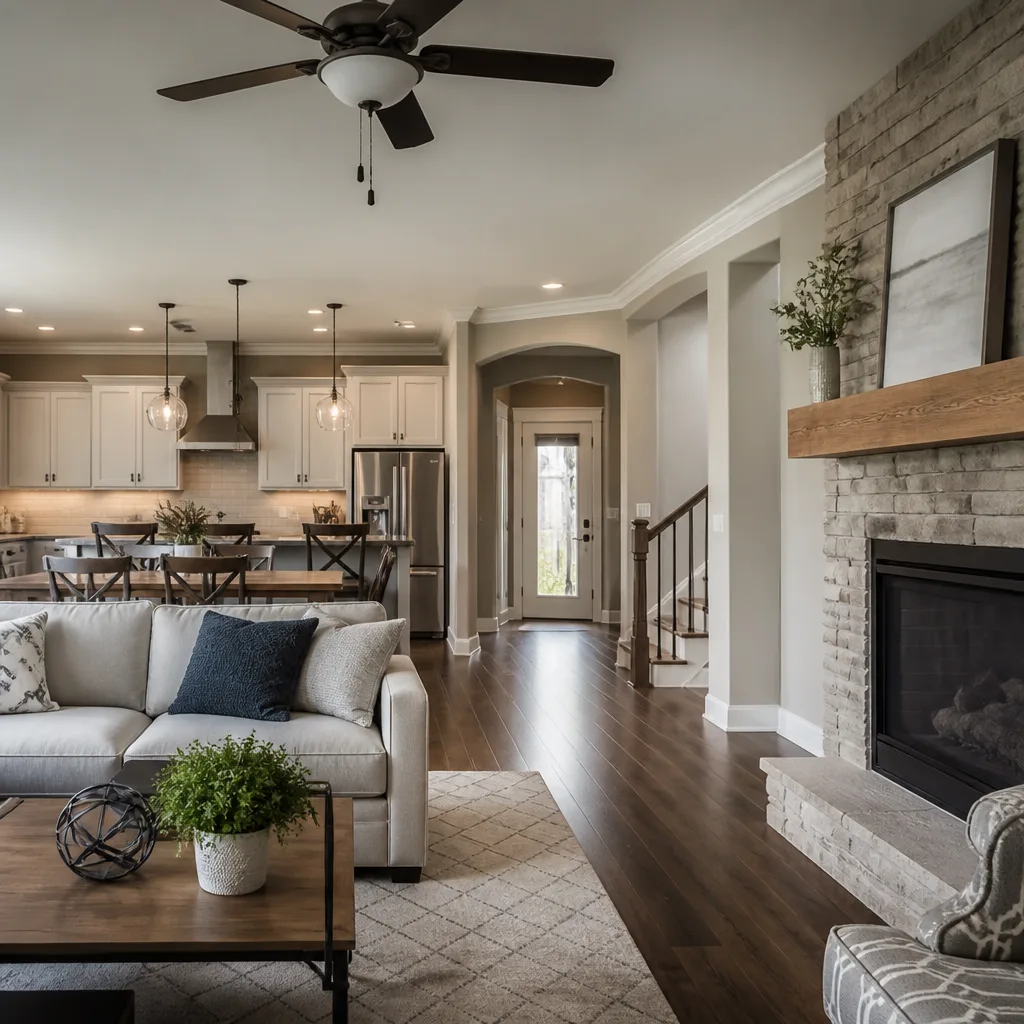
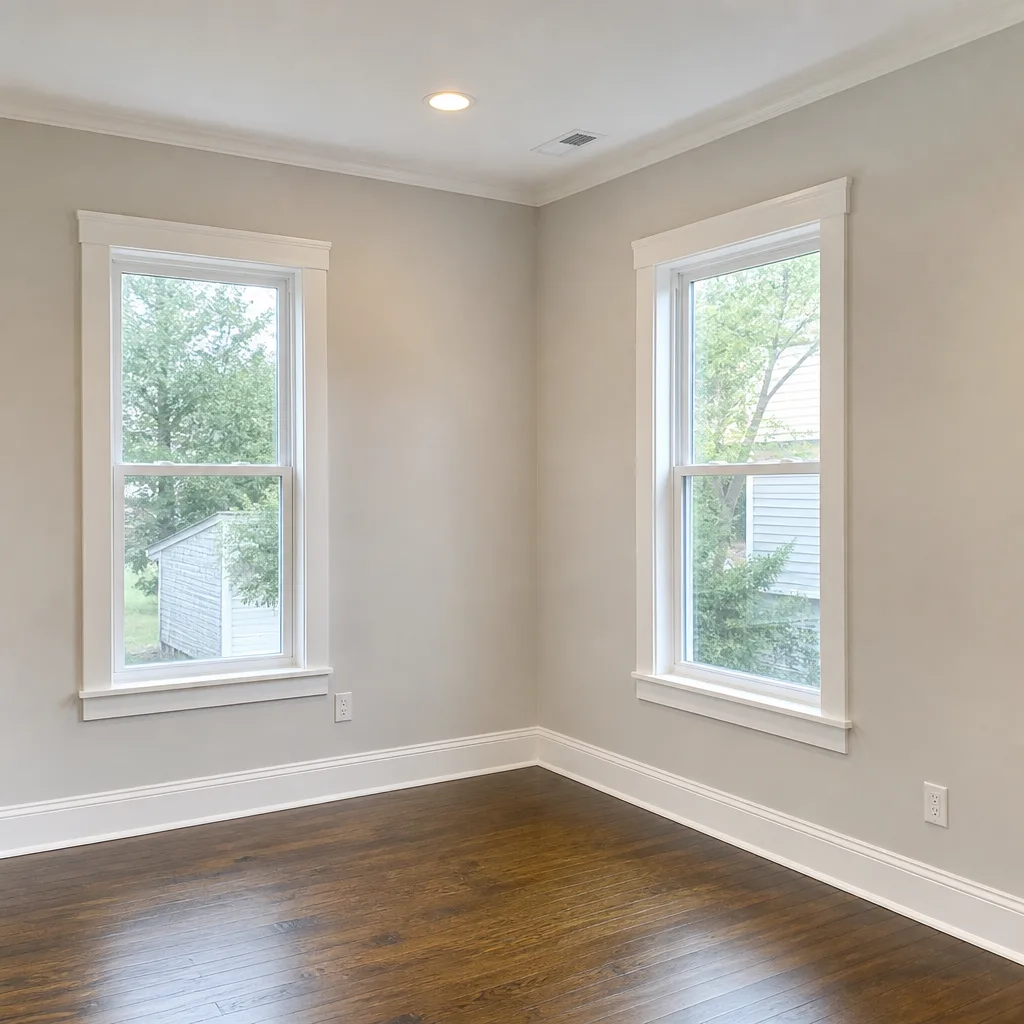
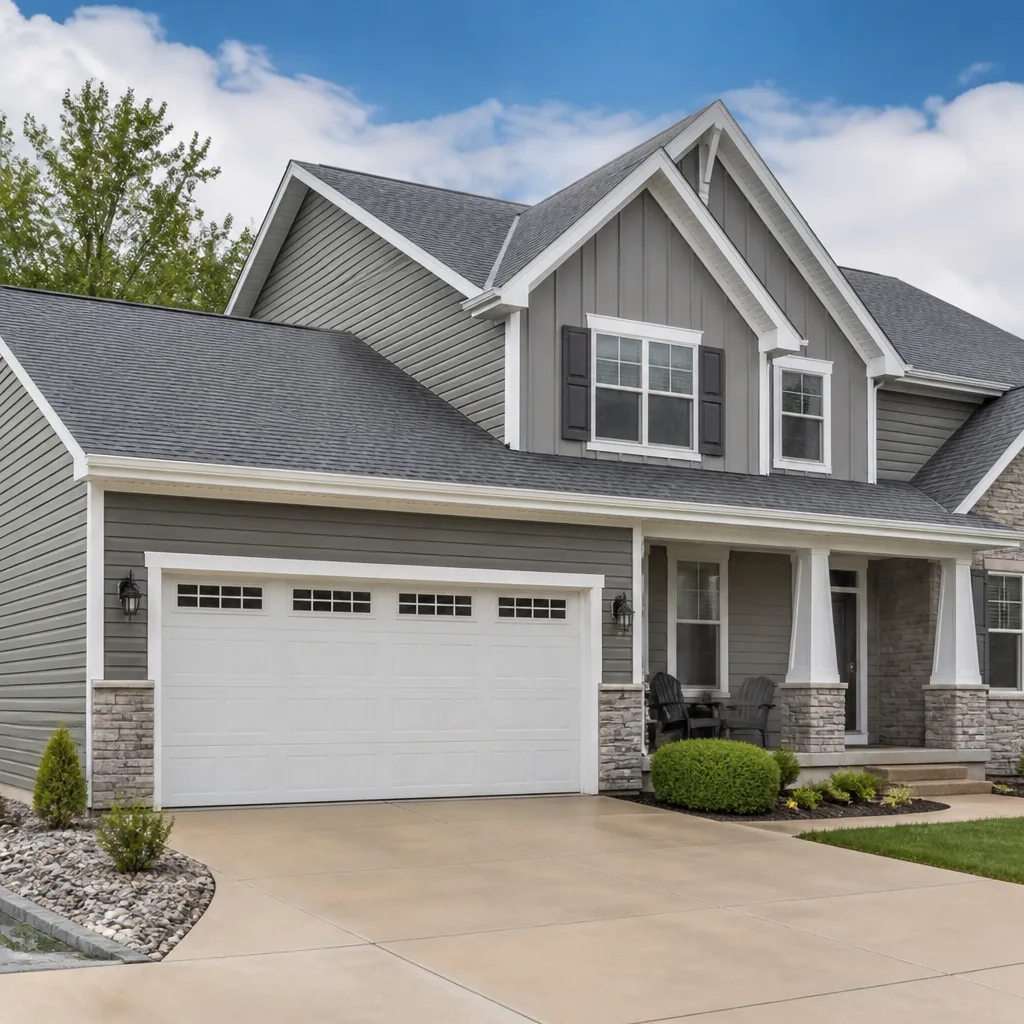
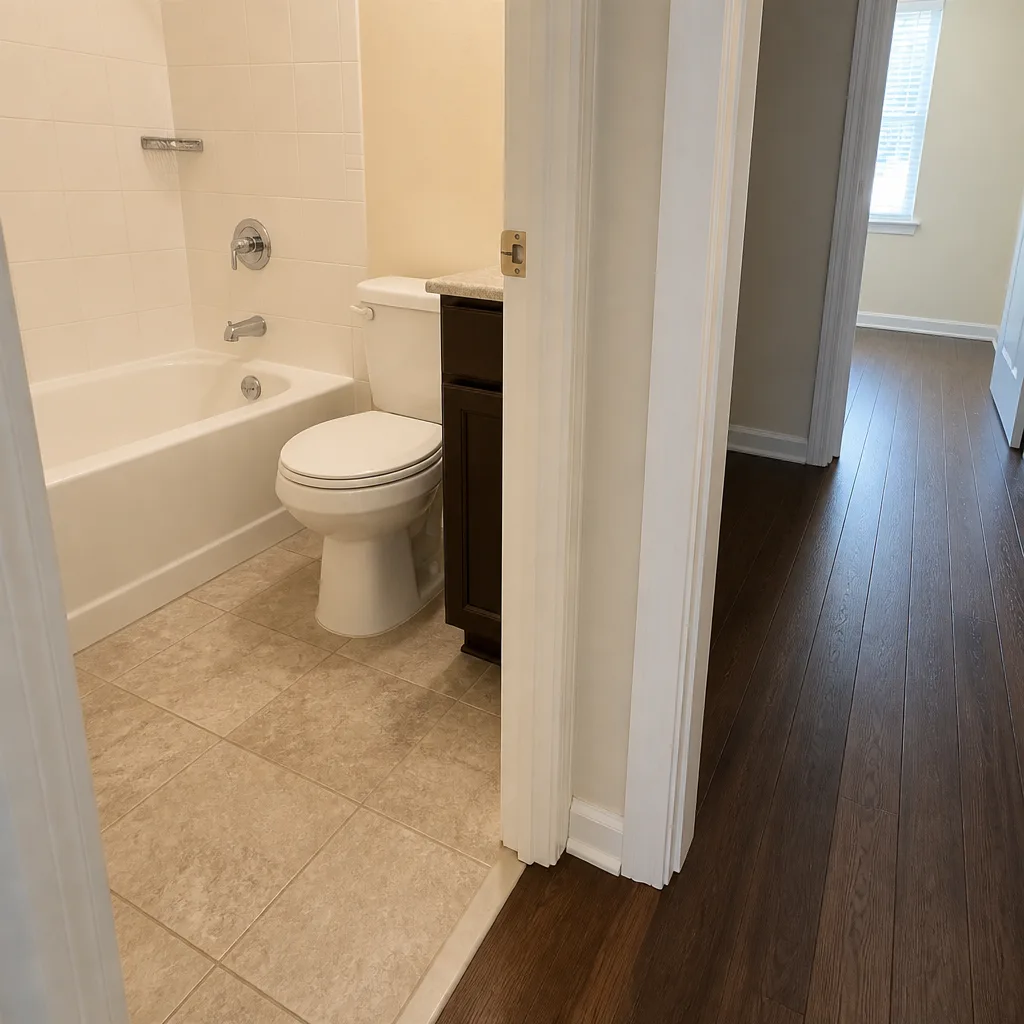
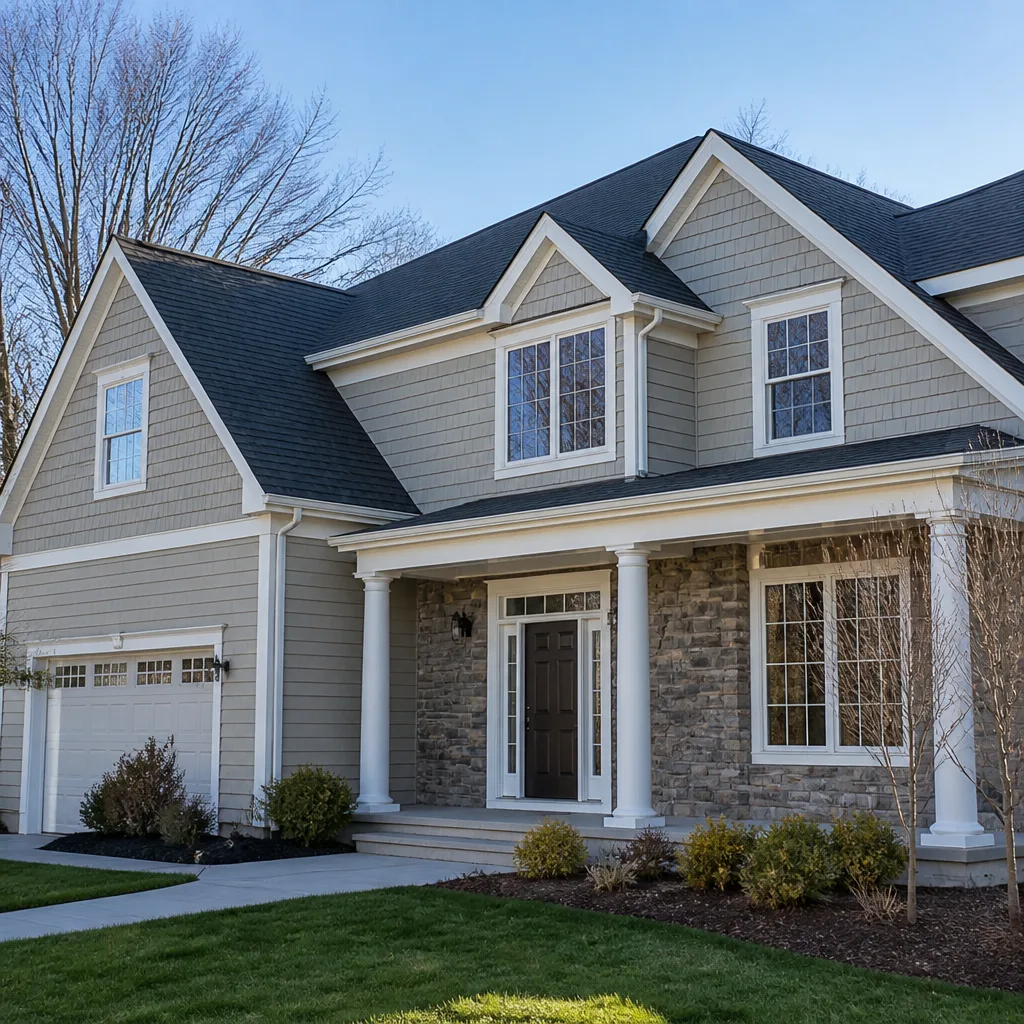
 Before
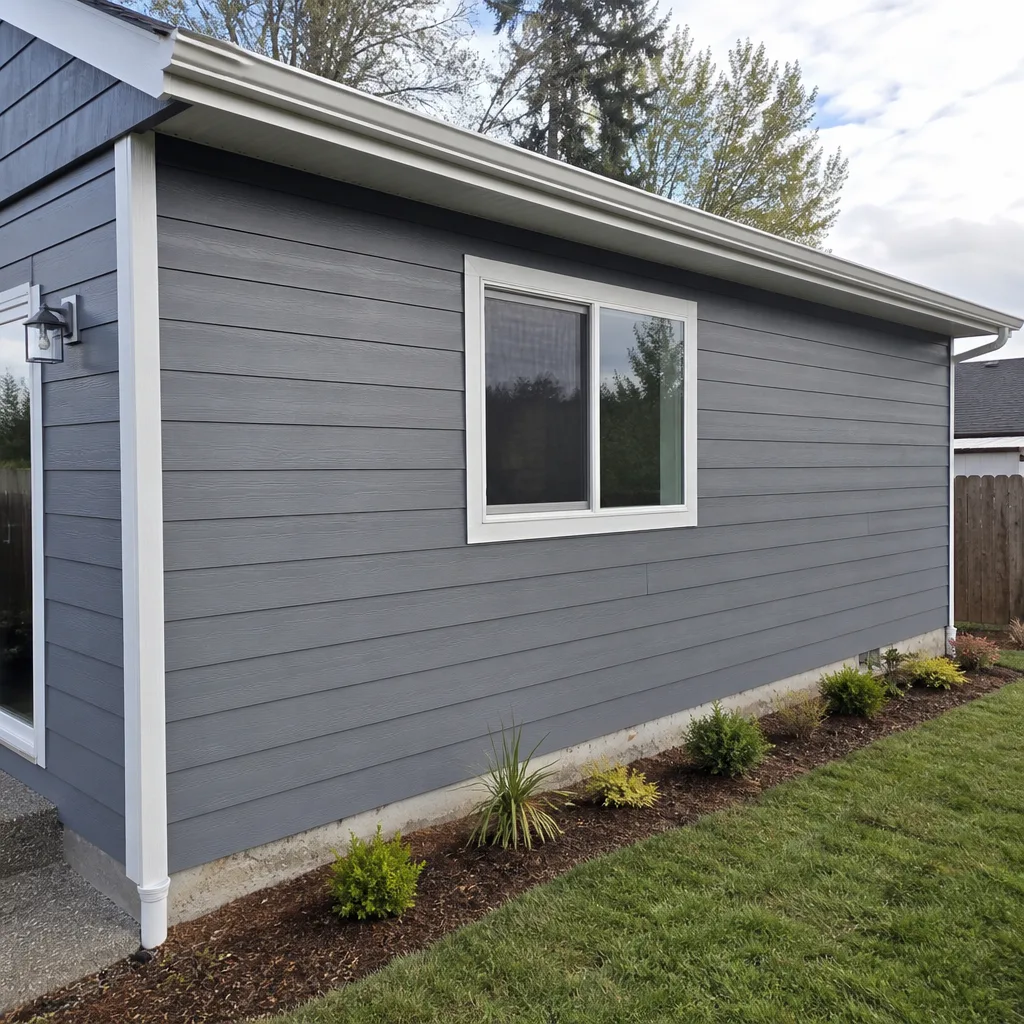 After
After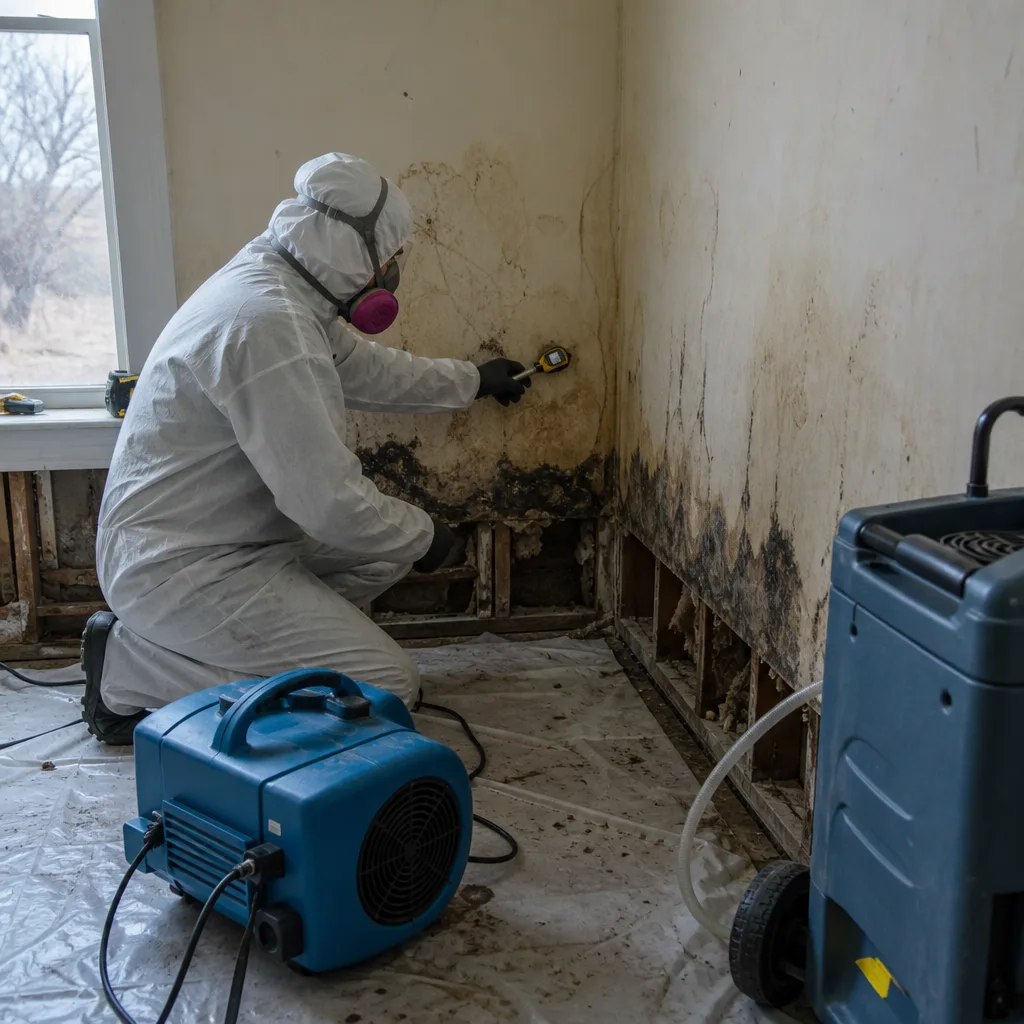 Before
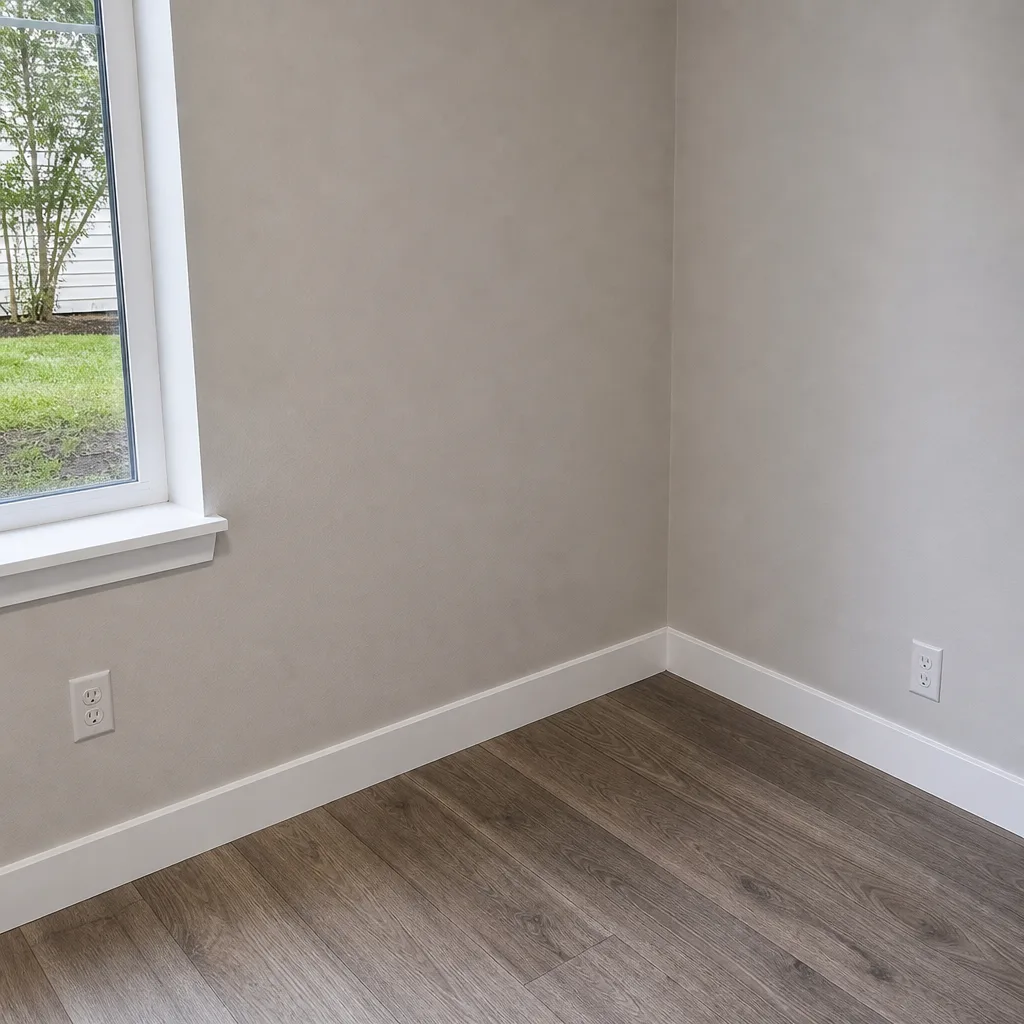 After
After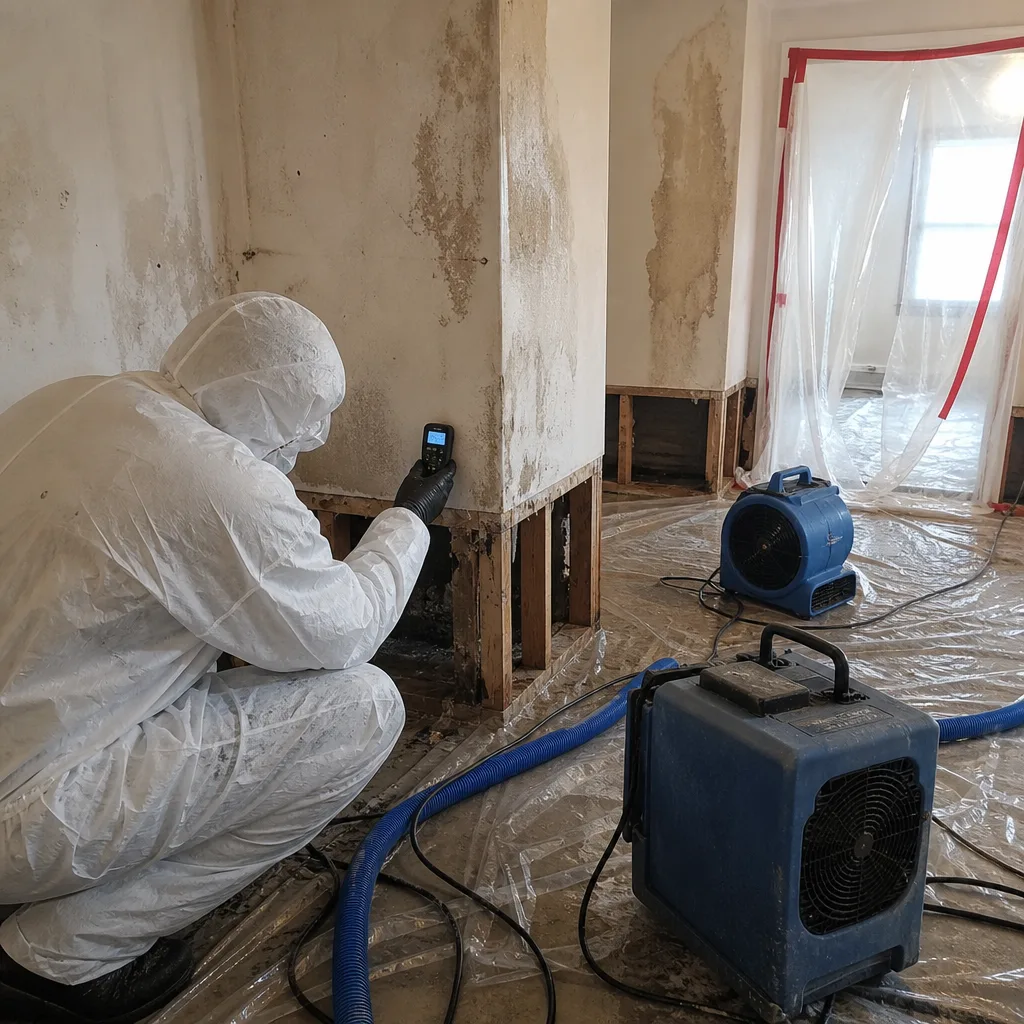 Before
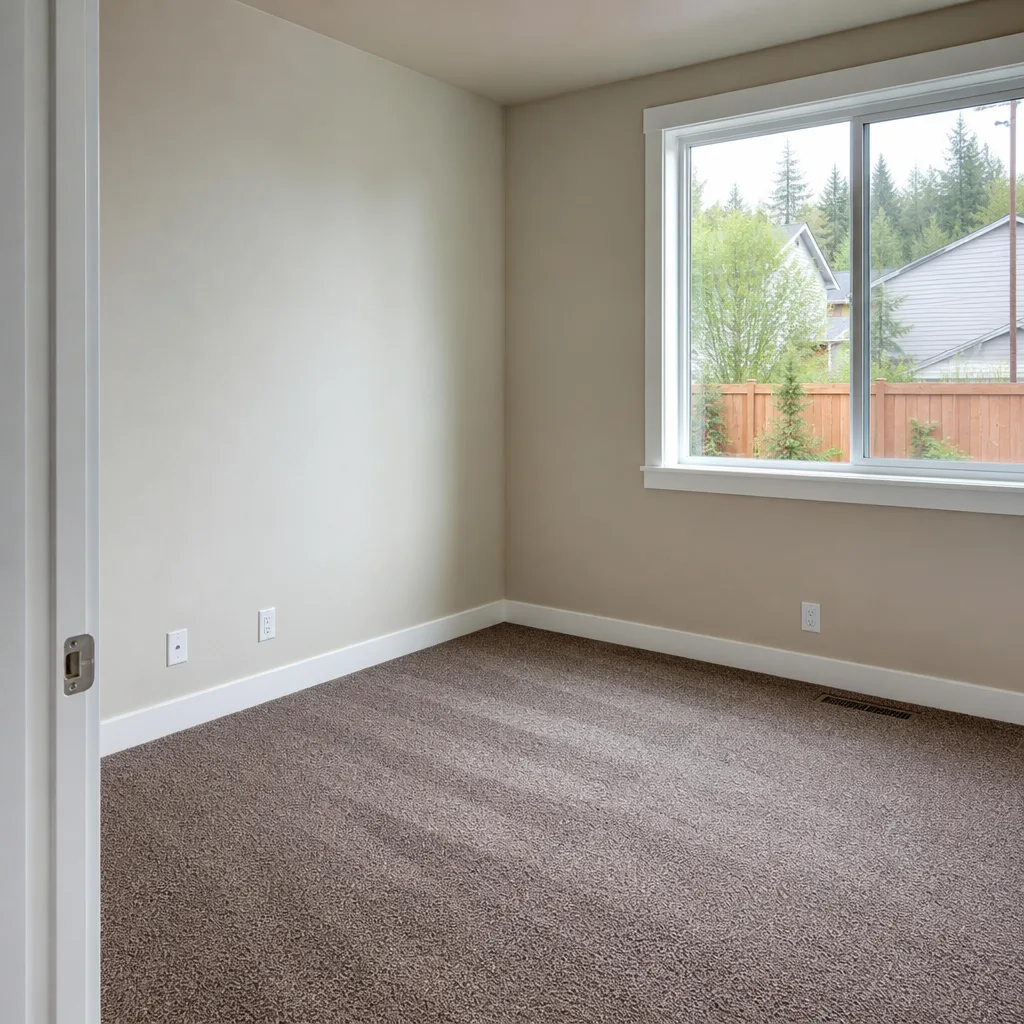 After
AfterFast, Reliable Water Damage Restoration Across Bothell
Water damage restoration in Bothell typically costs $2,800-$7,500 for a standard residential loss, with emergency extraction and initial drying setup running $1,800-$3,400. Most Bothell homes we see need 3-5 days of active drying, though clay-heavy valley soils and persistent wet-season saturation can extend that timeline. Our crews dispatch to Bothell from our Seattle office, and our 24-hour live answering means a person picks up every call - no voicemail while water is still moving through your walls.
Bothell’s position at the confluence of the Sammamish River and North Creek creates water damage patterns you won’t find in drier eastern markets or even in neighboring Mill Creek. We’ve restored homes in the Canyon Park hills, the downtown floodplain, and the neighborhoods along Bothell-Everett Highway, and we’ve learned that a single storm here can produce two completely different loss types simultaneously - from water damage to fire & smoke damage restoration in Bothell scenarios when lightning or electrical failures strike during the same event. That’s not a marketing line - it’s the reason our moisture mapping covers both the crawl space and the uphill foundation on every Bothell call during the October-March wet season. Call (360) 822-3055 and a live person will answer, day or night.
Why DryMark Restoration Marysville Is Bothell’s Preferred Water Damage Restoration Company
We’ve restored more than 12,000 homes since 2011, and a significant share of those have been in the Bothell area - from the 1980s rambler subdivisions near Thrasher’s Corner to the newer construction along the Sammamish River Trail. Our reviews from Bothell customers consistently mention the same thing: the photo record we deliver on every visit, the written price before any work starts, and the daily drying logs that make their insurance claims straightforward. We’re not guessing at what adjusters want - Alicia Brennan founded this company after working as a claims adjuster and seeing how many restoration invoices got rejected for lack of documentation.
Response time to Bothell runs 45-90 minutes from dispatch, depending on traffic on I-405 and whether your address is on the King County or Snohomish County side of the line. That county-line split matters for more than just driving directions - it affects which jurisdiction handles your post-restoration permits, and we’ve seen competitors lose days by filing with the wrong county. Our crews check the exact address before they leave the office, because Haven Standard, Clause 1 says the written price comes before work starts, and part of that price is knowing which inspection authority will sign off on the final clearance.
Every technician who enters your Bothell home is background-checked, uniformed, and licensed - we don’t subcontract to unnamed crews, and we don’t send anyone who hasn’t been verified under The Haven Standard. The equipment that rolls off our trucks is documented to IICRC, RIA, and IFA standards: Dri-Eaz and Phoenix dehumidifiers, Injectidry cavity drying systems, and air movers we log by serial number on every job. When your adjuster asks for proof of proper drying, we hand them a file, not a promise.
Our Water Damage Restoration Services in Bothell
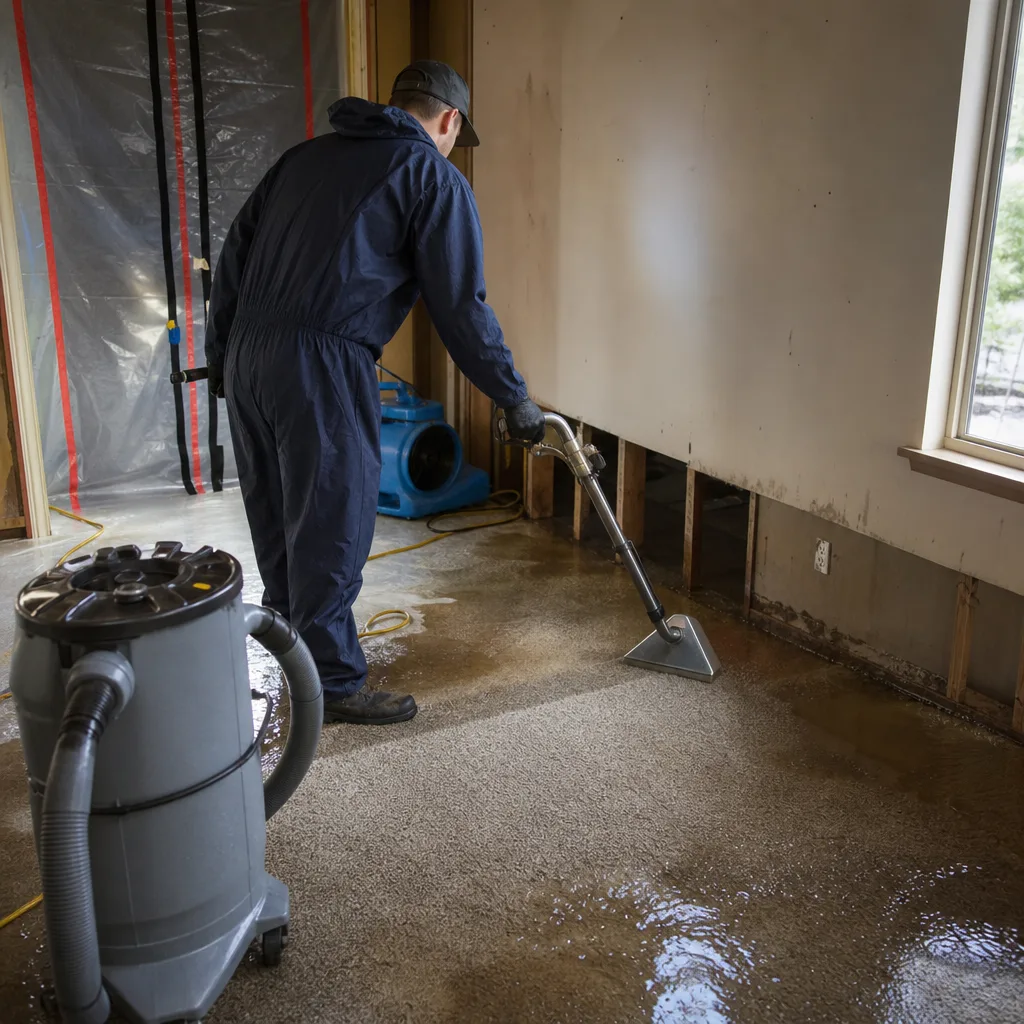
Emergency Water Extraction
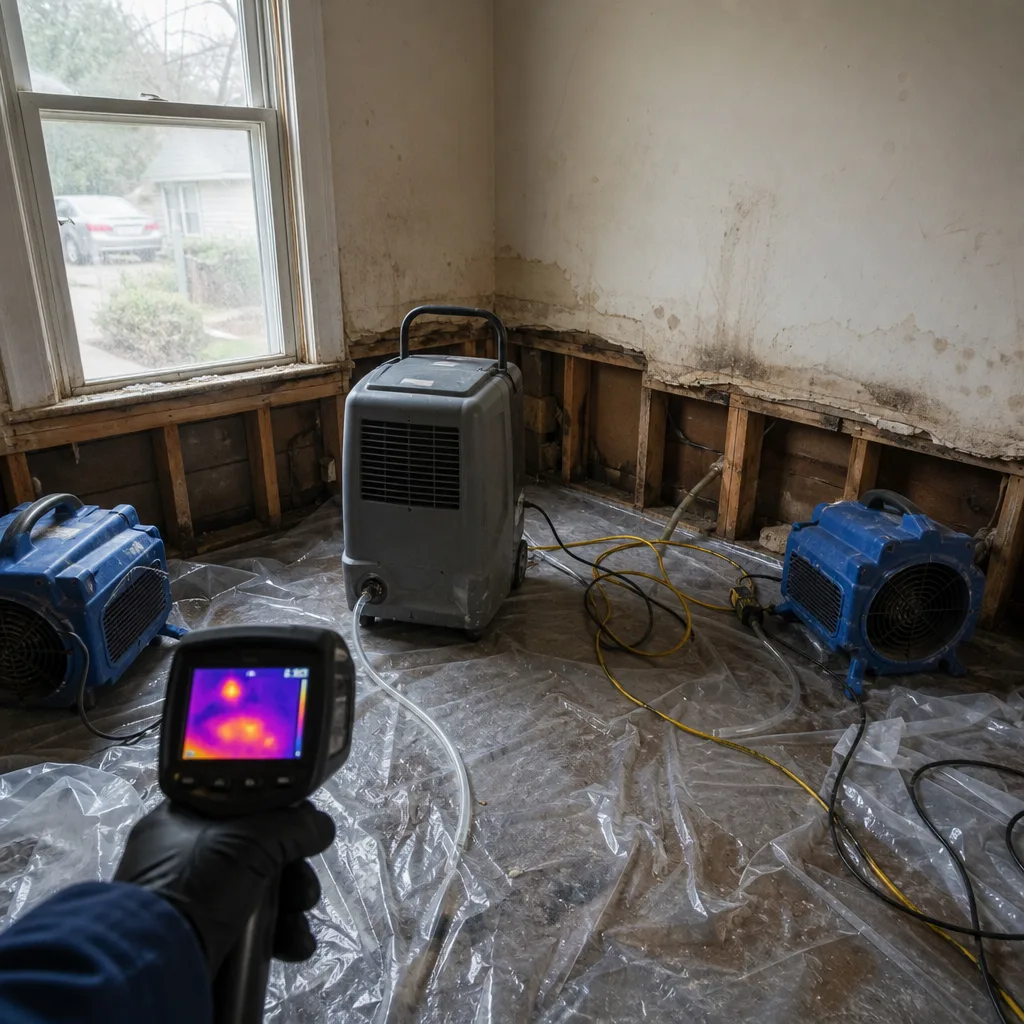
A burst supply line doesn’t wait for business hours, and neither do we. Our emergency water extraction teams serve Bothell around the clock, with live dispatchers who answer every call - no voicemail trees, no “we’ll call you back tomorrow” while your subfloor turns to mush. We deploy truck-mounted extraction units and portable systems for tight access, and we document the initial moisture readings before we move a single piece of furniture. In Bothell’s 1985-2005 housing stock, we often find water has traveled farther than visible damage suggests, wicking behind vinyl siding into LP Inner-Seal hardboard sheathing that swells and delaminates on contact. Our extraction protocol includes thermal imaging and moisture mapping to find that hidden migration, because drying to surface appearance on these homes leaves category 2 or 3 water trapped in the wall cavity.
Structural Drying & Dehumidification
Structural drying in Bothell requires more than equipment - it requires understanding how this city’s clay-heavy valley soils stay saturated for weeks after a rain event ends. We deploy Phoenix and Dri-Eaz dehumidifiers sized to the affected cubic footage, with air movers positioned to create vapor pressure differentials that pull moisture from deep in the structure. Psychrometric data - temperature, relative humidity, and specific humidity readings - gets logged twice daily, and those drying logs become part of your documentation package for insurance. Tertiary drying, the final phase where we target residual moisture in dense materials like Douglas fir framing, often runs longer in Bothell than in drier markets because ground-level humidity keeps feeding the load. We don’t pull equipment until the readings say we’re done, not until the calendar says we should be.
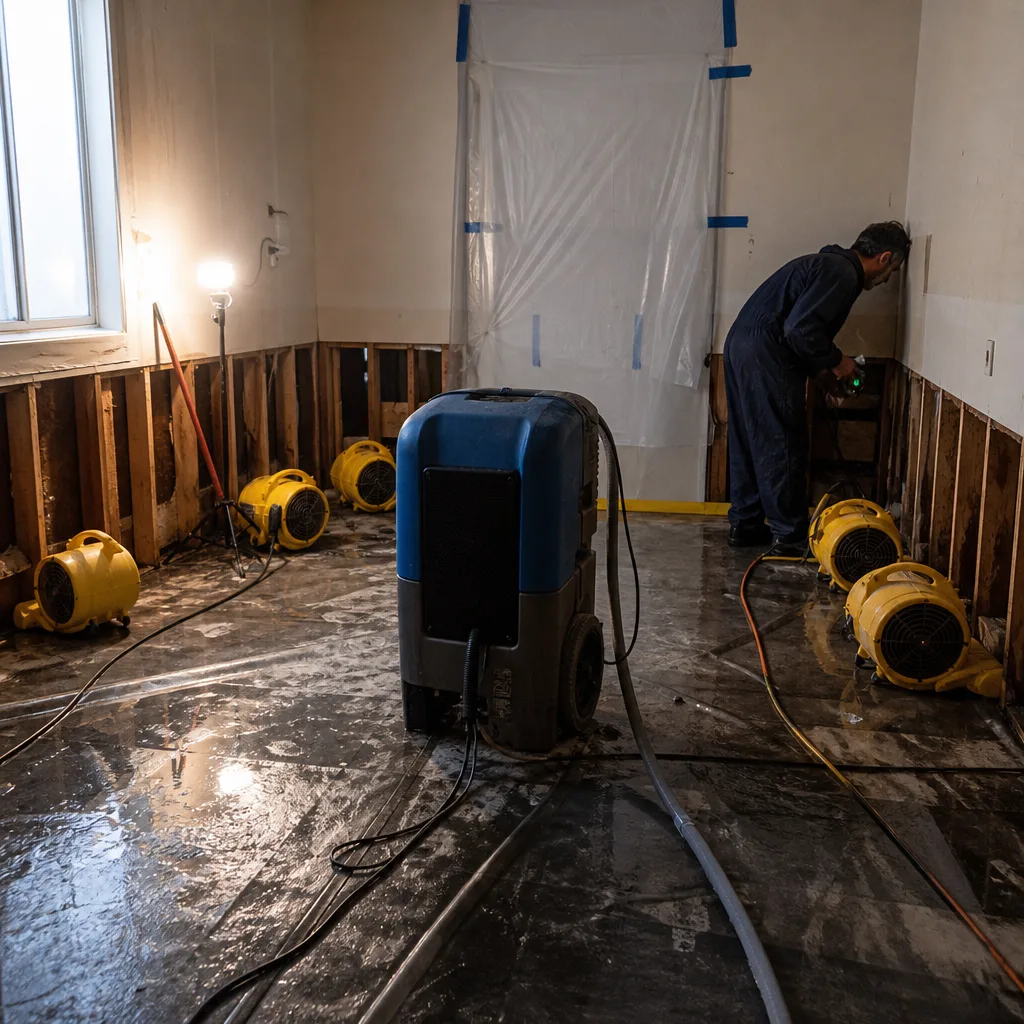
Flood Cleanup
Bothell’s FEMA-designated flood zones cover significant portions of the historic downtown core and the Sammamish River corridor, which means riverine flooding isn’t a freak event here - it’s a recurring risk with specific cleanup protocols. Category 3 water, or “black water,” carries contaminants that require antimicrobial treatment and controlled demolition of porous materials. Our flood cleanup crews are trained to IICRC standards for contamination control, and we document every removed material with photos that tie directly to your written scope. For Bothell homes in the floodplain, we also assess whether slow-draining soils have created hydrostatic pressure damage to the foundation that will need separate attention - a secondary loss pattern that extraction-only contractors often miss.
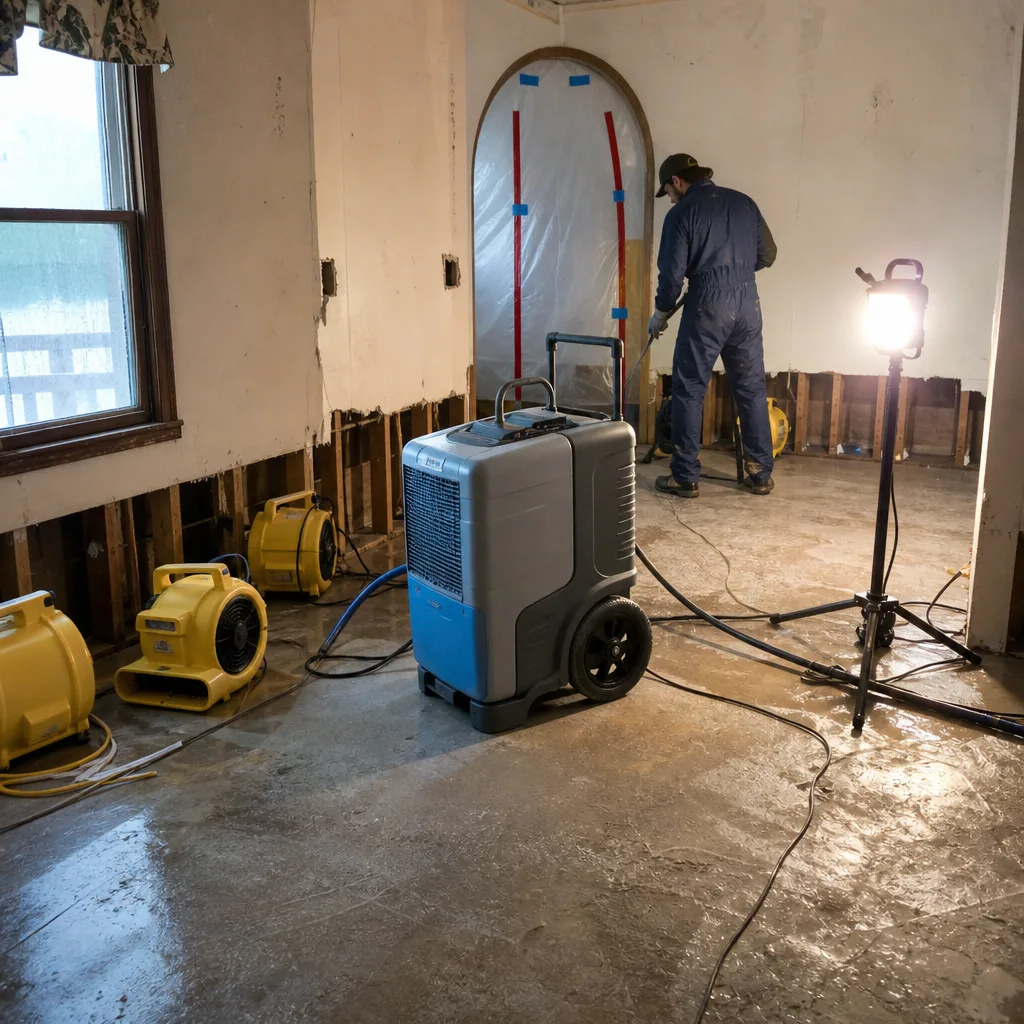
Burst Pipe Restoration
Bothell’s older water supply infrastructure, combined with the freeze-thaw cycles that hit the hillside neighborhoods above the valley floor, makes burst pipes a common winter call. A burst pipe restoration isn’t just about fixing the plumbing - it’s about tracing where the water traveled before you found it. In a 1998-built home off Bothell-Everett Highway, we once responded at 2 a.m. to find water had already migrated under vinyl siding and was wicking into LP Inner-Seal hardboard behind it. We set up containment, ran Dri-Eaz and Phoenix air movers with a Phoenix dehumidifier, and moisture mapping showed hidden sheathing decay that pushed the scope well past visible drywall. Our tech logged drying logs for five days, applied antimicrobial treatment, and the final clearance inspection was filed under Snohomish County after we confirmed the address split. That kind of documentation is what turns a restoration invoice into a claim an insurer pays without a fight.
What happens when you call
- 1
A real person answersNo phone trees - you reach a local pro.
- 2
You get an upfront price rangeHonest numbers before anyone is dispatched.
- 3
A background-checked tech heads outLicensed & insured, dispatched right away.
- 4
You approve before work beginsNothing starts until you say go.
BeforeAfterCommon Water Damage Restoration Problems We See in Bothell Homes
- Dual loss patterns from a single storm. Bothell’s valley-floor development sits beneath steep residential hillsides, so one extended rain event can flood a lowland crawl space via the Sammamish River corridor while simultaneously saturating a hillside foundation. Crews that don’t moisture-map both locations waste drying days and leave hidden moisture behind.
- Hidden sheathing decay behind intact cladding. The 1985-2005 construction era that dominates Bothell’s housing stock used LP Inner-Seal hardboard siding and early OSB wall sheathing - materials that swell, delaminate, and rot when moisture infiltrates the building envelope. We’ve removed vinyl siding that looked perfect from the outside to find the sheathing behind it crumbling into category 3 debris.
- County-line permit confusion delaying occupancy. Because Bothell straddles King and Snohomish counties, post-restoration permits and inspections can fall under either jurisdiction depending on the exact address. Misfiling to the wrong county adds days to re-open permits and stalls the final clearance needed before you can move back in.
- Extended drying timelines from persistent soil saturation. Bothell’s clay-heavy valley soils don’t drain quickly, and during the October-March wet season they stay saturated for weeks. That ground-level moisture pushes continuously into crawl spaces and lower levels, making active drying timelines longer than contractors from drier markets would estimate.
Pricing for Water Damage Restoration in Bothell, WA
We publish ranges because Haven Standard, Clause 1 requires a written price before any work starts - and that price should never be a surprise.
| Service | Typical Range in Bothell |
|---|---|
| Emergency water extraction (initial visit) | $1,800 - $3,400 |
| Structural drying & dehumidification (per day) | $450 - $850 |
| Flood cleanup (Category 3, per affected room) | $2,200 - $4,800 |
| Burst pipe restoration (full scope, typical home) | $3,500 - $8,500 |
| Basement water removal (including contents handling) | $2,800 - $6,200 |
| Ceiling/roof leak damage (drywall, insulation, paint) | $1,800 - $5,400 |
What moves you up or down within these ranges: the category of water (clean, gray, or black), the square footage affected, whether we need to remove and replace materials or can dry in place, and whether hidden damage extends the scope beyond the initial visible loss. Bothell’s 1985-2005 hardboard-and-OSB homes often land in the upper half of these ranges because moisture that reaches the sheathing requires controlled demolition of the cladding to access it. Every estimate we provide is free, written, and delivered before any equipment gets plugged in - and our Free Second Opinion on any competitor’s written estimate means you can verify you’re getting appropriate scope at fair pricing. Call (360) 822-3055 for your written estimate.
We Also Serve Cities Near Bothell
Our Water Damage Restoration crews regularly serve homeowners throughout the north metro, including Water Damage Restoration in Bothell as well as Lynnwood, Mountlake Terrace, Mill Creek, and Edmonds. Each city has its own patterns - Mill Creek’s newer construction presents different drying challenges than Bothell’s legacy housing stock - and we adjust our protocols accordingly rather than applying a one-size-fits-all approach.
Serving Bothell, WA - Our Local Coverage Area
We’re based in the Bothell area and know this community well. Use the map below to see our service coverage - if you’re nearby, we can almost certainly help.
FAQs - Water Damage Restoration in Bothell
LP Inner-Seal hardboard siding and the OSB sheathing beneath it absorb moisture rapidly and delaminate as they dry, losing structural integrity even when the vinyl or paint layer above looks intact. In Bothell’s persistent wet season, a small leak can saturate this assembly for weeks before you notice interior staining, by which point the sheathing behind the cladding has often decayed to the point of requiring full removal. Our moisture mapping finds this hidden damage before we write your scope, so the price you agree to covers the actual work - not a lowball that balloons once the siding comes off. Call (360) 822-3055 for a free assessment.
Yes - Bothell’s geography creates simultaneous but distinct loss types that single-focus crews often miss. The Sammamish River corridor and downtown floodplain can see riverine flooding in the lowlands while the steep hillsides above produce saturation-driven crawl-space failures from surface water and groundwater pressure. We moisture-map both zones on every storm-response call because drying one while ignoring the other leaves active moisture that will generate mold and secondary damage. This dual-pattern risk is unique to Bothell’s valley-and-slope topography among our service-area cities. Call (360) 822-3055 and we’ll dispatch with equipment sized for both potential loss zones.
It depends on your exact address - Bothell straddles the King-Snohomish county line, and the jurisdiction for post-restoration permits and final inspections follows the property’s county assignment. Our crews verify this before filing any paperwork, because misfiling to the wrong county adds days to re-open permits and delays the occupancy clearance you need to move back in. This is standard protocol under The Haven Standard, not an afterthought. If you’ve already had work done by another contractor and the permit is stalled, we can review the situation as part of our Free Second Opinion service. Call (360) 822-3055.
Mold colonization can begin in 48-72 hours under the conditions Bothell’s wet season creates: temperatures in the 50s and 60s, relative humidity above 60%, and organic materials like drywall and OSB sheathing providing food sources. The persistent ground moisture from our clay-heavy valley soils means that even after surface water is extracted, humidity in wall cavities and crawl spaces can sustain mold growth if drying isn’t thorough and documented. We apply antimicrobial treatment as standard protocol on category 2 and 3 losses, and our drying logs prove that affected materials reached acceptable moisture content before we sign off. Call (360) 822-3055 for emergency extraction that stays ahead of the mold timeline.
Active drying in Bothell typically runs 3-5 days for a standard residential loss, compared to 2-4 days in drier climates - the difference comes from our persistent wet-season humidity and clay soils that stay saturated for weeks, continuously feeding moisture into the structure from below. Tertiary drying of dense materials like Douglas fir framing can add another 1-2 days. We don’t pull equipment based on calendar estimates; we pull it when the psychrometric data and moisture readings say the job is done, and we document every reading for your insurance file. Call (360) 822-3055 for a timeline specific to your loss.
Water damage in Bothell doesn’t follow the simple patterns you’ll find in drier markets or flatter terrain. The combination of riverine flood risk, hillside saturation, legacy building materials, and a county-line permit split creates a restoration environment where documentation, local knowledge, and systematic moisture mapping separate a successful recovery from a stalled claim and a mold callback. Our Bothell crews arrive with equipment from Dri-Eaz, Phoenix, and Injectidry, and they leave with photo records, drying logs, and a written scope that meets Haven Standard requirements - because Alicia Brennan built this company around the documentation gap that costs homeowners their claims.
Call (360) 822-3055 now. A live person answers every call, 24 hours a day, 7 days a week. Your written estimate is free, and your price is fixed before any work begins - Haven Standard, Clause 1, every time.
Written by Alicia Brennan, Owner at DryMark Restoration Marysville, serving Bothell and the north metro since 2011.