
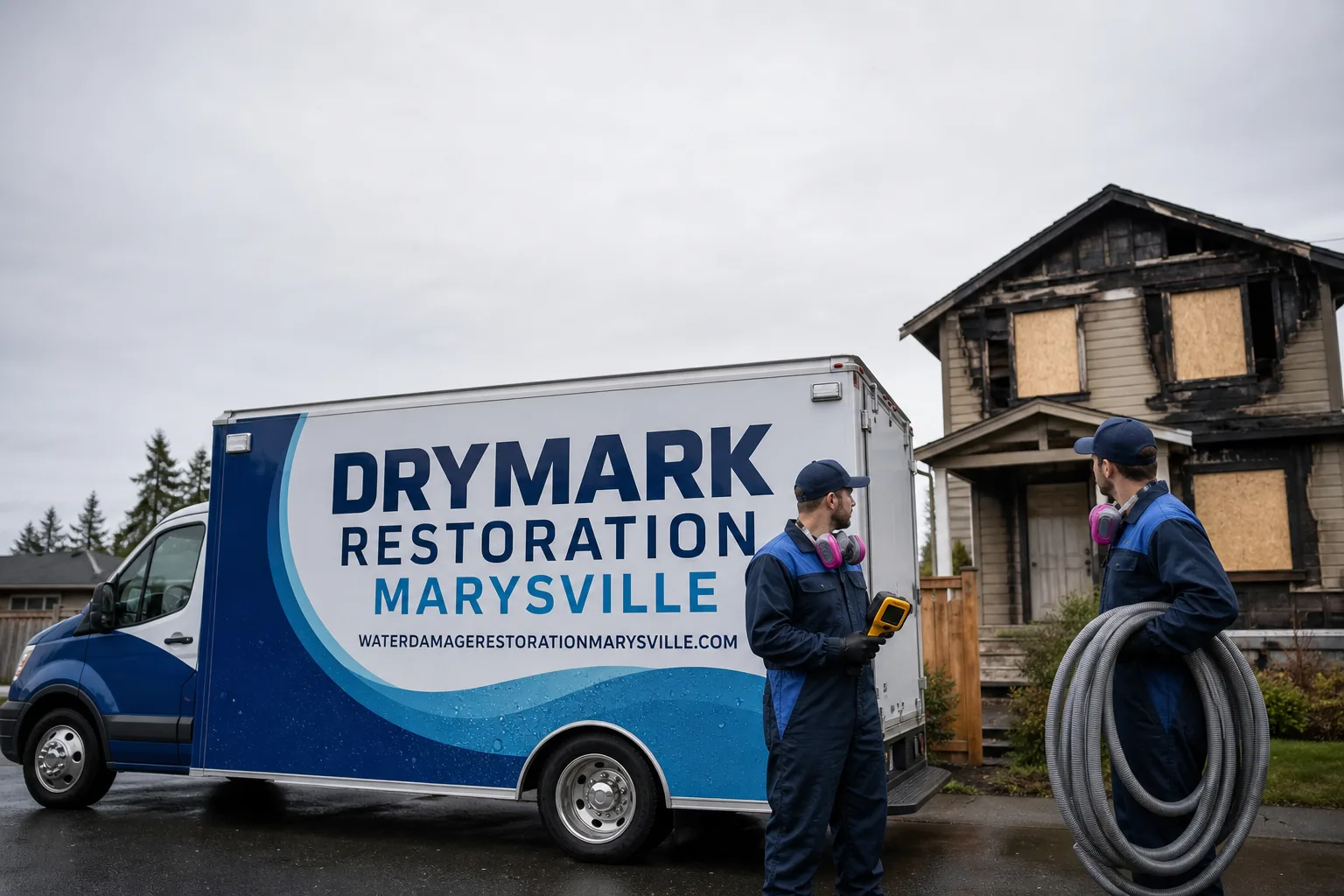
Free visual inspection and a written scope of work before any mitigation begins - photos, moisture readings, and drying logs go in your claim file
The scope we write is the scope we bill. Anything new gets shown to you, in writing, before we touch it.
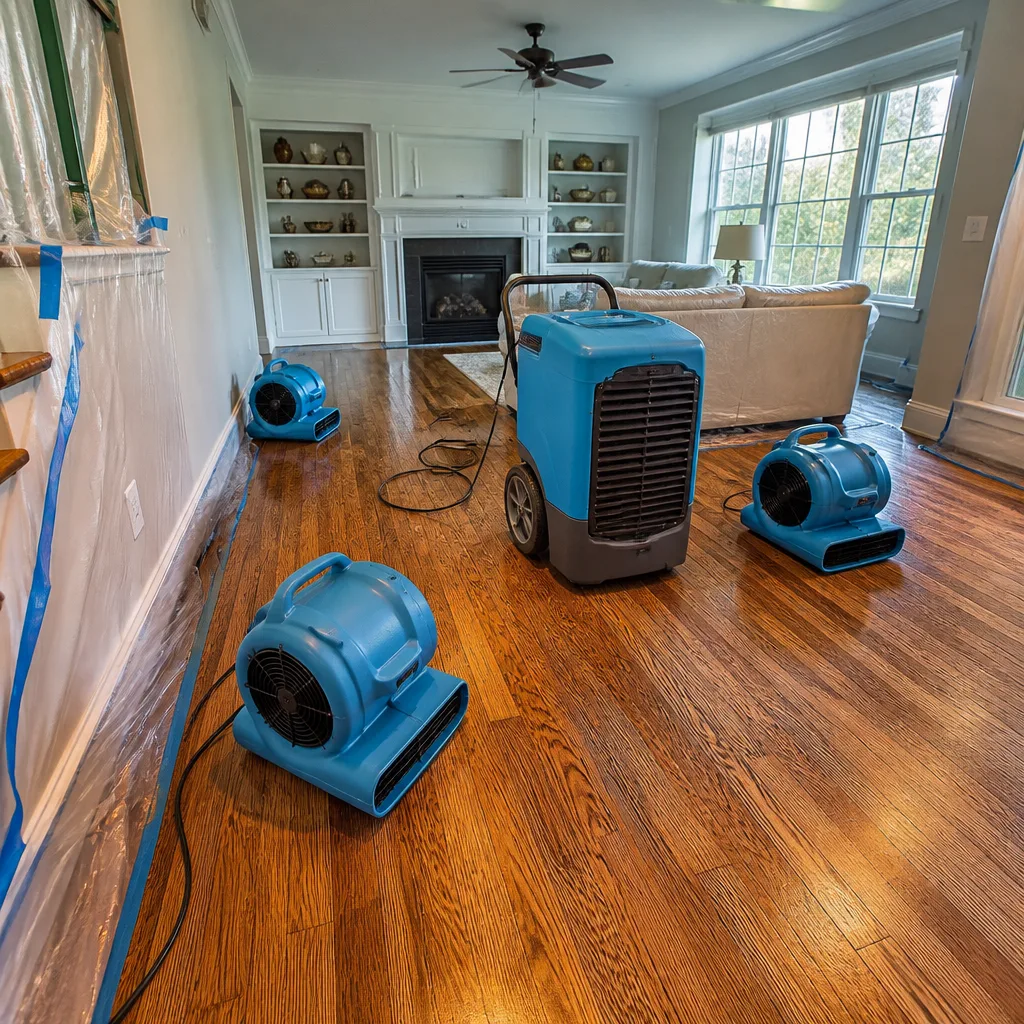
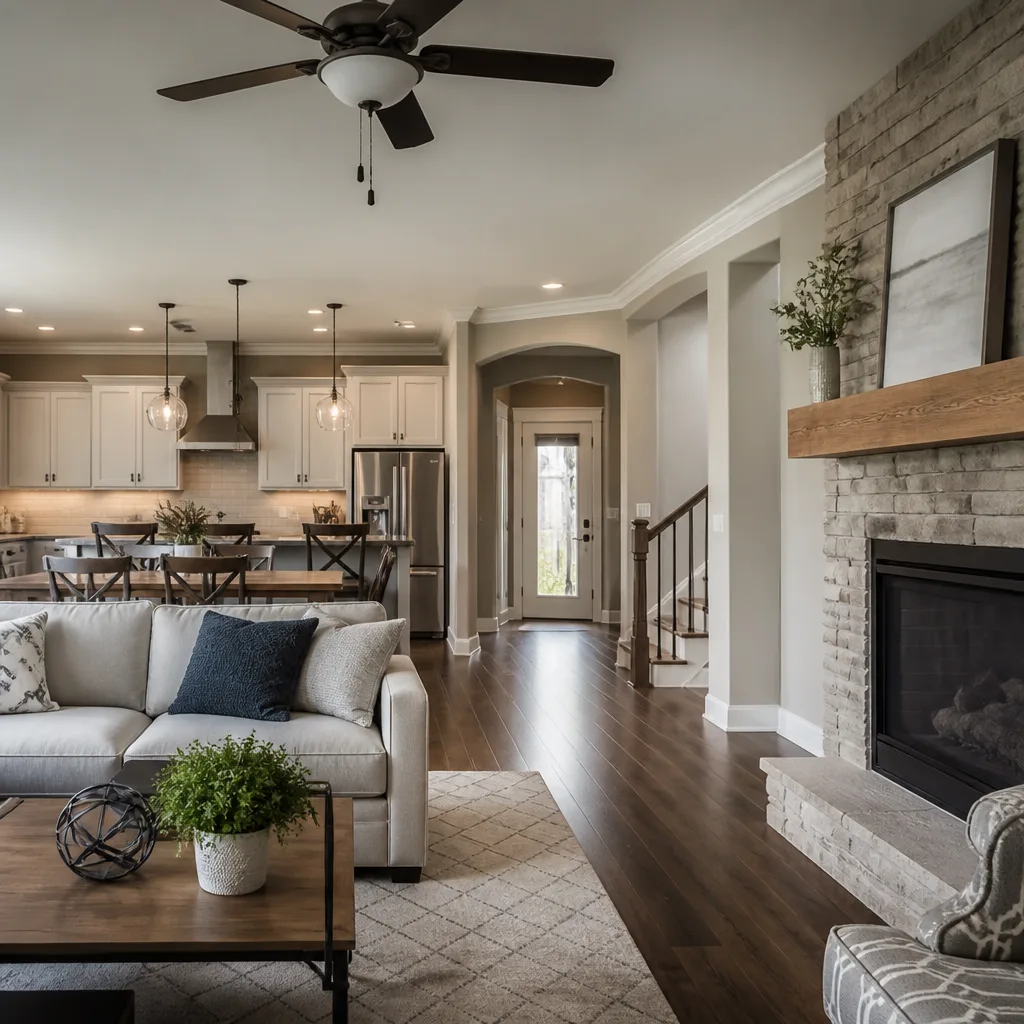
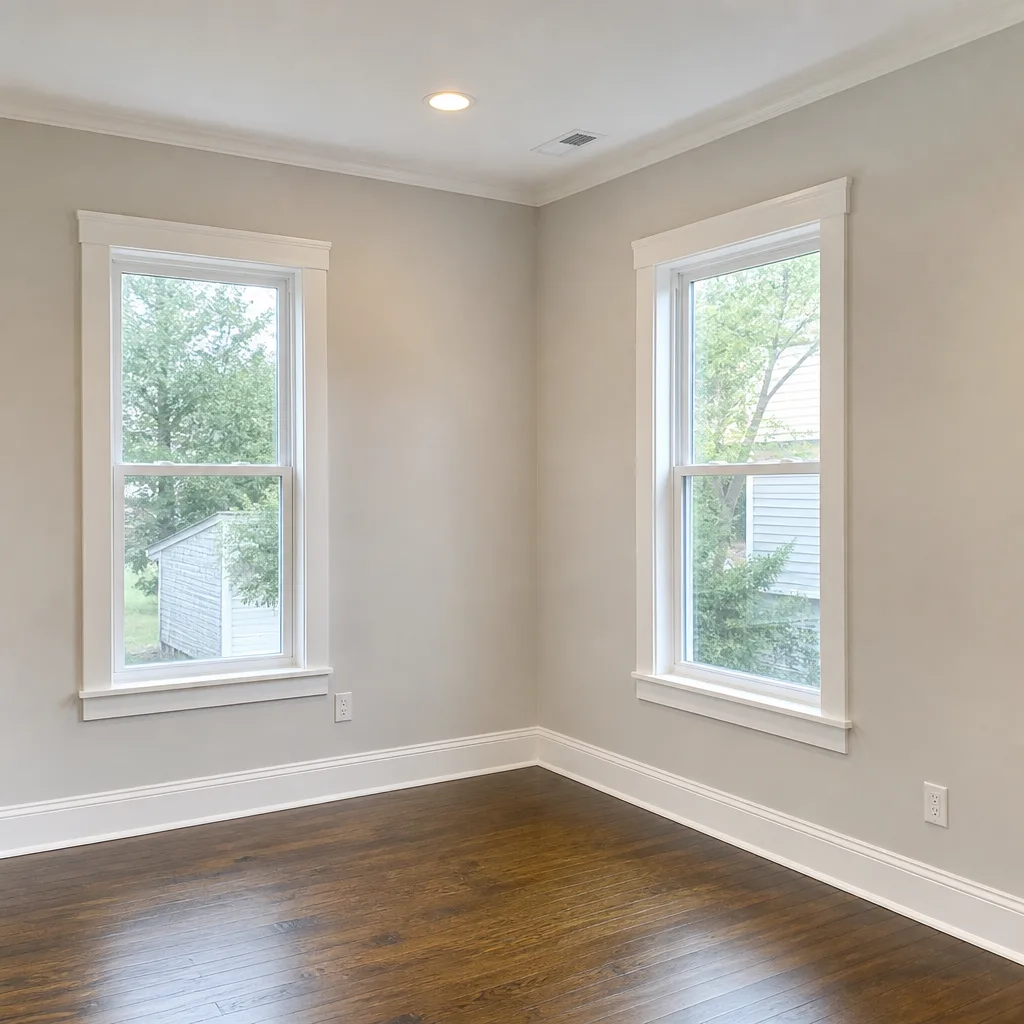
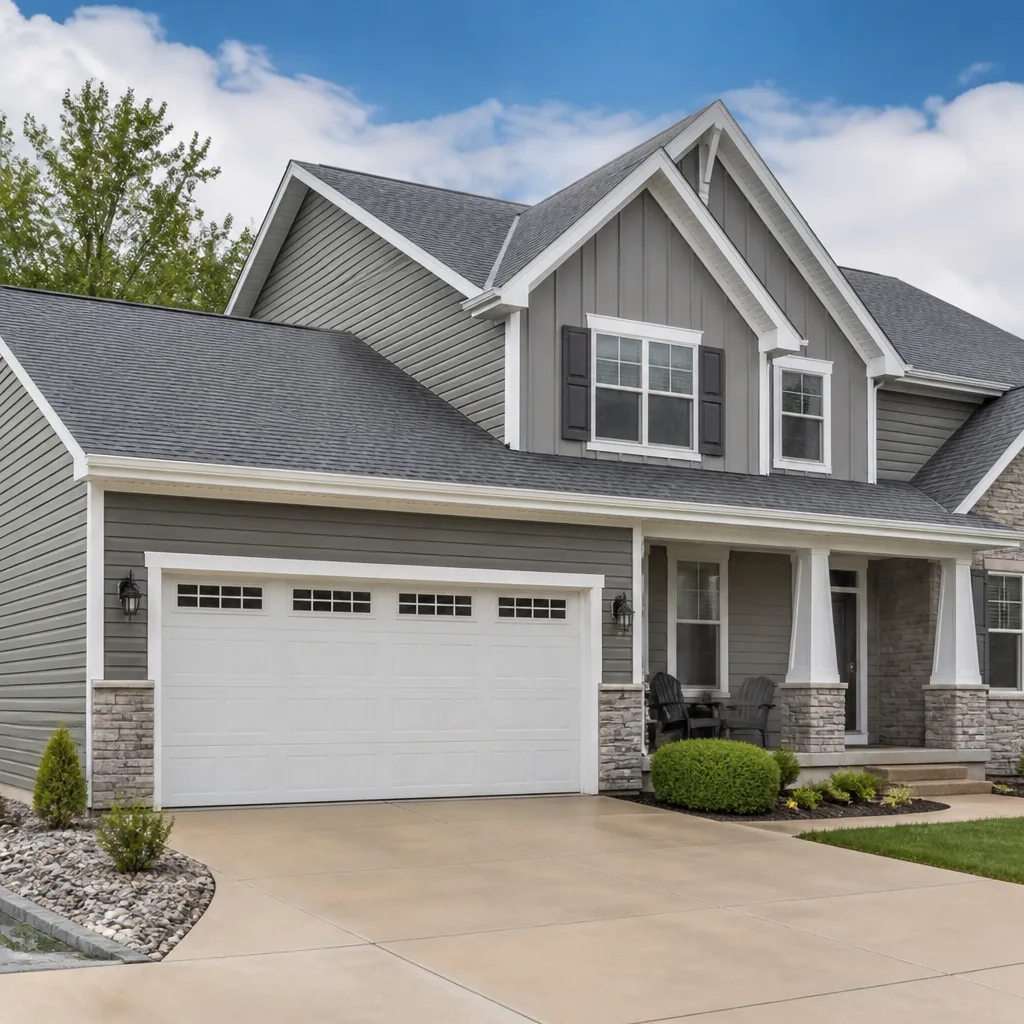
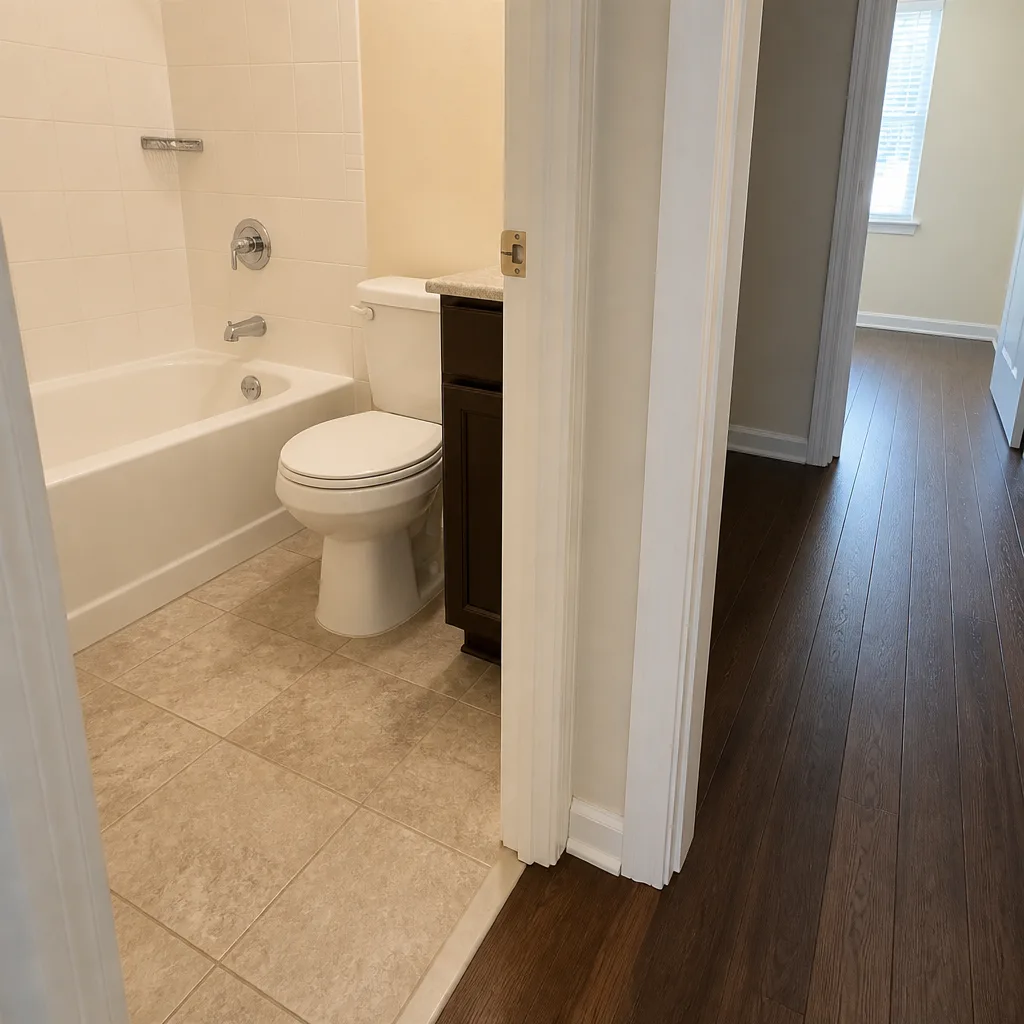
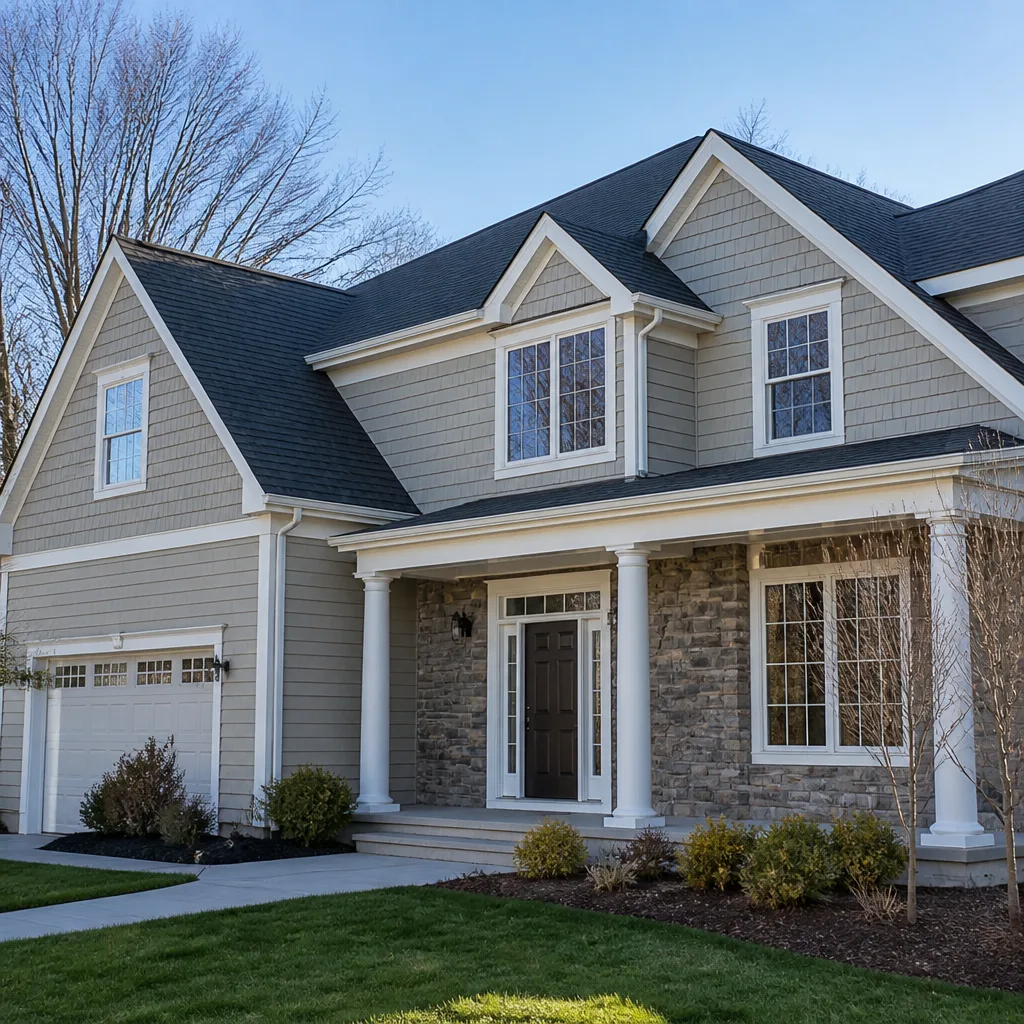
 Before
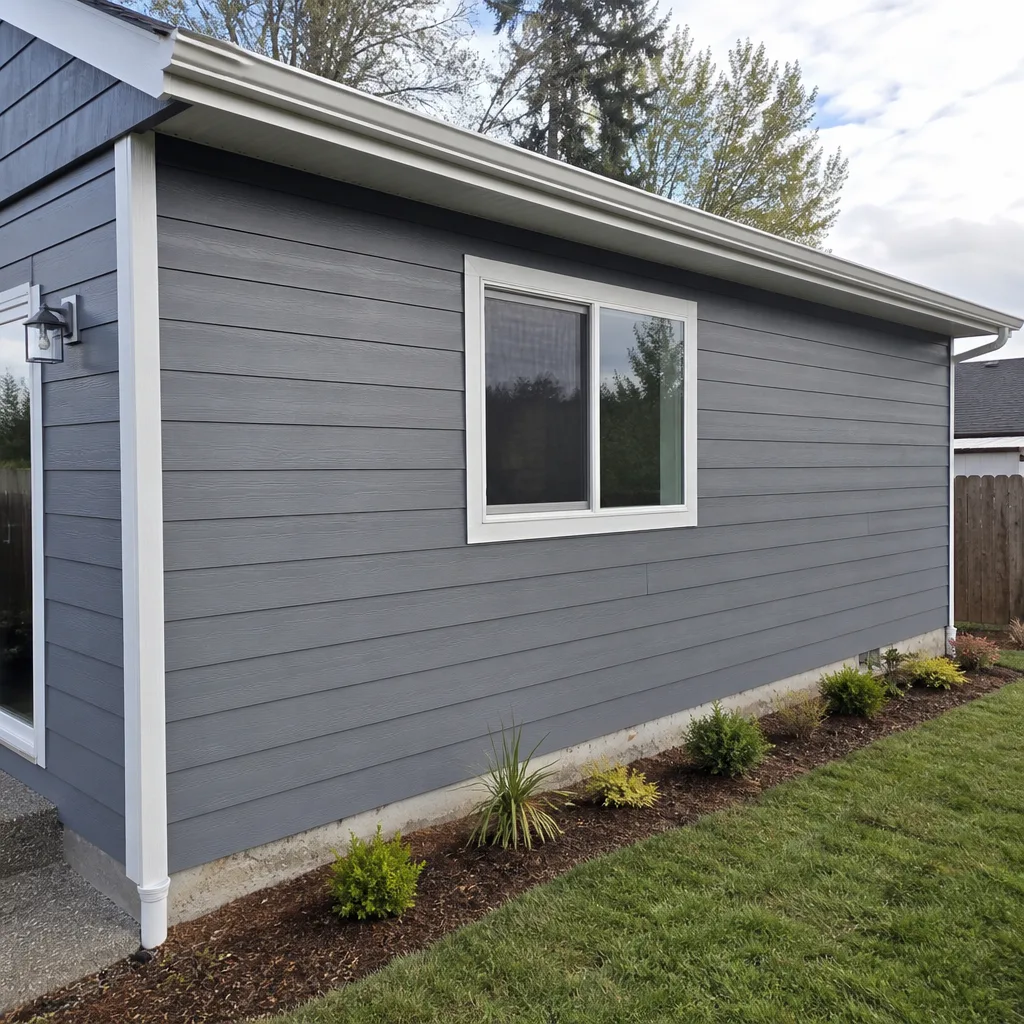 After
After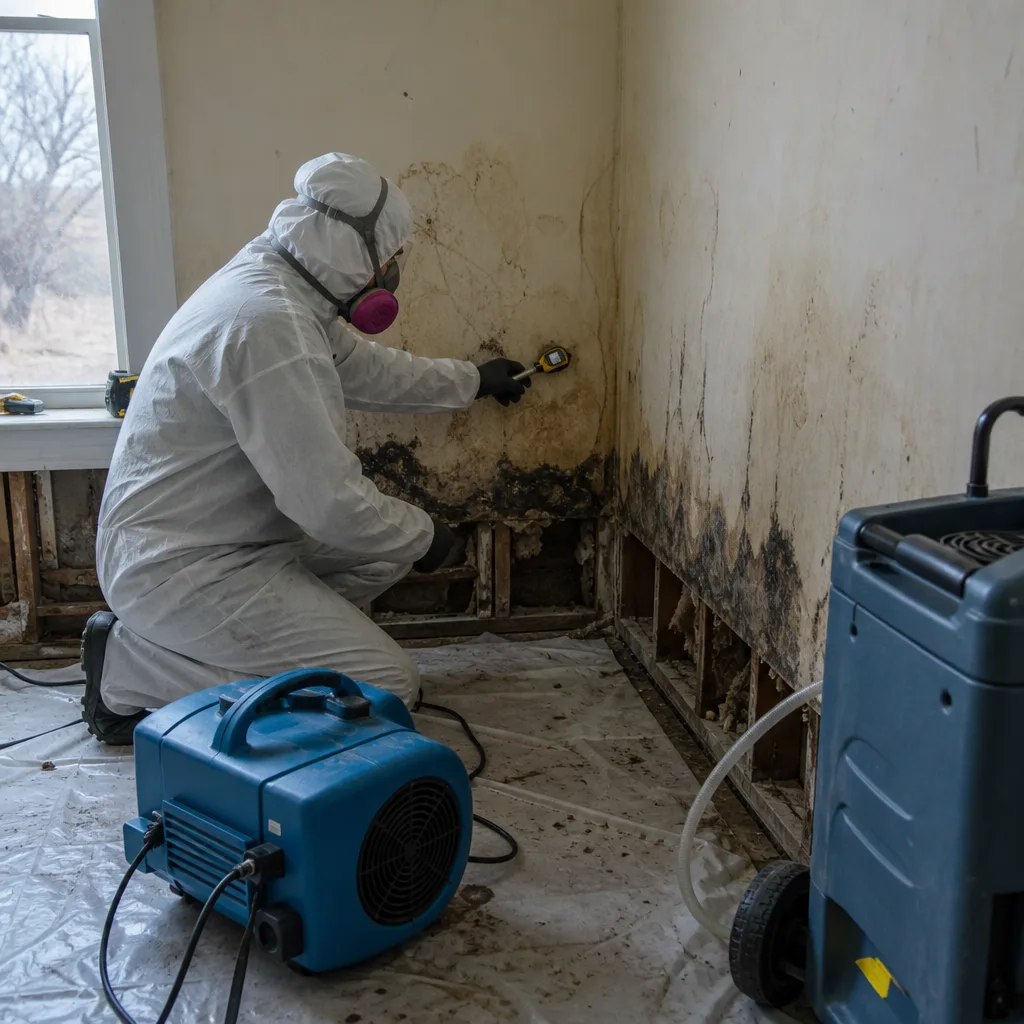 Before
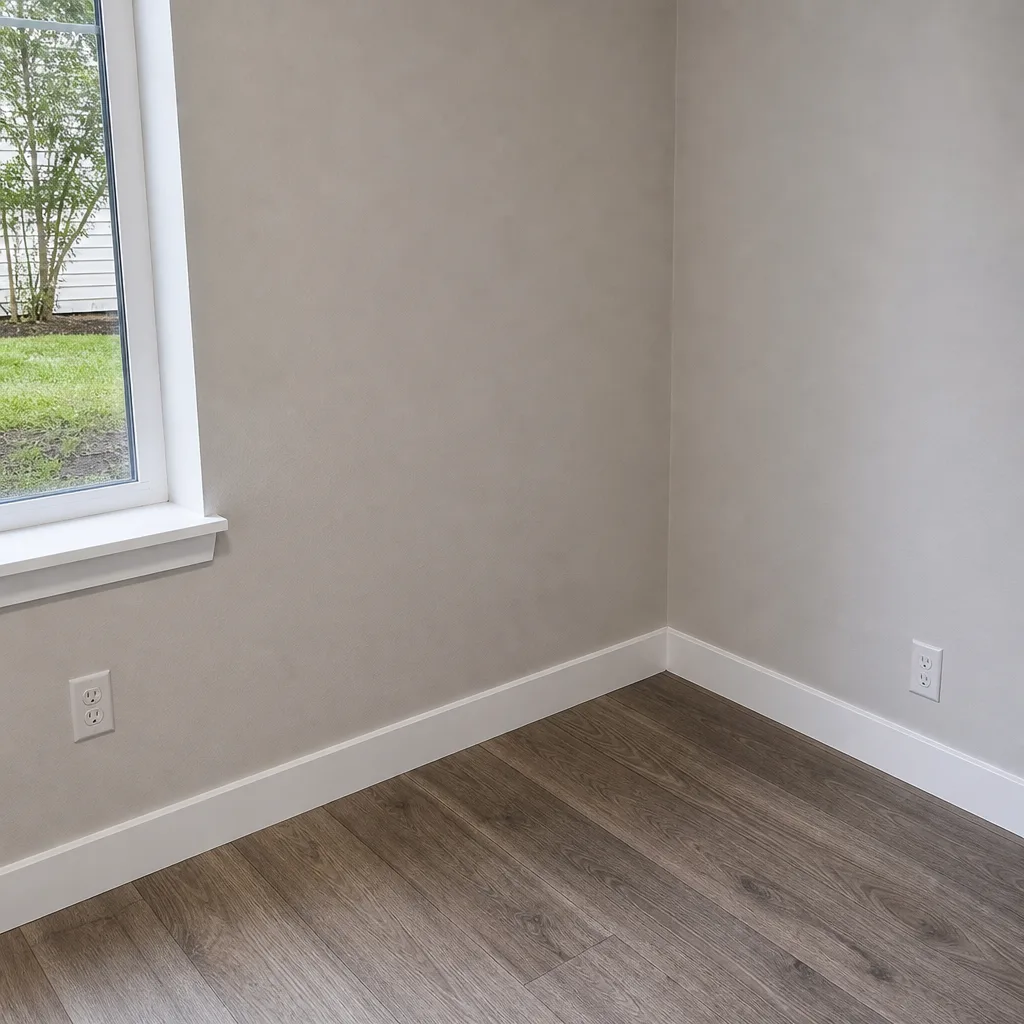 After
After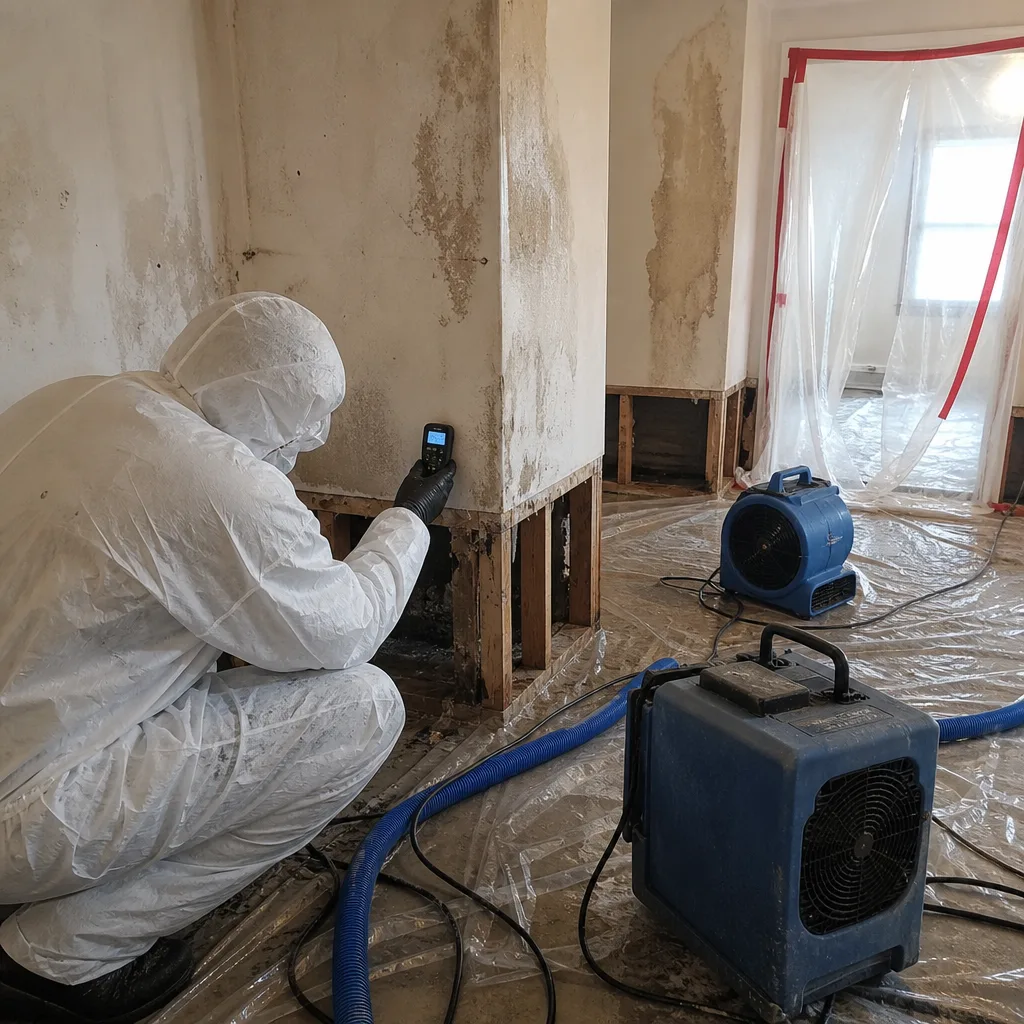 Before
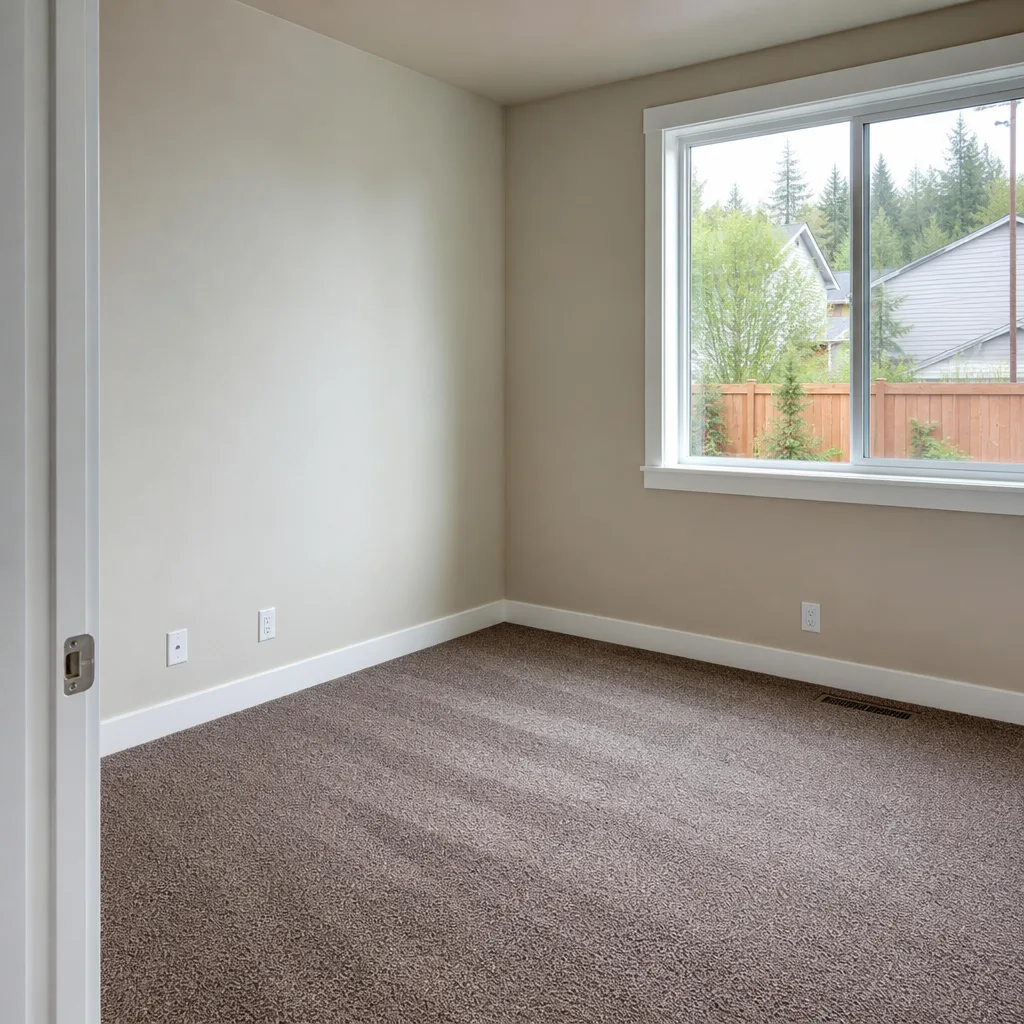 After
AfterFast, Reliable Mold Remediation Across Maltby
Mold remediation in Maltby typically runs $1,800-$4,500 for a standard crawl-space or wall-cavity job, with full-structure treatments reaching $6,000-$12,000 in severe cases. We’re usually on-site within 60-90 minutes for emergency calls routed through our Seattle office, and every job starts with a written price before anyone touches your property. Call (360) 822-3055 - estimates are free, and a live person answers.
We know Maltby’s homes. The 1970s-through-mid-2000s ramblers off Maltby Road, the two-stories tucked into the Douglas fir stands near the Snohomish County line, the properties where a vented crawl space was standard construction and now functions as a moisture reservoir eleven months of the year. Our crews have dried and treated enough of them to recognize the pattern before we park the truck: wind-breach roof damage from the last Pacific storm, water that found the path of least resistance into the subfloor assembly, and mold that established itself while the homeowner was still waiting on the roofer’s callback.
Why DryMark Restoration Marysville Is Maltby’s Preferred Mold Remediation Company
Our reputation in Maltby was built on documentation that holds up when an adjuster reviews the file. Alicia Brennan founded Back to Dry Restoration in 2011 after years as a claims adjuster watching homeowners lose coverage because a restoration company couldn’t produce moisture logs, photo records, or a written scope that matched the invoice. We don’t repeat that mistake. Every Maltby job gets a photo record on every visit, daily drying logs with psychrometric data - temperature, relative humidity, vapor pressure differential - and a written price stamped before work begins under Haven Standard, Clause 1.
Response time to Maltby averages under 90 minutes for emergency calls. Our dispatch operates 24 hours a day, 7 days a week, with no voicemail trees. When a February atmospheric river is pushing 55-plus inches of annual rainfall against your roof and ambient humidity is holding above 80% RH, that matters. Mold colonies double in roughly 24-48 hours under those conditions. Waiting until business hours isn’t a strategy.
We also coordinate directly with your insurance adjuster, providing the photo documentation and written scopes that turn restoration invoices into payable claims. No charge for that coordination. It’s standard.
Our Mold Remediation Services in Maltby
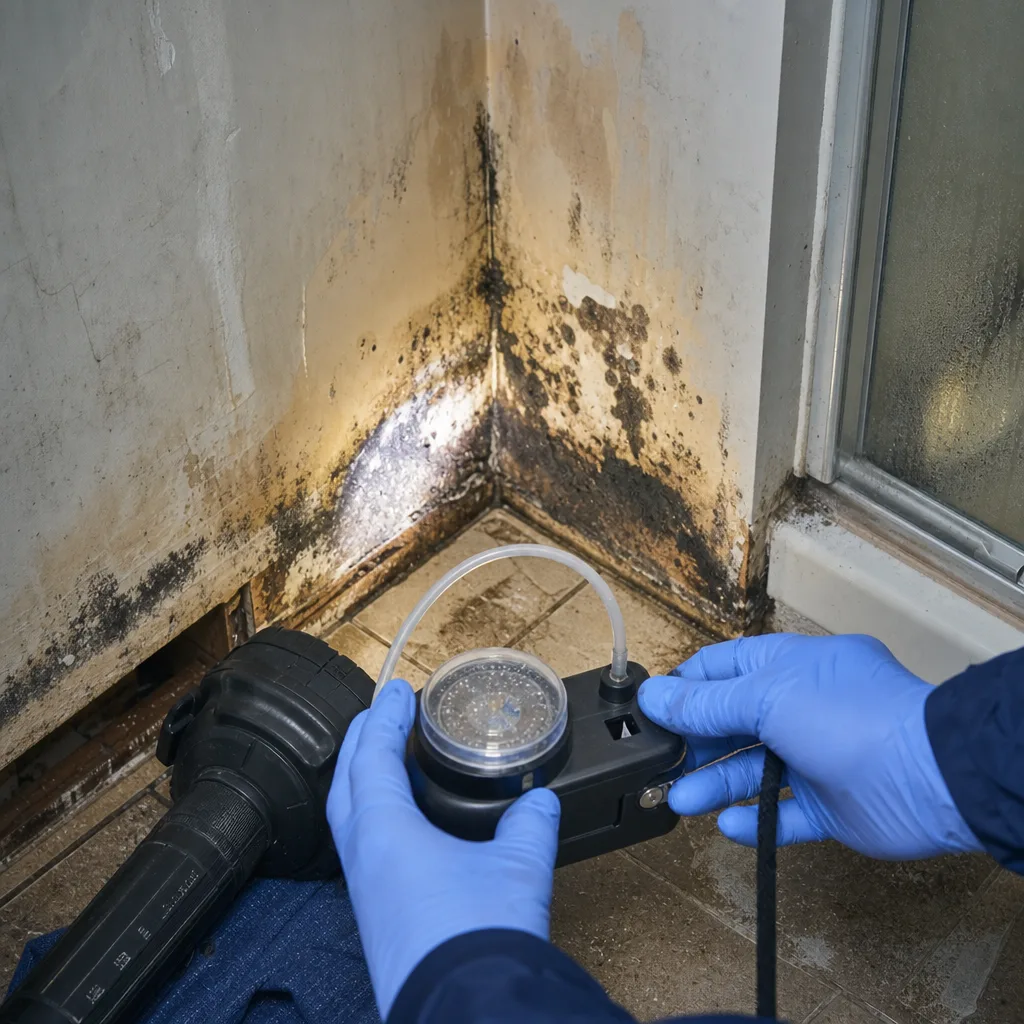
Mold Inspection & Testing
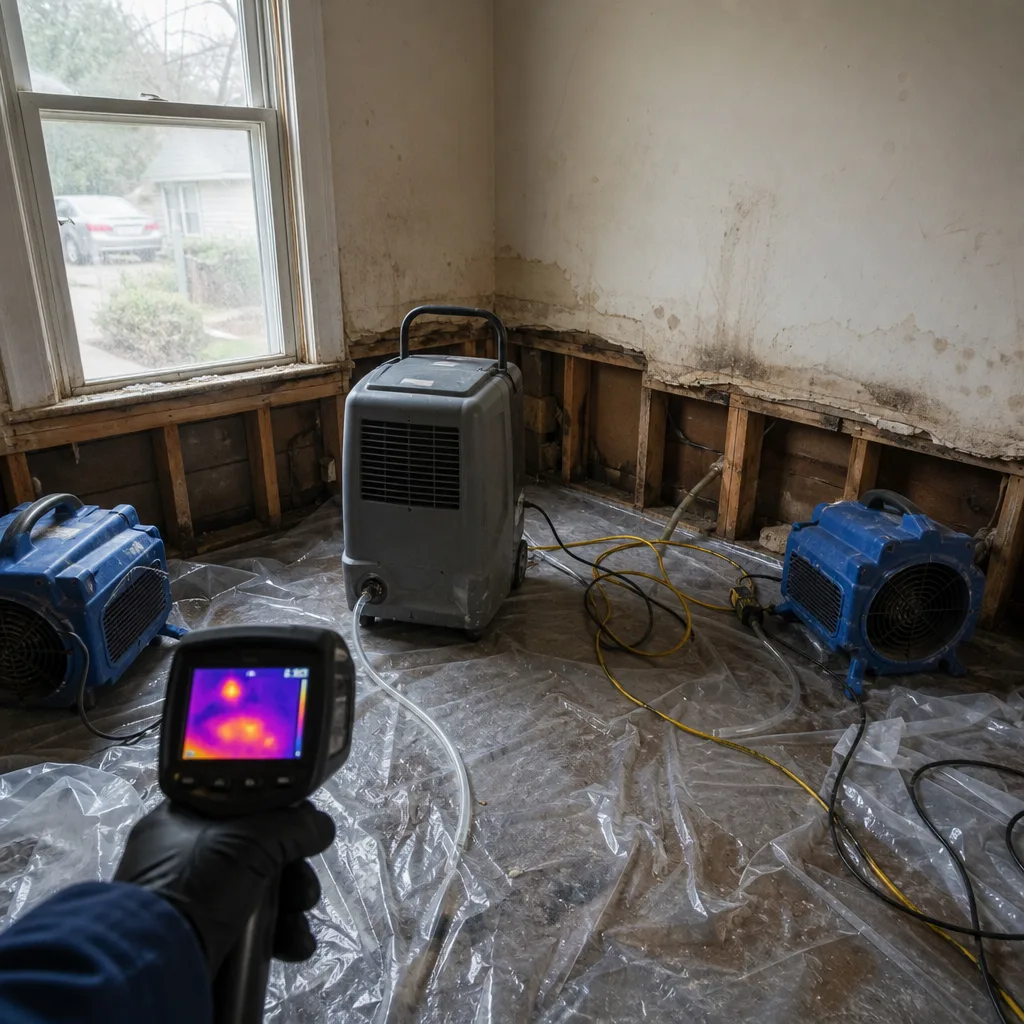
A proper mold inspection in Maltby starts with moisture mapping, not a visual scan. We use thermal imaging and penetrating moisture meters to find the water source that feeds the colony - often a wind-driven roof breach that saturated the subfloor assembly weeks ago, or a vented crawl space where ambient humidity alone keeps wood moisture content above 20%. Air and surface samples go to an independent lab. You get the lab report, the moisture readings by room, and a written scope with a fixed price before remediation starts. Haven Standard, Clause 1.
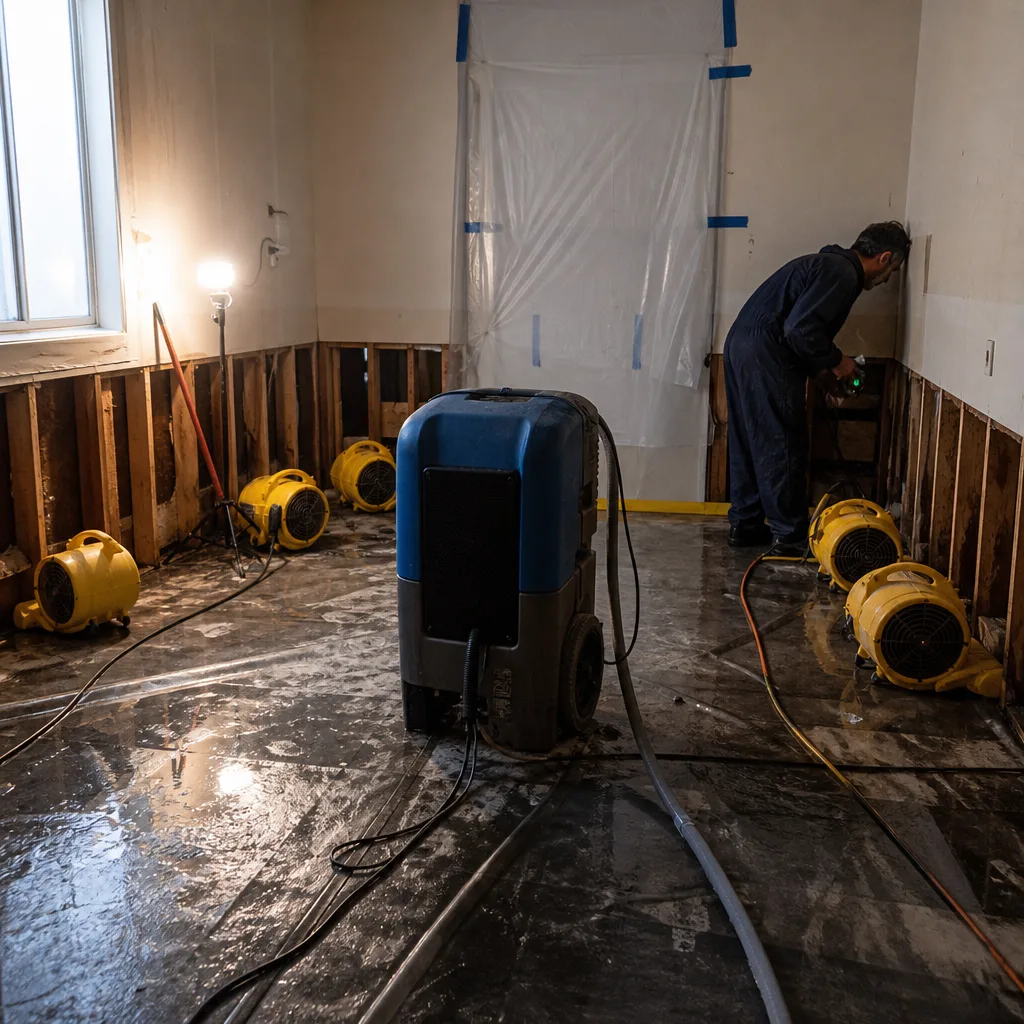
Mold Removal
Removal in Maltby means containment, negative air pressure, and HEPA filtration before any material is disturbed. We don’t scrape visible mold and call it done. Our crews remove contaminated drywall, insulation, and structural materials per IICRC S520 standards, then clean and treat remaining surfaces with antimicrobial agents. The goal is pre-loss condition, verified by post-remediation testing. For homes off Maltby Road and throughout the rural residential parcels, we also coordinate debris staging with Snohomish County’s critical areas ordinance - wetland-buffer properties have restricted zones where equipment and removed materials can’t sit.
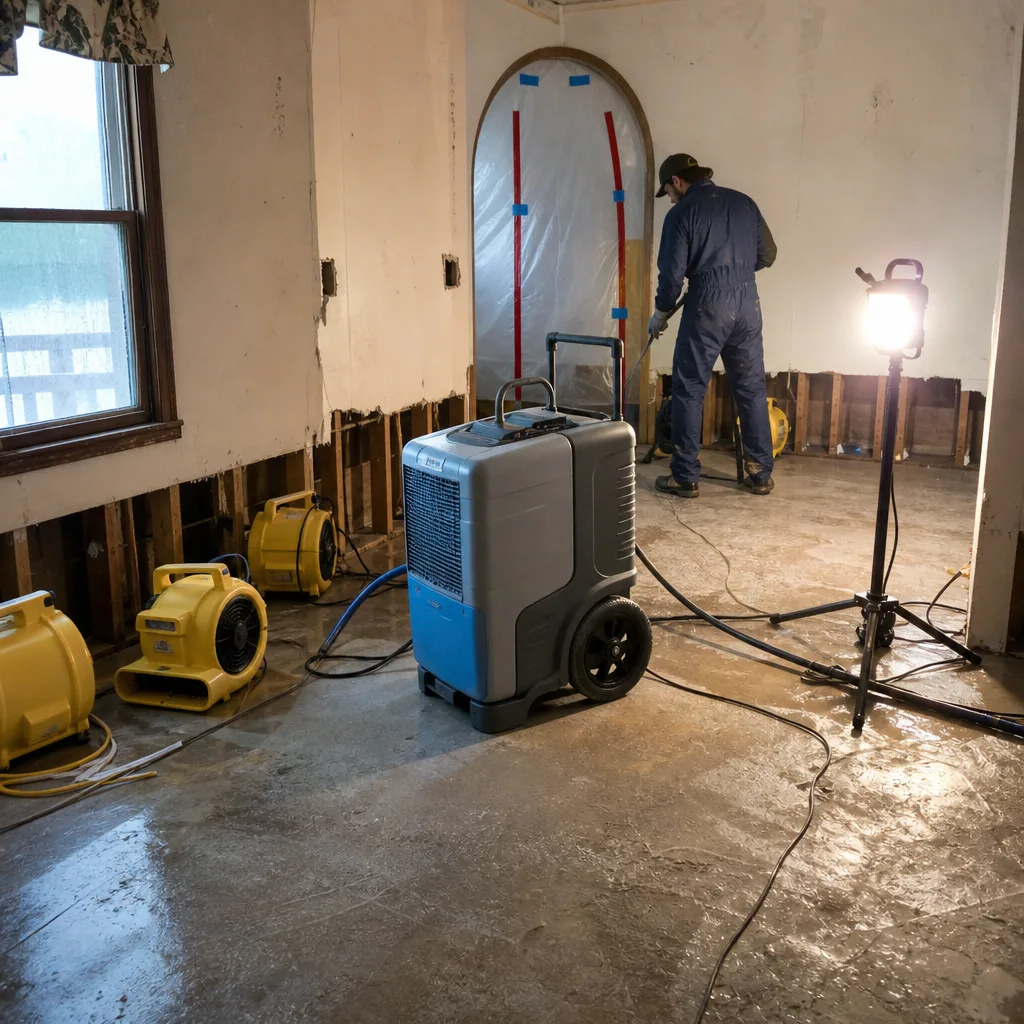
Black Mold Remediation
Stachybotrys chartarum and other toxigenic molds require the same containment protocol plus specialized handling of contaminated materials. In Maltby’s older homes with chronic crawl-space moisture, we often find these species established in cellulose-rich environments - paper-faced drywall, wood framing, deteriorated insulation. We treat it as a Category 2 or 3 water loss from the start, which changes what can be dried and what must be removed. No guesswork. The classification is documented, the reasoning is in your file, and the adjuster sees why we made the call.
Air Quality Restoration
After physical removal, we restore breathable air through HEPA air scrubbing, duct cleaning where contamination has entered the HVAC system, and verification sampling. Maltby’s tight, energy-efficient homes from the 1990s and 2000s can trap particulates; our air scrubbers run on XPOWER and B-Air units rated for medical-grade filtration. Post-remediation air samples confirm spore counts at or below outdoor baseline before we sign off.
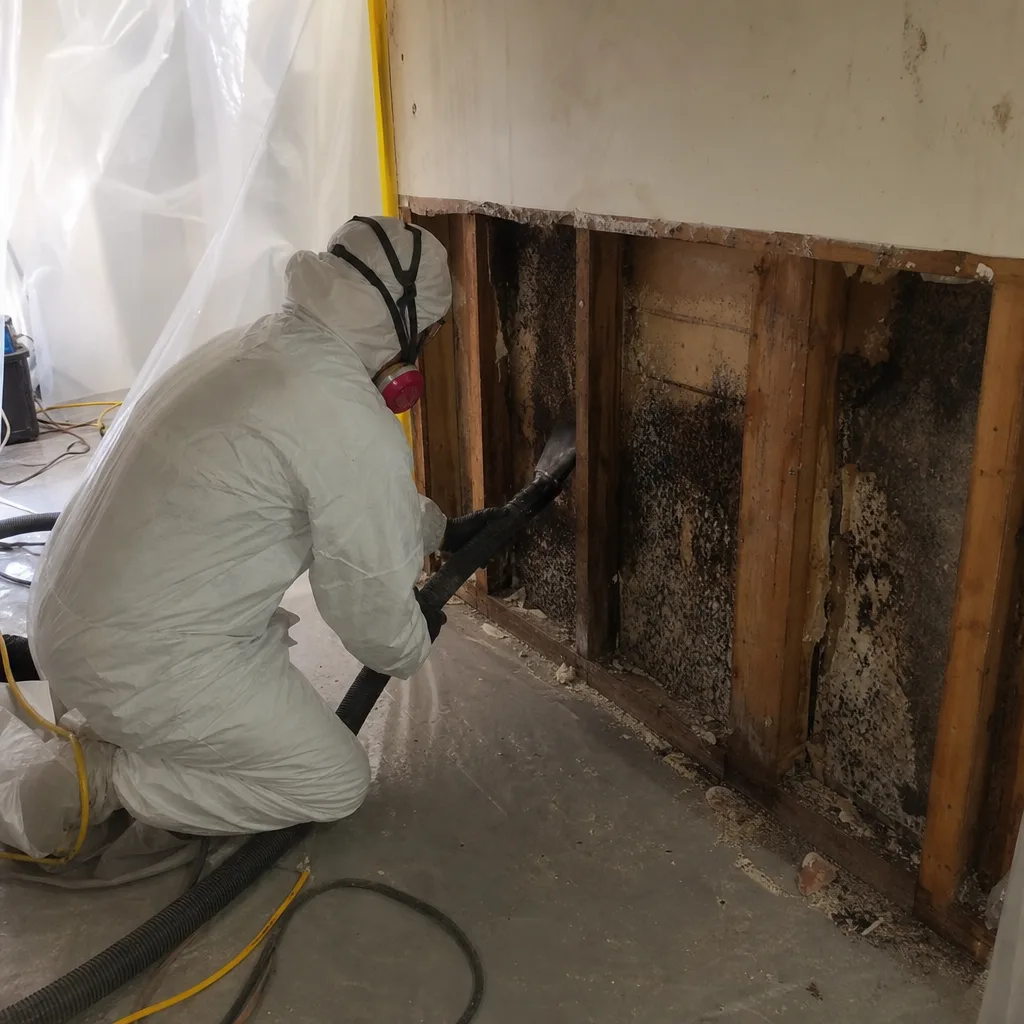
Crawl Space Treatment
This is where Maltby’s mold story usually starts. Vented crawl spaces in 1970s-through-1990s ramblers were built for a drier climate than the Cascade foothills deliver. We treat chronic mold in crawl spaces with a full protocol: moisture barrier installation, dehumidification with commercial-grade units, structural drying with Injectidry systems, and encapsulation where the homeowner wants long-term humidity control. Every step is photo-documented. The drying log shows vapor pressure differential dropping to acceptable range - typically below 60% RH sustained - before we close the job.
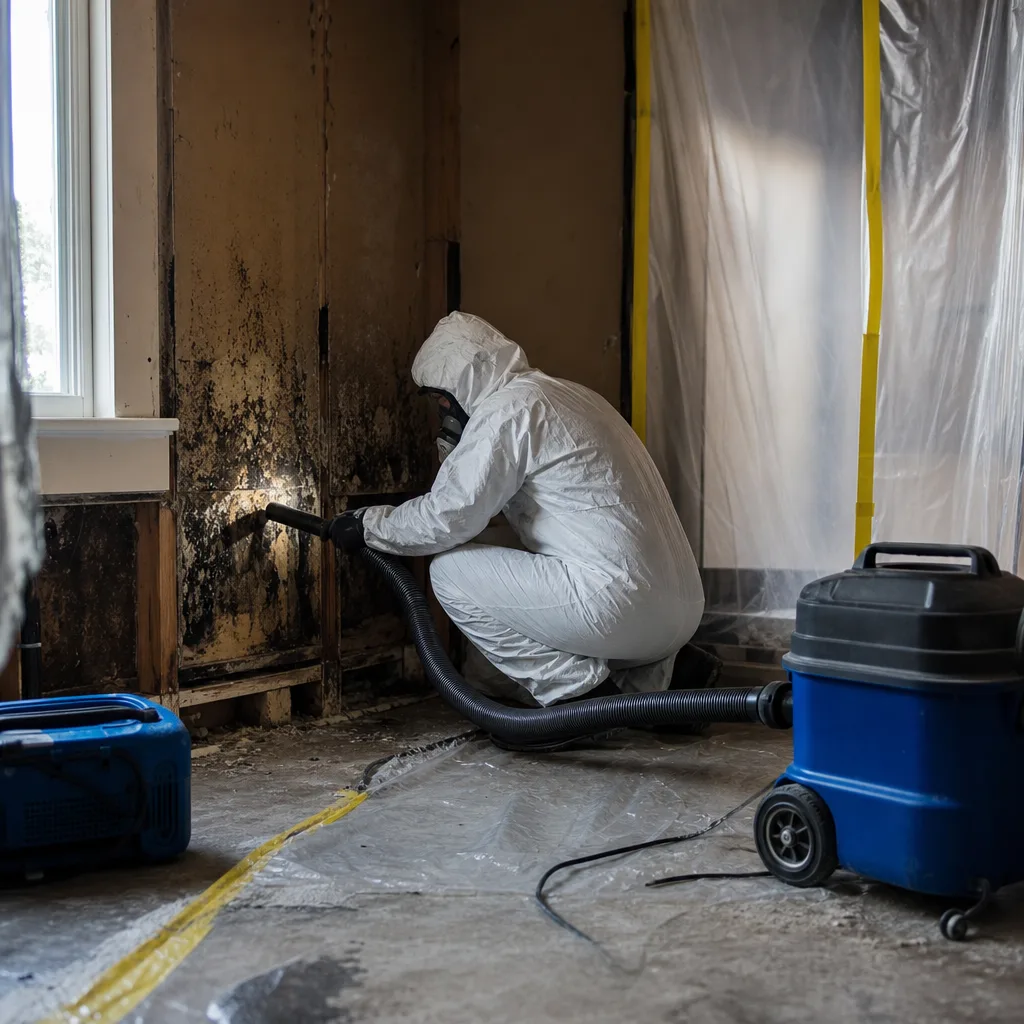
Moisture & Humidity Control
Remediation without humidity control is temporary in Maltby. We install and monitor permanent dehumidification solutions, sized to the cubic volume of your crawl space or affected area, with hygrometer data logged to our system. The 365-Day Done Right Promise applies: if mold re-establishes because our humidity control failed, we return and correct it. That’s a written guarantee under The Haven Standard, not a verbal assurance that evaporates when you hang up.
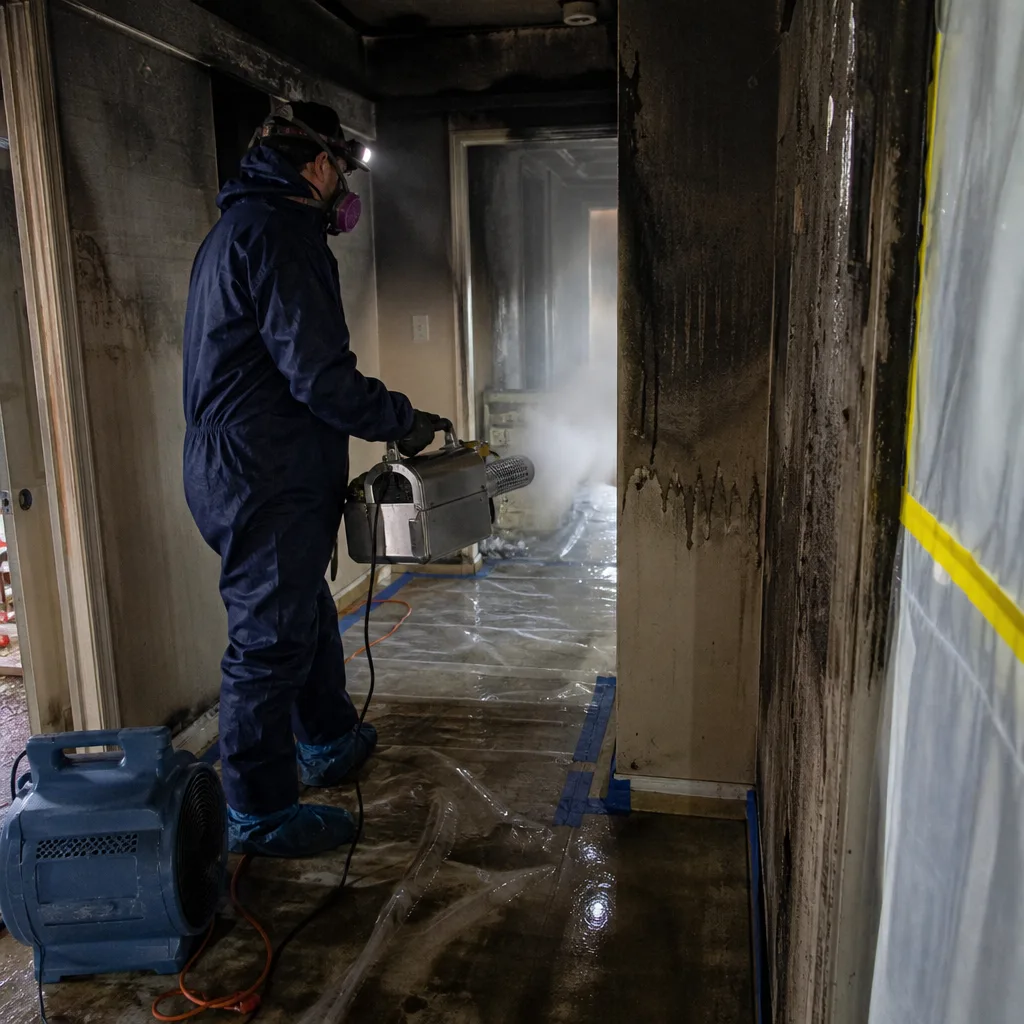
What happens when you call
- 1
A real person answersNo phone trees - you reach a local pro.
- 2
You get an upfront price rangeHonest numbers before anyone is dispatched.
- 3
A background-checked tech heads outLicensed & insured, dispatched right away.
- 4
You approve before work beginsNothing starts until you say go.
BeforeAfterTrusted Equipment & Standards We Deploy in Maltby
Our crews arrive with professional-grade drying systems from Dri-Eaz, Phoenix, XPOWER, B-Air, and Injectidry - equipment specified to IICRC, RIA, and IFA documentation standards. We don’t rent consumer dehumidifiers from a hardware store and hope. For Maltby’s sustained high-humidity environment, we size equipment to the vapor load, not the square footage alone. A crawl space fighting 80% ambient RH needs more drying capacity than the same dimensions in a drier climate. We calculate that. We document the calculation. And we stock common replacement components locally so a failed fan or dehu doesn’t add days to your timeline.
Common Mold Remediation Problems We See in Maltby Homes
- Contractors treat wind-breach leaks as surface mold and skip structural drying. A branch punches through your roof during a November storm, water runs down the wall cavity into the vented crawl space, and someone wipes the visible mold off the drywall without drying the subfloor assembly. In Maltby, where ambient RH holds above 80% for weeks, that mold returns within 30 days. We moisture-map the full assembly and don’t close until the readings support it.
- Storm-driven rain intrusion gets misclassified as Category 1 water. Water that enters through a roof breach and contacts soil, crawl debris, or deteriorated insulation in a Maltby crawl space is Category 2 at minimum, often Category 3. That classification changes what materials can be dried in place versus removed. We document the classification with photos and reasoning, so your adjuster understands the scope.
- Equipment staging ignores Snohomish County critical areas ordinance restrictions. Many Maltby parcels fall under wetland-buffer designations. A crew that parks a debris box or runs a generator in the wrong corner of a rural lot can trigger a county compliance stop mid-job. We map the property boundaries and buffer margins before setup, and we coordinate with county permitting when needed.
- Well and septic systems complicate sewage-backup restoration. Maltby properties outside municipal sewer service require coordination with Snohomish County Health District for any sewage-contaminated water loss. Our documentation includes health-permit compliance, not just the drying log.
Pricing for Mold Remediation in Maltby, WA
| Service | Typical Range in Maltby |
|---|---|
| Mold inspection & testing | $350-$650 |
| Localized mold removal (single room/cavity) | $1,200-$2,800 |
| Crawl space mold remediation | $2,500-$5,500 |
| Full-structure treatment with air quality restoration | $6,000-$12,000 |
| Black mold / toxigenic species protocol | Add 25-40% to base remediation |
| Moisture barrier & humidity control installation | $1,800-$4,200 |
What moves you within these ranges: square footage of affected area, material type (drywall versus structural wood), whether the water source is still active, and whether contamination has entered the HVAC system. Every Maltby job gets a written price before work starts - Haven Standard, Clause 1 - with no scope-creep additions once our crew is inside. Bring a competitor’s written estimate and we’ll review it free. Call (360) 822-3055 for your fixed-price scope.
We Also Serve Cities Near Maltby
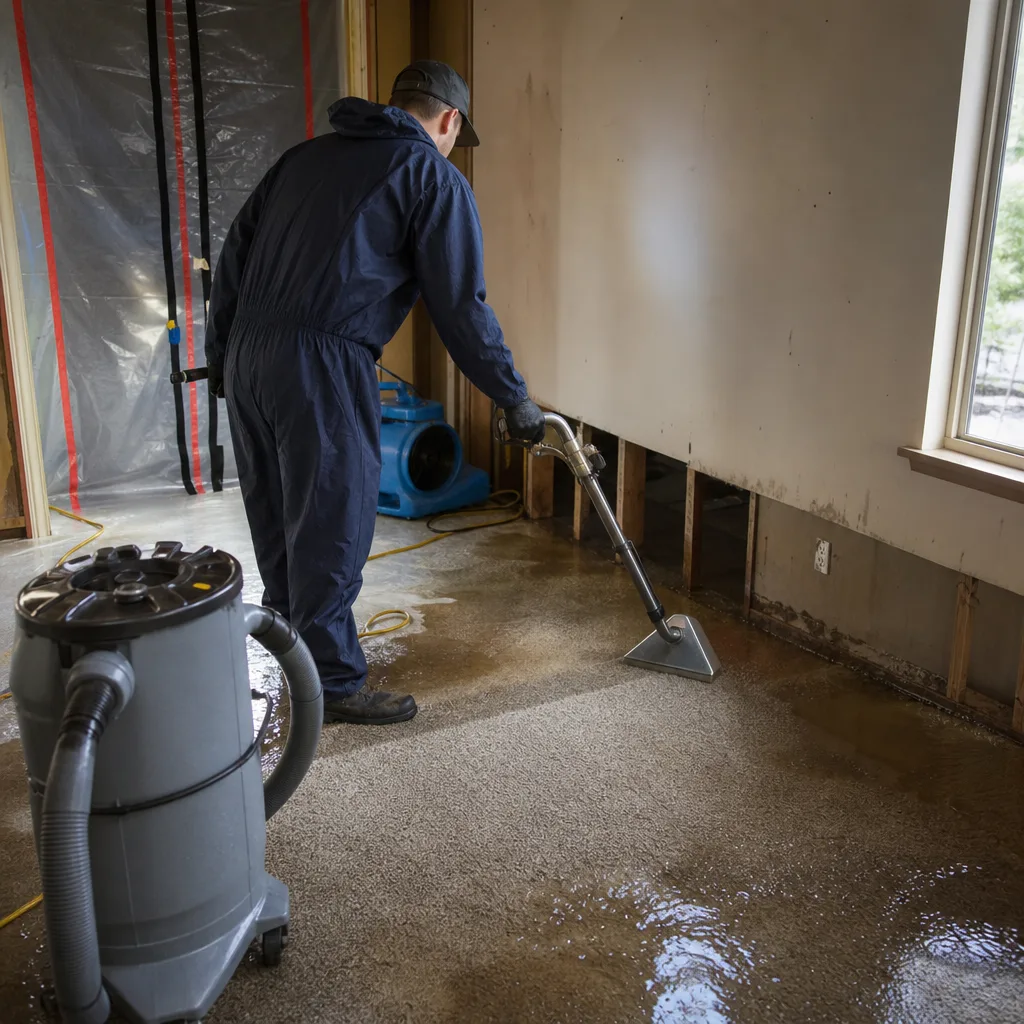
Our Maltby crews also respond to mold remediation calls in Marysville, Everett, Lake Stevens, and Snohomish. Dispatch is coordinated from our Seattle office, with local crews serving each community. If you’re in a neighboring city and found this page, the same documentation standards and written-price guarantee apply.
Serving Maltby, WA - Our Local Coverage Area
We’re based in the Maltby area and know this community well. Use the map below to see our service coverage - if you’re nearby, we can almost certainly help.
FAQs - Mold Remediation in Maltby
Mold can establish visible colonies within 24-48 hours of a water intrusion event in Maltby, where ambient humidity often stays above 80% RH and temperatures in wall cavities remain in the mold-growth range year-round. After a February atmospheric river punched a branch through the roof of a 1980s rambler off the Maltby Road corridor, the homeowner called us when a musty smell spread from the crawl space into the living room. Our tech ran moisture mapping with a Dri-Eaz and Phoenix setup, found elevated moisture readings across the subfloor and vented crawl, and pulled saturated insulation before applying antimicrobial treatment and containing the affected cavity. We logged drying data, coordinated placement around the property’s wetland buffer margin, and brought the assembly back to pre-loss condition. Call (360) 822-3055 - we can be on-site within 90 minutes for active breaches.
Vented crawl spaces in Maltby’s 1970s-through-mid-2000s housing stock were designed for vapor control standards that don’t match the Cascade foothills’ 55-plus inches of annual rainfall and sustained high humidity. Ambient RH above 80% for weeks at a time keeps wood moisture content above the 20% threshold where mold thrives, even without a liquid water event. We treat this with moisture barrier installation, commercial dehumidification, and encapsulation where appropriate - documented to IICRC standards with daily drying logs. Call (360) 822-3055 for a crawl-space moisture assessment.
Yes, if your parcel includes or borders a wetland buffer. The ordinance restricts where drying equipment, debris containers, and staging areas can be placed, and non-compliance can trigger a county stop-work order mid-remediation. We map buffer boundaries before setup and coordinate with Snohomish County permitting when needed. This is standard on our Mold Remediation jobs in Maltby’s rural residential areas, not an add-on service. Call (360) 822-3055 and we’ll verify your property’s critical-areas status during the initial inspection.
Storm intrusion that contacts soil, crawl debris, or deteriorated insulation in a Maltby crawl space is classified as Category 2 (gray water) at minimum, and Category 3 (black water) if sewage or significant organic contamination is present. This classification is not negotiable based on how “clean” the rainwater looked when it entered - once it contacts those materials, the contamination level changes what can be dried in place versus removed. We document the classification with photos and reasoning for your adjuster. Call (360) 822-3055 if you’ve had storm intrusion and need a documented assessment.
Yes. Many Maltby properties operate on well and septic rather than municipal utilities, which means any sewage-backup or Category 3 water loss requires coordination with Snohomish County Health District for proper disposal and permitting. Our crews are familiar with these requirements and include health-permit compliance in the job documentation. The work itself - containment, removal, drying, treatment - follows the same IICRC standards as municipal-served properties. Call (360) 822-3055 for a written scope that addresses your specific system.
Ready to stop mold from spreading through your Maltby home? Call (360) 822-3055 now. A live person will answer, schedule your free inspection, and deliver a written price before any work begins - guaranteed under Haven Standard, Clause 1. Every job carries our 365-Day Done Right Promise and a documented photo record you can hand to your adjuster with confidence.
Written by Alicia Brennan, Owner at Back to Dry Restoration, serving Maltby since 2011.