
Free visual inspection and a written scope of work before any mitigation begins - photos, moisture readings, and drying logs go in your claim file
The scope we write is the scope we bill. Anything new gets shown to you, in writing, before we touch it.
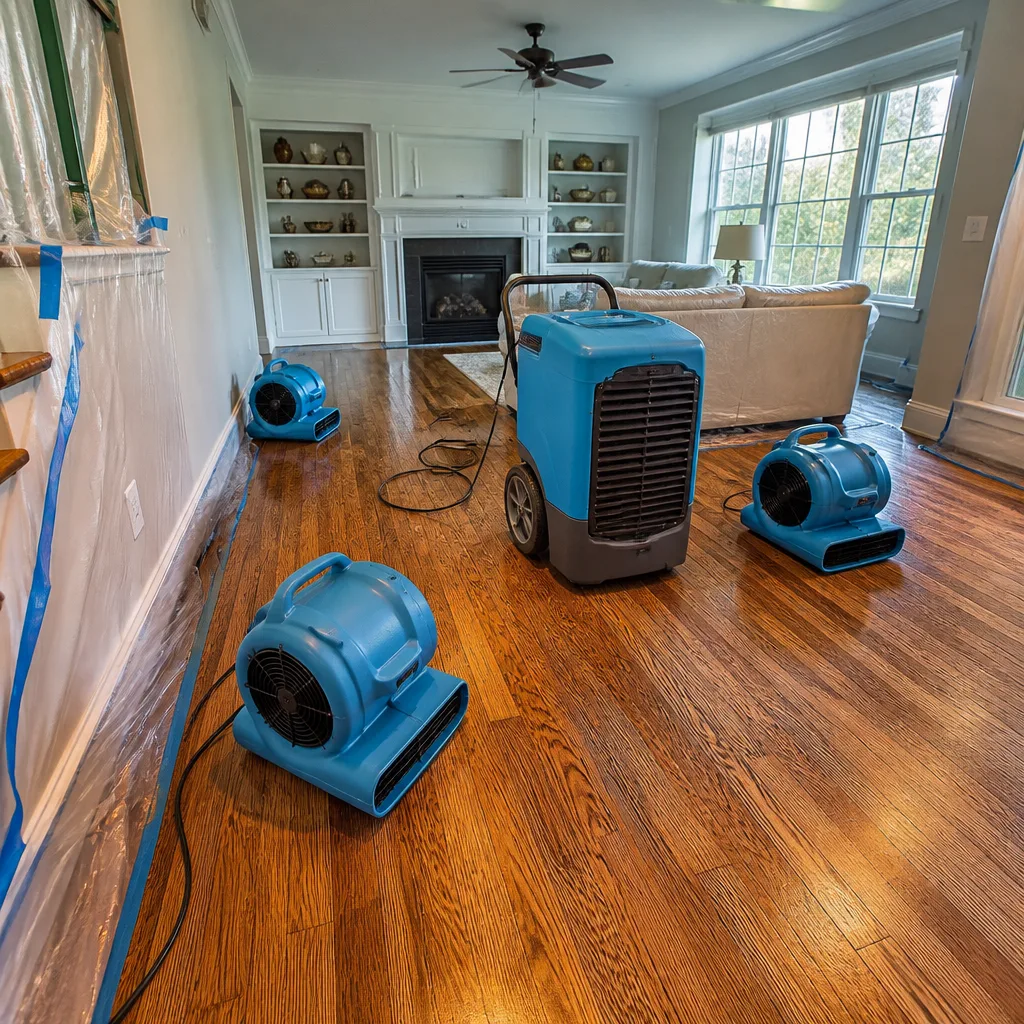
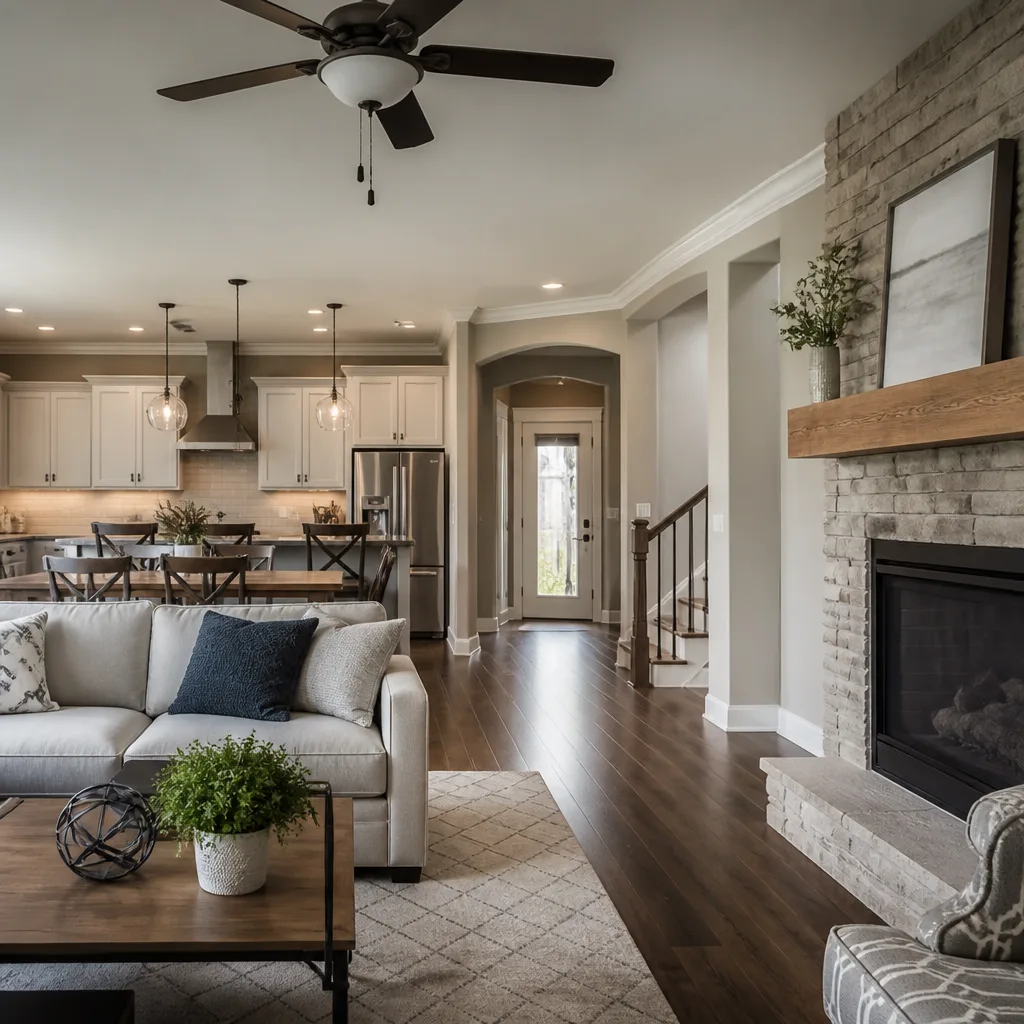
 Before
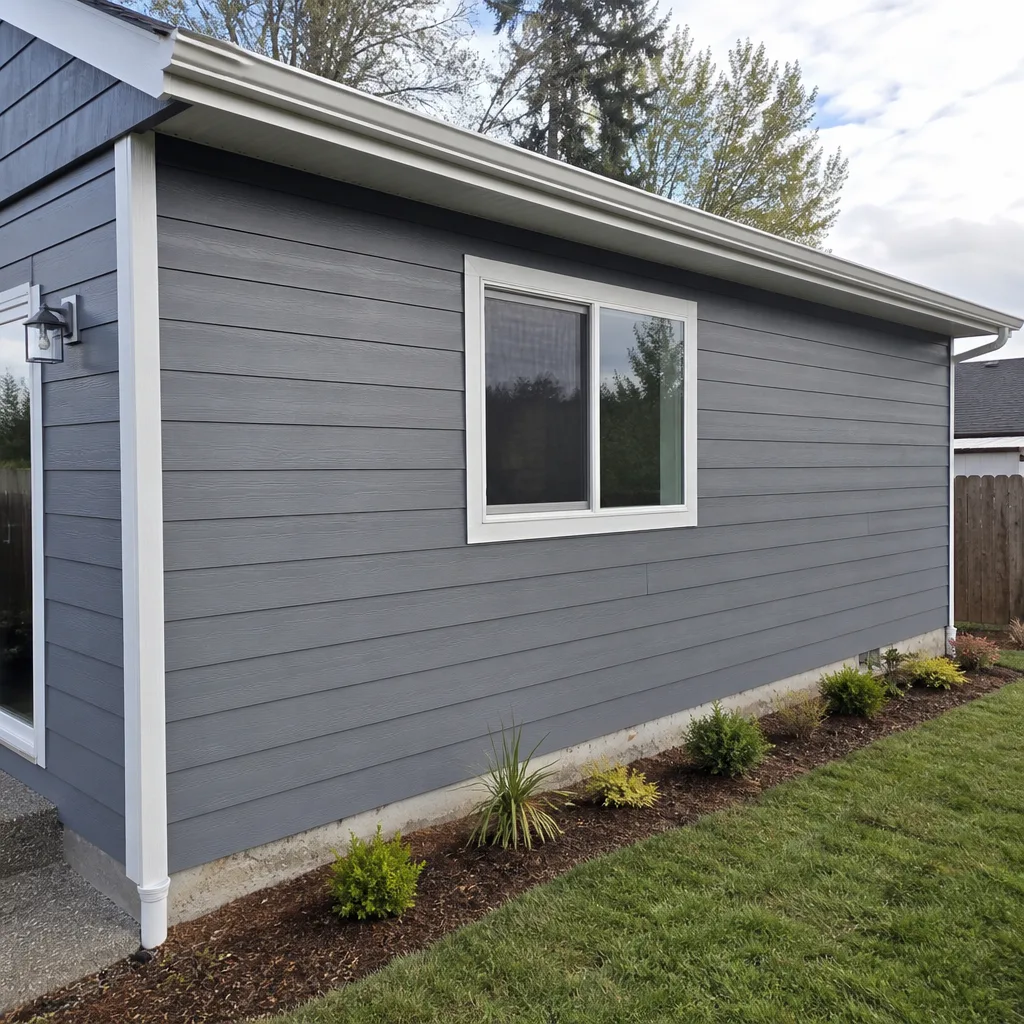 After
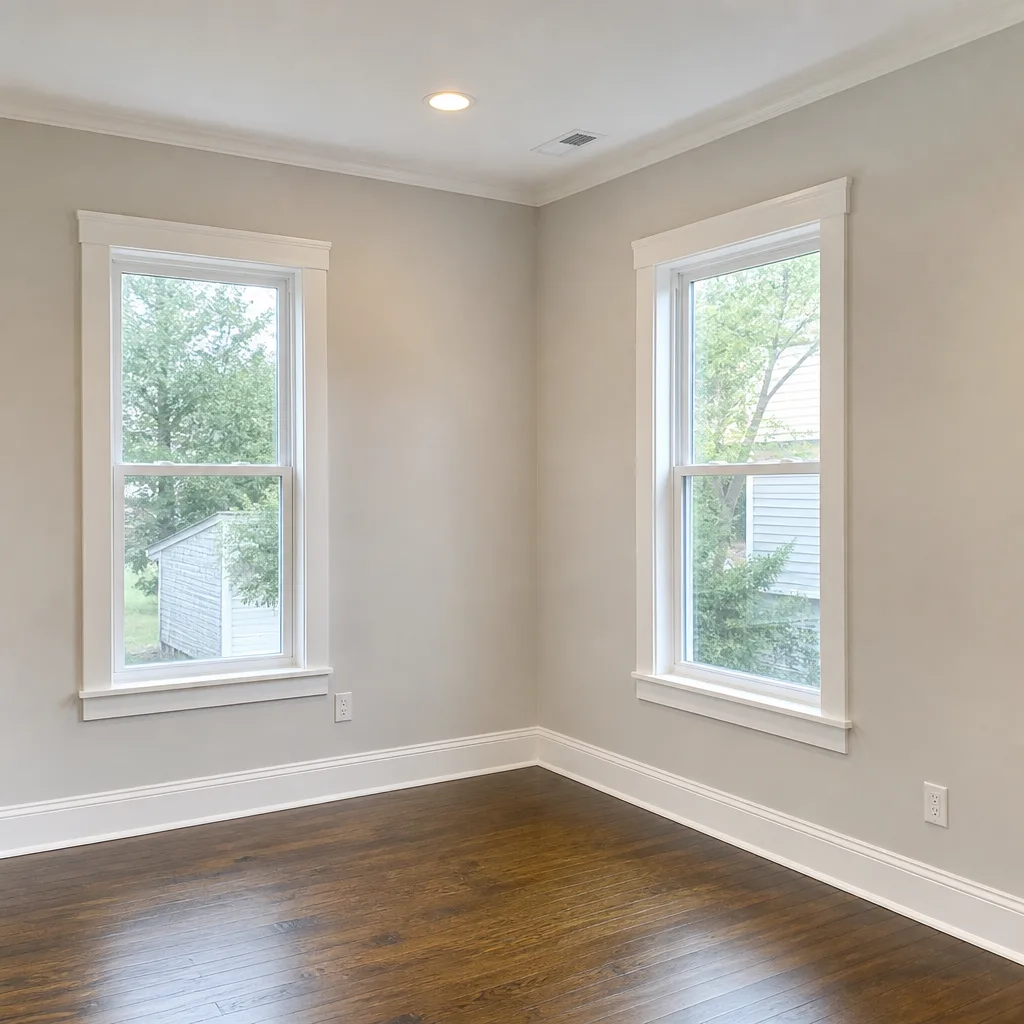
After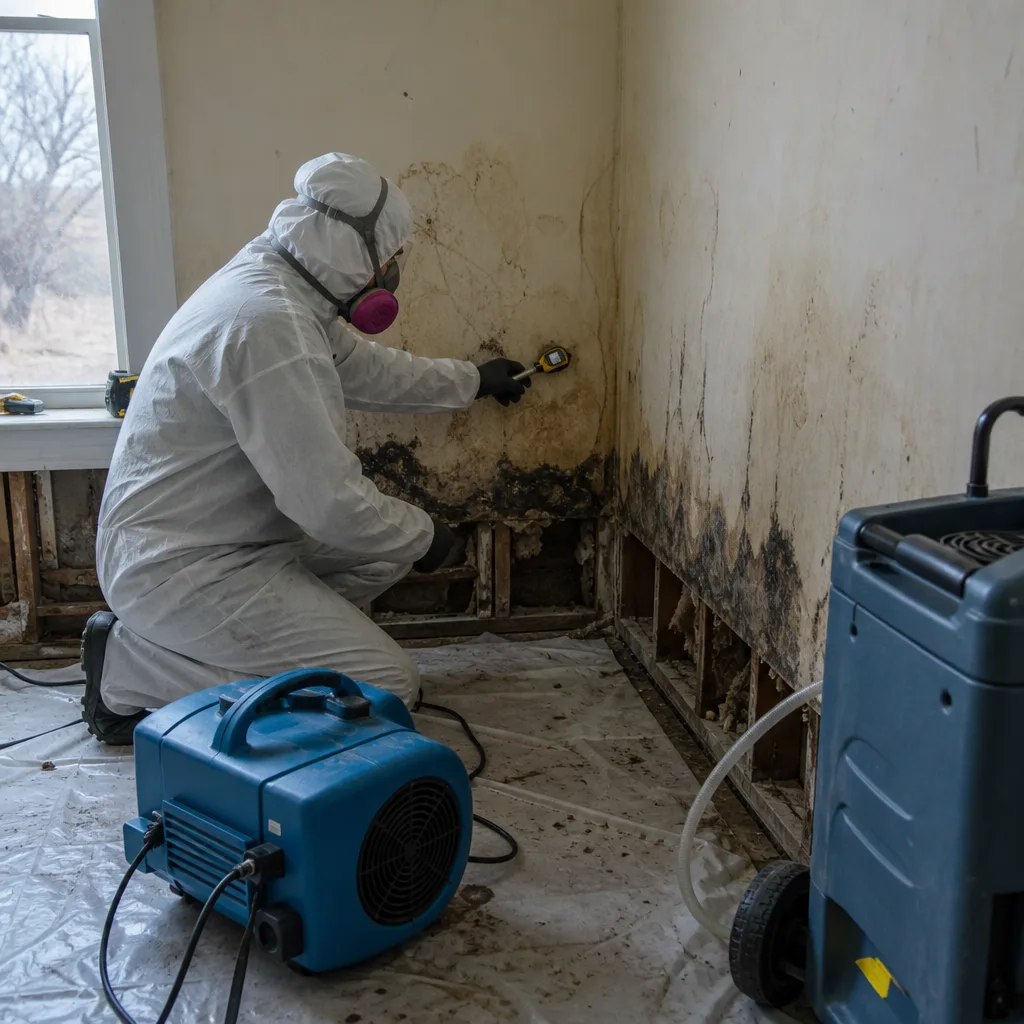 Before
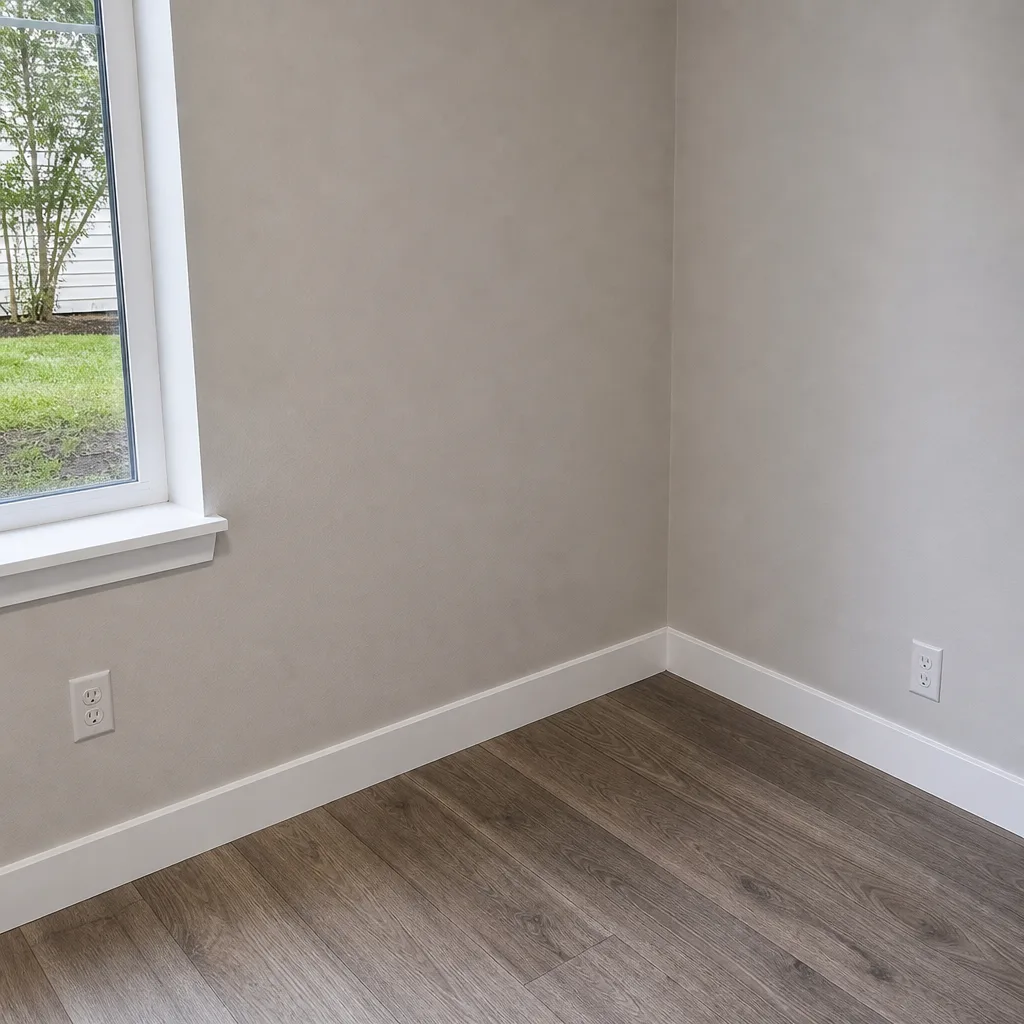 After
After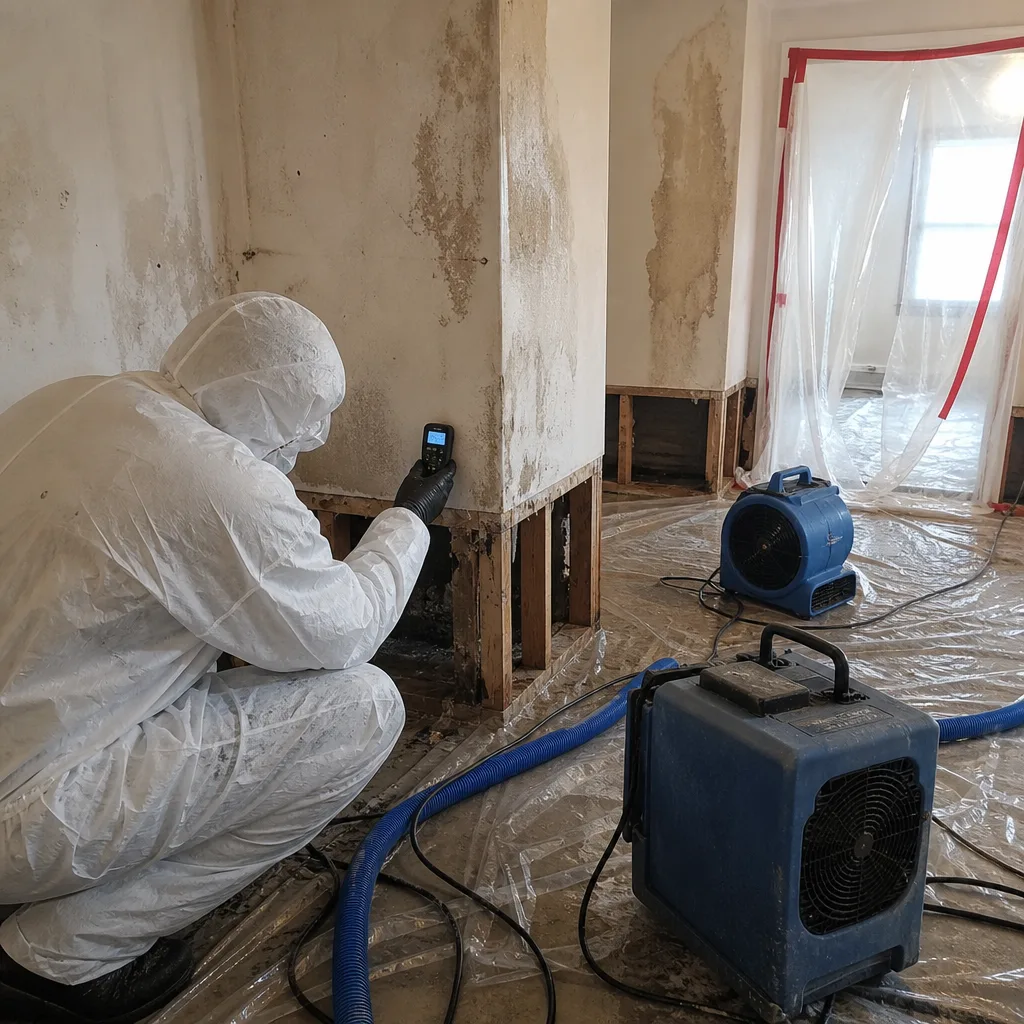 Before
 After
AfterFast, Reliable Mold Remediation Across Snohomish
Mold remediation in Snohomish typically runs $1,800-$6,500 depending on affected square footage, material type, and whether the property sits in FEMA Zone AE, where flood-elevation rules can reshape the entire scope. Our crews respond to Snohomish calls with containment, HEPA filtration, and moisture-mapping equipment loaded, and we arrive with a written price before any work starts - Haven Standard, Clause 1. Call (360) 822-3055; estimates are free.
We’ve worked the pier-and-beam crawl spaces under historic Victorians near Avenue D, the slab-on-grade ranches off Maple Avenue, and the newer wood-frame subdivisions on the higher ground east of town. Snohomish’s river valley geography and its concentration of pre-1920s housing stock create mold conditions that don’t match what you’ll find in Monroe or Everett. The old-growth fir framing wicks moisture differently than modern dimensional lumber. Lath-and-plaster walls dry on a slower curve than drywall. And if your home sits in the Special Flood Hazard Zone, a standard remediation quote can miss the permit threshold that converts your job into a full elevation project.
Dispatch and scheduling for Snohomish are coordinated from our Seattle office, but the crews that arrive at your door are the same technicians who’ve dried crawl spaces along the Snohomish River corridor for years. They know the difference between a routine Category 1 dry-out and a Zone AE job that needs pre-submittal to the city building department before demolition begins.
Why DryMark Restoration Marysville Is Snohomish’s Preferred Mold Remediation Company
Our reputation in Snohomish is built on documentation, not slogans. Homeowners here research before they call - they read the three-star reviews, they check whether a contractor’s “warranty” is a signed document or a verbal promise, and they want to know what happens when an adjuster asks for proof that the mold was actually removed. We answer with photo records on every visit, daily moisture logs, and a written 365-Day Done Right Promise under The Haven Standard.
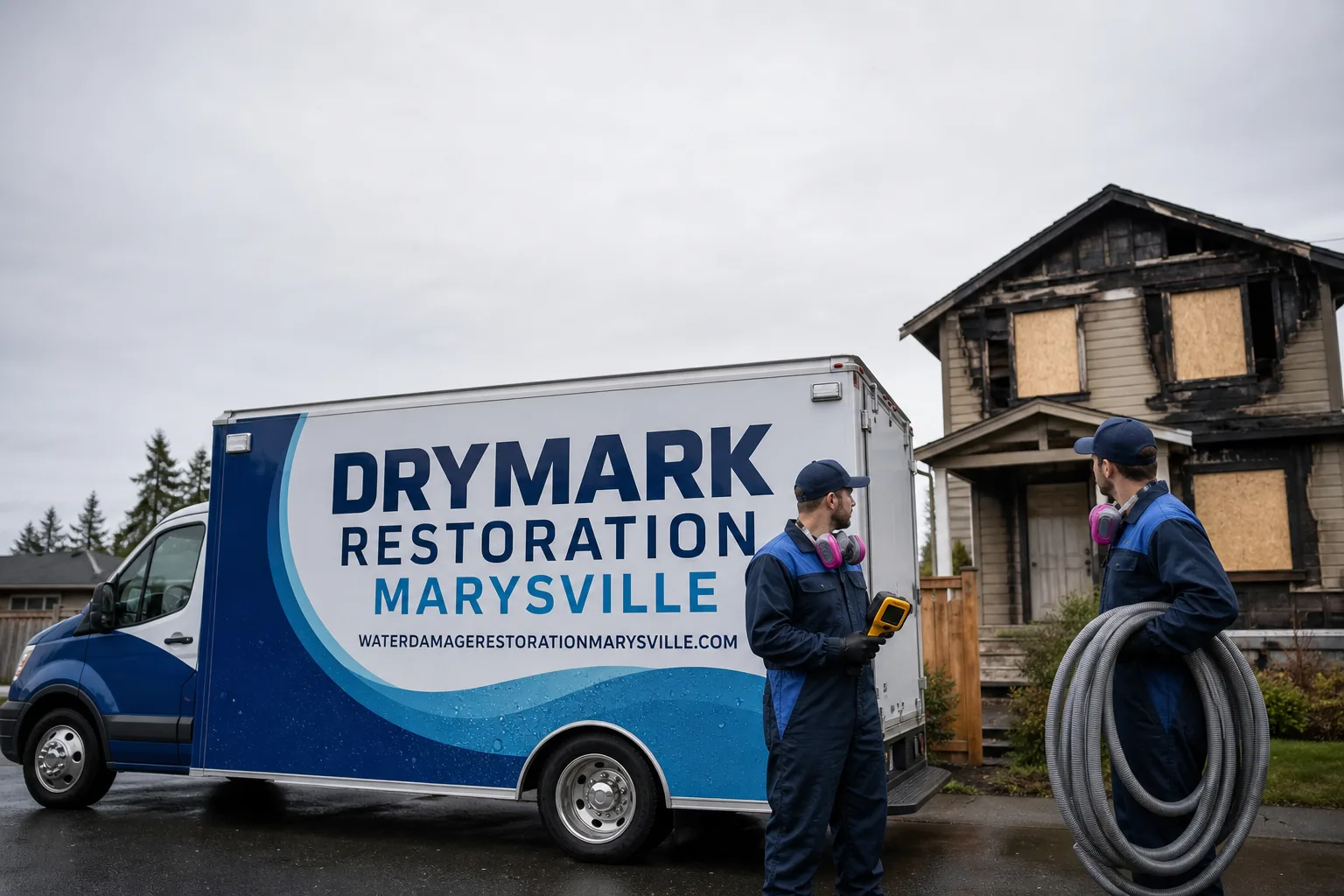
Response time to Snohomish averages under 90 minutes for active water-intrusion calls, though we never promise speed on reconstruction or full remediation scoping - those jobs require a written scope, a written price, and your signature before work begins. Our technicians are background-checked, uniformed, and licensed; their license numbers are provided on request, and they arrive with named credentials, not a rotating subcontractor pool.
We understand Snohomish’s specific regulatory terrain. The historic district’s Zone AE classification means we’ve learned to flag the Substantial Improvement rule before we set a single air mover. That local knowledge saves homeowners from mid-project surprises that can add tens of thousands to a job that started as a simple crawl-space treatment.
Our Mold Remediation Services in Snohomish
Mold Inspection & Testing
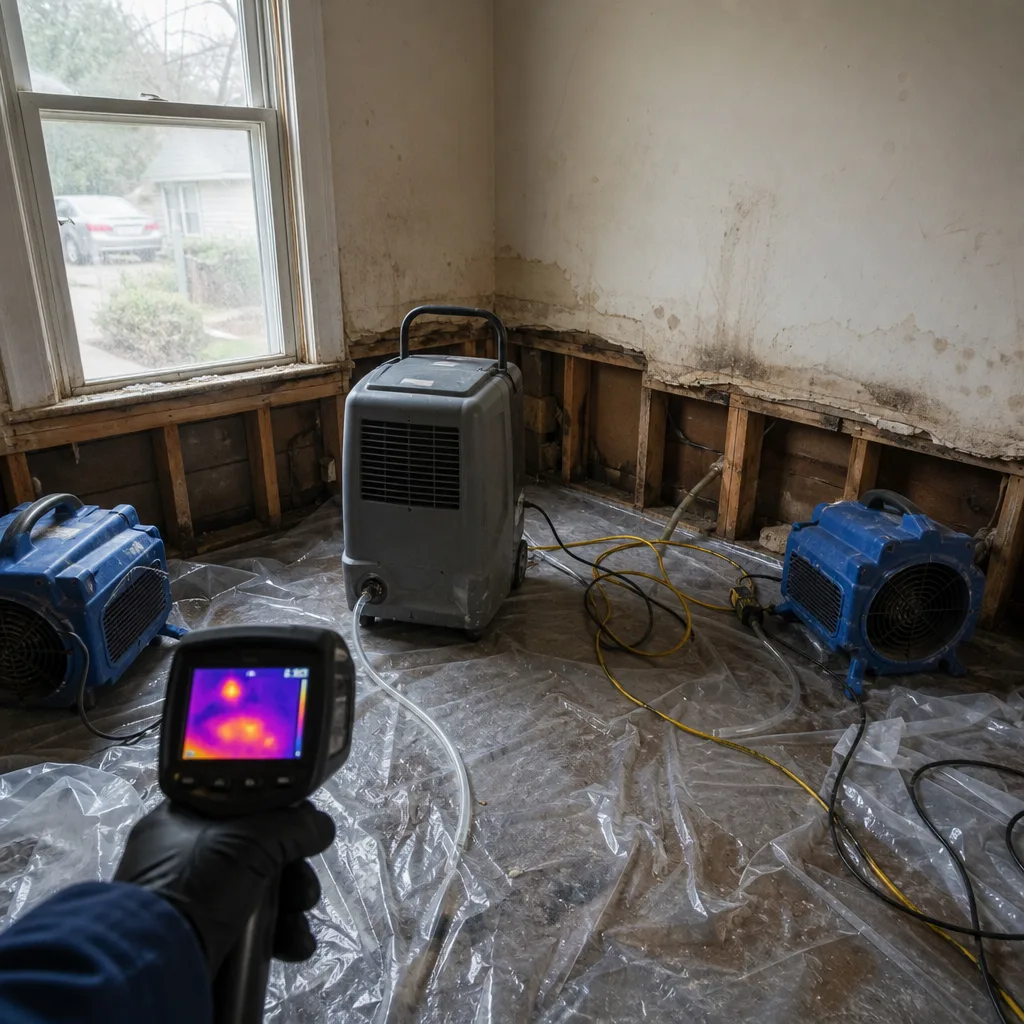
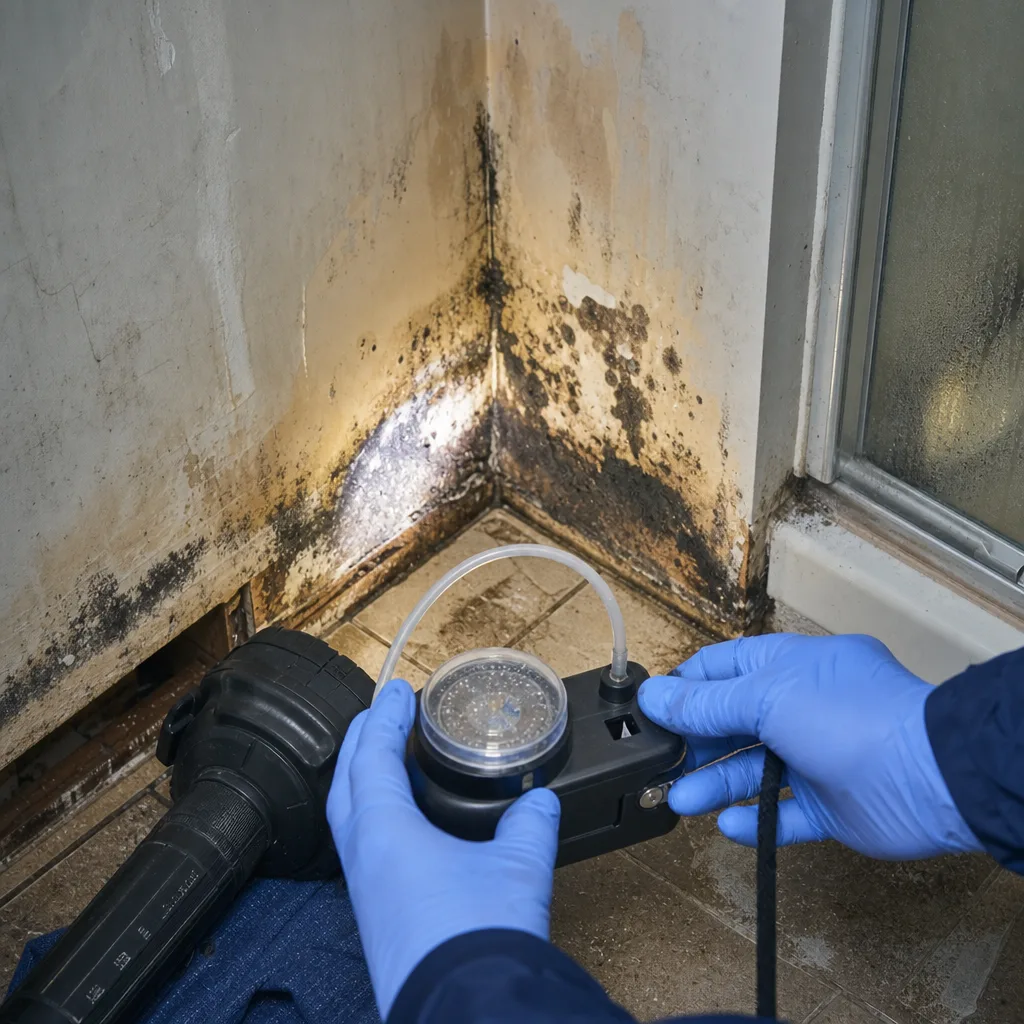
Every Snohomish inspection begins with moisture mapping, not guesswork. We use Dri-Eaz and Phoenix meters to record wood moisture content in the old-growth fir joists common to historic-district crawl spaces, and we take psychrometric readings - temperature, relative humidity, and vapor pressure differential - to determine whether ambient conditions support hidden colonization behind lath-and-plaster walls. Air and surface samples are sent to an independent lab; we don’t perform our own testing to avoid the conflict of interest that comes from a contractor diagnosing a problem they then profit to fix. In Snohomish’s persistently damp river valley, we regularly find readings above 20% MC in crawl spaces that look “dry” to the eye, particularly in homes near First Street and the riverfront where the water table sits shallow.
Mold Removal
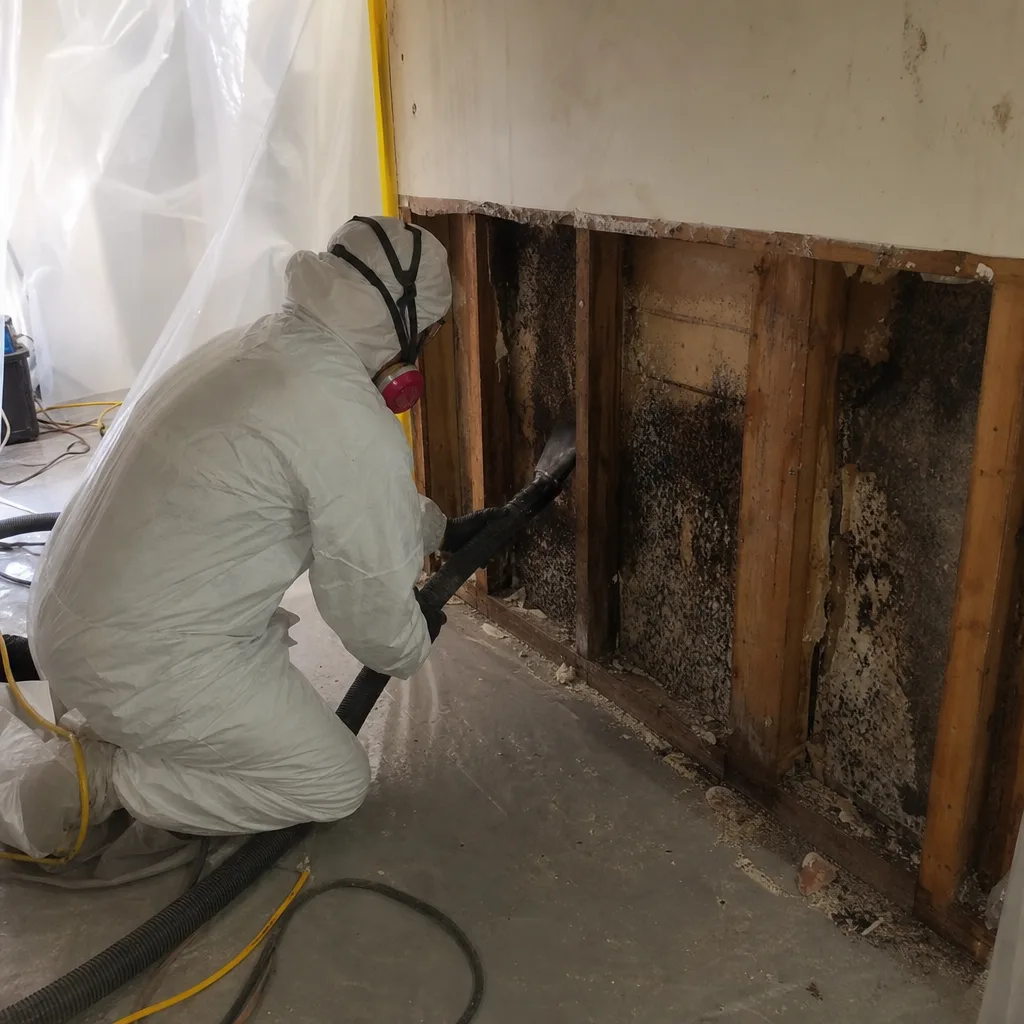
Removal in Snohomish follows IICRC S520 standards, but the execution varies sharply by housing era. In 1980s-2000s tract homes on the east side, we may remove contaminated drywall and fiberglass insulation with standard containment and negative air pressure. In the historic district, removal from lath-and-plaster walls requires slower, controlled demolition to preserve salvageable plaster coats and avoid converting a remediation job into a full reconstruction scope. We document every square foot of removed material with photos, and we provide that record to you and your adjuster as a standard deliverable - never an upsell. Our Mold Remediation team has handled removals from over 200 Snohomish County properties since 2011, every one with a written price agreed before demolition started.
Black Mold Remediation
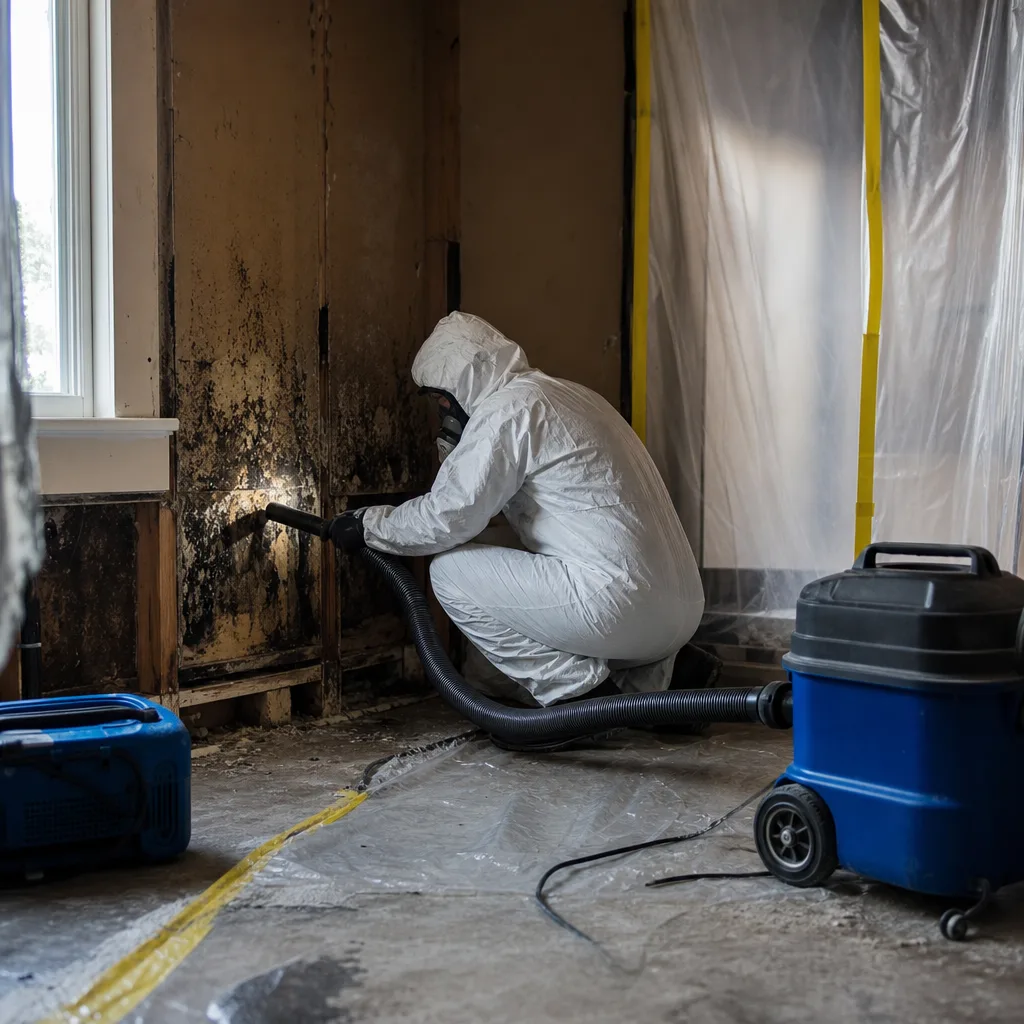
Stachybotrys and other toxigenic species in Snohomish are almost always tied to chronic moisture, not sudden floods. We see them in crawl spaces where vapor barriers failed years ago, in basements with compromised foundation waterproofing, and in wall cavities where gutter overflow from the heavy Cascade rainfall wicks through siding and sheathing. Remediation requires full containment, HEPA-negative air machines, and antimicrobial application timed to the substrate’s drying curve. On old-growth fir, that curve is slower than modern materials - rushing it with high-temperature air movement case-hardens the surface and traps moisture deeper in the grain. We log daily readings until the wood returns to pre-loss equilibrium moisture content, typically 10-12% for Snohomish’s climate.
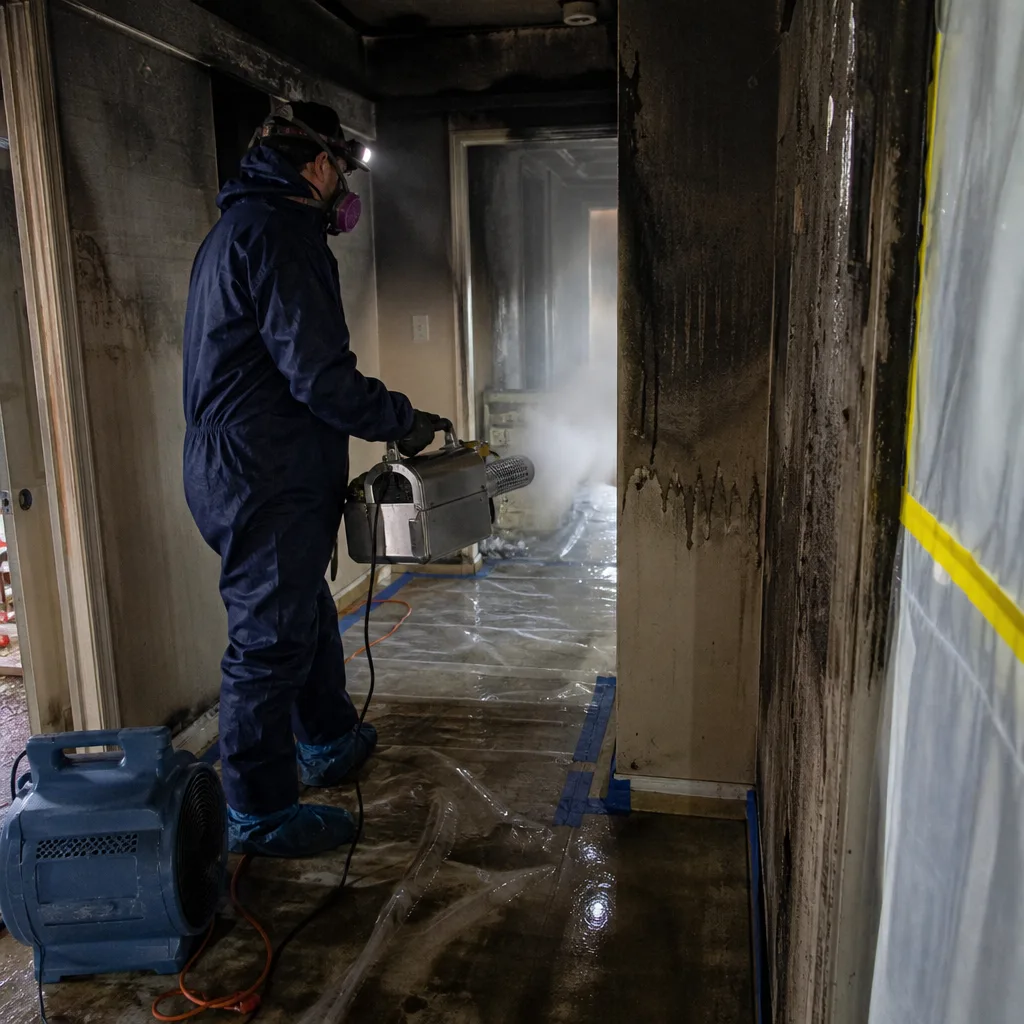
Air Quality Restoration
After removal, we don’t declare the job done when the mold is gone. Air quality restoration in Snohomish means HEPA filtration running until airborne spore counts drop below outdoor baseline levels, verified by independent post-remediation verification (PRV) testing. We also address the humidity source: in river valley homes, that often means installing or repairing crawl-space vapor barriers, sealing foundation vents against soil gas and moisture intrusion, and sizing dehumidification to the specific cubic footage and air leakage rate of your crawl space or basement. Without this step, saturated Snohomish River valley soils wick moisture back into fir framing within a single season.
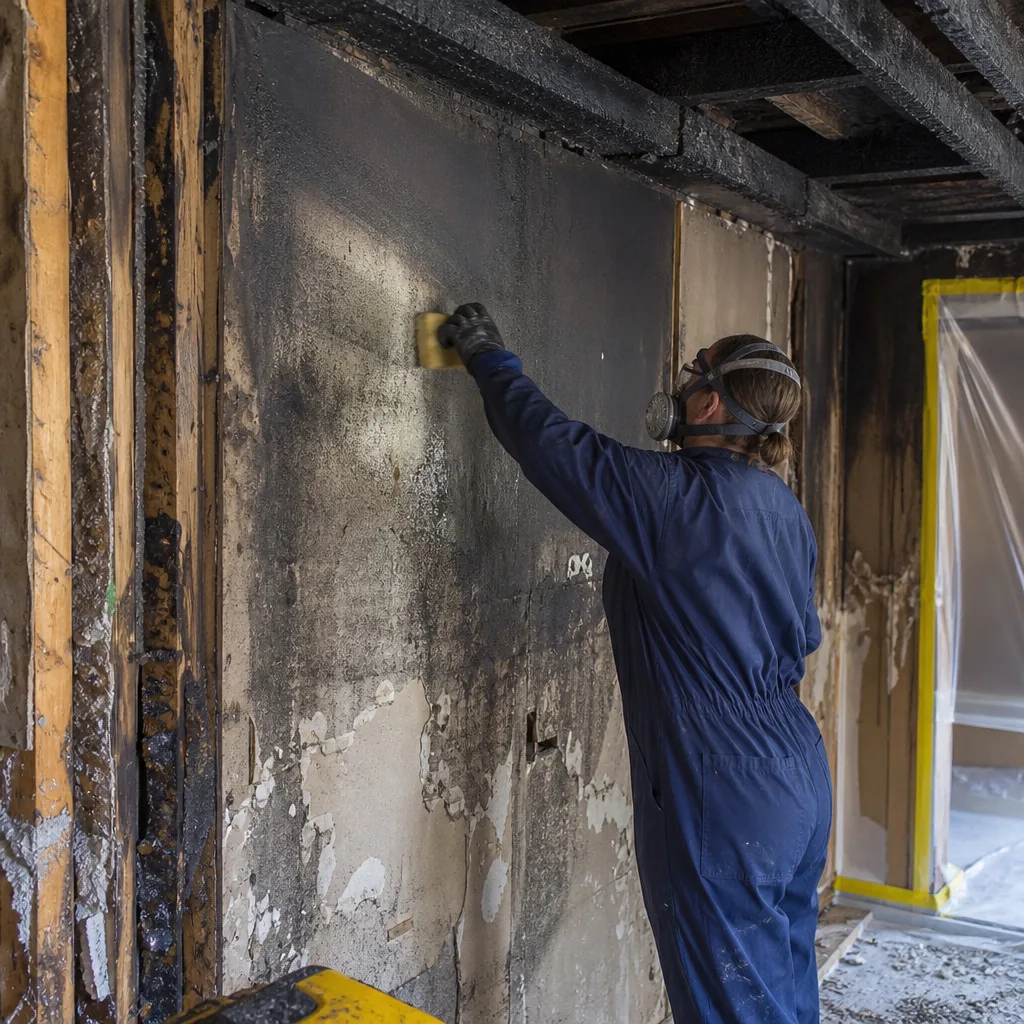
Crawl Space Treatment
Crawl space treatment is our most called-for service in Snohomish, and for clear reason. The pier-and-beam foundations under historic homes create open, ventilated cavities that pull in cool, moisture-laden air from the river valley; modern tract homes often have sealed or poorly ventilated crawl spaces that trap humidity from soil evaporation. We treat both, but the protocols differ. Historic homes may need structural drying with Injectidry panel systems behind plaster walls, plus sub-floor dehumidification. Newer homes often need vapor barrier installation, vent sealing, and active dehumidification. In either case, we check Zone AE status before quoting - a step that protects you from the scope surprise that turns a $4,000 crawl-space job into a $40,000 elevation project.
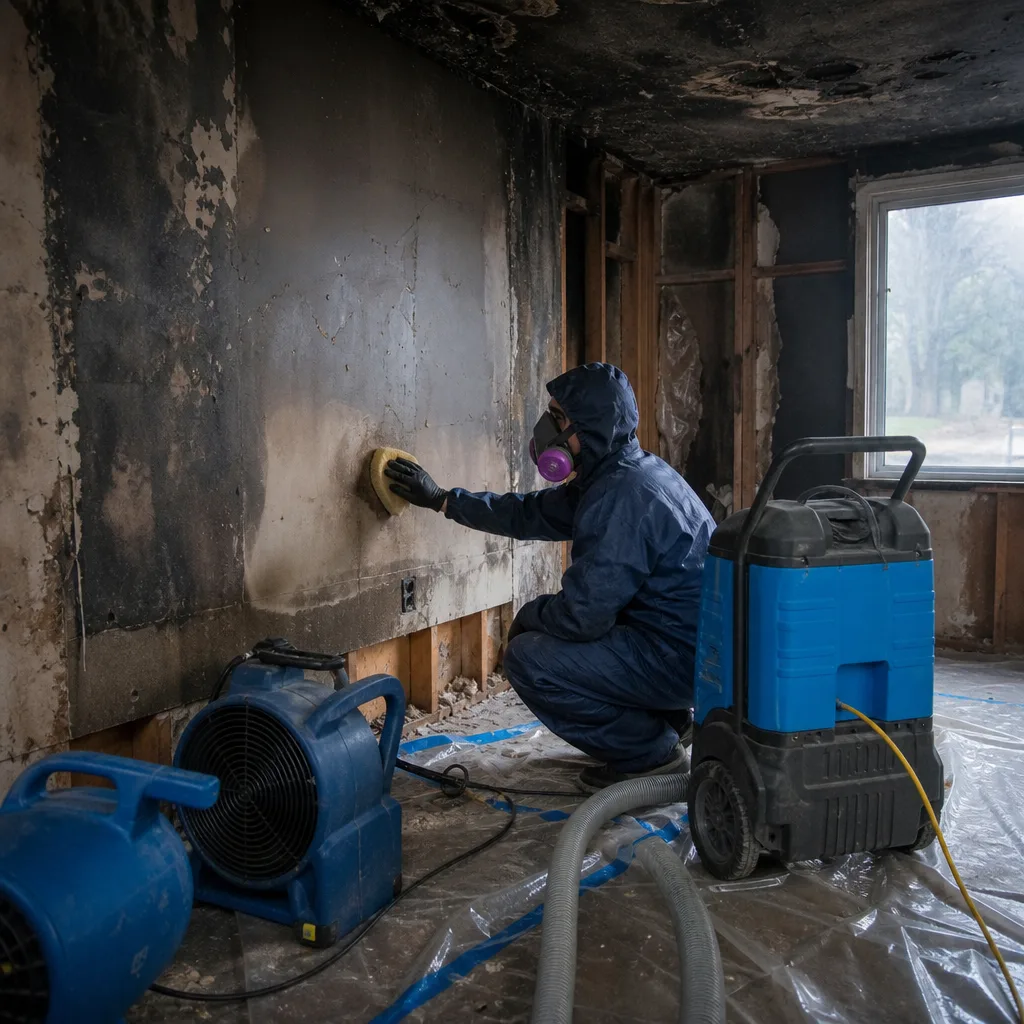
Moisture & Humidity Control
Snohomish’s ambient humidity rarely drops below 70% in winter months, and the river valley’s cold, dense air holds less moisture before reaching saturation. That means vapor pressure differentials drive moisture into wall cavities and crawl spaces year-round, not just during flood events. Our humidity control systems are sized to the specific load: we calculate cubic footage, air changes per hour, and the moisture production rate from soil and foundation leakage. Equipment from B-Air and XPOWER provides the air movement; Phoenix and Dri-Eaz dehumidifiers provide the moisture removal. Daily logs track grain depression and specific humidity until the space stabilizes within target ranges.
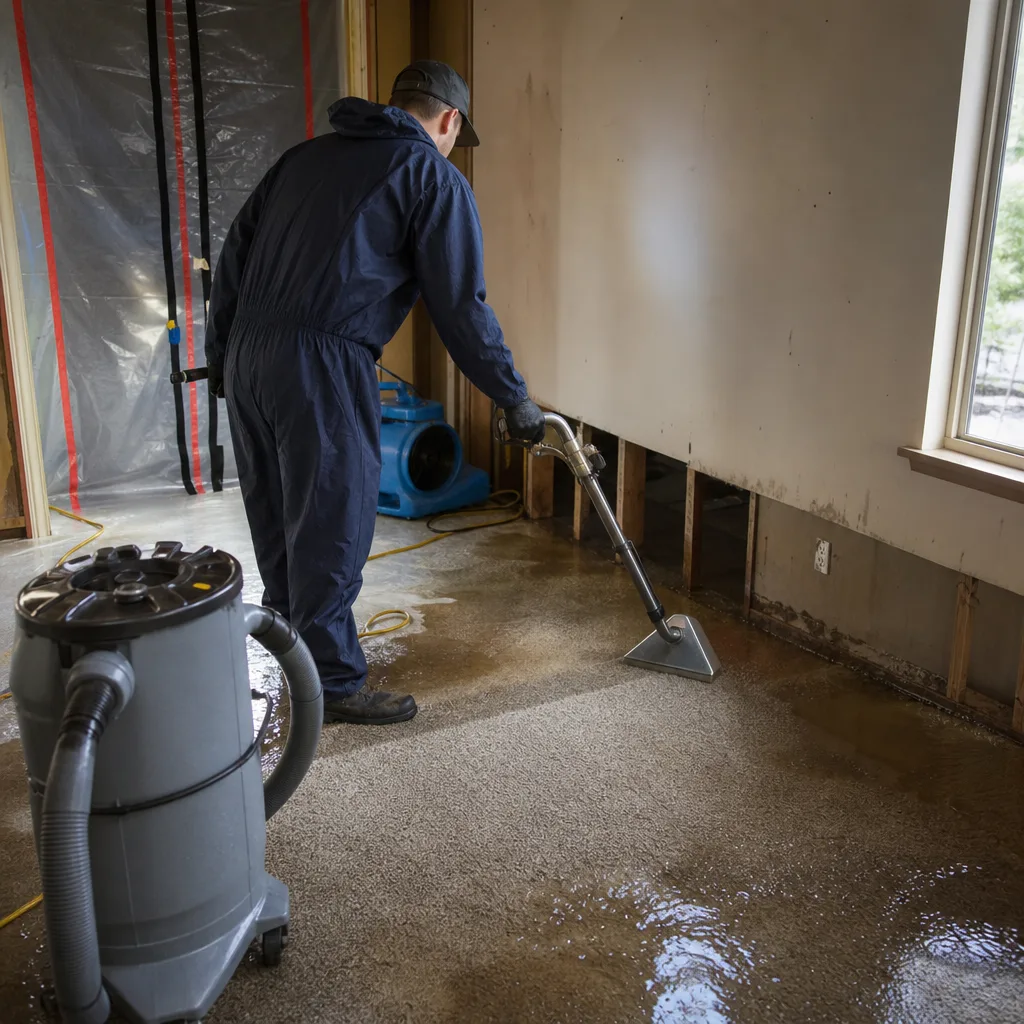
What happens when you call
- 1
A real person answersNo phone trees - you reach a local pro.
- 2
You get an upfront price rangeHonest numbers before anyone is dispatched.
- 3
A background-checked tech heads outLicensed & insured, dispatched right away.
- 4
You approve before work beginsNothing starts until you say go.
BeforeAfterTrusted Brands We Service in Snohomish
We deploy professional-grade drying and remediation equipment from Dri-Eaz, Phoenix, B-Air, and Injectidry on every Snohomish job - brands chosen for their documentation compatibility with IICRC, RIA, and IFA standards. Our Injectidry panel systems allow targeted drying behind lath-and-plaster walls without full demolition, critical for preserving historic fabric in Snohomish’s 1880s-1910s housing stock. B-Air air movers provide the controlled, lower-temperature airflow that old-growth fir requires. We stock HEPA filtration units, negative air machines, and antimicrobial applicators locally, so equipment deployment isn’t delayed by supply-chain transit from Seattle or Everett. Every machine’s run hours, settings, and readings appear in your daily drying log.
Common Mold Remediation Problems We See in Snohomish Homes
- Zone AE scope surprises. Contractors unfamiliar with Snohomish’s floodplain regulations quote standard remediation for historic-district crawl spaces, then halt work mid-job when the city building department flags the Substantial Improvement threshold. We identify this risk during the initial inspection and price accordingly, or advise when a separate structural engineer’s elevation study is needed.
- High-temp drying on historic materials. Modern OSB-and-drywall homes tolerate aggressive drying at 90-100°F. Old-growth fir and lime plaster don’t. We’ve been called to Snohomish homes where a previous contractor’s high-velocity, high-heat system case-hardened plaster surfaces and drove moisture deeper into joist tails, creating a worse mold problem six months later.
- Skipped vapor control after removal. Mold remediation without humidity source control in Snohomish is temporary. The river valley’s saturated soils and persistent ambient moisture mean crawl spaces return to colonization-friendly conditions within one wet season unless vapor barriers, drainage, or active dehumidification are addressed as part of the scope.
- Misidentified water category. A Snohomish River flood that enters through foundation seepage or crawl-space vents is Category 3, not Category 1, regardless of how “clean” the river looks. Removal protocols, material disposal requirements, and antimicrobial selection all change with the category. We test and document the classification; we don’t assume it.
Pricing for Mold Remediation in Snohomish, WA
Mold inspection and testing in Snohomish typically runs $350-$650 for a standard residential property, including moisture mapping, air and surface samples, and lab turnaround. Contained crawl-space treatment in a modern wood-frame home generally falls between $1,800 and $3,500. Full remediation in a historic-district property with lath-and-plaster walls, Injectidry panel drying, and Zone AE permitting review ranges from $4,200 to $6,500, with complex multi-room jobs occasionally exceeding that figure. Air quality restoration and post-remediation verification testing adds $400-$800.
What moves a Snohomish job to the higher end: affected square footage above 500 sq ft, Category 3 water requiring full removal of porous materials, structural drying behind plaster rather than drywall, and any job requiring pre-submittal consultation with Snohomish’s building department on flood-elevation compliance. We deliver a written price before work begins on every job - Haven Standard, Clause 1 - and we offer a Free Second Opinion on any competitor’s written estimate. No scope-creep additions once our crew is inside your home.
We Also Serve Cities Near Snohomish
Our crews work the full Snohomish County corridor, including Snohomish, Monroe, Mill Creek, Lake Stevens, and Everett. Each city presents distinct housing stock and moisture conditions - Monroe’s Skykomish River valley flooding, Everett’s denser mid-century slab construction, Lake Stevens’ newer builds with their own crawl-space ventilation failures. We adjust protocols to the location, not paste the same scope across every address.
Serving Snohomish, WA - Our Local Coverage Area
We’re based in the Snohomish area and know this community well. Use the map below to see our service coverage - if you’re nearby, we can almost certainly help.
FAQs - Mold Remediation in Snohomish
Yes. Any restoration scope that exceeds roughly 50% of the structure’s pre-damage market value triggers the Substantial Improvement rule, requiring full flood-elevation compliance. We check Zone AE status and run a preliminary value assessment before quoting, so you know whether your crawl-space mold job could convert to a permitted lift-and-elevate project. This is standard on our Snohomish historic-district inspections; we don’t wait for the building department to flag it mid-job. Call (360) 822-3055 for a written estimate that accounts for your specific flood zone.
Snohomish’s river valley rarely freezes hard enough to slow mold growth, and old-growth fir framing in historic homes holds moisture at levels that support colonization within 24-48 hours of water intrusion. The shallow, open crawl spaces common to pier-and-beam construction also allow ambient humid air to circulate across wet joists and subflooring. We respond with same-day moisture mapping and containment for active intrusions, though full remediation scoping always requires a written assessment first.
Category 1 (clean water) may allow salvage of old-growth fir and plaster with controlled drying. Category 2 (gray water) requires removal of porous materials like insulation and compromised plaster. Category 3 (black water, including Snohomish River flood intrusion) mandates removal of all porous materials and antimicrobial treatment of structural elements. We test and document the category before demolition begins; your photo record shows exactly what was removed and why.
No. High-temperature, high-velocity drying case-hardens plaster surfaces and drives moisture deeper into old-growth fir, creating a trapped-moisture problem that shows up as mold six months later. We run lower-temperature, longer-duration drying curves with Injectidry panel systems and controlled dehumidification, logging daily moisture readings until the wood returns to pre-loss equilibrium. This takes longer. It also preserves your home’s historic fabric and prevents callback failures.
Similar symptoms, different cause. East Snohomish’s 1980s-2000s tract homes typically have sealed or poorly ventilated crawl spaces with failing vapor barriers and aging exterior envelope details, not river-flood intrusion. Moisture source is usually soil evaporation and condensation on cool ductwork. The remediation is simpler - often vapor barrier repair, vent sealing, and active dehumidification - but we still inspect for hidden wall-cavity colonization and provide a written price before work begins. Call (360) 822-3055; estimates are free.
Written by Alicia Brennan, Owner at Back to Dry Restoration, serving Snohomish since 2011.