
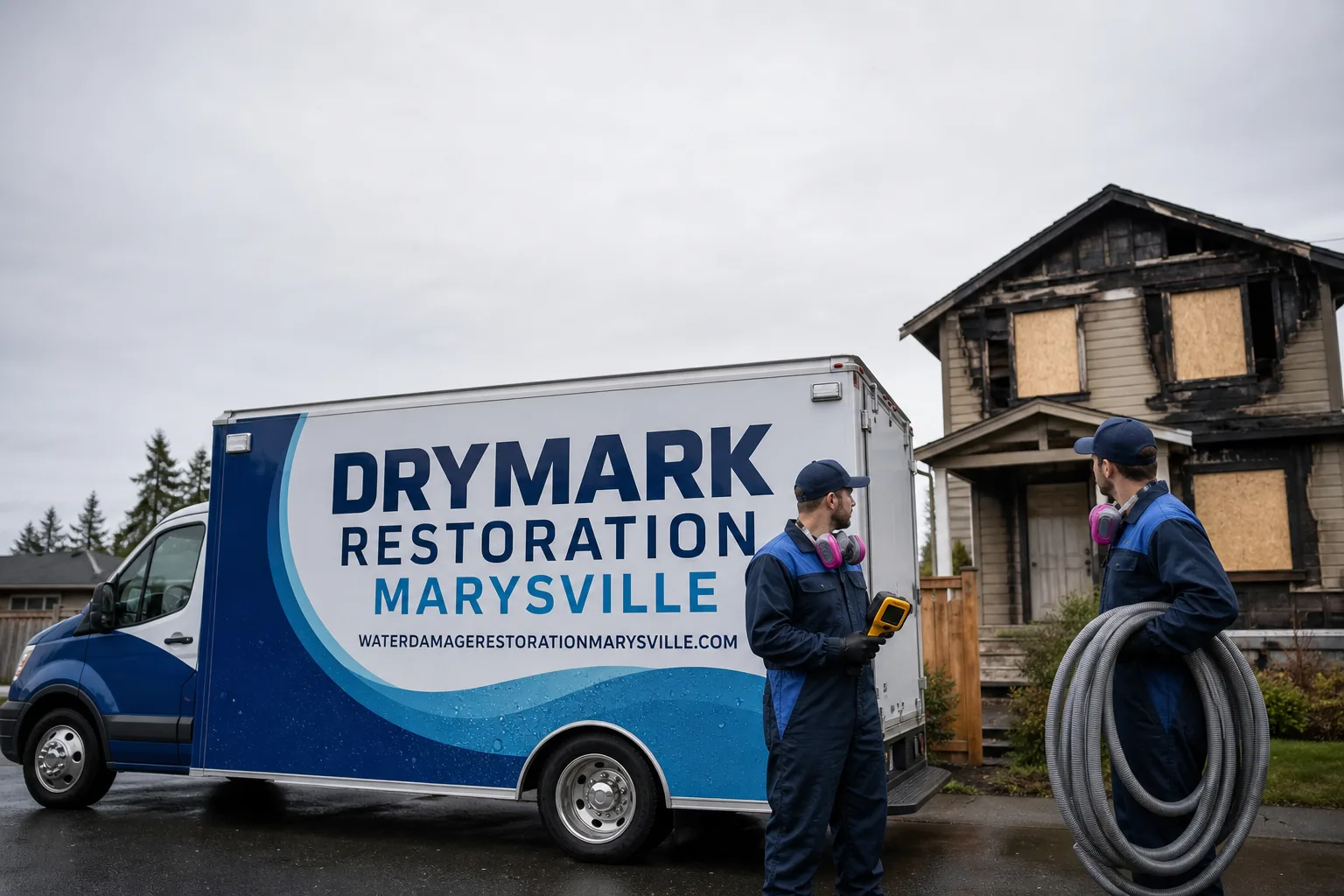
Free visual inspection and a written scope of work before any mitigation begins - photos, moisture readings, and drying logs go in your claim file
The scope we write is the scope we bill. Anything new gets shown to you, in writing, before we touch it.
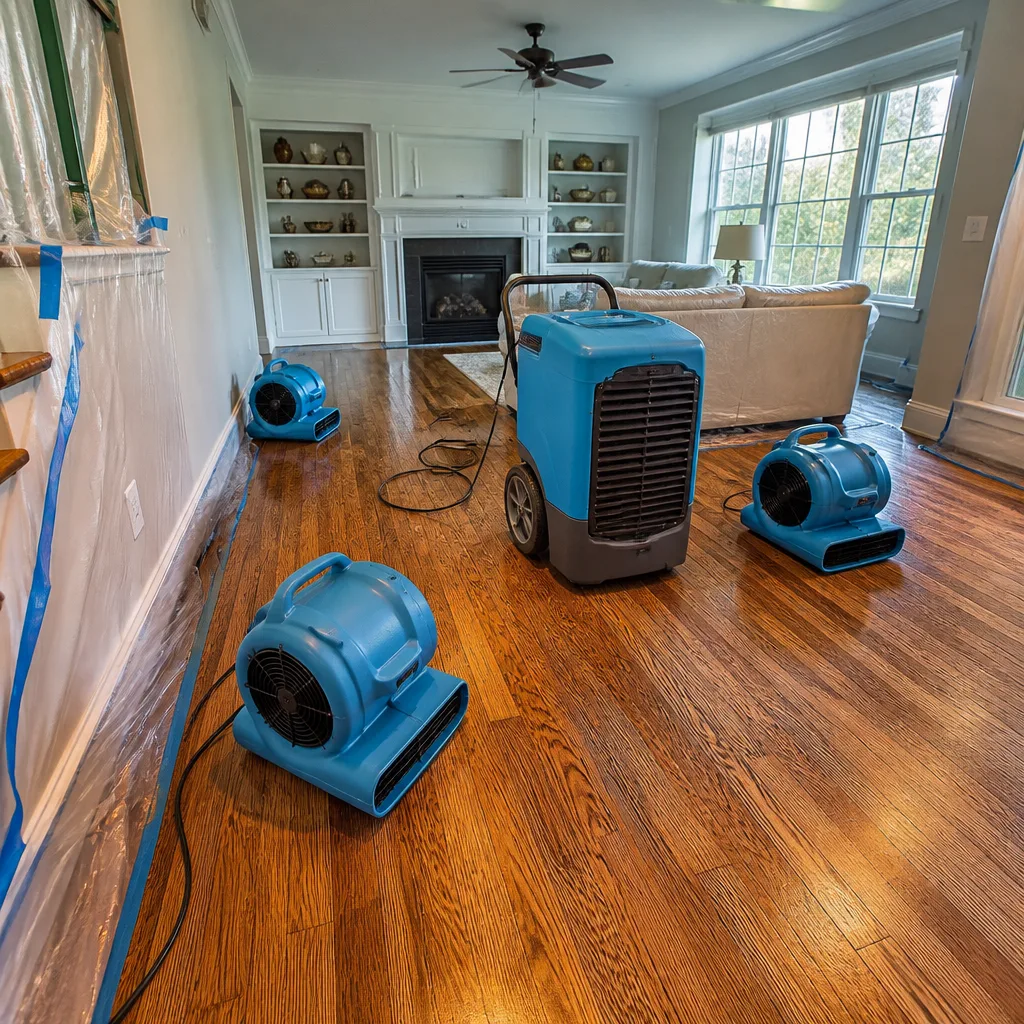
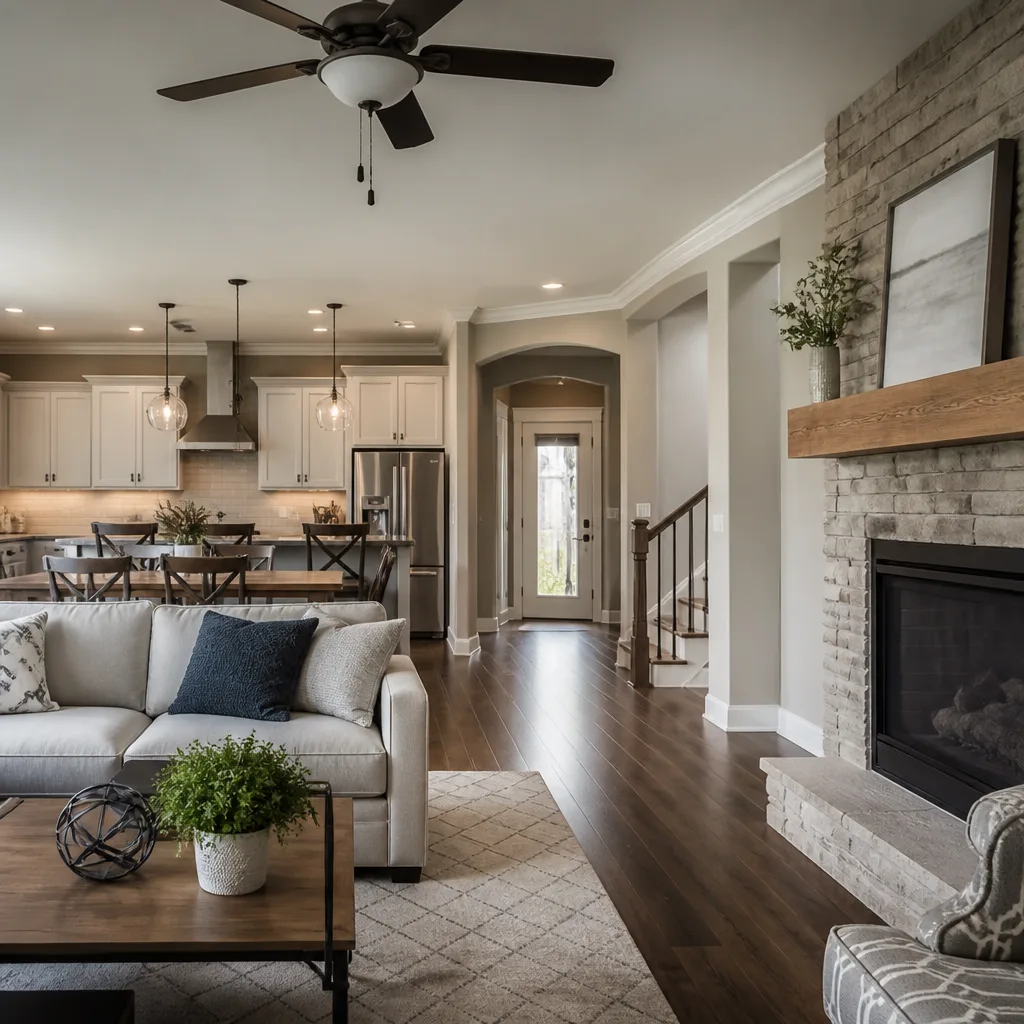
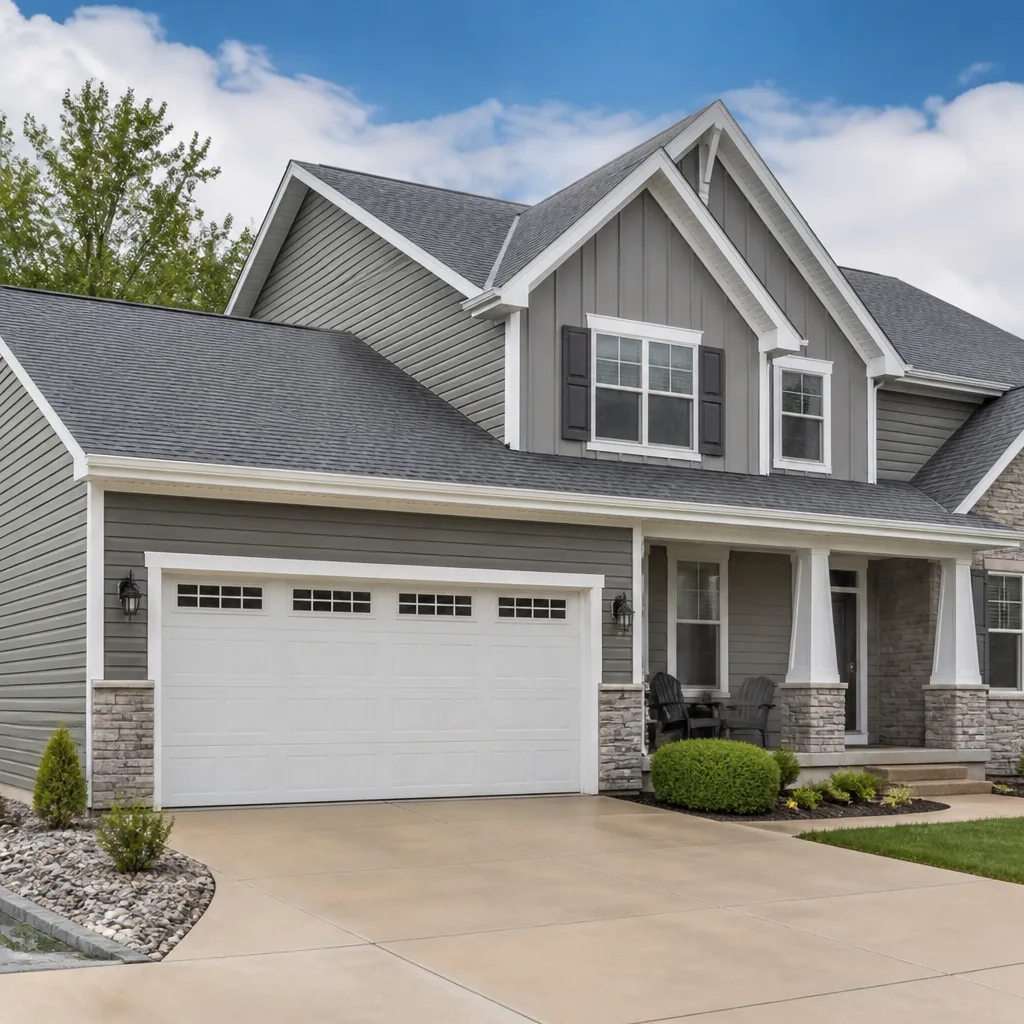
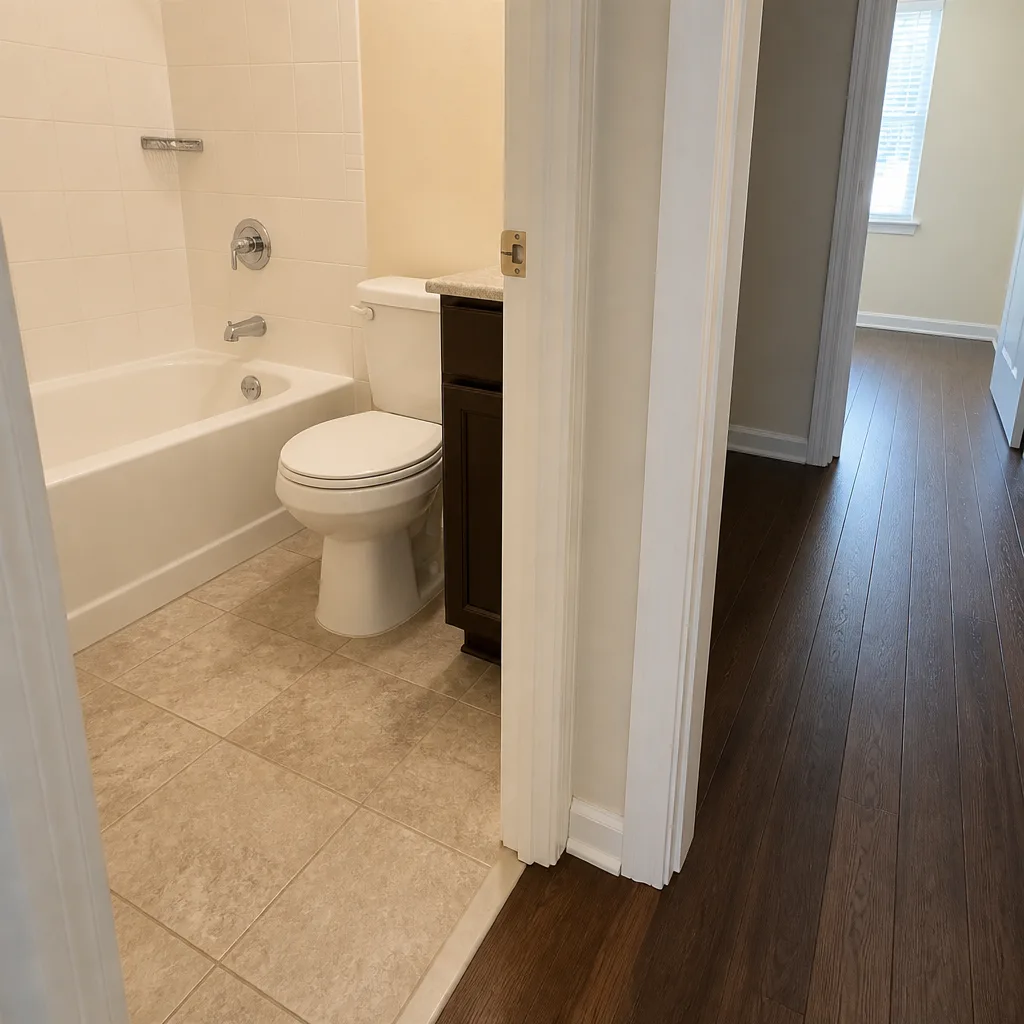
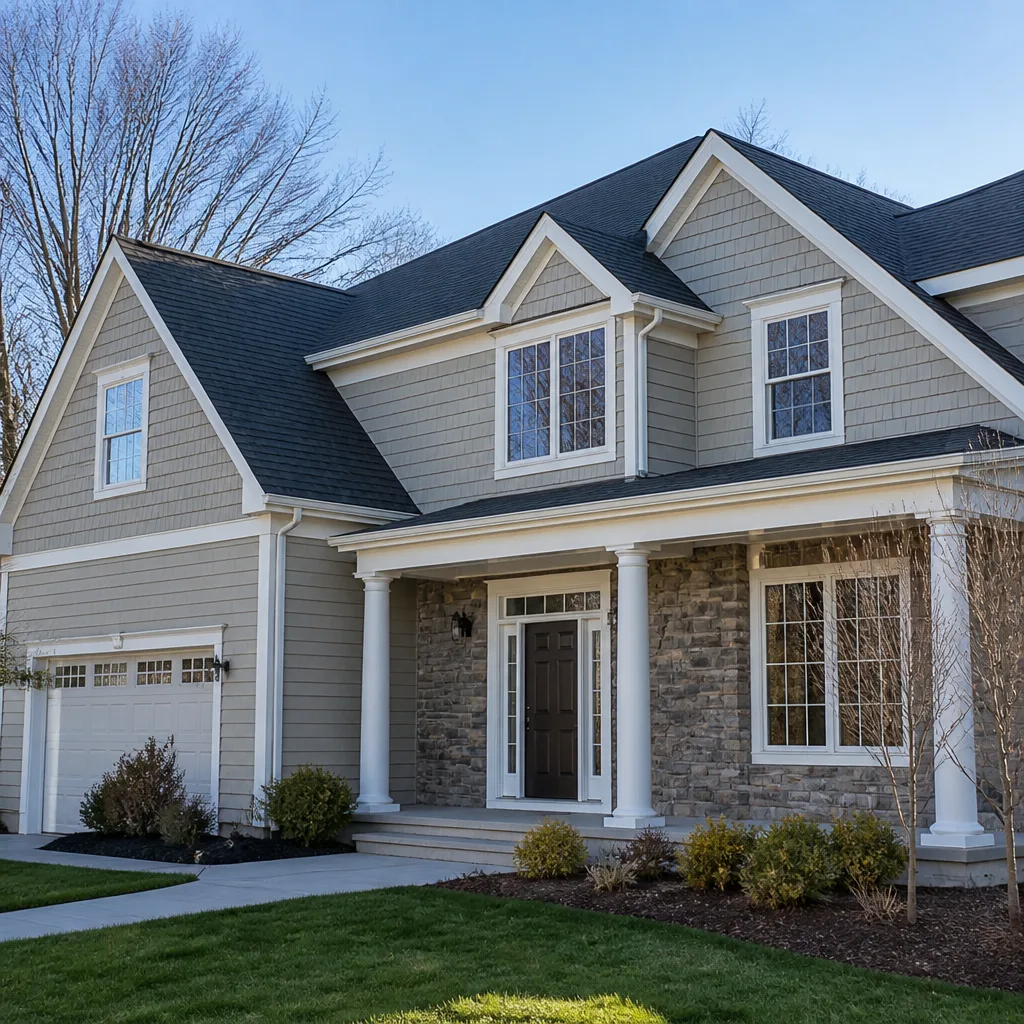
 Before
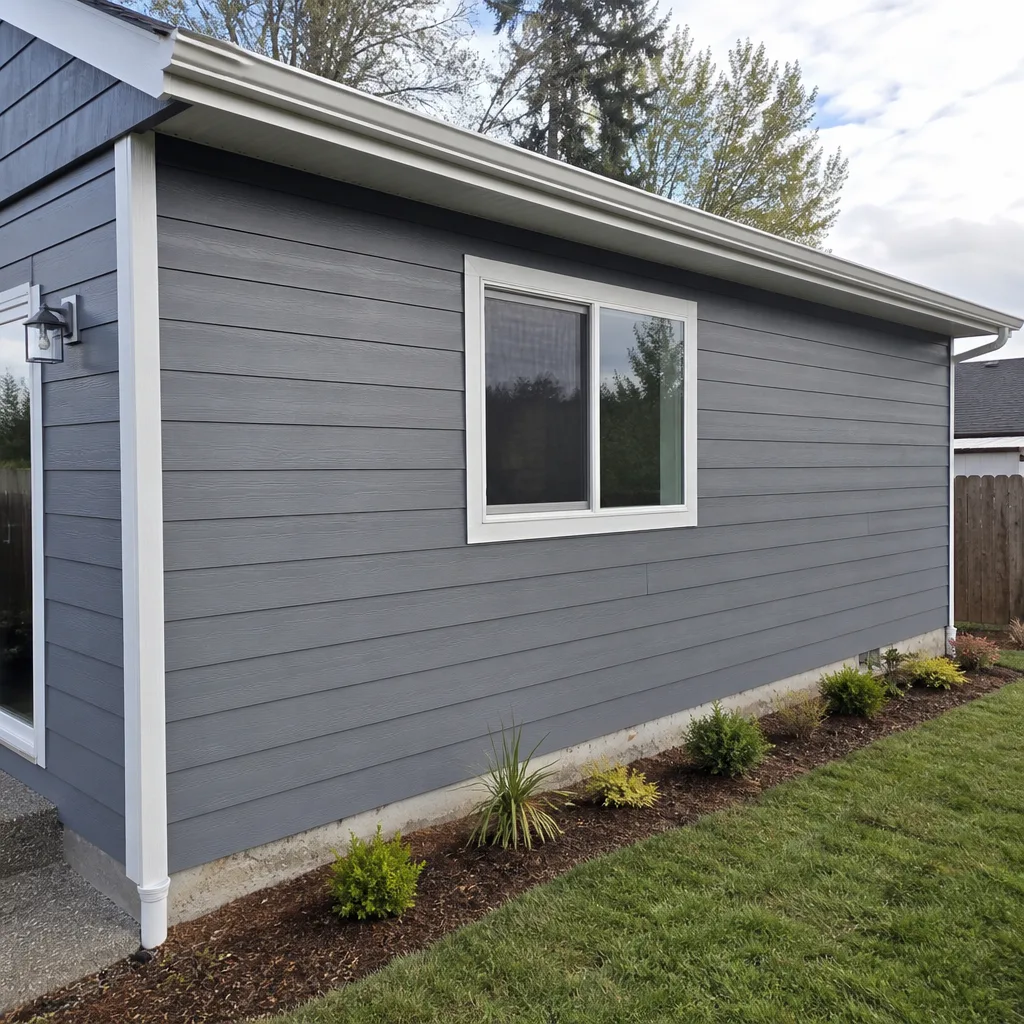 After
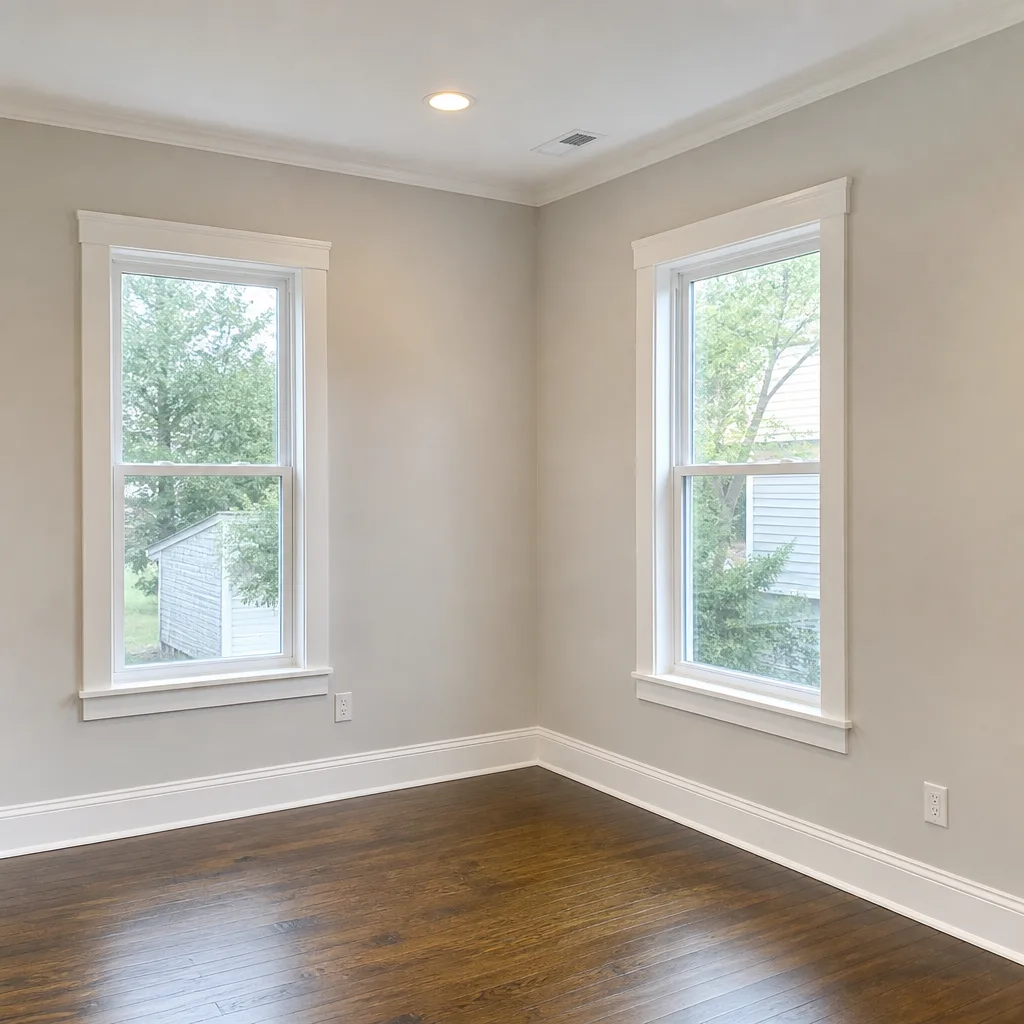
After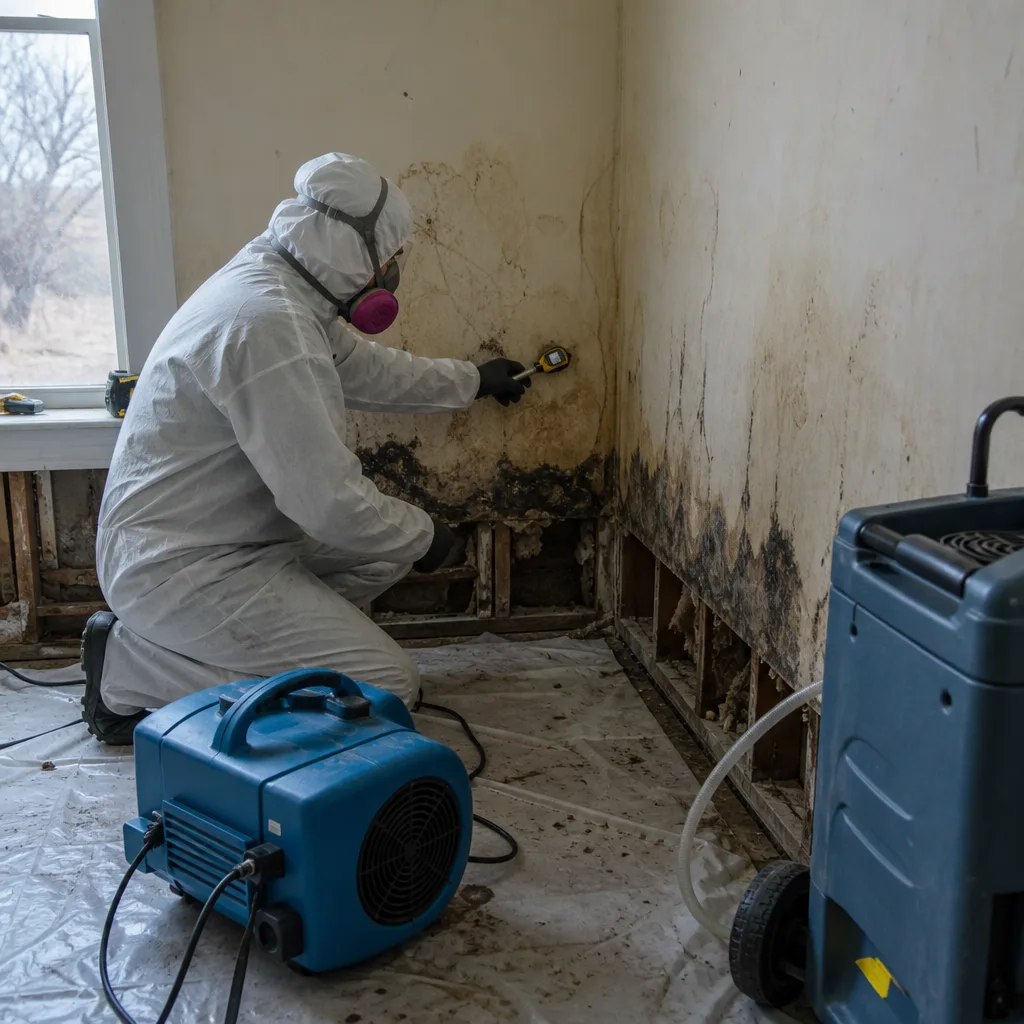 Before
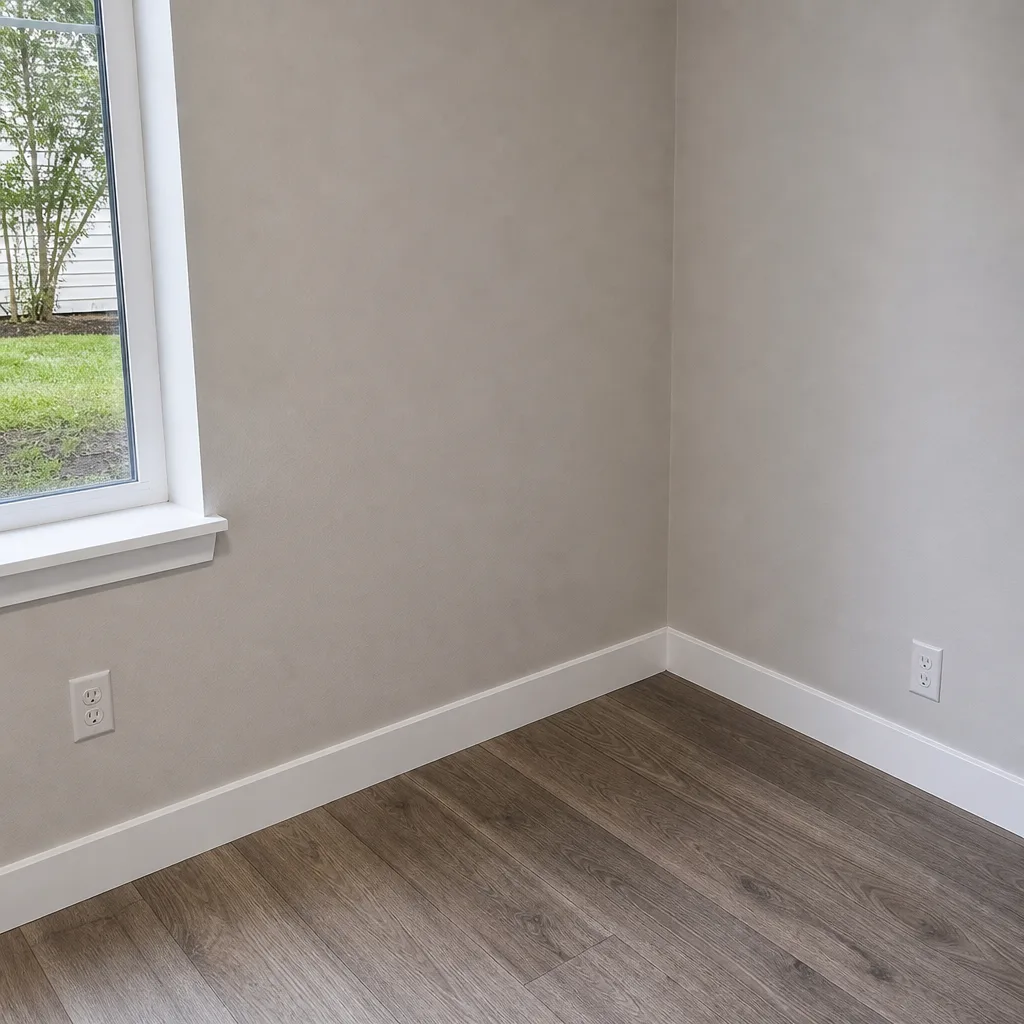 After
After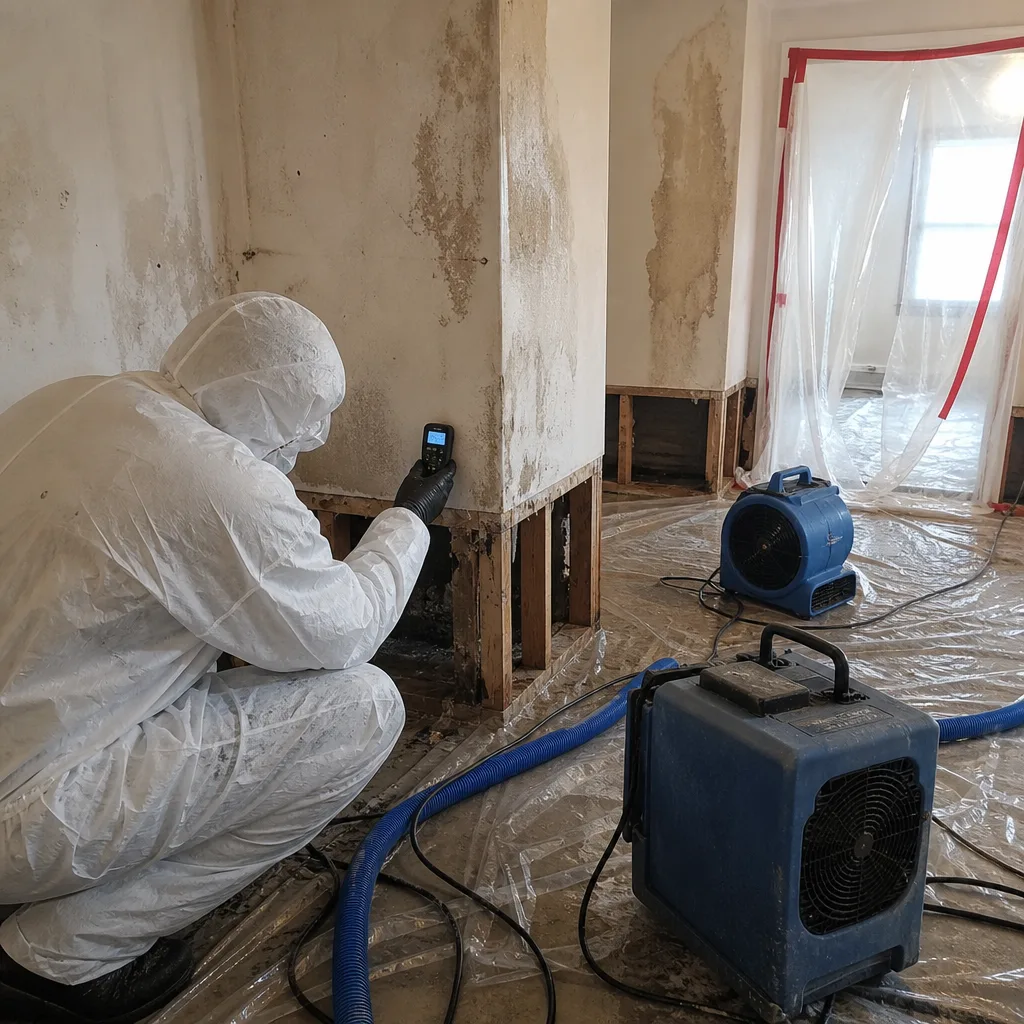 Before
 After
AfterFast, Reliable Water Damage Restoration Across Snohomish
Water damage restoration in Snohomish typically costs $2,800-$8,500 for most residential mitigation jobs, with emergency extraction starting at $1,200-$2,400 and structural drying running $1,600-$4,200 depending on affected square footage and material type. Our crews dispatch to Snohomish within 60-90 minutes of a confirmed call, and we answer live 24 hours a day, 7 days a week at (360) 822-3055. Dispatch and scheduling are coordinated from our Seattle office, but our technicians serve Snohomish locally and know the riverfront historic district, the newer subdivisions on the east bench, and the specific moisture problems each one presents.
Snohomish sits in a unique position. The Snohomish River floodplain, the old-growth fir framing of its 1880s-1910s housing stock, and the persistent damp of the Cascade foothills climate create water damage scenarios that don’t respond to standard protocols. A crew that treats river floodwater as clean Category 1 water, or blasts high-temperature air at original lath-and-plaster walls, will cost a homeowner far more than the initial invoice. We document every moisture reading, every photo, every drying log to IICRC standards so your claim file holds up.
Why DryMark Restoration Marysville Is Snohomish’s Preferred Water Damage Restoration Company
We’ve restored water-damaged homes in Snohomish since 2011, from the Victorian-era blocks near Avenue D and the riverfront to the 1990s tract homes off Bickford Avenue and the newer developments north of town. Our reviews from Snohomish customers consistently cite two things: the written price that arrived before any equipment crossed the threshold, and the photo-documented drying logs that made their insurance adjuster’s job straightforward.
Response time to Snohomish averages under 90 minutes for emergency calls. We know which streets flood first when the Snohomish River overtops its banks, which crawl spaces stay saturated even in dry winters, and why a burst pipe in a 1905 Craftsman requires a different approach than the same leak in a 2005 build. That local knowledge means we bring the right equipment the first time: Dri-Eaz desiccant dehumidifiers for historic plaster, Injectidry mat systems for hardwood floors, and the psychrometric data to prove drying is complete.
Every job is covered by our 365-Day Done Right Promise under The Haven Standard. If it’s not done right, we make it right. Not a verbal assurance - a signed guarantee.
Our Water Damage Restoration Services in Snohomish
Emergency Water Extraction
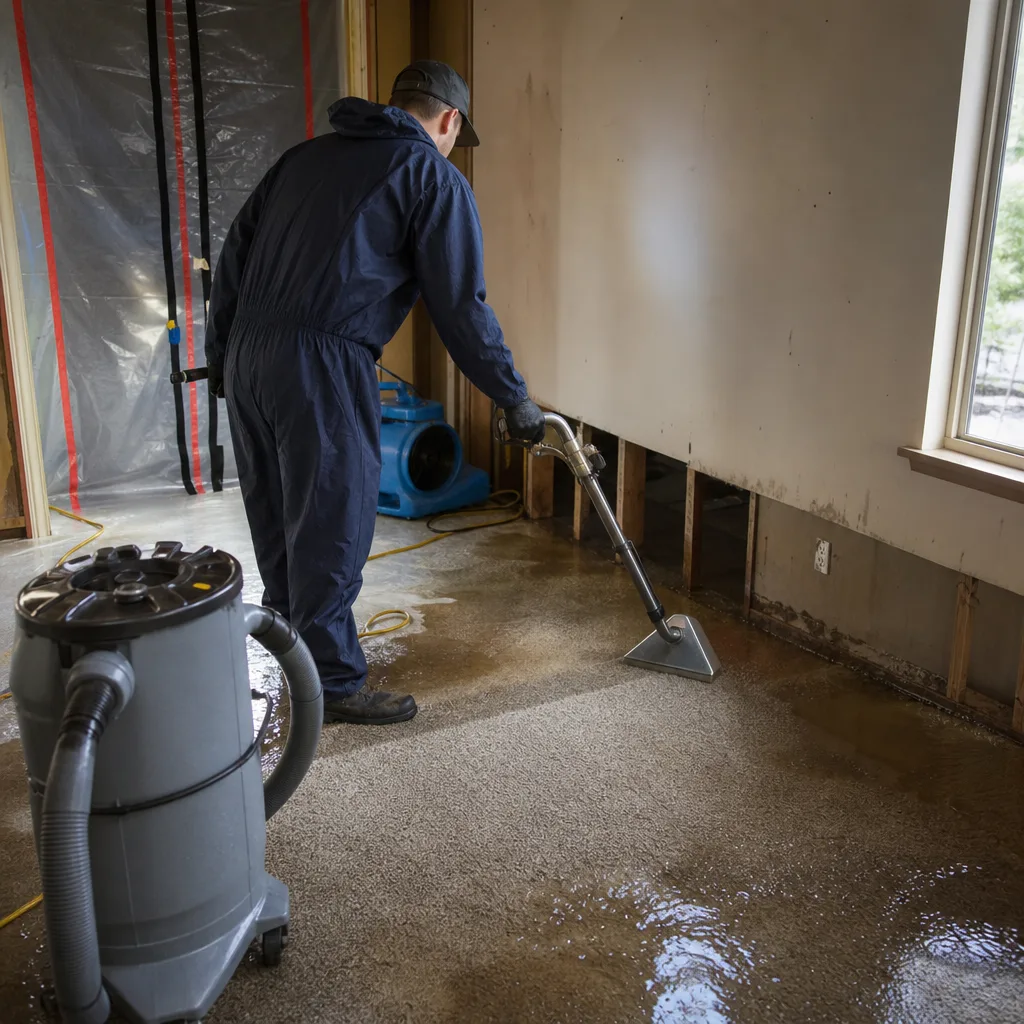
When the Snohomish River pushes into a basement on First Street or a supply line bursts in a kitchen off Pine Street, standing water doesn’t wait. Our extraction teams remove water within hours, not days, using truck-mounted systems and portable units sized to the space. We document pre-loss conditions with photos before moving a single piece of furniture - Haven Standard, Clause 1 requires a written price before work starts, and that scope depends on knowing what was there.
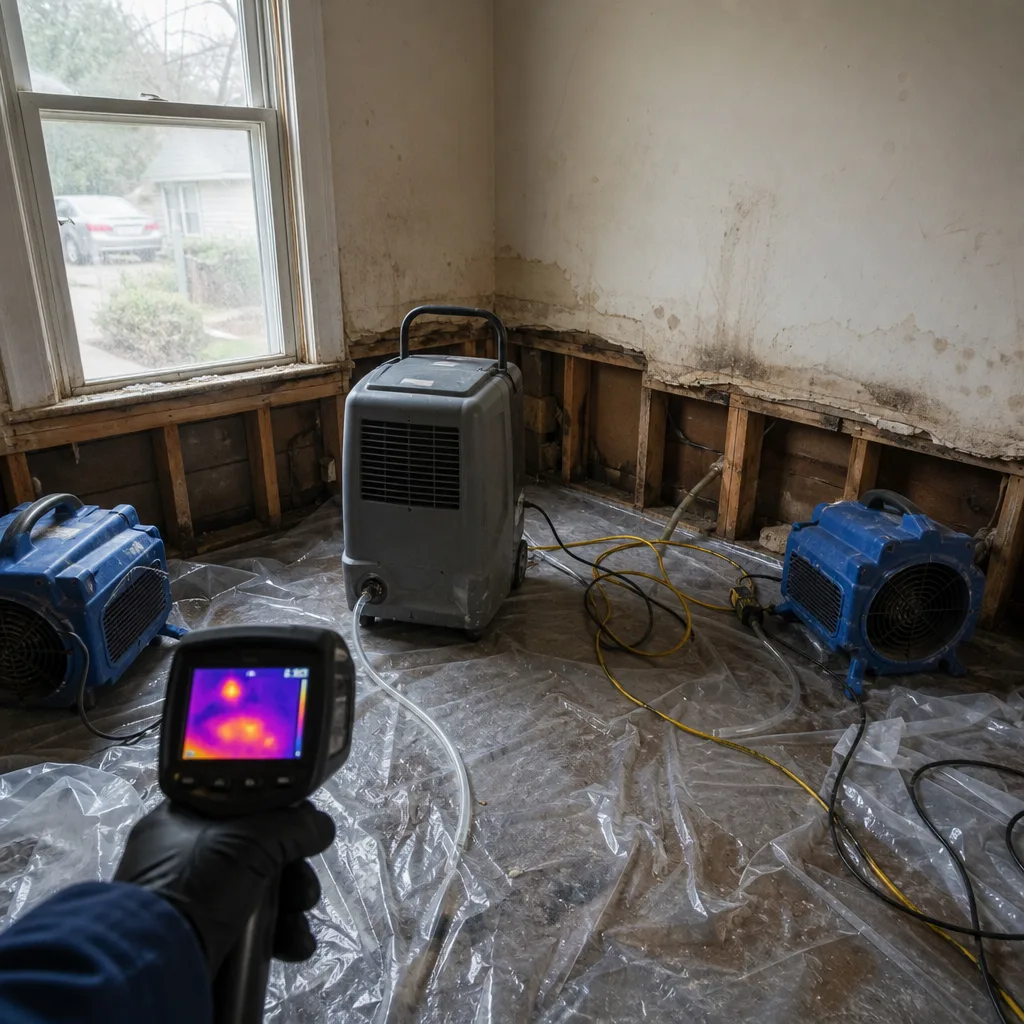
In Snohomish’s historic district, extraction is complicated by pier-and-beam foundations with open crawl spaces. Water pools beneath the floor long after the visible surface looks dry. We map subfloor moisture with penetrating meters and thermal imaging, then extract from below when the structure allows.
Structural Drying & Dehumidification
This is where Snohomish’s housing stock demands real expertise. The old-growth Douglas fir framing and lath-and-plaster walls in homes near the river won’t tolerate the aggressive, high-temperature drying protocols that work fine on modern OSB and drywall. We’ve seen crews warp 1890s floor joists and crack irreplaceable plaster by forcing hot air too fast.
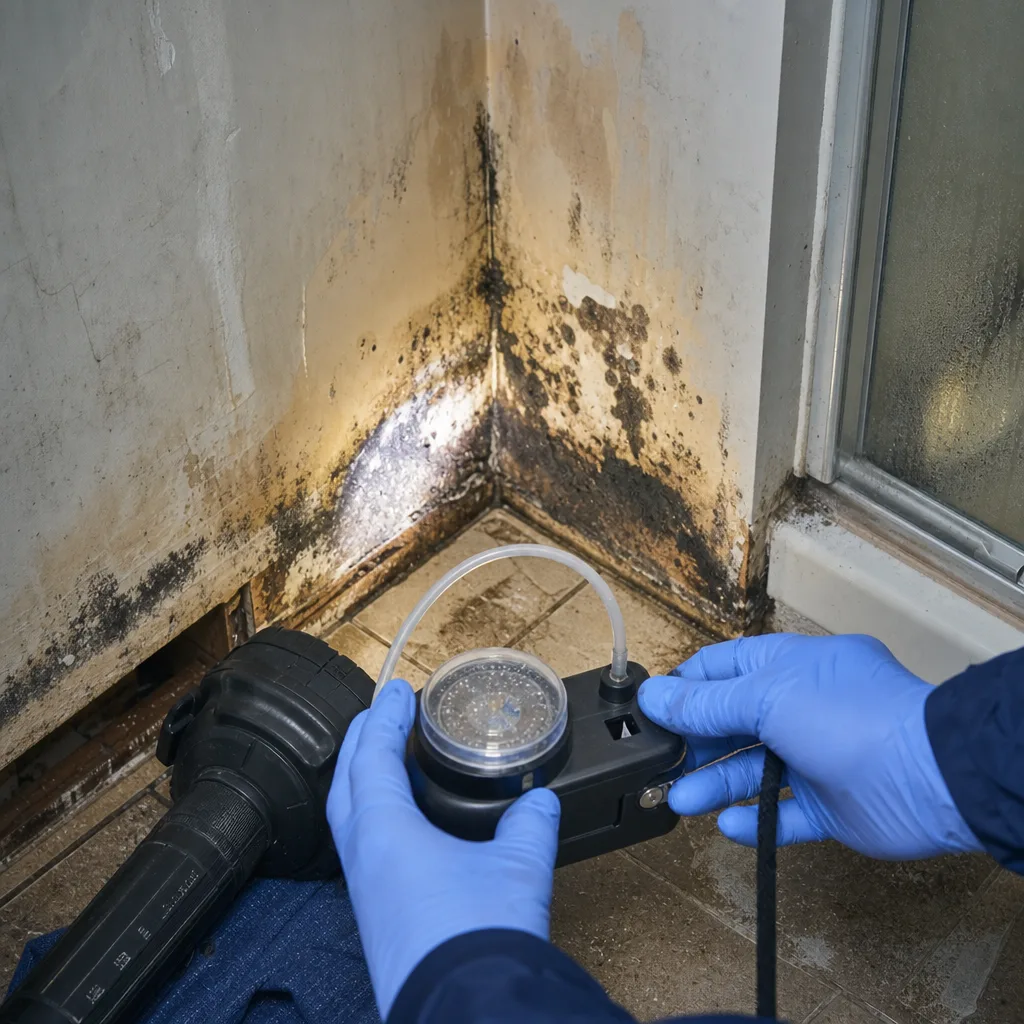
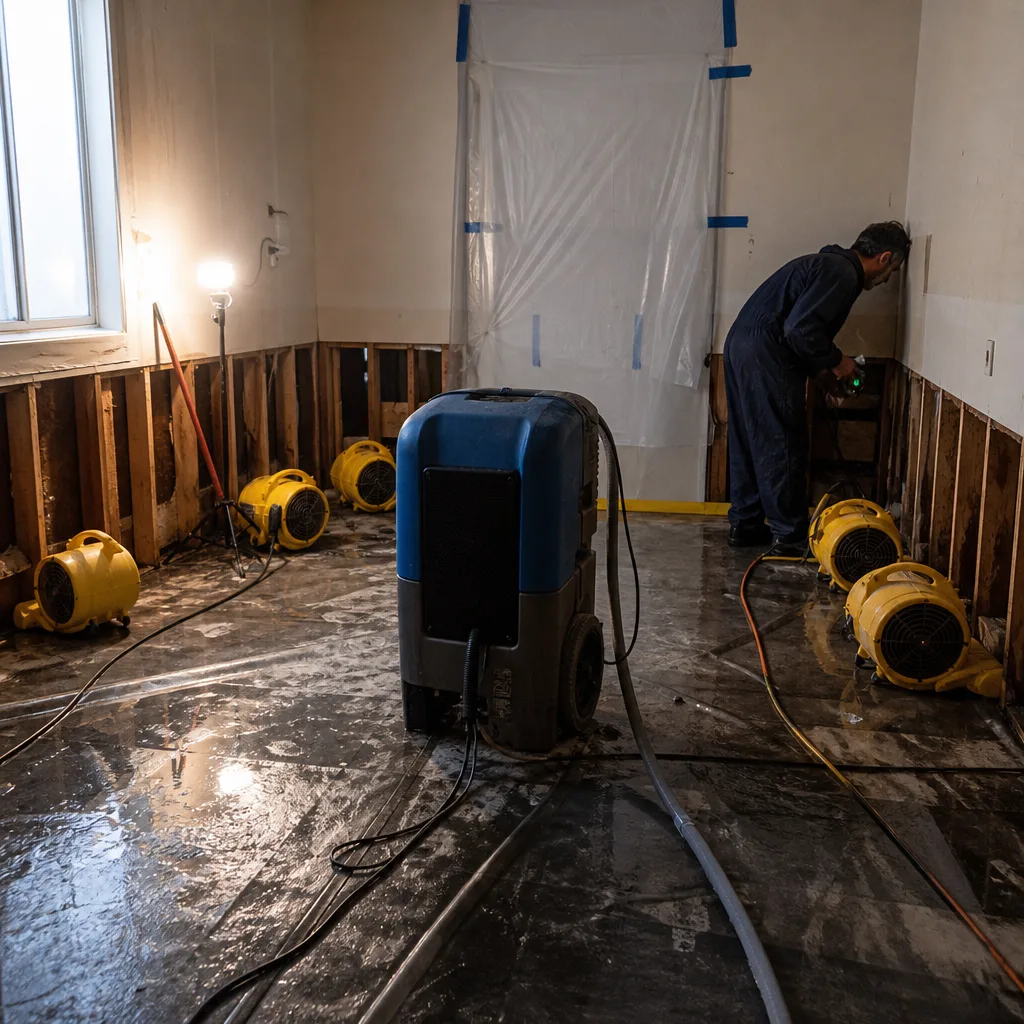
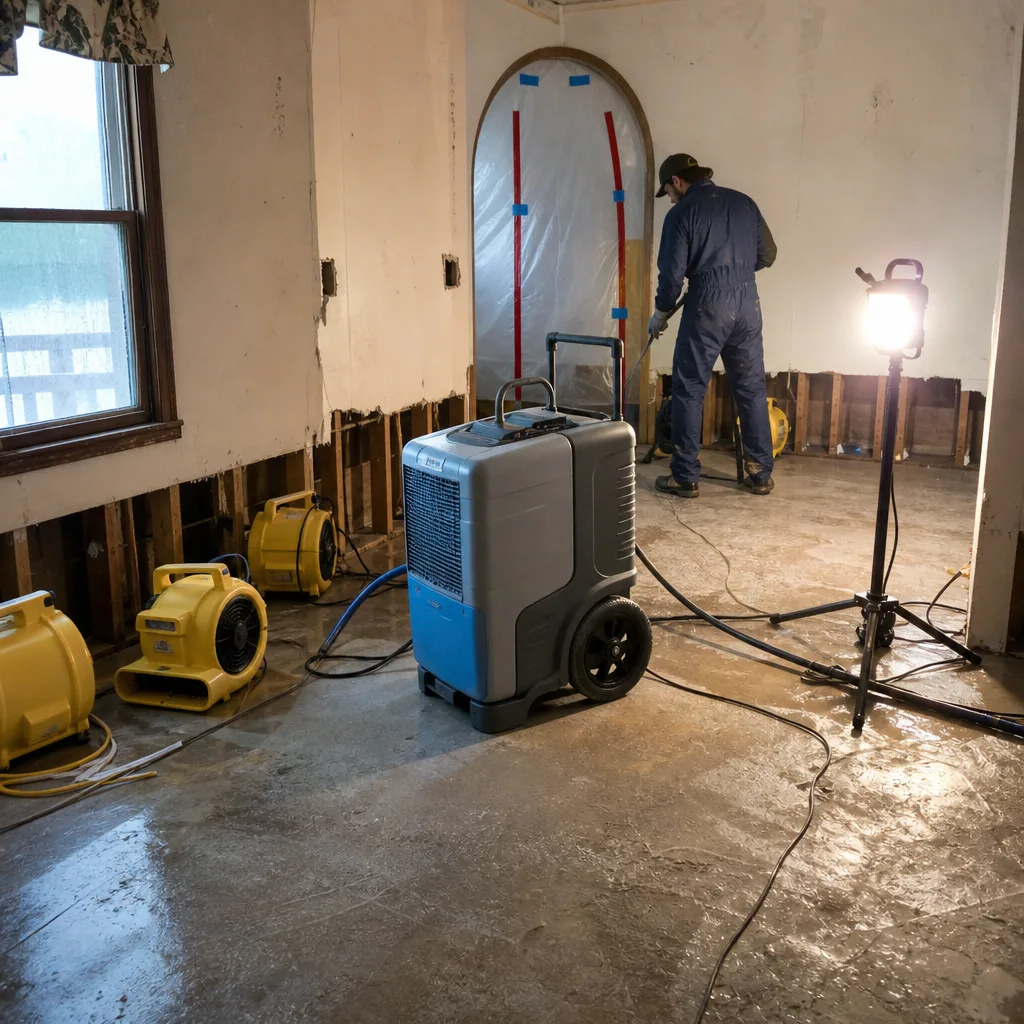
Our protocol for historic Snohomish properties uses lower temperature, longer duration drying with desiccant dehumidifiers and targeted Injectidry mat systems. Vapor pressure differential - the measurable force that drives moisture from wet materials into dry air - is monitored daily and logged. Psychrometric data, the humidity and temperature readings that tell us exactly how much moisture the air can still absorb, guides every equipment adjustment. The result: dry structures with original materials intact, and a daily drying log that satisfies any adjuster or building inspector.
Flood Cleanup
Snohomish’s defining restoration challenge isn’t a one-time pipe burst - it’s recurrent river flooding. The Snohomish River overtops its banks in most heavy-rain winters, sending Category 3 black water into basements, crawl spaces, and ground floors. This water carries agricultural runoff, sewage cross-contamination, and sediment from upstream. Treating it as clean water is a mistake we’ve seen other crews make, and it ends with mold colonization in old-growth framing and failed insurance claims.
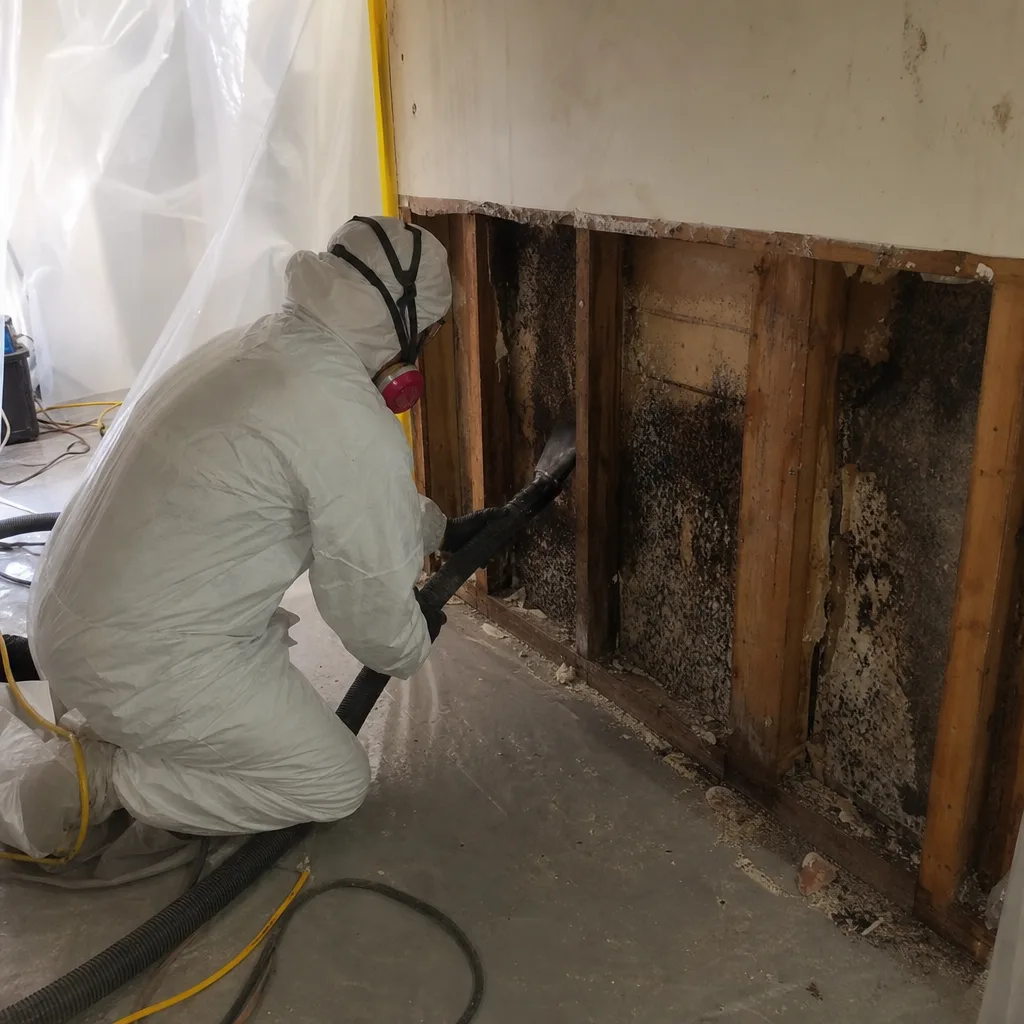
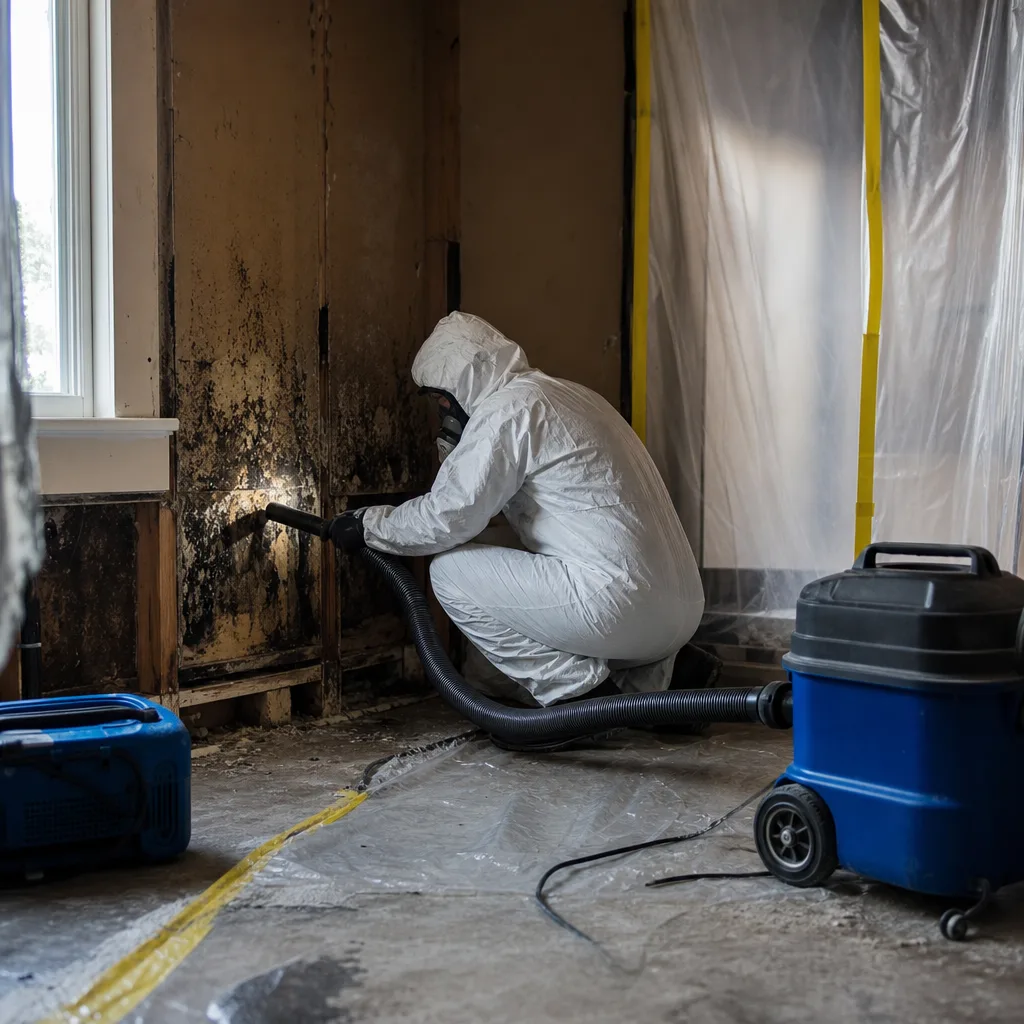
Our flood cleanup protocol for Snohomish starts with proper classification: if the water touched soil or the river, it’s Category 3. Affected porous materials - lath-and-plaster, saturated subfloors, contaminated insulation - are removed, not dried in place. Non-porous salvageable materials are cleaned with antimicrobial treatment and HEPA vacuuming. Every step is photo-documented, every disposal ticket retained for the claim file.
Burst Pipe Restoration
Snohomish’s older water service lines, particularly in the historic district and pre-1950s neighborhoods, are vulnerable to age-related failure and winter ground movement. When a galvanized or early copper line splits behind a plaster wall, the damage spreads fast - and hidden. We use moisture meters and thermal imaging to trace the migration path through wall cavities and floor systems, then open only what’s necessary. Our written scope specifies exactly which materials are removed, which are dried in place, and what reconstruction will cost, all before demolition begins.
What happens when you call
- 1
A real person answersNo phone trees - you reach a local pro.
- 2
You get an upfront price rangeHonest numbers before anyone is dispatched.
- 3
A background-checked tech heads outLicensed & insured, dispatched right away.
- 4
You approve before work beginsNothing starts until you say go.
BeforeAfterCommon Water Damage Restoration Problems We See in Snohomish Homes
- River floodwater misclassified as clean water. Crews unfamiliar with Snohomish’s floodplain see clear-looking water in a basement and assume Category 1. The Snohomish River carries Category 3 contamination every time it overtops. We test and classify properly, because drying contaminated lath-and-plaster instead of removing it creates a mold problem and a denied claim.
- Aggressive drying destroying historic materials. High-temperature air movers and standard refrigerant dehumidifiers will warp old-growth Douglas fir joists and crack 1890s plaster that could have survived a slower protocol. We match the equipment to the material, not the schedule.
- Crawl spaces ignored after the river recedes. Snohomish’s open pier-and-beam crawl spaces hold saturated soil and wicking moisture for weeks. Equipment stacked on the main floor never reaches the joists below. We place drying systems in the crawl space and monitor wood moisture content until it reads within normal range for this climate.
- The Substantial Improvement trap. Historic-district properties in FEMA Zone AE face a rule that turns a contained repair into a full elevation retrofit if restoration costs exceed roughly 50% of pre-damage market value. We flag this early, document carefully, and coordinate with adjusters so homeowners aren’t surprised by a compliance mandate mid-project.
Pricing for Water Damage Restoration in Snohomish, WA
Here’s what water damage restoration costs in the Snohomish market, based on jobs we’ve completed across the city:
| Service | Typical Range in Snohomish |
|---|---|
| Emergency water extraction | $1,200 - $2,400 |
| Structural drying & dehumidification | $1,600 - $4,200 |
| Flood cleanup (Category 3, including removal) | $3,500 - $8,500 |
| Burst pipe restoration (mitigation only) | $2,200 - $5,800 |
| Basement water removal (including crawl space) | $2,800 - $6,400 |
| Ceiling/roof leak damage (interior mitigation) | $1,800 - $4,600 |
What moves a job toward the higher end: Category 3 contamination requiring removal rather than drying; historic materials needing slower protocols and longer monitoring; crawl space saturation requiring subfloor access; and any job where the Substantial Improvement rule triggers additional compliance scope. What keeps costs controlled: fast extraction limiting secondary damage, accurate classification avoiding unnecessary removal, and a written scope that prevents add-ons once work starts. Haven Standard, Clause 1: the price you approve is the price you pay. Call (360) 822-3055 for a free estimate - we’ll put it in writing before any work begins.
We Also Serve Cities Near Snohomish
Our crews respond throughout the Snohomish River valley and beyond, including Water Damage Restoration in Snohomish and neighboring Monroe, Mill Creek, Lake Stevens, and Everett. Each city has its own flood risks, housing stock, and local conditions; we adjust our protocols accordingly rather than applying a single template.
Serving Snohomish, WA - Our Local Coverage Area
We’re based in the Snohomish area and know this community well. Use the map below to see our service coverage - if you’re nearby, we can almost certainly help.
FAQs - Water Damage Restoration in Snohomish
Yes, if your property is in FEMA Zone AE and restoration costs exceed roughly 50% of the structure’s pre-damage market value, the entire building must be brought into current flood-elevation compliance. This rule turns a contained water-damage mitigation into a permitted lift-and-elevate project, and it’s far more common in Snohomish’s riverfront historic district than in neighboring Everett or Monroe. We assess this risk in our initial scope and document accordingly so your adjuster can price the full compliance picture, not just the drying. Call (360) 822-3055 and we’ll review your flood zone and property specifics.
Your Craftsman has old-growth Douglas fir framing and lath-and-plaster walls that warp and crack under high-temperature drying, while newer homes use OSB and drywall that tolerate aggressive protocols. We use slower, lower-temperature desiccant dehumidification and targeted Injectidry mat systems on historic Snohomish properties, with daily moisture logs to prove progress. The timeline extends by several days, but the original materials survive. Call (360) 822-3055 and we’ll specify the protocol in your written scope.
No, persistent crawl space dampness in Snohomish is common but not normal or healthy. The valley’s high water table, saturated soils, and moisture-laden Cascade air wick into open pier-and-beam crawl spaces year-round, even without a flood event. Left unaddressed, this creates mold-colonization conditions in old-growth joists within 24-48 hours of any spike in humidity. We diagnose the source - groundwater wicking, inadequate ventilation, or envelope failure - and specify targeted drying or encapsulation, not just a dehumidifier dropped on the dirt. Call (360) 822-3055 for a moisture assessment.
Within the first 2-4 hours to minimize migration into plaster wall cavities and subfloor spaces, and absolutely within 24 hours to prevent mold colonization in old-growth framing. Snohomish’s mild temperatures rarely freeze hard enough to slow microbial growth, so time is measured in hours, not days. Our live dispatch answers 24/7 and targets under 90 minutes to Snohomish. Call (360) 822-3055 - we’ll extract, map the moisture, and deliver a written scope before any demolition starts.
Standard homeowner’s policies exclude flood damage from natural sources, including the Snohomish River, unless you carry separate flood insurance through the NFIP or a private carrier. However, the adjuster will still review your documentation, and proper classification, photo records, and drying logs determine whether any covered portions - such as subsequent mold damage or burst-pipe complications - are paid. We document to IICRC and RIA standards specifically to support this claims process. Call (360) 822-3055 and we’ll coordinate directly with your adjuster.
Call DryMark Restoration Marysville for Water Damage Restoration in Snohomish
Water damage in Snohomish demands more than fast extraction. It demands a crew that knows why the Snohomish River floodplain changes every protocol, why 1890s plaster can’t be dried like 1990s drywall, and why the Substantial Improvement rule can reshape your entire project scope. Our Water Damage Restoration team brings that knowledge, plus the documentation that turns restoration invoices into paid claims: written prices before work starts, photo records on every visit, daily drying logs to IICRC standards, and the 365-Day Done Right Promise under The Haven Standard.
We were called to a Victorian on Avenue D after a January rain-on-snow event pushed the Snohomish River over its banks and sent six inches of Category 3 water into the original fir-floored parlor. Our techs started moisture mapping the lath-and-plaster walls and open pier-and-beam crawl space, then set up a slower, lower-temperature structural drying protocol using Dri-Eaz desiccant dehumidifiers and Injectidry mats to avoid cracking the 1890s plaster. After extraction and 11 days of documented drying logs, we passed antimicrobial treatment and handed the homeowner a pack-out inventory for the waterlogged furnishings.
Call (360) 822-3055 now. A live person answers 24 hours a day, 7 days a week. We’ll dispatch to Snohomish within 90 minutes, assess your damage, and deliver a written price before any work begins. Haven Standard, Clause 1 - always.
Written by Alicia Brennan, Owner at DryMark Restoration Marysville, serving Snohomish since 2011.