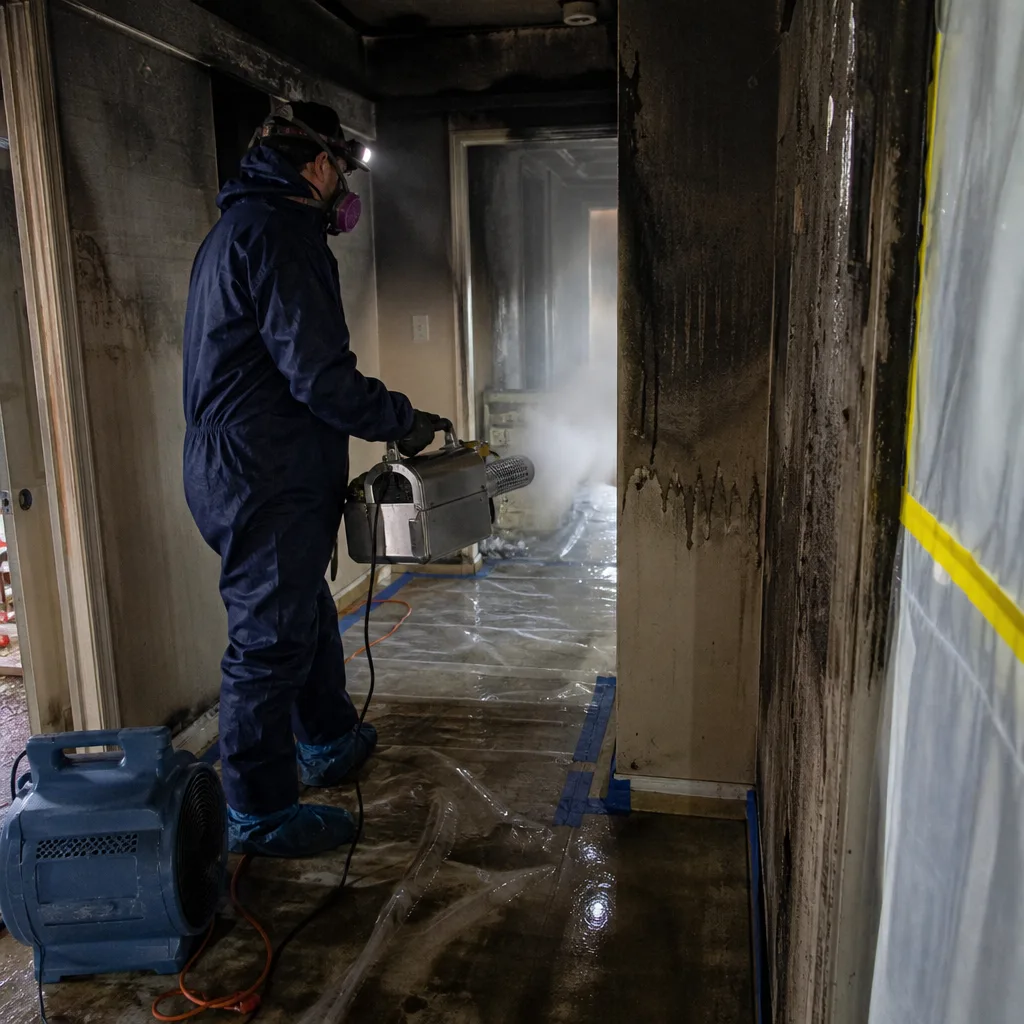
Free visual inspection and a written scope of work before any mitigation begins - photos, moisture readings, and drying logs go in your claim file
The scope we write is the scope we bill. Anything new gets shown to you, in writing, before we touch it.

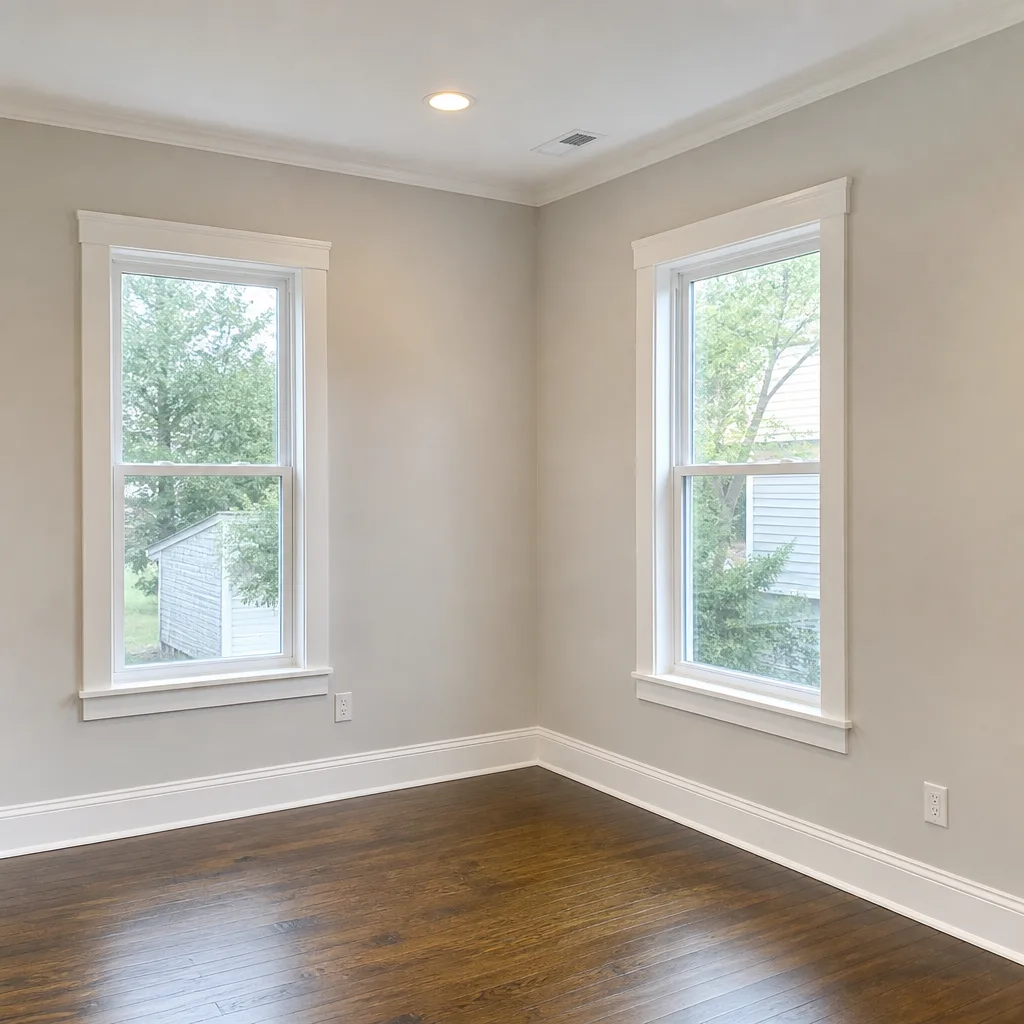
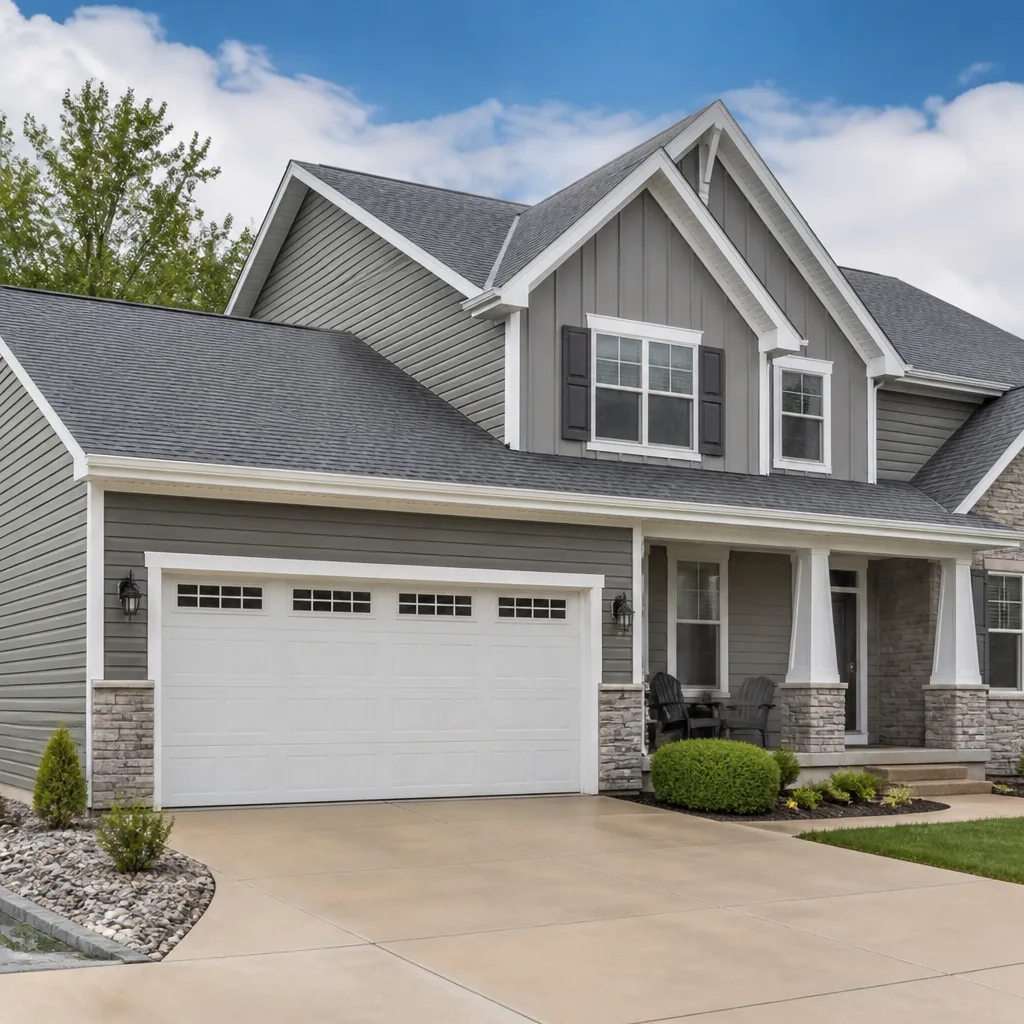
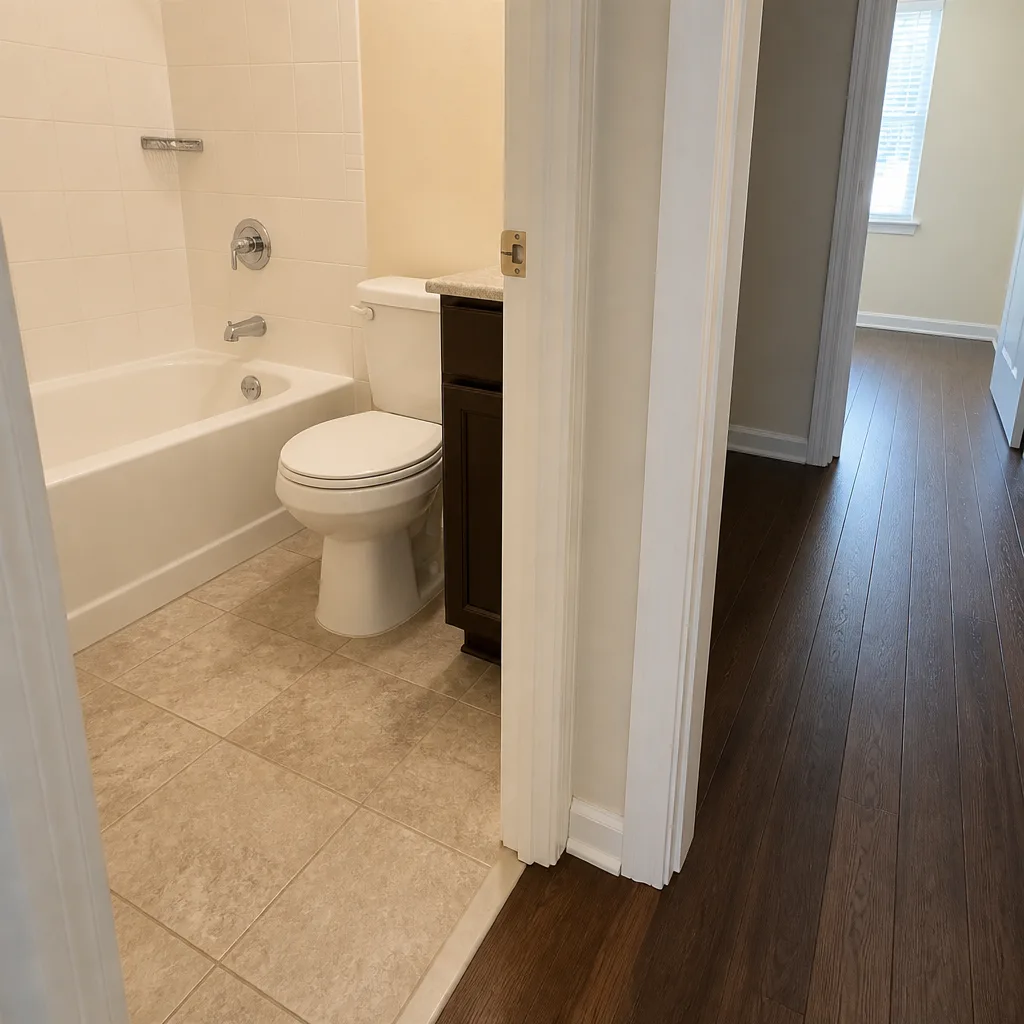
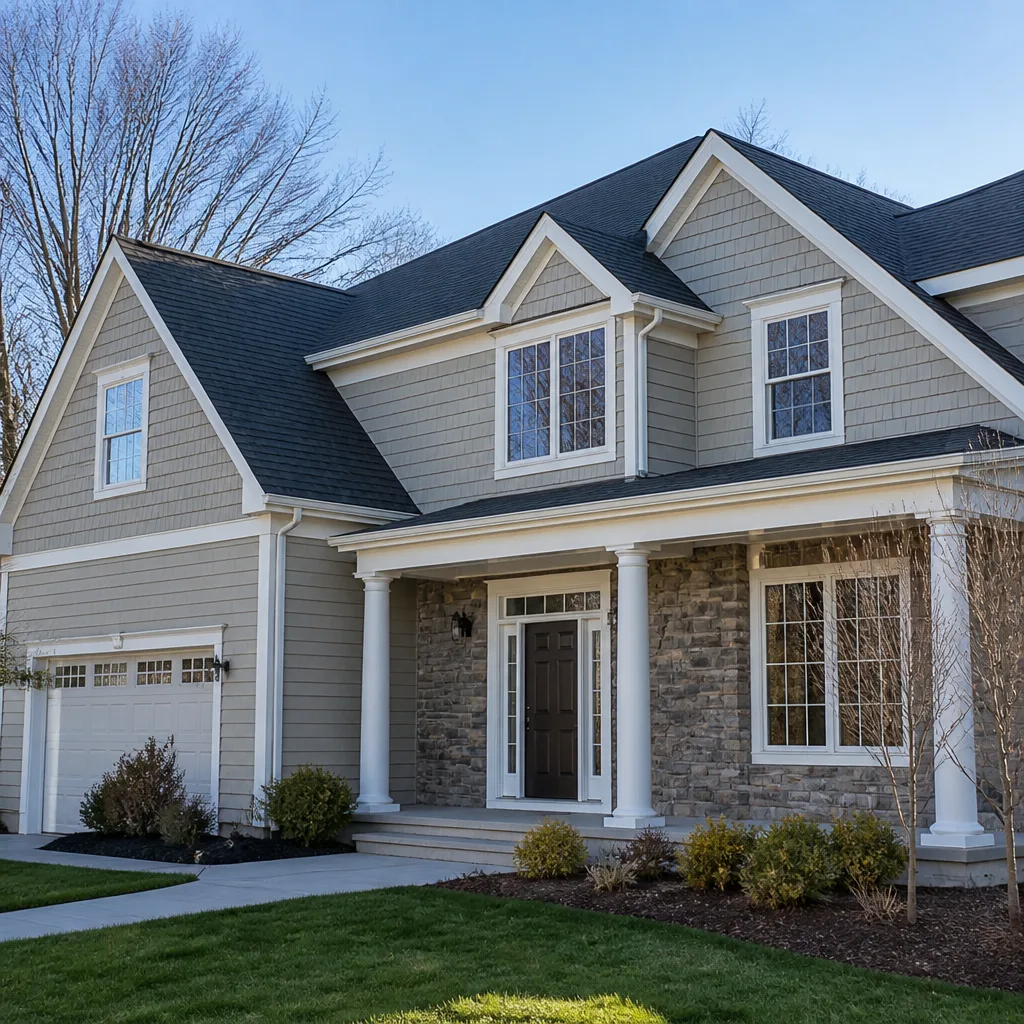
 Before
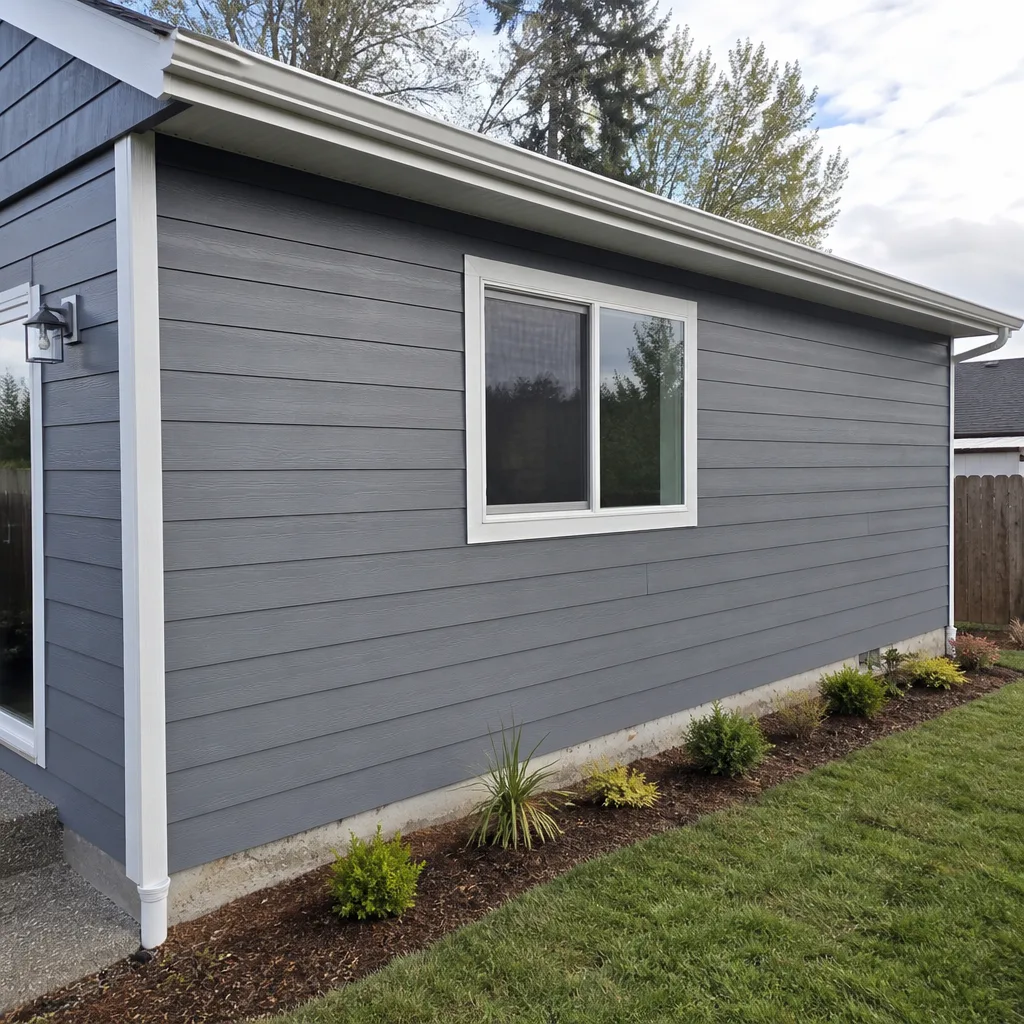 After
After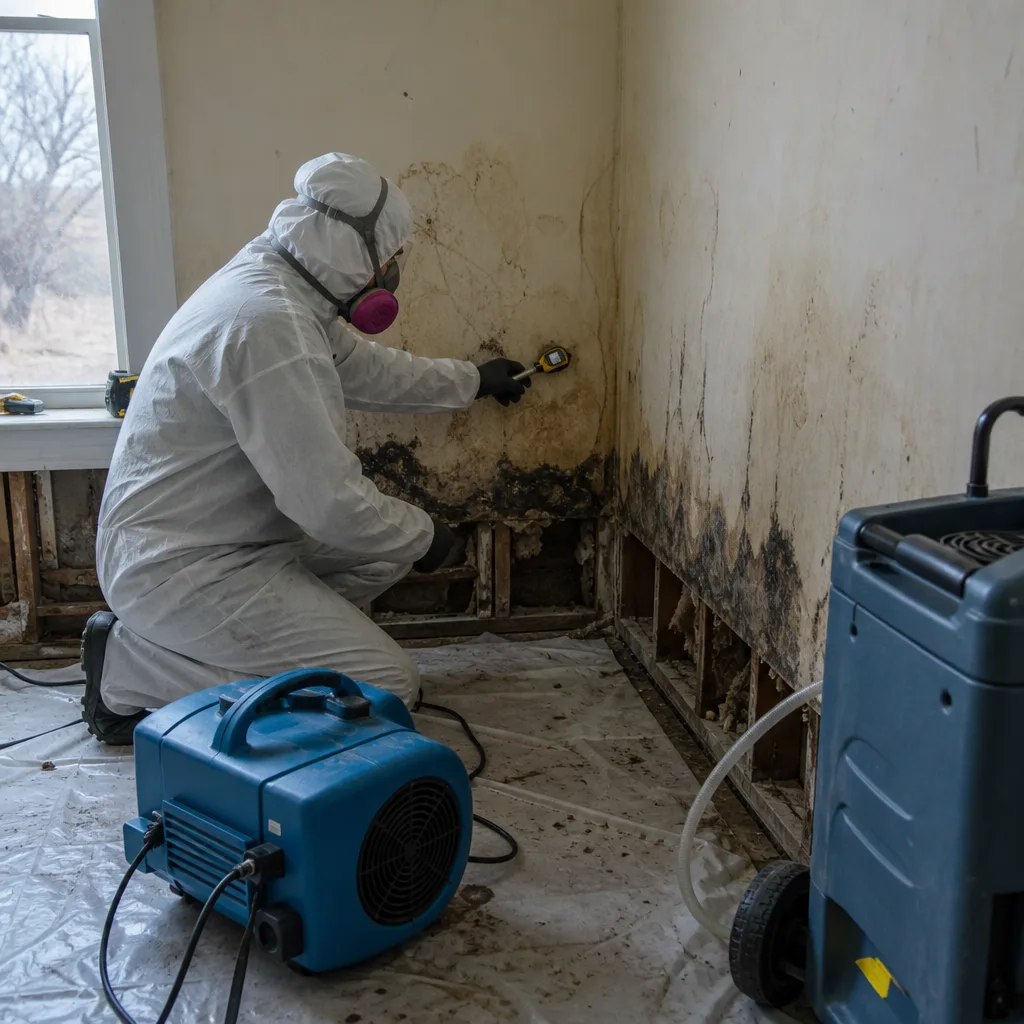 Before
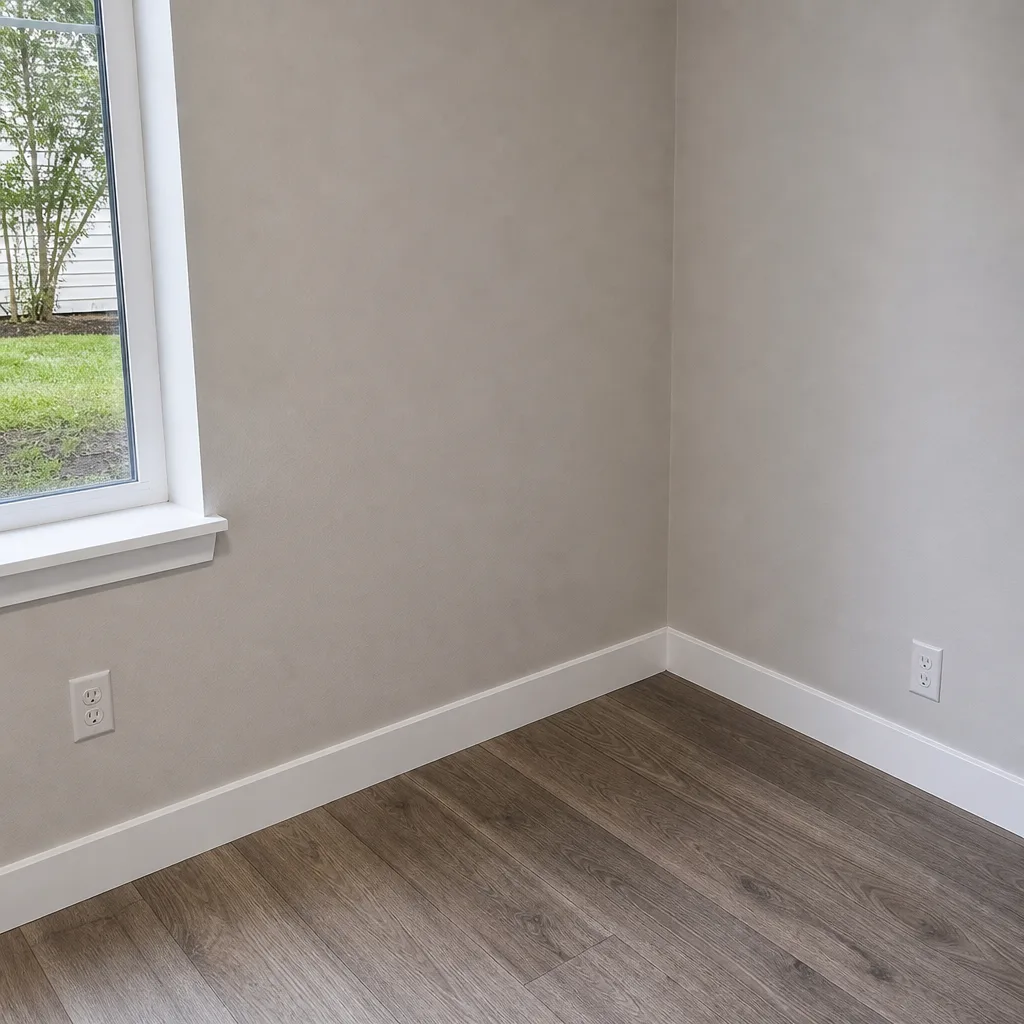 After
After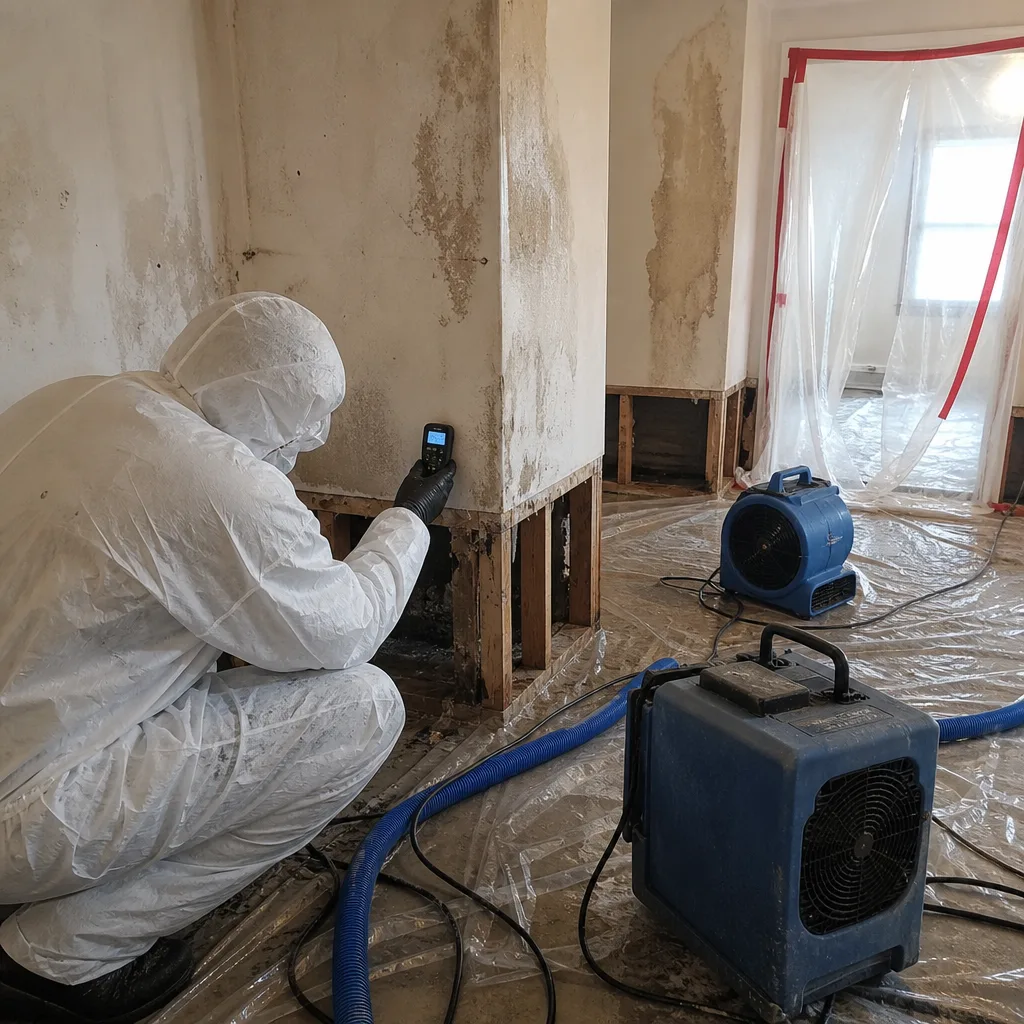 Before
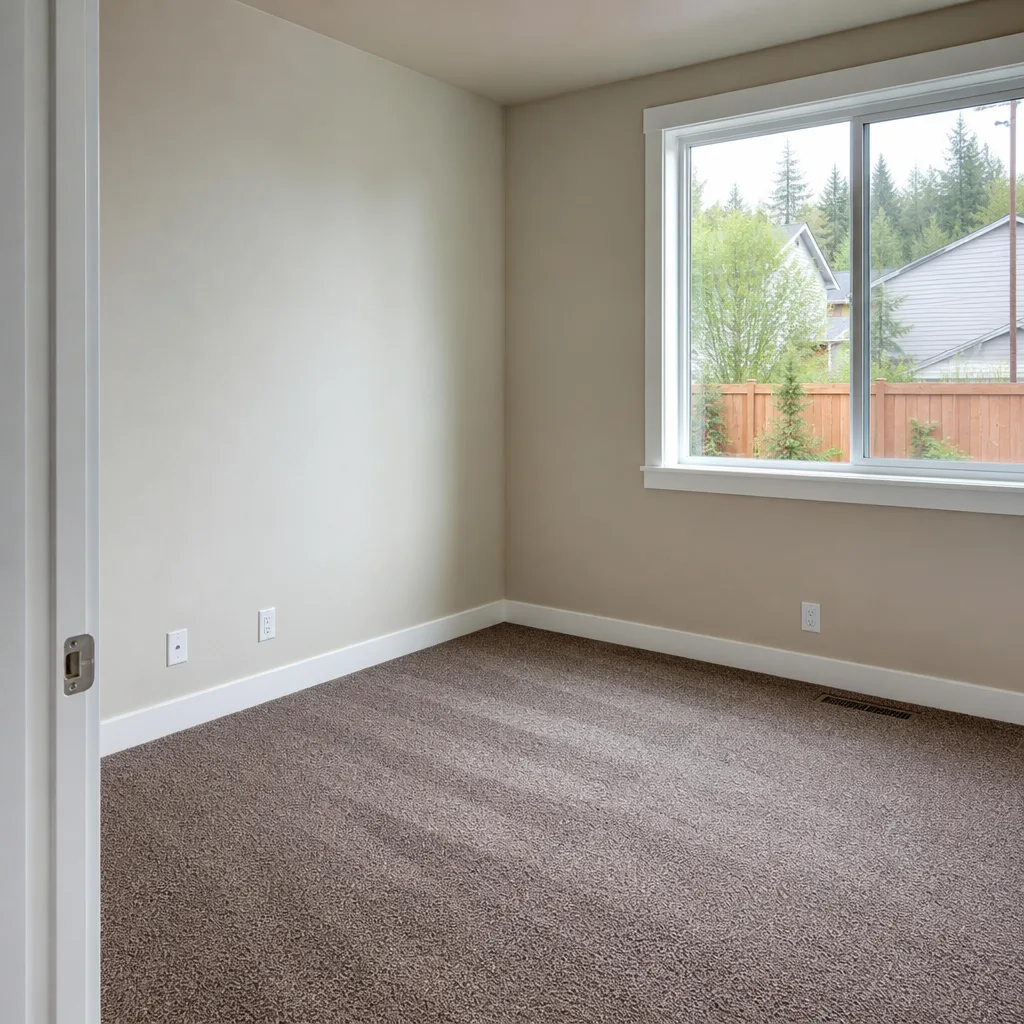 After
AfterFast, Reliable Water Damage Restoration Across Mill Creek
Water damage restoration in Mill Creek, WA typically costs $2,800-$6,500 for a standard residential drying job, with emergency extraction starting at $1,200 and full reconstruction reaching $15,000+ when wall cavities and roofing are involved. Most Mill Creek homeowners see our crew on-site within 45-60 minutes of calling (360) 822-3055, because we dispatch from our Seattle office and know the corridor well. If you’re standing in water right now, call us. If you’re researching after a storm, here’s what Mill Creek’s specific climate and housing stock mean for your home.
Mill Creek sits in the Puget Sound Convergence Zone, where opposing marine air masses stall and intensify directly over southern Snohomish County. That geographic fact shapes every restoration job we do here. Our Water Damage Restoration team has handled hundreds of Mill Creek calls since 2011, and we’ve learned that wind-driven rain events outnumber simple plumbing failures in this market by a wide margin. The combination of heavier storm precipitation, mature Douglas fir stands, and 1985-2005 wood-frame construction with aging hardboard siding creates failure patterns you won’t see in Seattle or Bellevue.
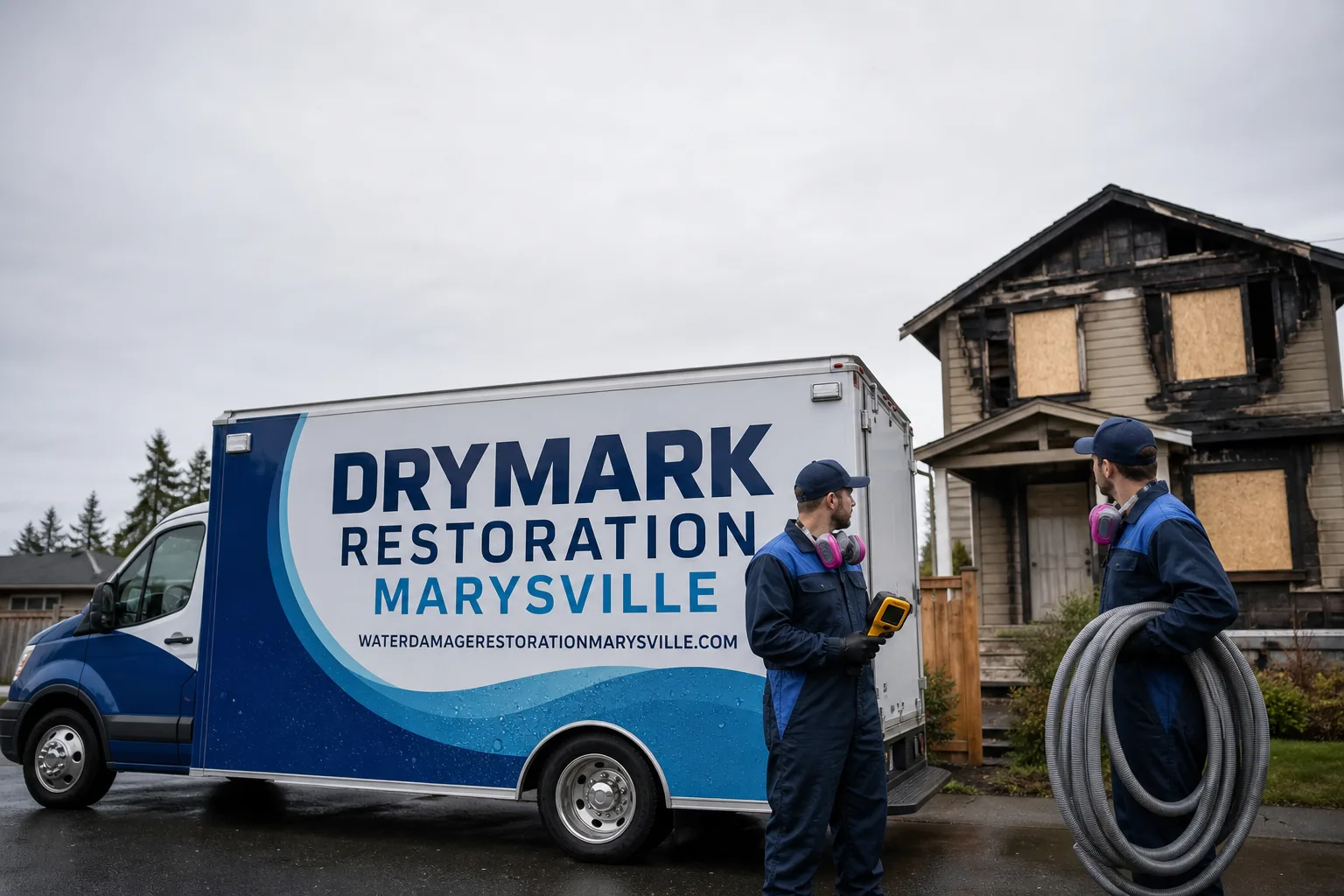
Why DryMark Restoration Marysville Is Mill Creek’s Preferred Water Damage Restoration Company
We’ve restored more than 12,000 homes since 2011, every one with a written price before work started and a documented record when the crew left. Mill Creek homeowners find us through referrals from local insurance adjusters who’ve learned that our daily drying logs, room-by-room moisture readings, and photo-documented visits produce claims that pay without dispute. Our three-star reviews get read, and they consistently mention the same thing: we show the documentation, we explain the numbers, and we don’t start until the homeowner signs a written scope.
Response time to Mill Creek runs 45-60 minutes on emergency calls, coordinated from our Seattle office with crews already positioned along the I-5 and Bothell-Everett Highway corridors. We know the local road network, the FEMA flood zones near the Mill Creek waterway and its wetland buffers, and the specific construction eras in neighborhoods like Mill Creek Country Club, Eastmont, and the Town Center area. That local knowledge matters when we’re deciding whether a job needs standard extraction or full containment for category 2/3 water.
Alicia Brennan built this company around the documentation gap that costs homeowners their claims. Every technician who enters a Mill Creek home is background-checked, uniformed, and licensed, with their credentials verifiable on request. Live person answers every call, 24 hours a day, 7 days a week. No voicemail trees while water is still moving through your walls.
Our Water Damage Restoration Services in Mill Creek

Emergency Water Extraction
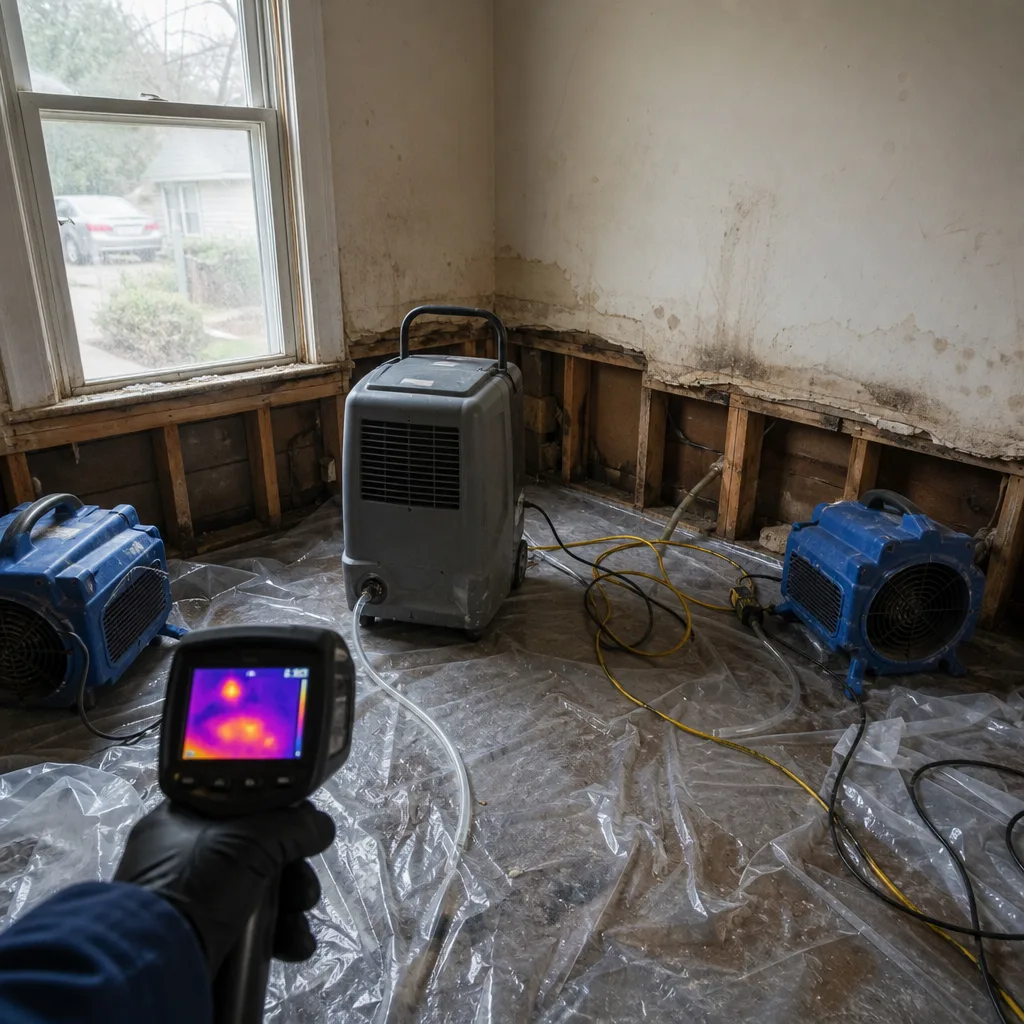
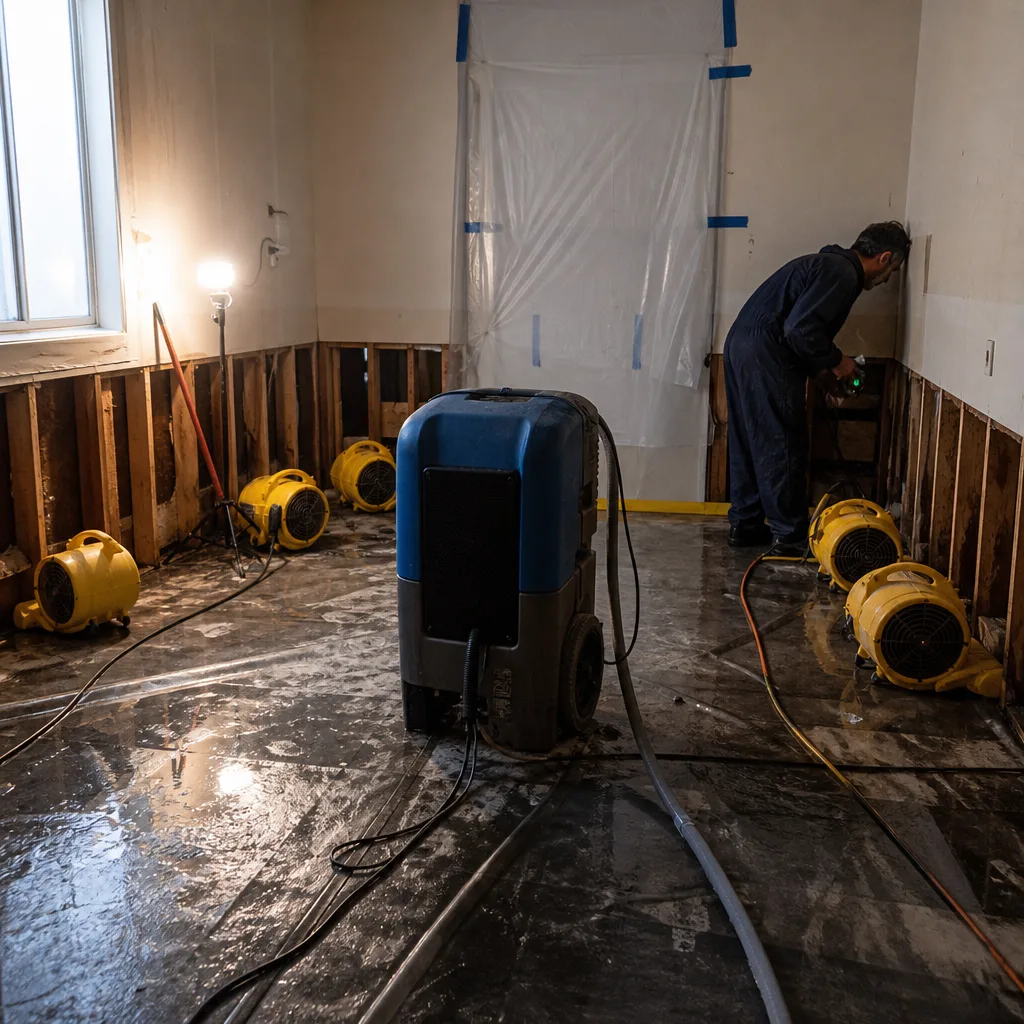
When a convergence-zone windstorm snaps a mature conifer onto your roof or drives rain sideways through failing hardboard siding, speed matters. But speed without documentation creates claim problems later. Our emergency extraction in Mill Creek begins with photo documentation of the loss area, moisture mapping with thermal imaging, and a written scope before the first pump starts. We deploy truck-mounted extraction units and portable submersibles from B-Air and Dri-Eaz, with capacity to handle category 1 clean water through category 3 sewage-contaminated flooding. For homes in the FEMA Special Flood Hazard Areas near the Mill Creek waterway, we assess stormwater backup versus groundwater intrusion to determine the correct water classification, which directly affects your insurance coverage and our treatment protocol.
Structural Drying & Dehumidification
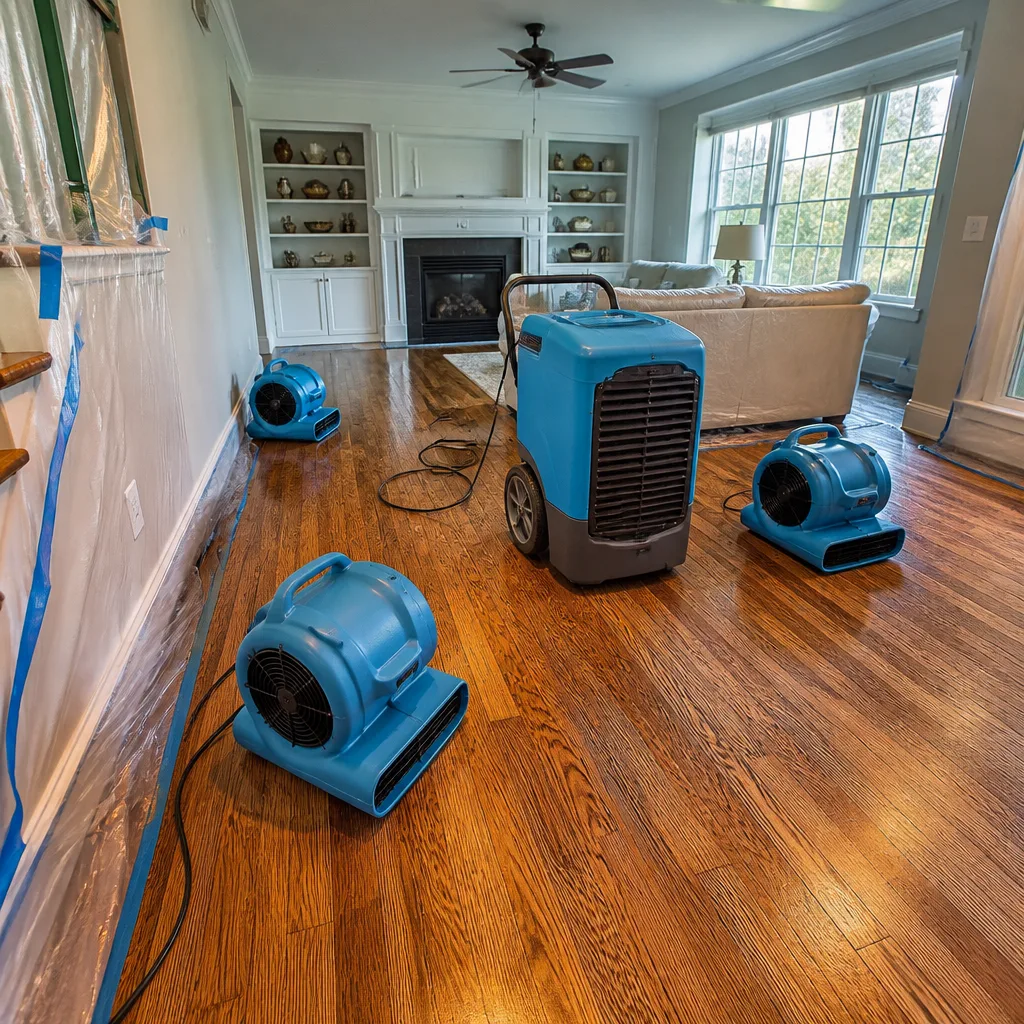
Mill Creek’s 1985-2005 housing stock presents a specific drying challenge: fiberglass batt insulation in wall cavities absorbs and holds water silently. By the time mold is visible at baseboard level, the cavity damage is typically extensive. We don’t assume standard Seattle-area drying timelines apply here. The Convergence Zone delivers measurably higher rain intensity and duration over the Everett-to-Bothell corridor, so we size our dehumidification more aggressively. Our crews use Dri-Eaz and Phoenix air movers with large desiccant dehumidifiers to drive vapor pressure differentials, the force that moves moisture from wet materials into dry air. Daily psychrometric data, temperature, relative humidity, and specific humidity, is logged and delivered to you and your adjuster. We document to IICRC, RIA, and IFA standards because that documentation turns restoration invoices into payable claims.
Flood Cleanup
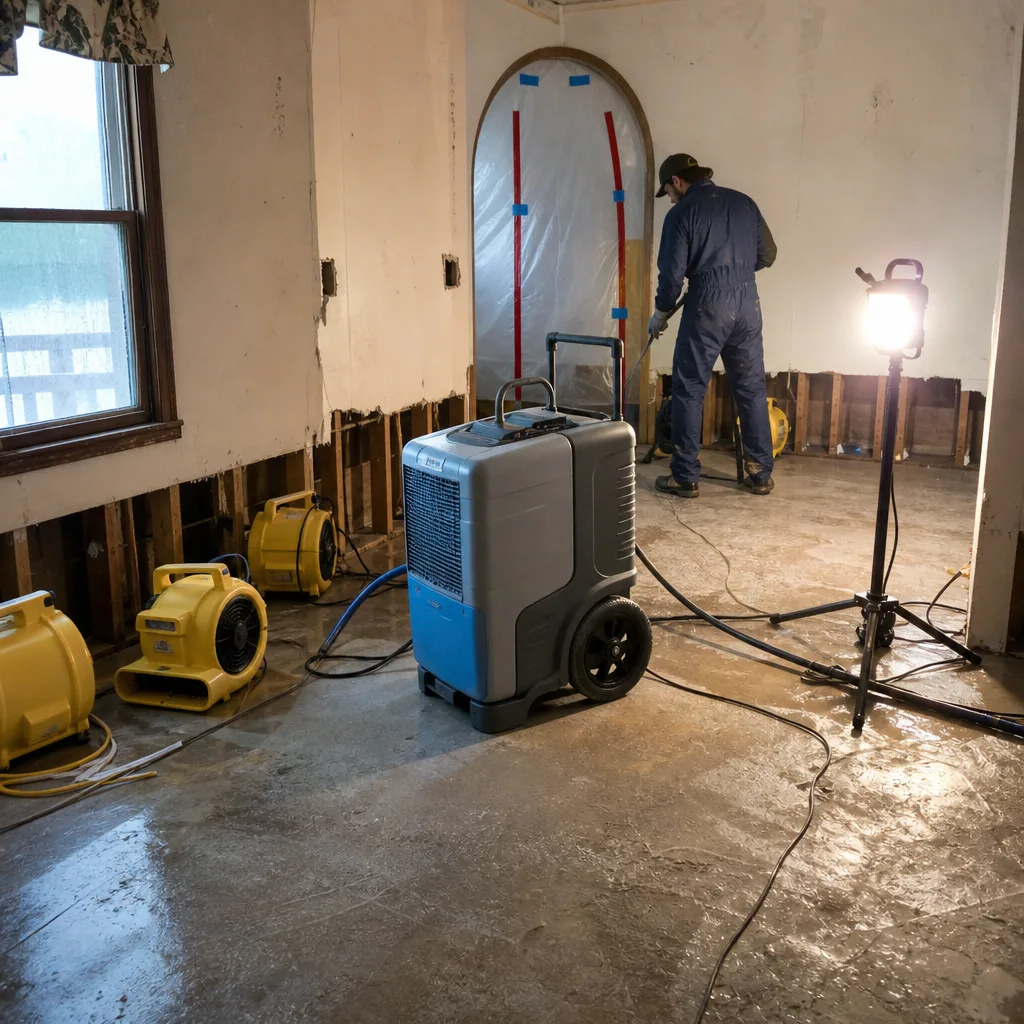
Flood cleanup in Mill Creek requires understanding two distinct sources: the FEMA-mapped flood zones along the actual Mill Creek waterway and its preserved wetland buffers, where stormwater backup and groundwater intrusion are recurring events, and the more common wind-driven rain flooding from convergence-zone storms. Each source carries different water classifications, different insurance implications, and different treatment requirements. We assess, document, and explain both before work begins. Our flood cleanup includes extraction, antimicrobial treatment, controlled demolition of unsalvageable materials, and full structural drying with daily moisture logs. For homes near the wetland buffers in the 98012 and 98082 ZIP codes, we specifically test for groundwater contaminants that standard stormwater may not carry.
Burst Pipe Restoration
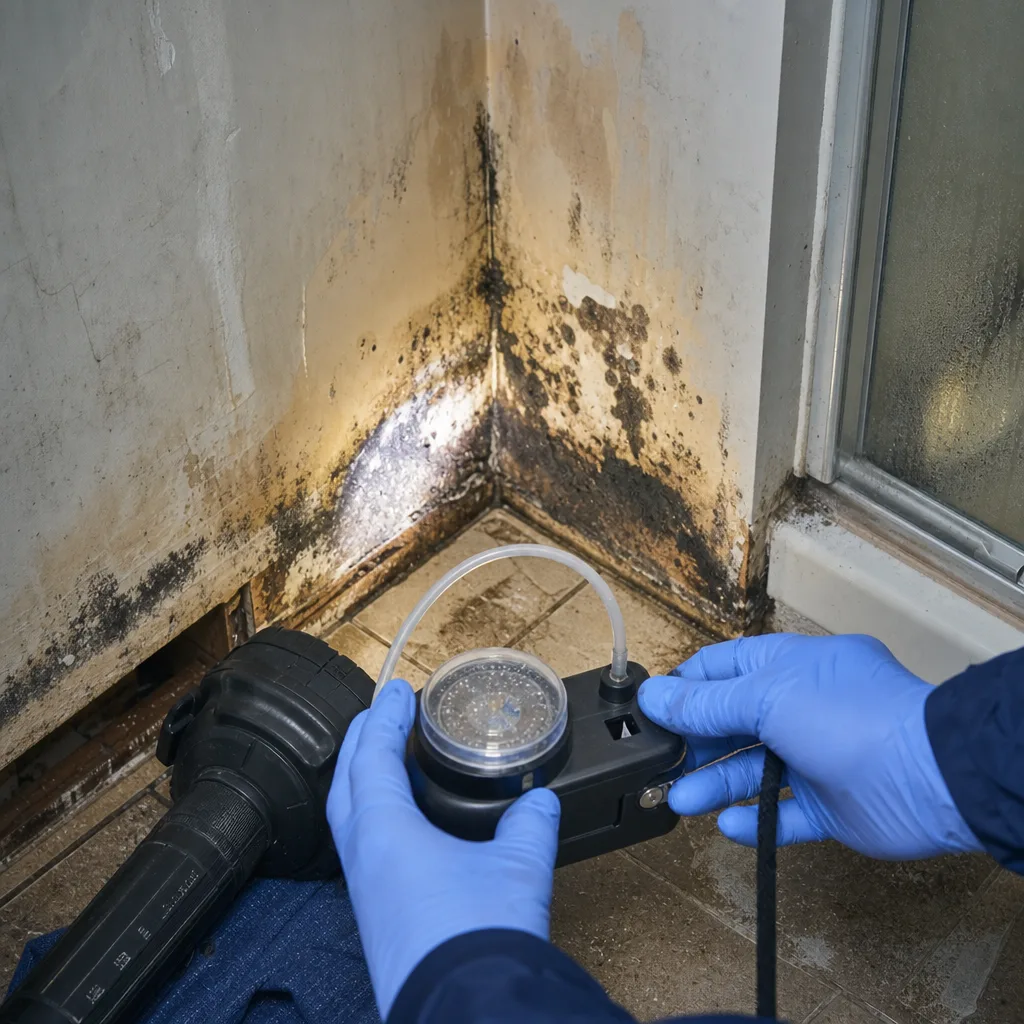
While Mill Creek’s water damage calls skew toward weather events, burst pipes still happen, especially in the original 1980s-era plumbing systems now reaching end of service life. A burst pipe in a two-story colonial off 164th Street SE or along the Mill Creek Boulevard corridor can flood both levels before the homeowner locates the main shutoff. Our burst pipe restoration includes immediate extraction, pipe identification for your plumber, moisture mapping to trace migration paths through wall cavities and subfloors, and full structural drying with documented daily readings. We provide the photo record and written scope your insurance requires, and we coordinate directly with your adjuster if needed.
Ceiling & Roof Leak Water Damage
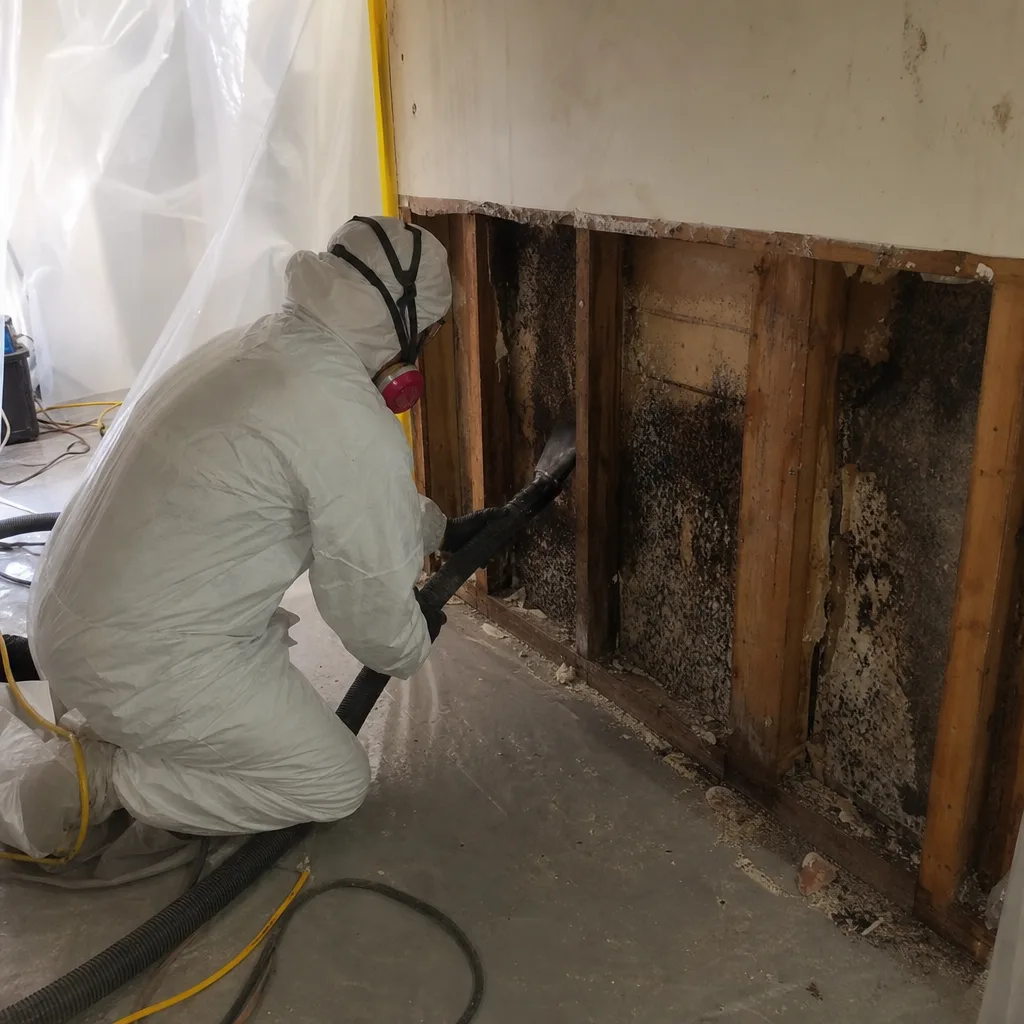
Our crew was called to a two-story colonial off Bothell-Everett Highway in the Mill Creek Town Center area after a convergence-zone windstorm snapped a mature Douglas fir across the roof deck and drove rain sideways under the 30-year-old hardboard lap siding on the windward wall. We ran water extraction on the soaked carpet, moisture mapping with thermal imaging along the wall cavity, and found the fiberglass batt insulation acting like a sponge, hidden mold was already spreading behind the baseboard while the visible ceiling stain looked minor. We set containment, applied antimicrobial treatment, and used Dri-Eaz and Phoenix air movers with a large desiccant dehumidifier to bring the cavity below 15% WME before rebuilding the drywall and siding. This two-phase pattern, visible roof damage plus hidden wall-cavity saturation, is so common in Mill Creek that we now treat every conifer-impact call as a full-structure assessment.

What happens when you call
- 1
A real person answersNo phone trees - you reach a local pro.
- 2
You get an upfront price rangeHonest numbers before anyone is dispatched.
- 3
A background-checked tech heads outLicensed & insured, dispatched right away.
- 4
You approve before work beginsNothing starts until you say go.
BeforeAfterCommon Water Damage Restoration Problems We See in Mill Creek Homes
- Convergence-zone windstorm damage to mature conifers. Mill Creek’s master-planned development deliberately preserved large Douglas fir and western red cedar stands. When those trees, now 40-60 years old, snap in windstorms, they don’t just puncture roofs. They create entry points for the sustained, wind-driven rain that follows, and that rain forces under aging hardboard siding laps where homeowners can’t see it.
- Hidden wall-cavity mold behind intact baseboards. The fiberglass batt insulation standard in 1985-2005 Mill Creek construction holds water silently. Homeowners see a small ceiling stain, assume the problem is minor, and don’t realize the cavity behind their drywall has been wet for days. By the time mold appears at baseboard level, remediation requires controlled demolition rather than simple drying.
- Stormwater backup in FEMA-mapped flood zones. Portions of Mill Creek near the waterway and wetland buffers sit in Special Flood Hazard Areas. These aren’t rare catastrophes, they’re recurring restoration calls. Standard homeowners insurance often excludes flood damage but covers water damage from backup, and the distinction matters for both coverage and our treatment protocol.
- Aging hardboard (Masonite-style) siding delamination. Three decades of Puget Sound moisture exposure has swollen and delaminated the hardboard lap siding common to Mill Creek’s original build-out. Once the protective surface fails, even moderate wind-driven rain penetrates at seams, seeding chronic moisture intrusion that standard exterior inspections miss.
Pricing for Water Damage Restoration in Mill Creek, WA
We publish ranges because Haven Standard, Clause 1 requires a written price before work begins, and that price should never surprise you. For Mill Creek’s market, typical costs run as follows:
- Emergency water extraction: $1,200-$2,400
- Structural drying & dehumidification (standard residential): $2,800-$4,500
- Wall-cavity remediation with controlled demolition: $4,200-$7,800
- Full reconstruction after significant roof/siding damage: $8,500-$15,000+
- Category 3 (sewage-contaminated) water restoration: 30-50% premium over category 1
What moves you within these ranges: affected square footage, water category (clean, gray, or black), whether wall cavities require opening, presence of mold requiring containment, and whether roofing or siding reconstruction is included. Every Mill Creek job receives a written scope with line-item pricing before work starts. No exceptions. We also offer a Free Second Opinion on any competitor’s written estimate, bring their quote and we’ll review it at no charge.
Call (360) 822-3055 for your exact written price. Estimates are free.
We Also Serve Cities Near Mill Creek
Our crews respond throughout southern Snohomish County and north King County, including Water Damage Restoration in Mill Creek and surrounding communities. We regularly serve Lynnwood, Mukilteo, Snohomish, and Mountlake Terrace with the same documentation standards and response protocols. Dispatch and scheduling are coordinated from our Seattle office; crews serve Mill Creek locally with no cross-metro delay.
Serving Mill Creek, WA - Our Local Coverage Area
We’re based in the Mill Creek area and know this community well. Use the map below to see our service coverage - if you’re nearby, we can almost certainly help.
FAQs - Water Damage Restoration in Mill Creek
Shut off electrical power to affected areas if safe to do so, document visible damage with photos for your insurer, and call (360) 822-3055 for emergency extraction. Do not wait for the rain to stop, wind-driven rain forced under siding continues saturating wall cavities even after the storm passes. Our crew will arrive with moisture mapping equipment to trace hidden migration paths and provide a written scope before starting work.
Mill Creek’s 1985-2005 housing stock used fiberglass batt insulation that holds water silently, and the hardboard siding common to that era allows wind-driven rain to penetrate at laps. By the time mold appears at baseboard level, the cavity damage is typically extensive. Thermal imaging and moisture meters find what eyes cannot. Call (360) 822-3055 for cavity assessment before visible mold spreads.
It depends on your policy and the water source. Standard homeowners insurance typically covers sudden water damage from backup through sewers or drains but excludes damage from rising surface water (true flood). Mill Creek homes in FEMA Special Flood Hazard Areas near the waterway may require separate flood coverage. We document the exact water source and classification to support your claim, and we coordinate directly with adjusters. Call (360) 822-3055 and we’ll assess your specific situation.
We perform emergency tarping or temporary roof seal to stop active water entry, then extract standing water and begin moisture mapping while the storm continues. The critical step in Mill Creek is assessing the windward wall for rain forced under hardboard siding laps, this secondary damage often exceeds the visible roof puncture. Our two-phase protocol addresses both. Call (360) 822-3055 for immediate response during active storms.
Look for IICRC-certified technicians, documented adherence to RIA and IFA standards, and equipment from recognized manufacturers like Dri-Eaz, Phoenix, and B-Air. More importantly, look for documentation: daily moisture logs, photo records on every visit, and a written scope before work begins. These are not marketing claims, they’re the evidence that turns restoration invoices into payable insurance claims. DryMark Restoration Marysville provides all of these under The Haven Standard, including our 365-Day Done Right Promise. Call (360) 822-3055 to verify credentials and schedule assessment.
Written by Alicia Brennan, Owner at DryMark Restoration Marysville, serving Mill Creek since 2011.
Water Damage Restoration in Nearby Areas