
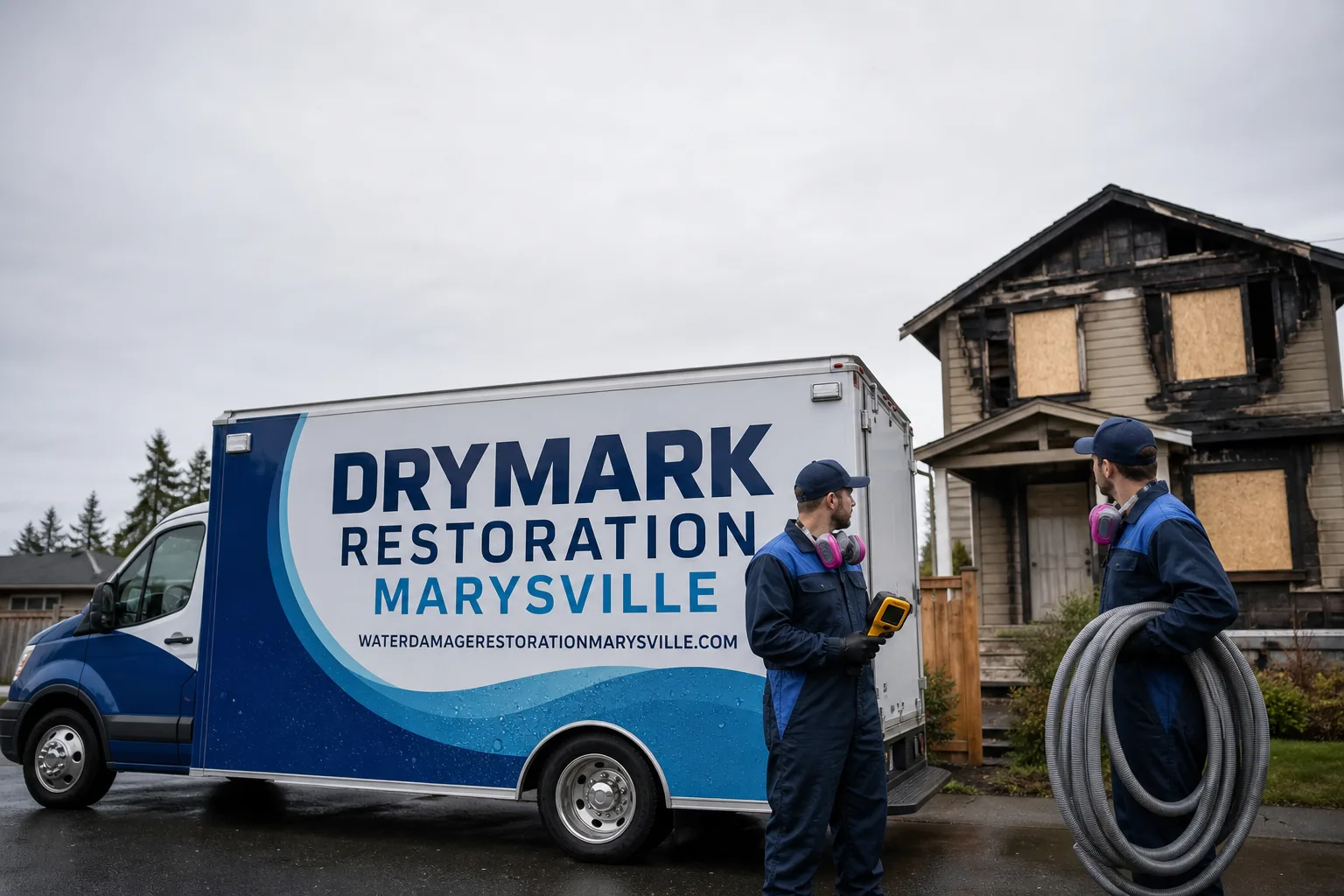
Free visual inspection and a written scope of work before any mitigation begins - photos, moisture readings, and drying logs go in your claim file
The scope we write is the scope we bill. Anything new gets shown to you, in writing, before we touch it.
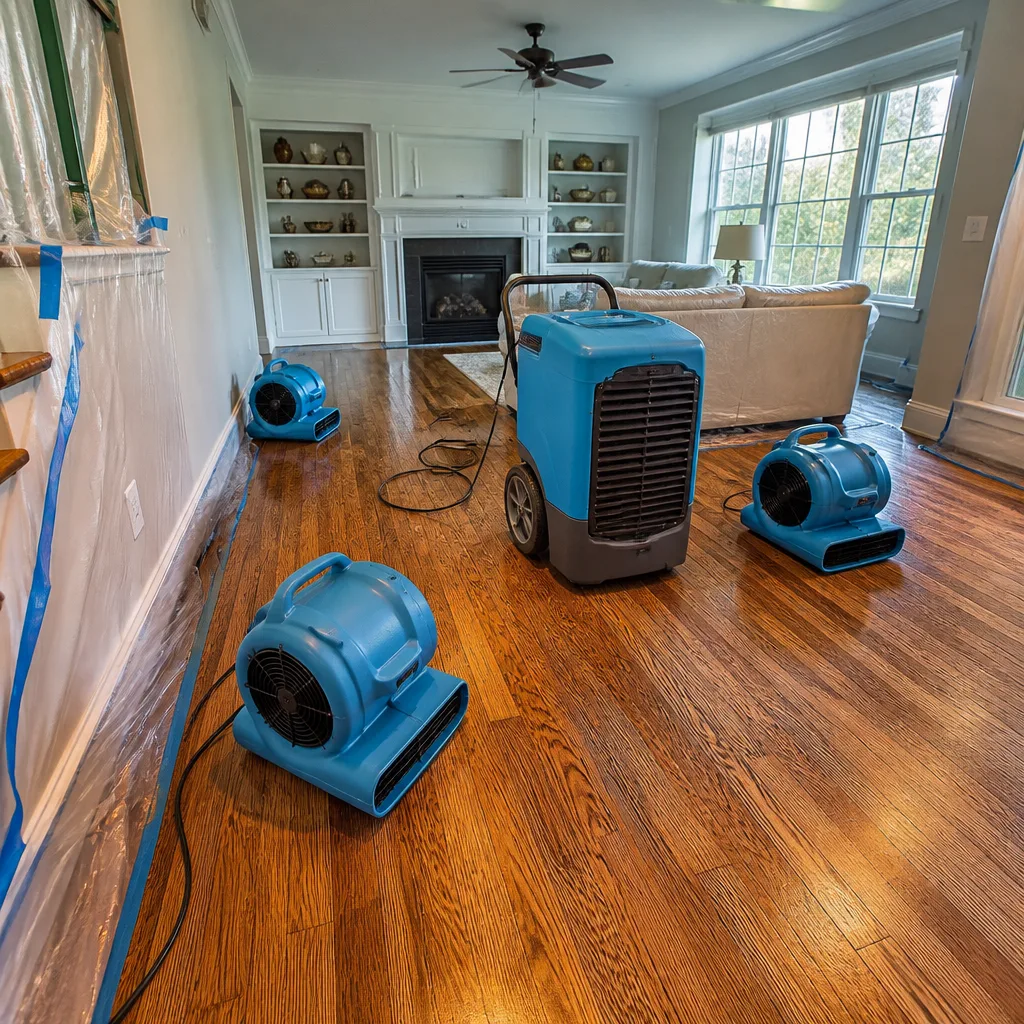
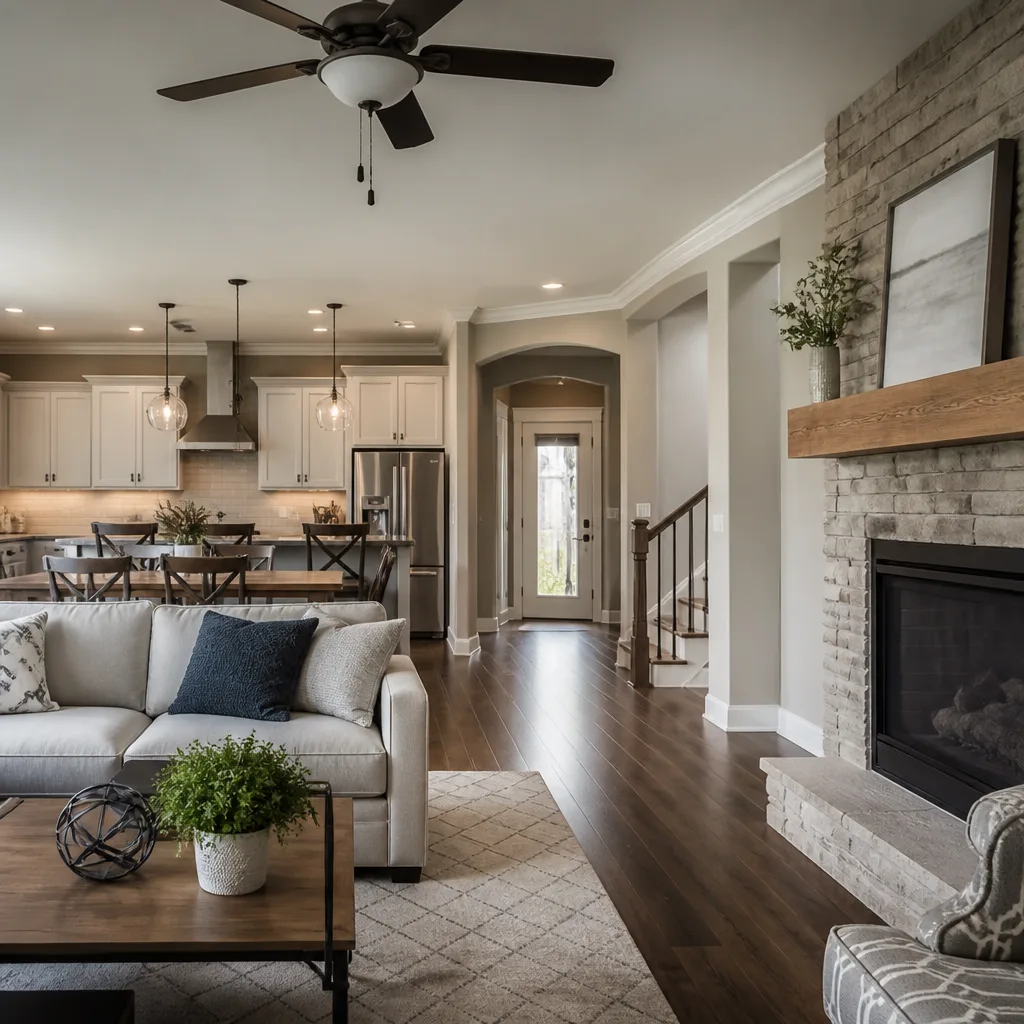
 Before
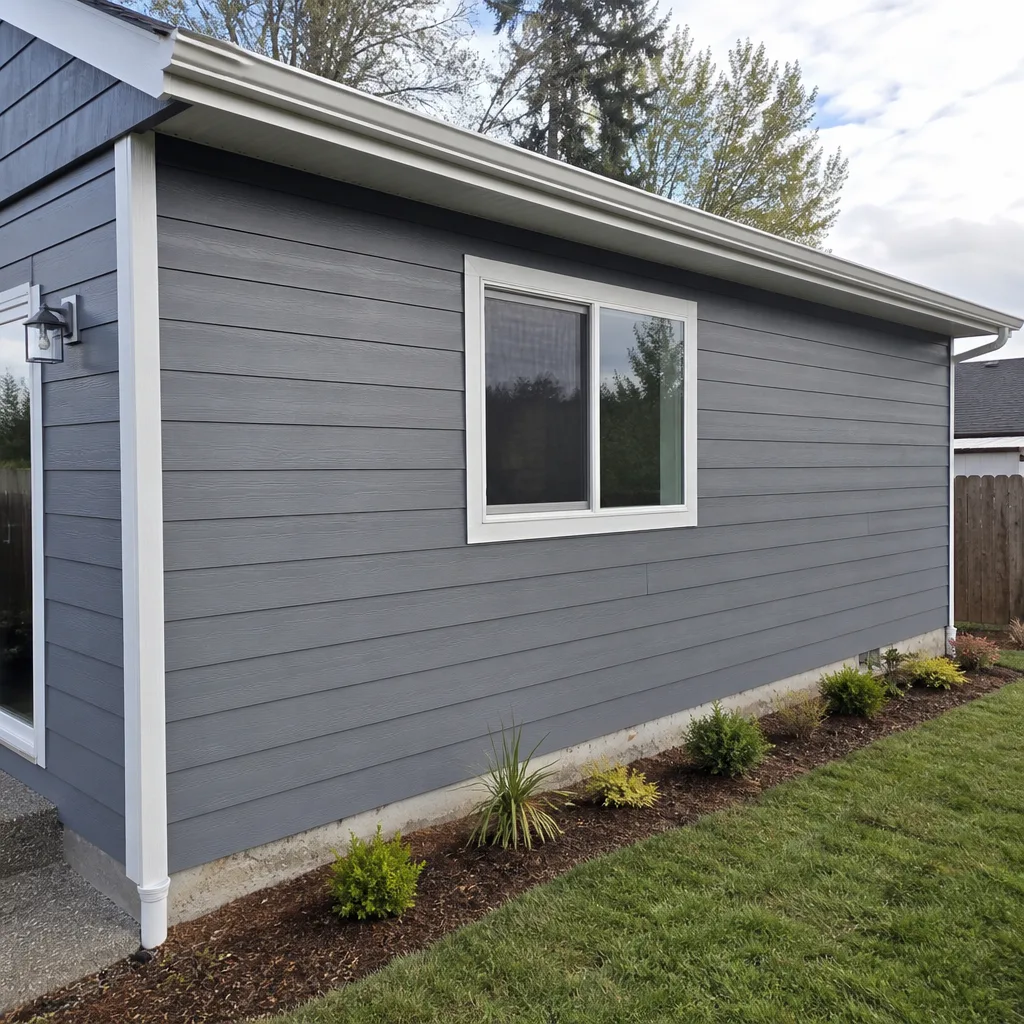 After
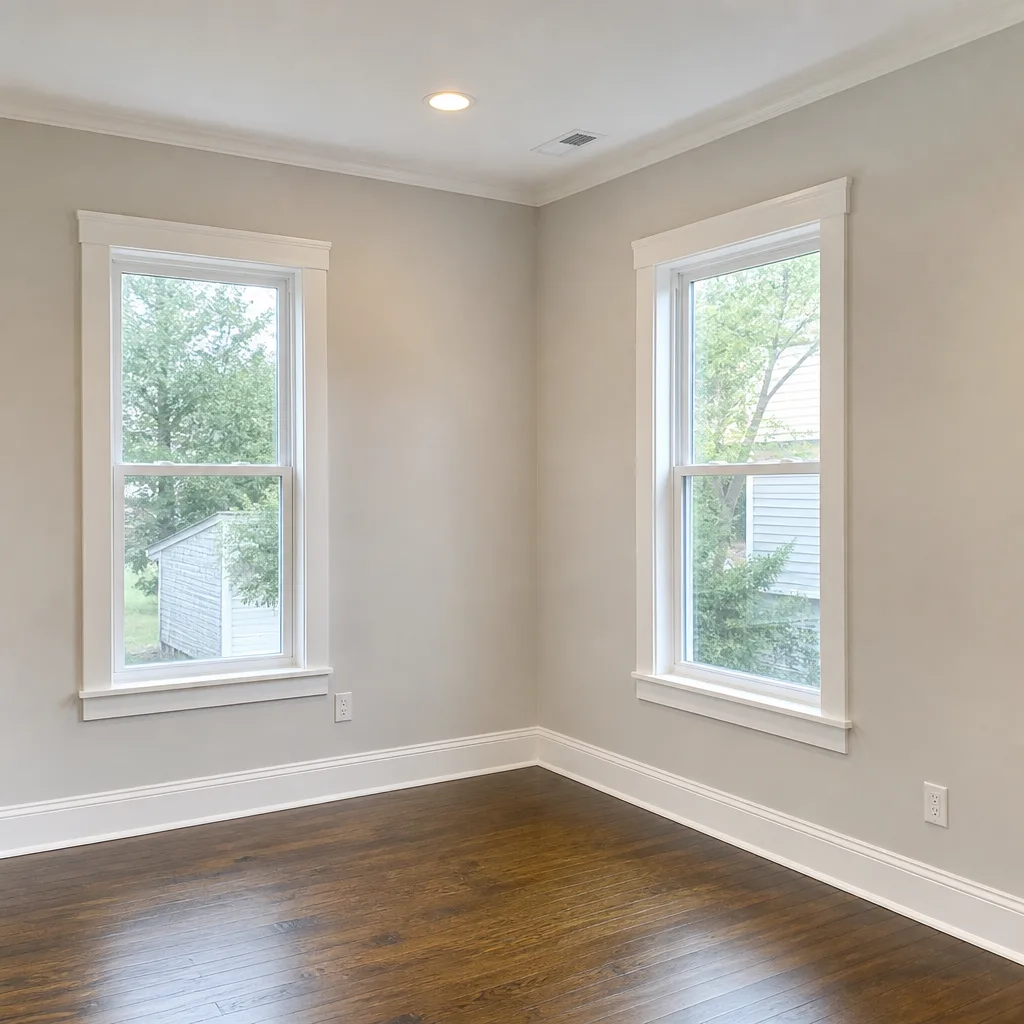
After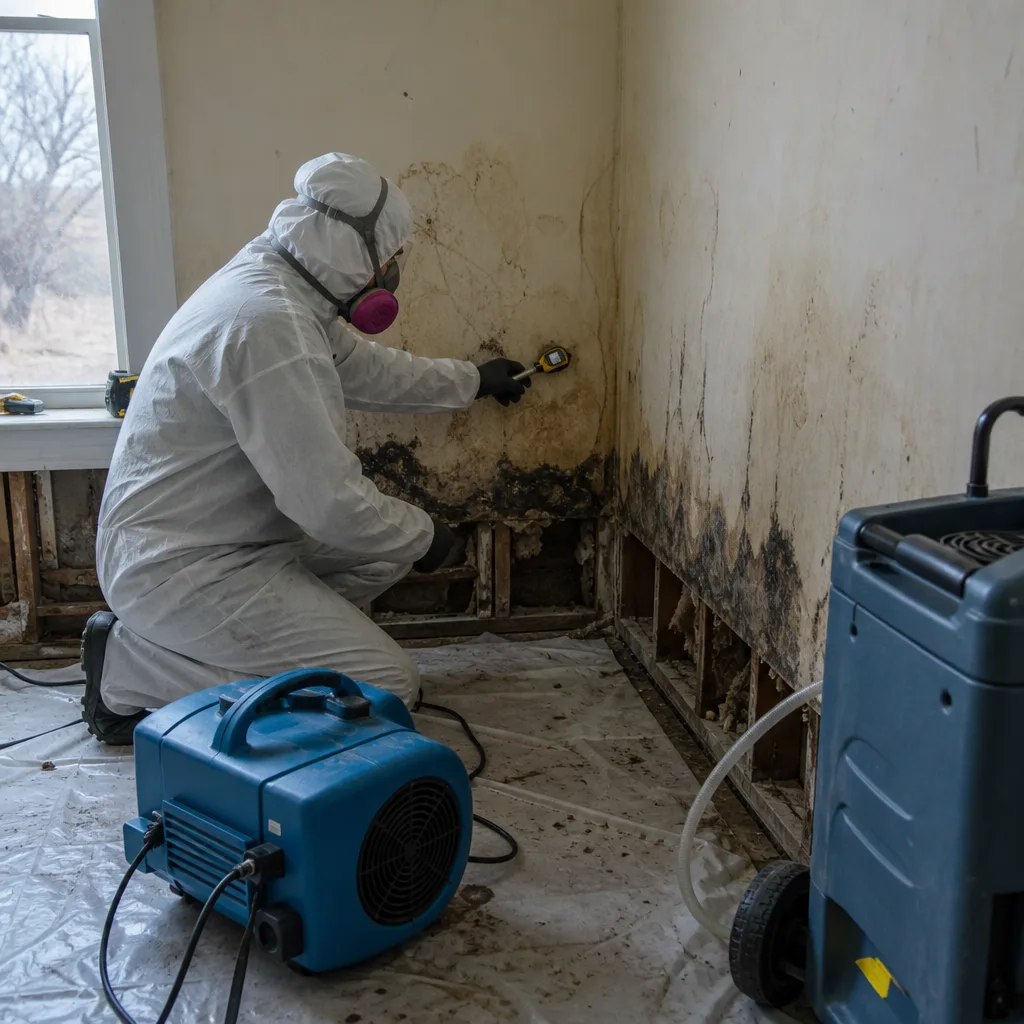 Before
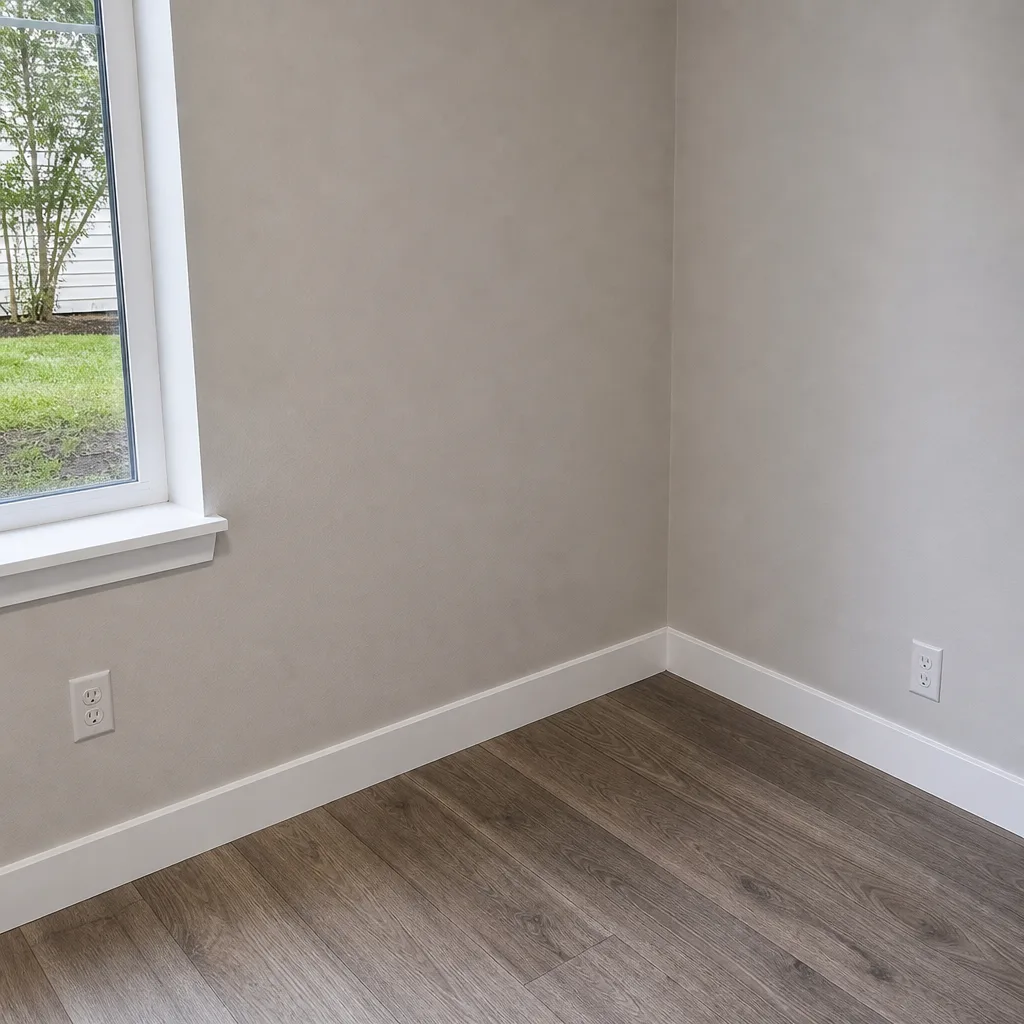 After
After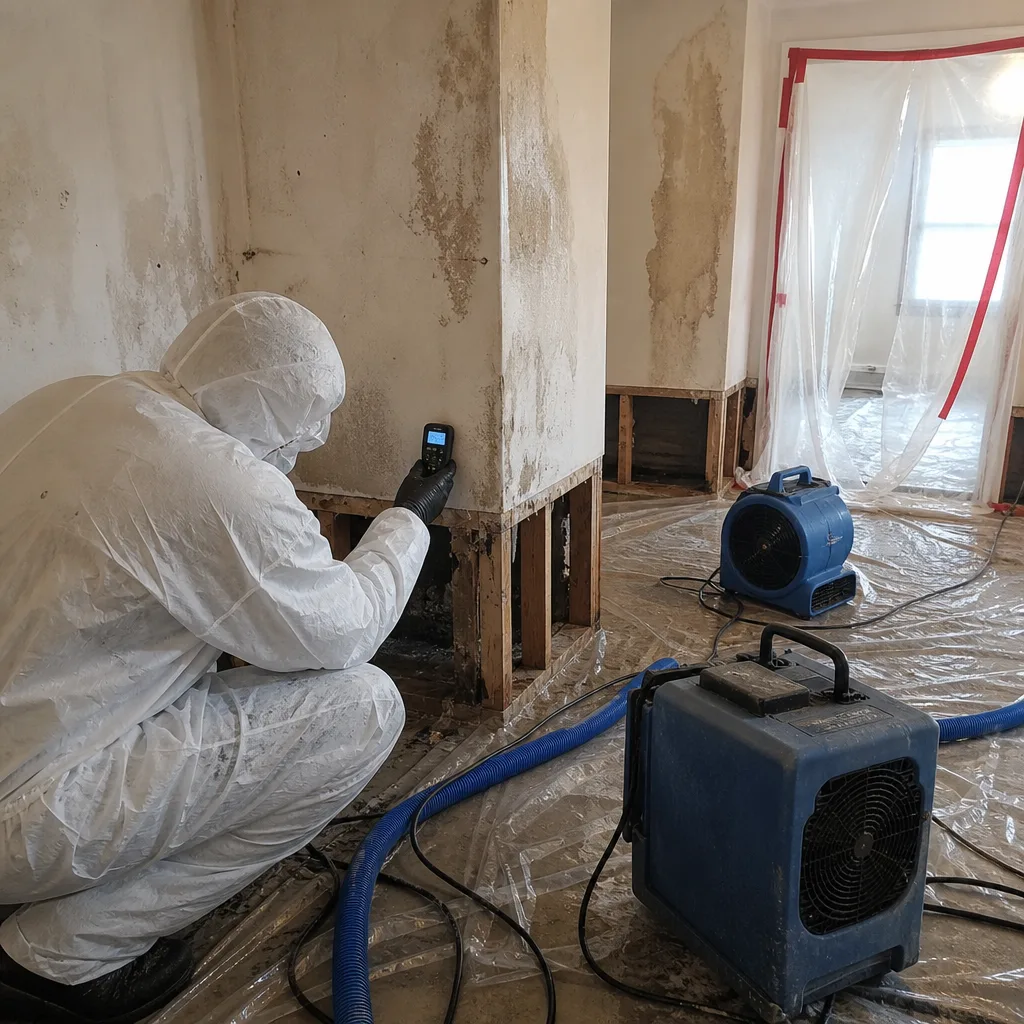 Before
 After
AfterFast, Reliable Water Damage Restoration Across Lynnwood
Water damage restoration in Lynnwood typically costs $2,800-$7,500 for a standard residential job, with emergency extraction starting at $1,200-$2,400 and full structural drying running $1,800-$3,600 depending on square footage and contamination category. Most Lynnwood calls receive a crew on-site within 60-90 minutes during business hours, with 24/7 live dispatch available for active leaks and flooding. Our Water Damage Restoration team coordinates dispatch from our Seattle office and routes crews directly to Lynnwood properties across the city, from the Alderwood Mall corridor to the apartment complexes lining Highway 99.
We’ve restored water-damaged homes and multi-family buildings in Lynnwood since 2011, and the pattern here is distinct from neighboring cities. Lynnwood’s concentration of 1960s-1970s construction, its prolonged October-May wet season, and the shared plumbing infrastructure in its older apartment corridors create restoration challenges that require local familiarity, not generic protocols. When water is still moving through your building, that familiarity translates directly into faster containment and a scope that captures everything the first time.
Call (360) 822-3055 now. A live person answers, 24 hours a day, 7 days a week. No voicemail trees.
Why DryMark Restoration Marysville Is Lynnwood’s Preferred Water Damage Restoration Company
Our reputation in Lynnwood was built on documentation that survives adjuster review. Alicia Brennan founded Back to Dry Restoration in 2011 after working as a claims adjuster and watching homeowners lose thousands on restoration invoices that lacked moisture logs, photo records, or written scopes. We don’t do that. Every Lynnwood job receives a written price before work begins, Haven Standard, Clause 1. Every visit produces a documented photo record. Every drying log tracks psychrometric data, the temperature, relative humidity, and vapor pressure measurements that prove the structure actually dried.
Lynnwood customers specifically mention our response clarity in reviews. They note that our technicians name the moisture reading, explain the material classification, and show the written scope before starting. That’s not accidental. It’s the documentation-first approach that turns a restoration invoice into a claim an insurer pays without a fight.
Response time to Lynnwood averages under 90 minutes for emergency calls, with crews staged to reach the Highway 99 corridor, the I-5 interchange area, and the neighborhoods near Edmonds Community College. We know which Lynnwood apartment complexes share galvanized risers, which 1970s tract homes have vented crawl spaces with no vapor barrier, and where the flat-roof breaches tend to recur. That local knowledge prevents the missed scope items that delay drying and inflate final costs.
Our Water Damage Restoration Services in Lynnwood
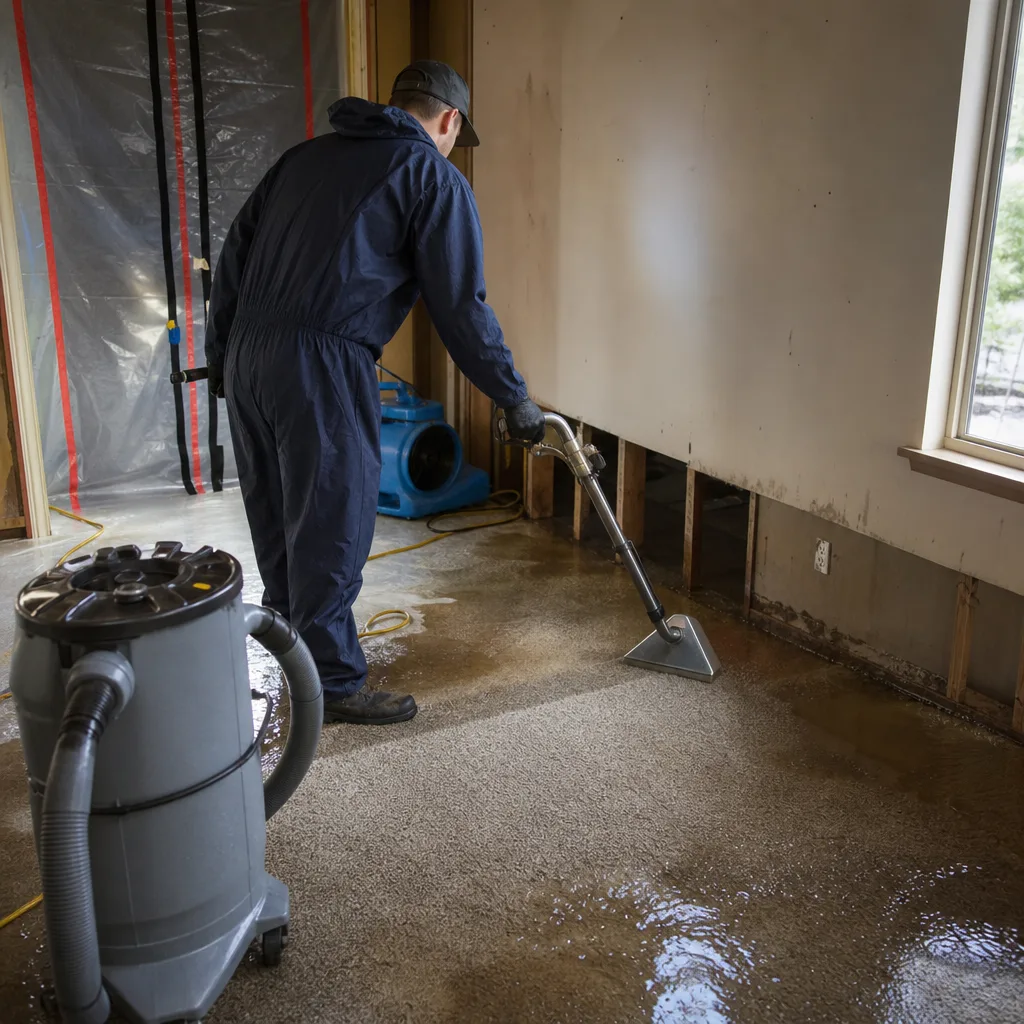
Emergency Water Extraction
Active water in a Lynnwood property requires immediate extraction to prevent category escalation and mold colonization. We deploy truck-mounted extraction systems and portable units for multi-story buildings with limited access. In Lynnwood’s older apartment complexes near Highway 99, we regularly extract water from multiple stacked units simultaneously when a shared riser fails. Our crew was called to a 1968 three-story apartment building off Highway 99 near 196th St SW after a pinhole leak in an original galvanized riser had been weeping into the wall cavity for an estimated three weeks. Our techs ran moisture mapping across the stacked units, contained the affected chase, and used Dri-Eaz air movers and Phoenix dehumidifiers to dry the assembled wall sections while antimicrobial treatment addressed the damp cavities. Because the leak was Category 2 and had saturated multiple floors, the scope of work expanded well past the original call, with daily drying logs documenting the multi-unit structural drying.
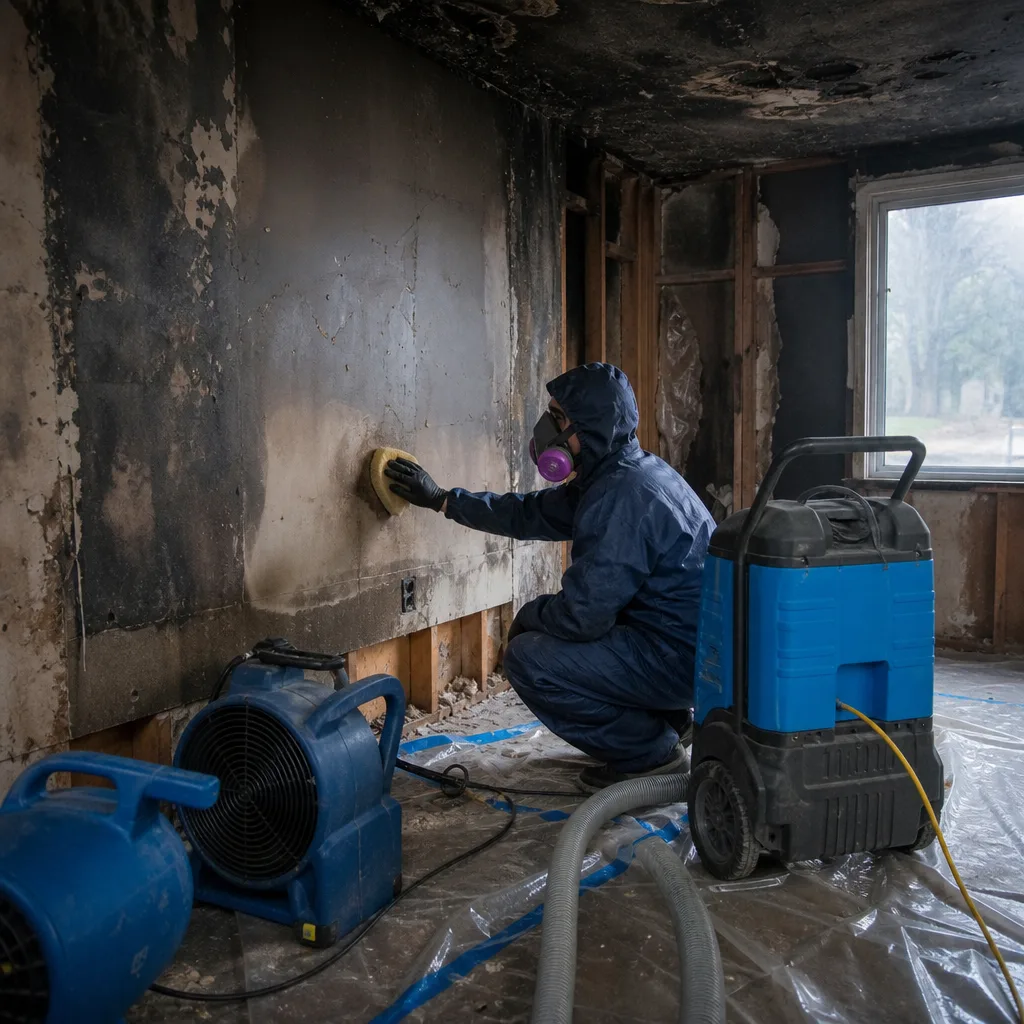
Structural Drying & Dehumidification
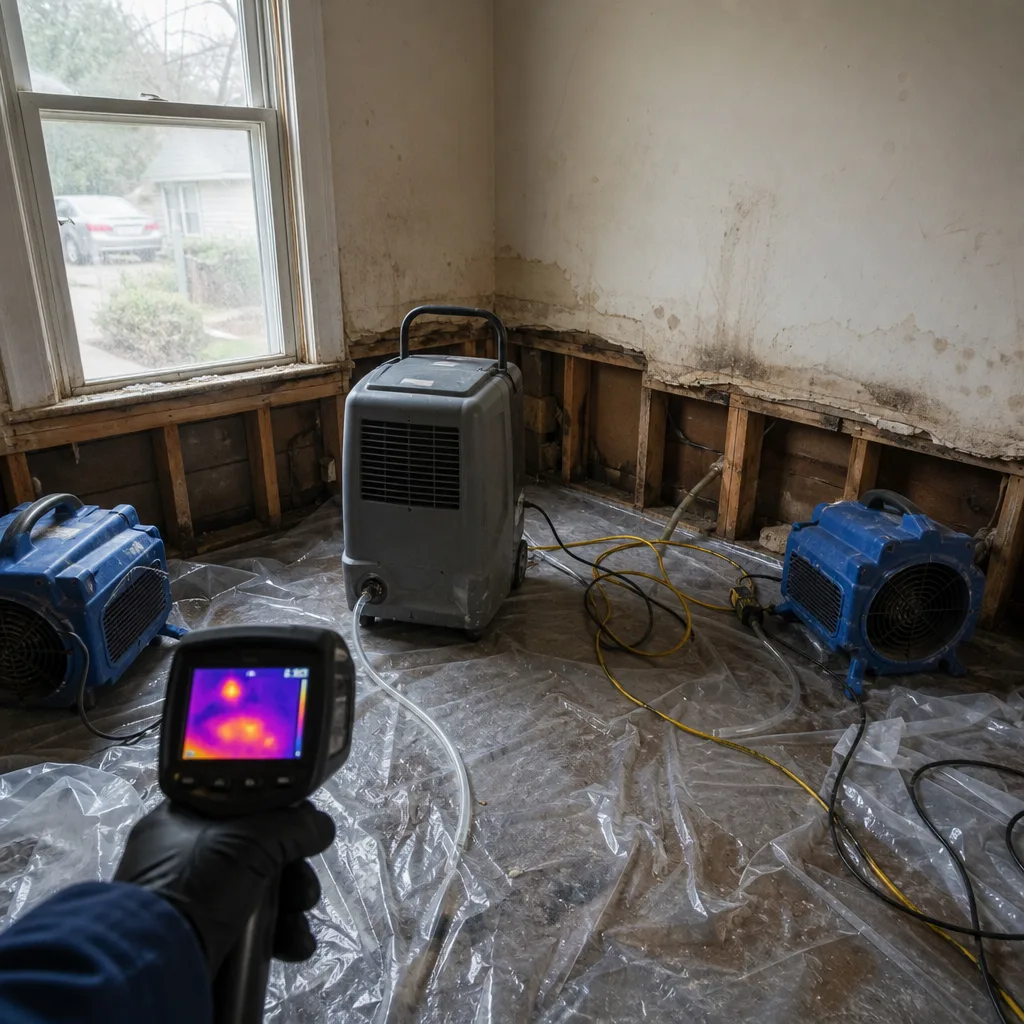
Lynnwood’s persistently humid climate from October through May makes structural drying a precision operation. We don’t guess. Our crews set up psychrometric monitoring, measuring vapor pressure differential to determine exactly when materials reach equilibrium moisture content. Equipment deployed includes professional-grade drying systems from Dri-Eaz, Phoenix, and B-Air, documented to IICRC, RIA, and IFA standards. In Lynnwood’s 1960s-1980s homes with vented crawl spaces, we frequently find that initial water extraction reveals secondary moisture intrusion from the soil below. The drying log captures this, the written scope is updated with the homeowner’s approval, and the documentation protects the claim.
Flood Cleanup
Flood events in Lynnwood, whether from overwhelmed storm drains, foundation seepage during sustained November rains, or failed sump systems in Alderwood-area basements, require category-specific protocols. Category 3 water, sewage intrusion or ground flooding, demands full antimicrobial treatment and often removal of porous materials. We document the contamination category in the initial photo record, establish the written scope before demolition begins, and provide the drying log that supports your insurance submission. Lynnwood’s flat topography in some neighborhoods near Swamp Creek contributes to drainage backups that other, hillier nearby cities don’t experience at the same frequency.
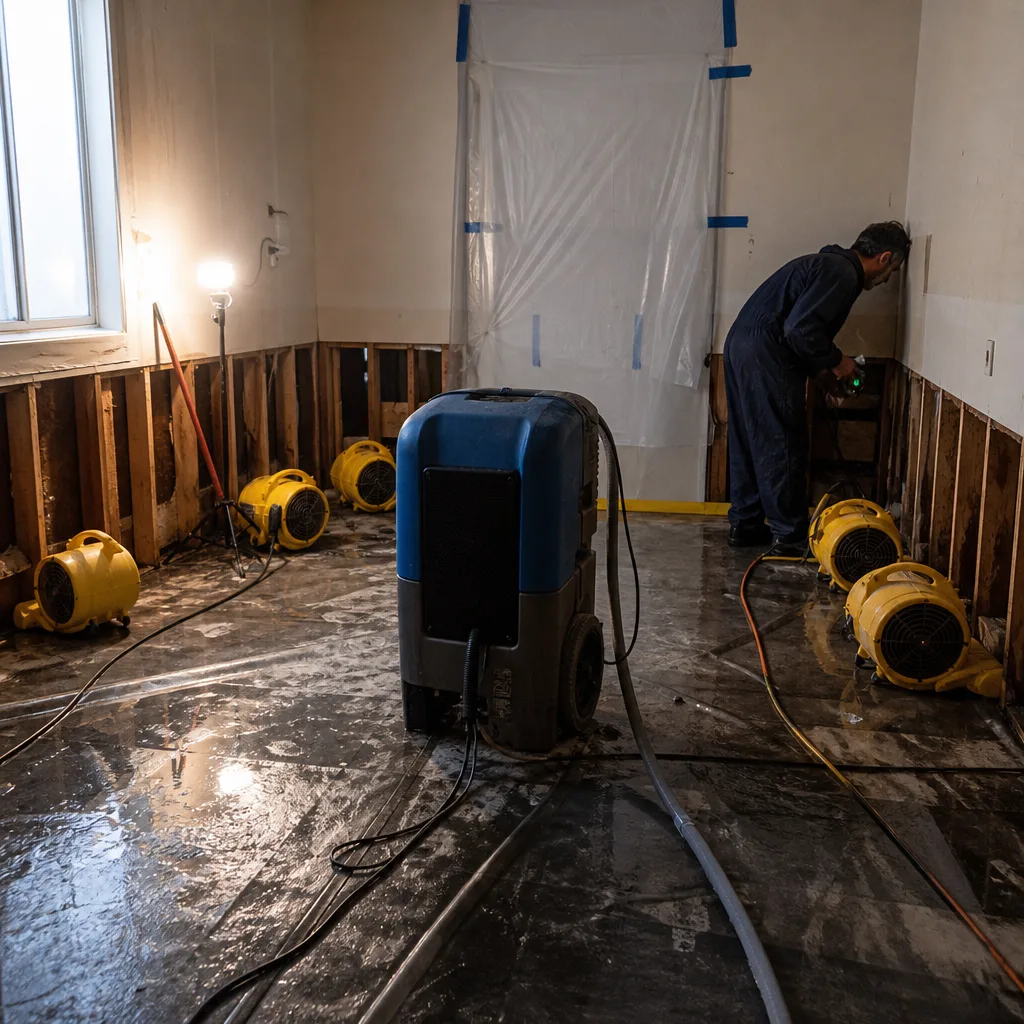
Burst Pipe Restoration
Burst pipe calls spike in Lynnwood during cold snaps, but the more insidious problem is the pinhole leak in aging galvanized supply lines. These failures are concentrated in Lynnwood’s 1960s-1970s multi-family buildings in ways that neighboring Mountlake Terrace and Kenmore rarely see. A single pinhole in a shared riser can push water into several units at once, creating simultaneous claims that require coordinated restoration across multiple occupied residences. We locate the full extent of the leak, document each affected unit separately for insurance purposes, and dry the shared wall chases with Injectidry systems that minimize demolition. The written scope addresses each unit’s damage individually, Haven Standard, Clause 1.
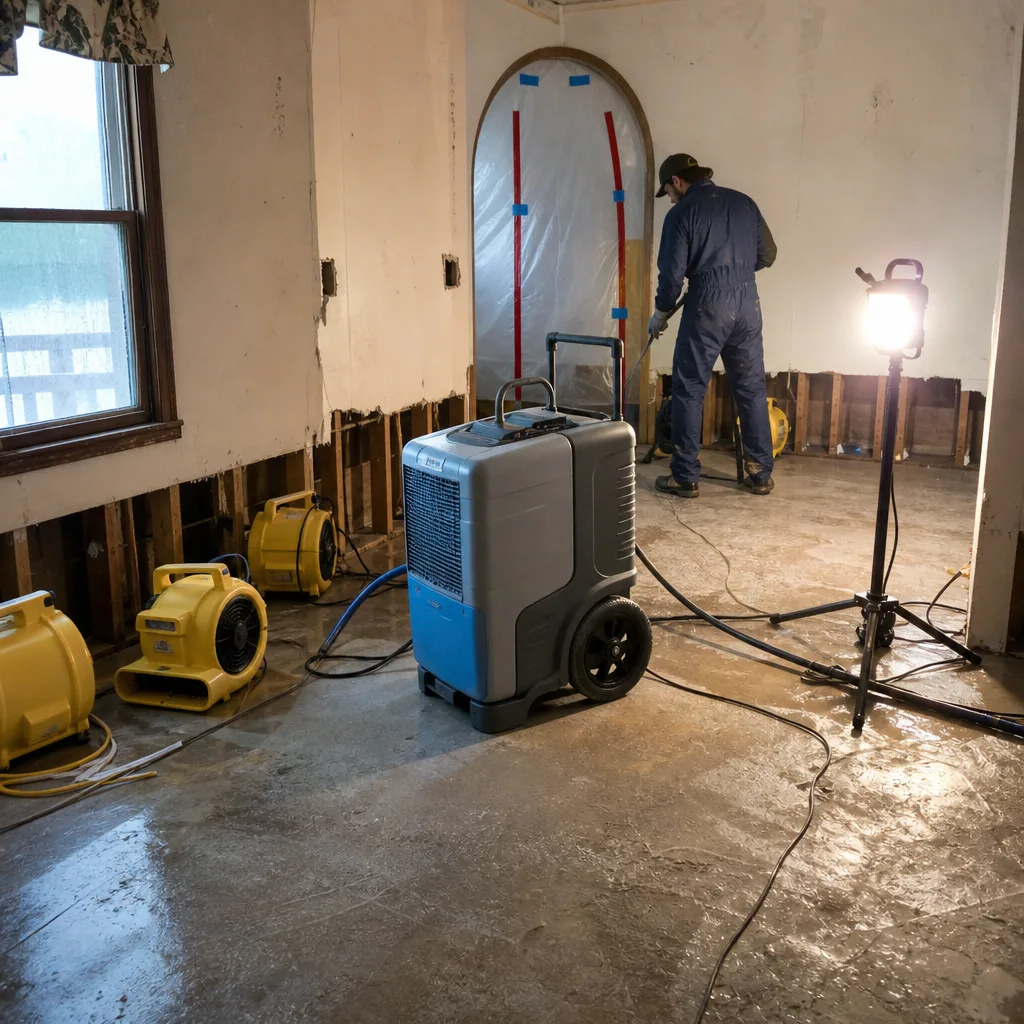
Basement Water Removal
Lynnwood basements, particularly in the single-family tracts developed between 1965 and 1985, often lack perimeter drainage systems adequate for western Washington’s rainfall volume. Water removal requires submersible pumps, wet/dry extraction, and evaluation of whether hydrostatic pressure has compromised the foundation seal. We check for this. The photo record shows the water line, the moisture meter readings on sill plates, and the condition of any existing vapor barrier. If mold colonization has begun in the chronically damp space, we document it and present options before expanding the scope.
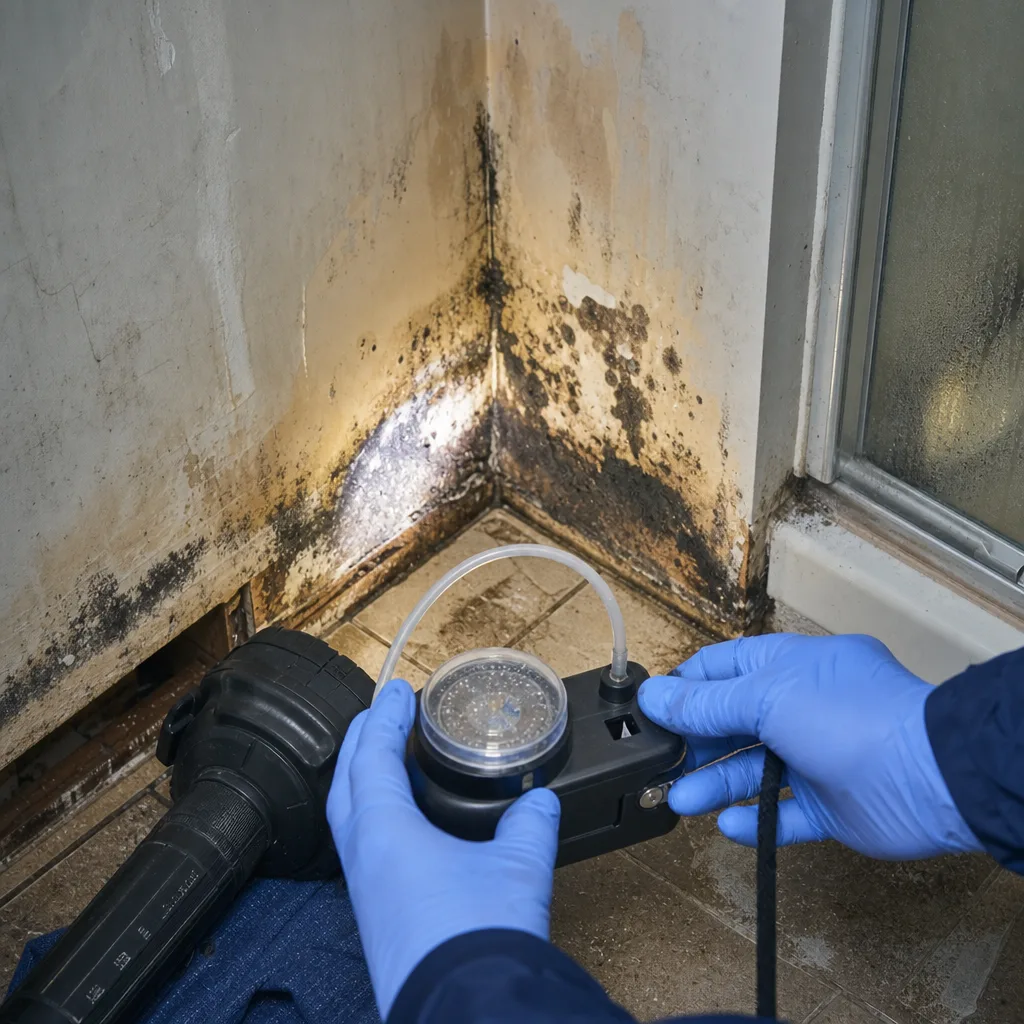
Ceiling & Roof Leak Water Damage
Aging flat and low-slope roofs on Lynnwood’s Highway 99 and I-5 corridor complexes breach during the October-May wet season, cascading water damage into multiple stacked units before the leak is traced. Ceiling damage in these buildings often reveals saturated insulation above the drywall, requiring removal and replacement of both materials. We map the water migration with thermal imaging, document the affected layers in the photo record, and specify the full repair scope in writing before work begins. The alternative, patching the ceiling without addressing the wet cavity above, guarantees a callback and a denied supplemental claim.
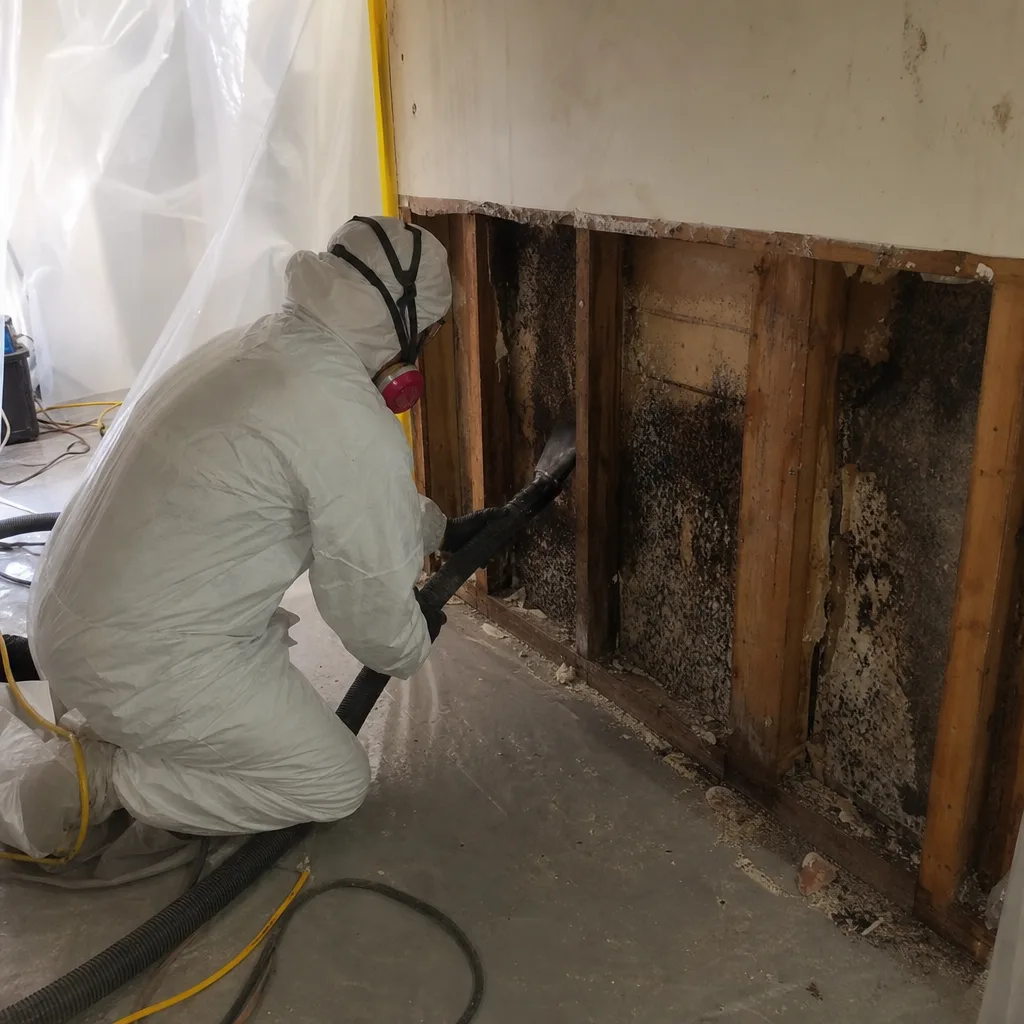
What happens when you call
- 1
A real person answersNo phone trees - you reach a local pro.
- 2
You get an upfront price rangeHonest numbers before anyone is dispatched.
- 3
A background-checked tech heads outLicensed & insured, dispatched right away.
- 4
You approve before work beginsNothing starts until you say go.
BeforeAfterTrusted Brands We Service in Lynnwood
Our Lynnwood crews deploy professional-grade drying and monitoring equipment from Dri-Eaz, Phoenix, and B-Air, with Injectidry systems for in-wall and in-ceiling drying that minimizes demolition in multi-unit buildings. These aren’t brand names for marketing. They’re the machines that produce the psychrometric data, the daily moisture logs, and the documented proof of dry that your adjuster needs to approve the invoice. We stock replacement components and filtration media locally to avoid the supply delays that extend drying timelines and inflate temporary relocation costs. Every piece of equipment is calibrated, logged, and traceable to IICRC and RIA standards on every Lynnwood job.
Common Water Damage Restoration Problems We See in Lynnwood Homes
- Pinhole leaks in original galvanized supply lines go undetected for weeks because Lynnwood’s persistently humid interior air suppresses the drywall staining that would trigger an early call in a drier-climate market. By the time a tenant or homeowner notices, the cavity is Category 2 and mold is established.
- Vented crawl spaces in 1960s-1980s Lynnwood tract and apartment buildings have minimal or no vapor barriers, so crawl space moisture intrusion balloons a straightforward water extraction job into a mold remediation scope. We check this on every call.
- Aging flat and low-slope roofs on Highway 99 and I-5 corridor complexes breach during the October-May wet season, cascading water damage into multiple stacked units before the leak is traced. The restoration scope often spans three or more units with separate insurance claims.
- Lynnwood’s roughly 35-40 inches of annual rainfall, concentrated from October through May, keeps building envelopes near moisture-saturation thresholds for half the year. Even minor roof or flashing failures escalate quickly into Category 2 or 3 mold situations before occupants notice visible staining or odor.
Pricing for Water Damage Restoration in Lynnwood, WA
Emergency water extraction in Lynnwood typically runs $1,200-$2,400 for a standard residential call, with structural drying and dehumidification adding $1,800-$3,600 depending on affected square footage, contamination category, and equipment days required. Category 3 flood cleanup with antimicrobial treatment and porous material removal generally falls in the $4,500-$7,500 range for a Lynnwood single-family home. Multi-unit apartment claims along the Highway 99 corridor, where stacked damage requires coordinated drying across several residences, can exceed these ranges proportionally.
What affects your specific cost: the category of water (clean, gray, or black), the number of affected rooms, whether the crawl space or wall cavities require treatment, and whether mold colonization has begun. We deliver a written price before any work starts, Haven Standard, Clause 1. No exceptions. Bring a competitor’s written estimate and we’ll review it free, our Free Second Opinion guarantee.
| Service | Typical Lynnwood Range |
|---|---|
| Emergency Water Extraction | $1,200 - $2,400 |
| Structural Drying & Dehumidification | $1,800 - $3,600 |
| Category 3 Flood Cleanup | $4,500 - $7,500 |
| Burst Pipe / Multi-Unit Restoration | $3,200 - $8,000+ |
Call (360) 822-3055 for your written estimate. Estimates are free. The price we write is the price you pay.
We Also Serve Cities Near Lynnwood
Our crews respond throughout the north King and south Snohomish county corridor, including Lynnwood, Mountlake Terrace, Edmonds, Bothell, and Mill Creek. Each city’s housing stock and water damage patterns differ, and our scopes reflect that local specificity. Dispatch is coordinated from our Seattle office with crews routed to minimize response time to your property.
Serving Lynnwood, WA - Our Local Coverage Area
We’re based in the Lynnwood area and know this community well. Use the map below to see our service coverage - if you’re nearby, we can almost certainly help.
FAQs - Water Damage Restoration in Lynnwood
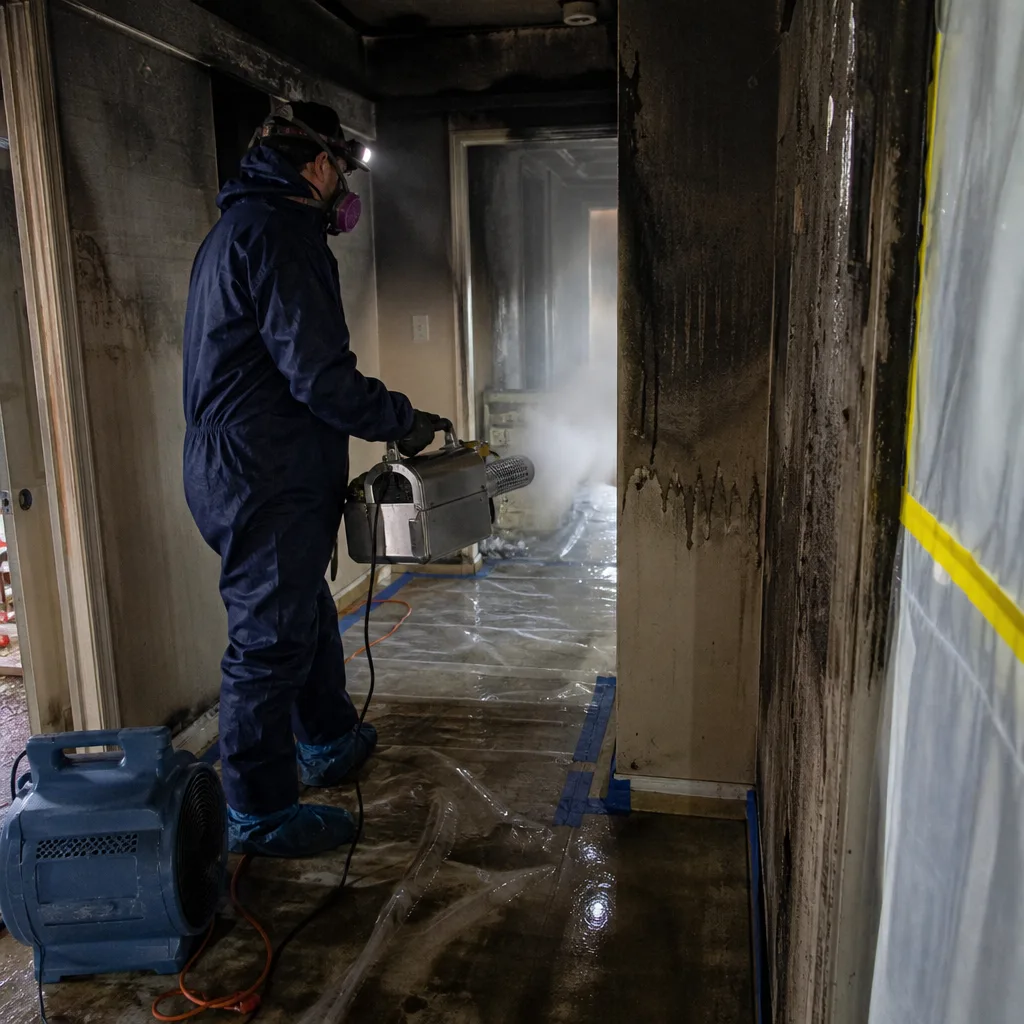
Lynnwood’s 1960s-1970s multi-family complexes along the Highway 99 and I-5 corridors stack units around shared galvanized supply risers, so a single pinhole leak can push water into several units at once. This concentrated multi-claim pattern is far more common here than in the single-family-dominant neighboring cities of Mountlake Terrace or Kenmore. Our crews document each unit separately, coordinate with multiple adjusters if needed, and produce the individual drying logs that keep each claim distinct and payable. Call (360) 822-3055 if you’re a property manager facing this scenario, we can scope the full building chase and present a coordinated restoration plan.
In Lynnwood’s chronically humid conditions from October through May, mold colonization can begin on wet drywall and framing within 48-72 hours. The persistent damp season means buildings are already near moisture saturation, so the timeline shortens compared to drier climates. We treat any water damage call during these months as a potential mold prevention job, applying antimicrobial treatment and aggressive drying protocols from day one. The daily moisture log proves we stayed ahead of it. Call (360) 822-3055 for immediate response, estimates are free.
The persistently humid interior air in Lynnwood’s older apartment buildings suppresses the rapid drywall staining and odor development that would prompt an earlier call in a drier market. A pinhole leak can saturate a wall cavity for two to three weeks before any visible sign appears, by which time the cavity is Category 2 and mold is likely established. Our thermal imaging and moisture mapping locate hidden saturation that visual inspection misses. If you suspect a slow leak, call (360) 822-3055 for moisture detection before the scope expands.
Yes. Vented crawl spaces in 1960s-1980s Lynnwood tract and apartment buildings were built with minimal or no vapor barriers, allowing soil moisture to migrate upward continuously. When a plumbing leak or foundation seepage adds liquid water to this already damp environment, mold colonization accelerates and structural drying requires treating both the acute leak and the chronic moisture condition. We evaluate crawl space conditions on every Lynnwood call and document our findings in the photo record and written scope. Call (360) 822-3055 for a full assessment.
Our Lynnwood crews deploy Dri-Eaz and Phoenix dehumidifiers, B-Air air movers, and Injectidry cavity drying systems, all documented to IICRC, RIA, and IFA standards. This equipment produces the psychrometric data, vapor pressure differentials, and daily moisture logs that prove structural drying to insurance adjusters. We don’t use consumer-grade hardware store units on commercial restoration jobs. The equipment brand and calibration date appear in your job documentation. Call (360) 822-3055 to discuss the specific drying protocol for your property.
Written by Alicia Brennan, Owner at Back to Dry Restoration, serving Lynnwood since 2011.