
Free visual inspection and a written scope of work before any mitigation begins - photos, moisture readings, and drying logs go in your claim file
The scope we write is the scope we bill. Anything new gets shown to you, in writing, before we touch it.
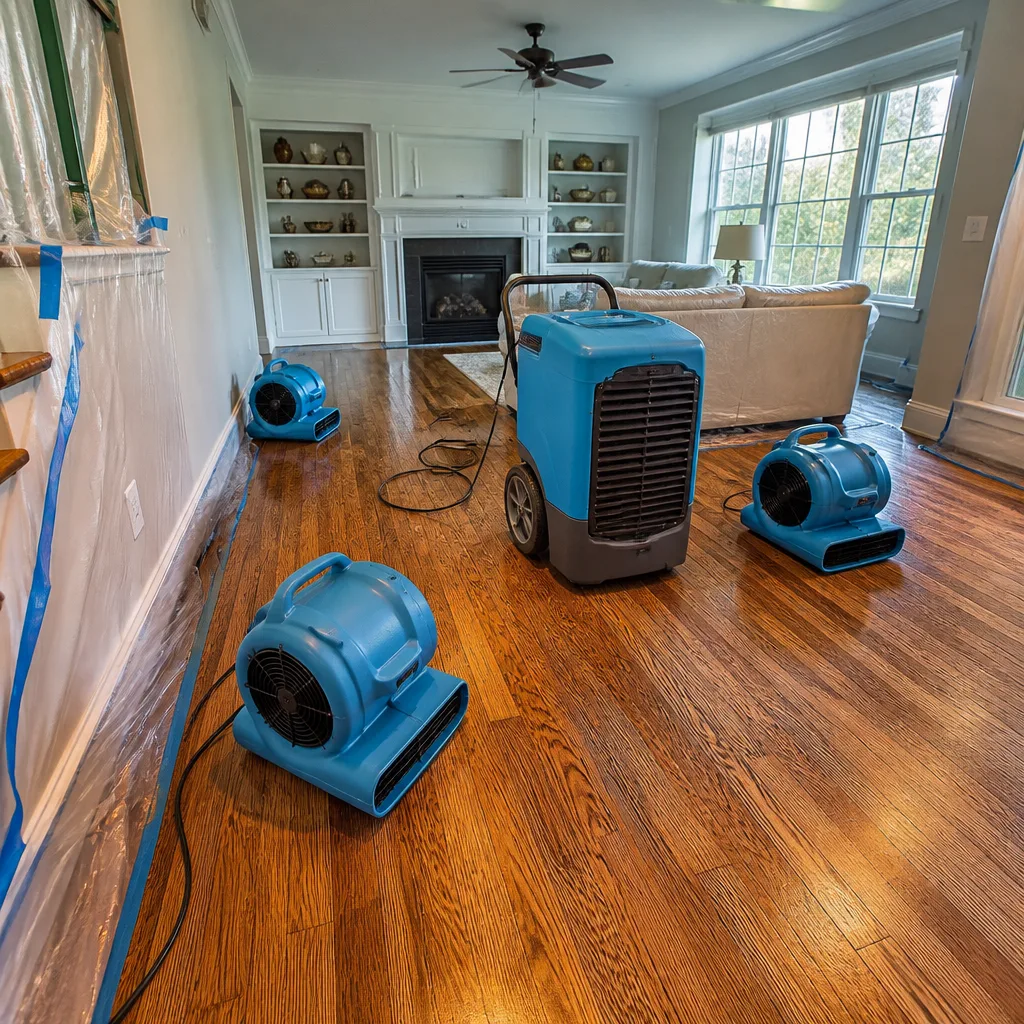
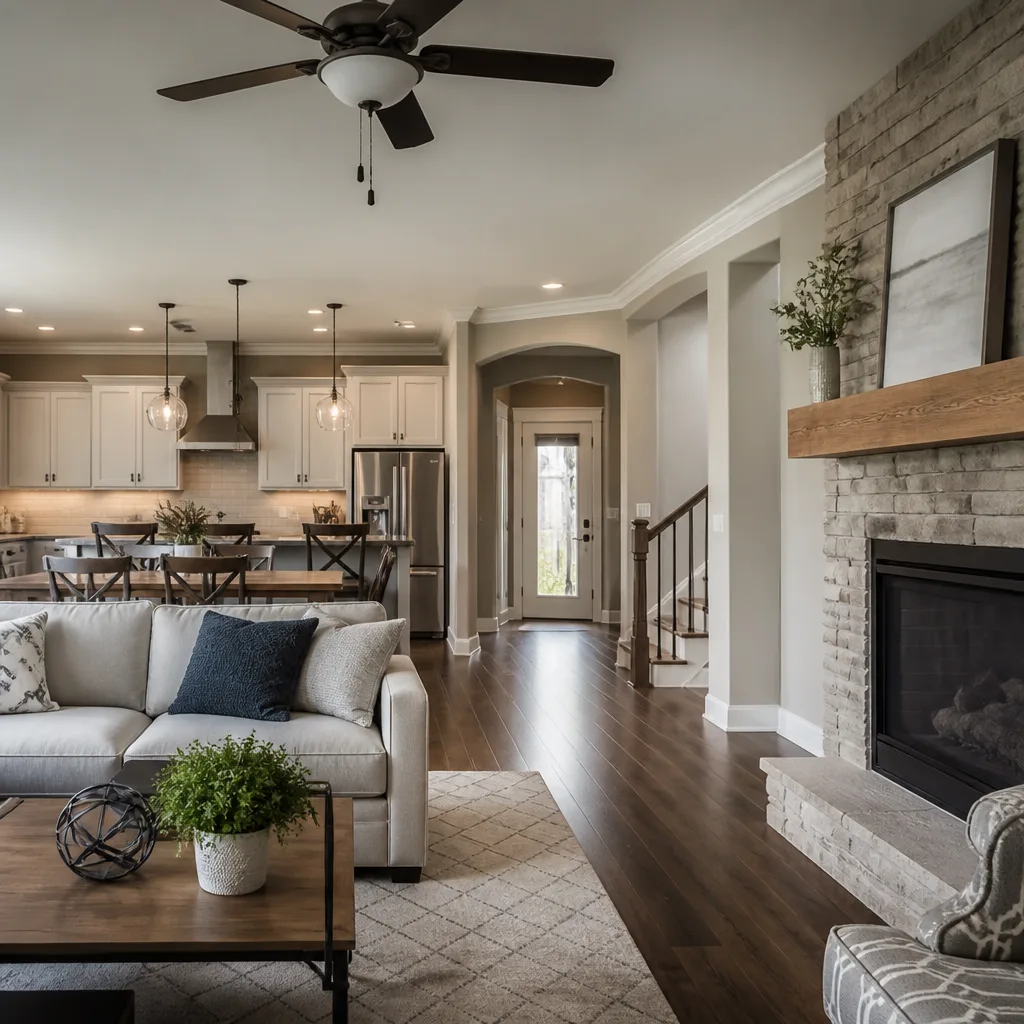
 Before
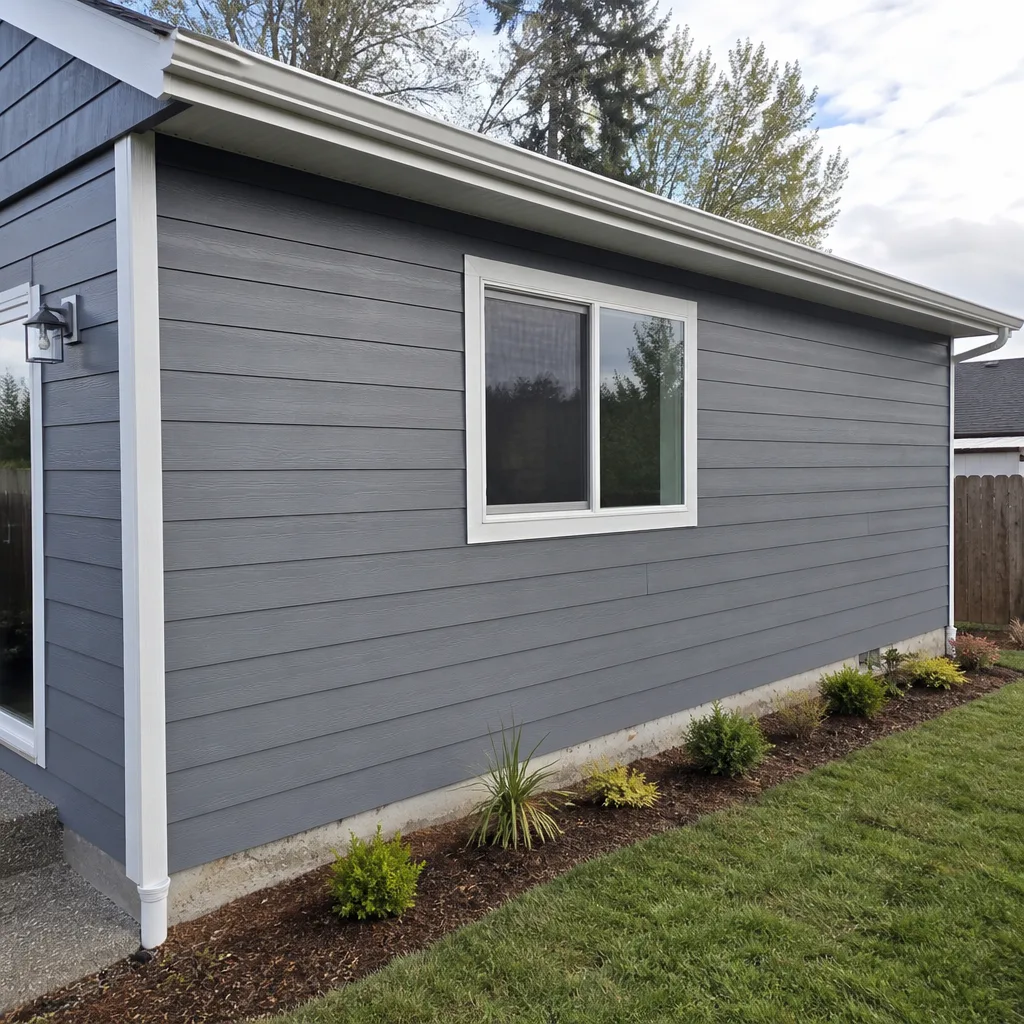 After
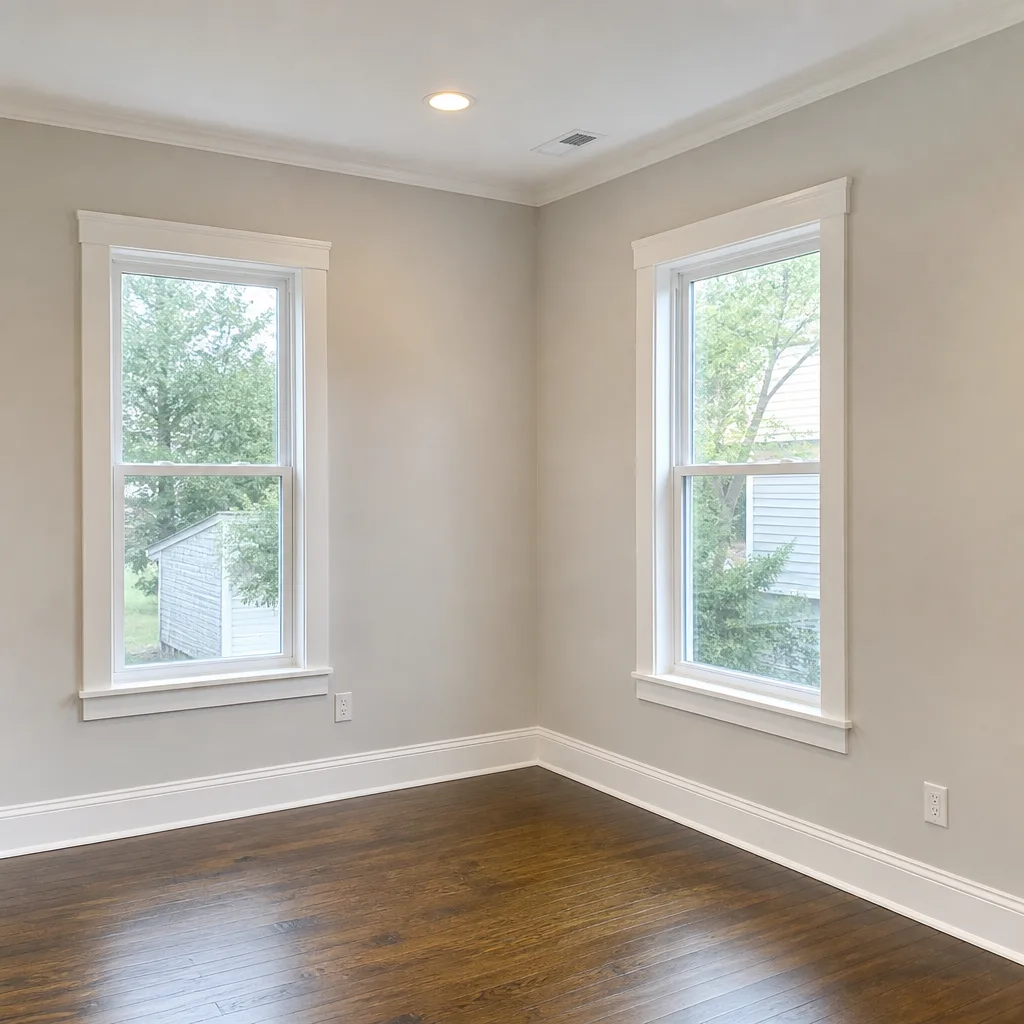
After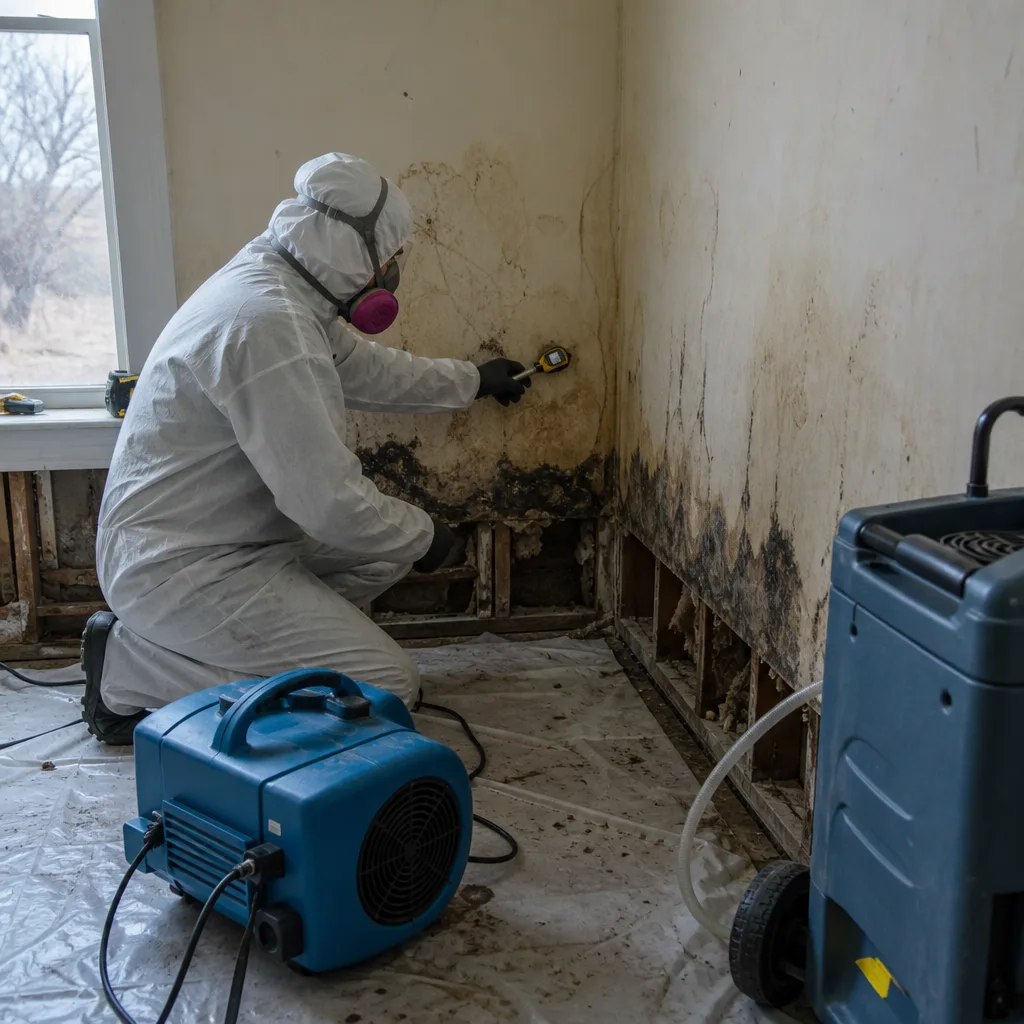 Before
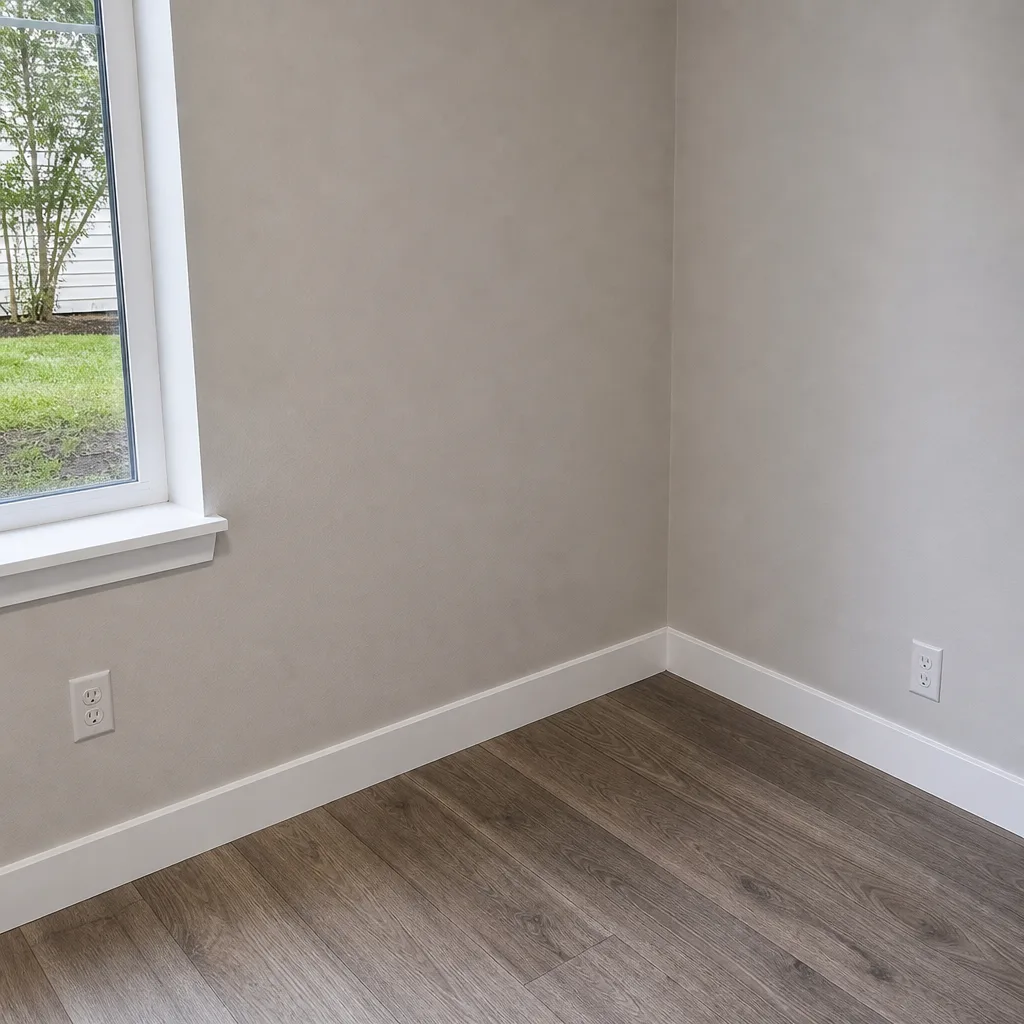 After
After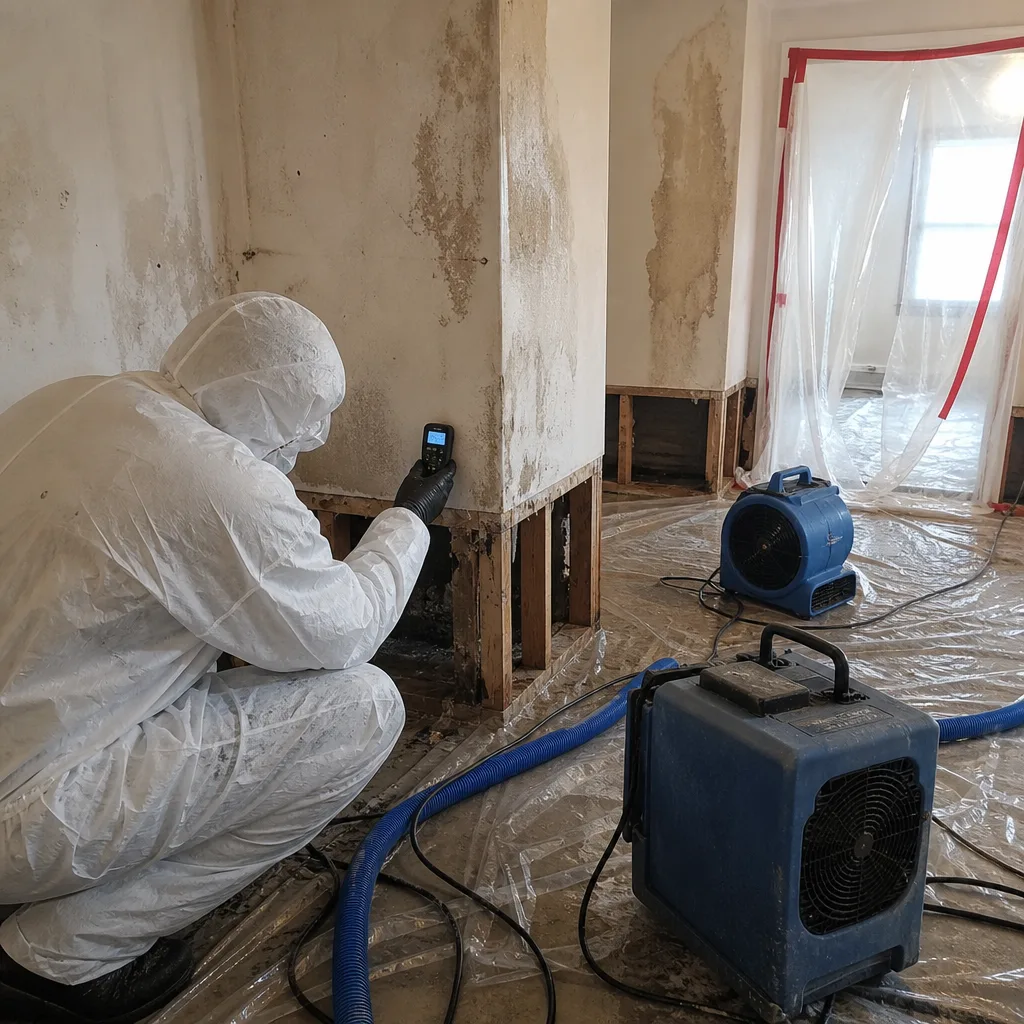 Before
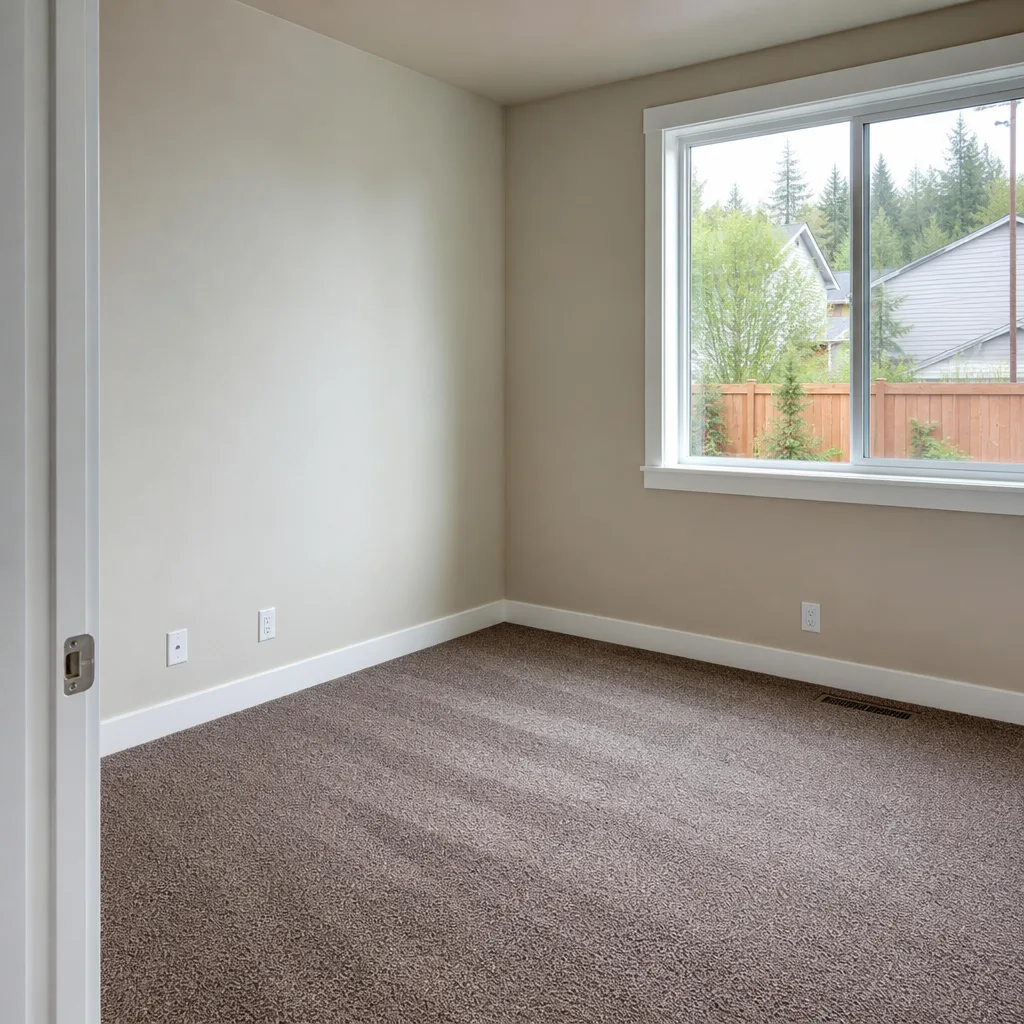 After
AfterFast, Reliable Water Damage Restoration Across Lake Stevens
Water damage restoration in Lake Stevens typically costs $2,800-$7,500 for a standard residential mitigation, with emergency water extraction starting at $1,200-$2,400 and structural drying running $180-$340 per day depending on equipment load and affected square footage. Most Lake Stevens calls reach us within 45 minutes during daylight hours, with our 24-hour live dispatch coordinating crews from our Seattle office to addresses throughout the city. If you’re standing in water right now, call (360) 822-3055 - a live person answers, no voicemail, and we’ll have a written price in your hands before any equipment crosses your threshold.
We know Lake Stevens’s houses. The OSB-sheathed production builds from the 2000s boom, the hillside lots off South Lake Stevens Road where grading settled wrong, the crawl spaces near the shoreline that never quite dry out between October and April. That local knowledge changes what we find when we arrive, and it changes how we document it for your insurer.
Why DryMark Restoration Marysville Is Lake Stevens’s Preferred Water Damage Restoration Company
We’ve restored water-damaged homes in Lake Stevens since the city’s population was a third of what it is today. Our reputation here was built on documentation that holds up in claims review - daily moisture logs, photo records on every visit, and written scopes that match the invoice line for line. Homeowners in neighborhoods from Frontier Village to the hillside subdivisions above the lake know our crews by the uniform and the labeled equipment, not by a sales pitch.
Our response time to Lake Stevens averages under an hour for emergency calls, with crews staged to reach the Frontier Village commercial corridor, the lakeshore residential streets, and the newer hillside tracts with equal speed. We’ve answered enough November-through-January repeat calls on specific hillside streets to recognize the pattern: settled final lot grading from the 2000s building boom reversed drainage toward foundations, and now those homes see water intrusion annually. That institutional memory means we arrive knowing what to check first, and we document it in a way that helps your adjuster understand why this loss happened and what it’ll take to stop the next one.
Every technician is background-checked, licensed, insured, and named on the job record before arrival. The license number is available on request. We don’t subcontract emergency response to unvetted day labor, and we don’t send a “project manager” who can’t read a moisture meter.
Our Water Damage Restoration Services in Lake Stevens
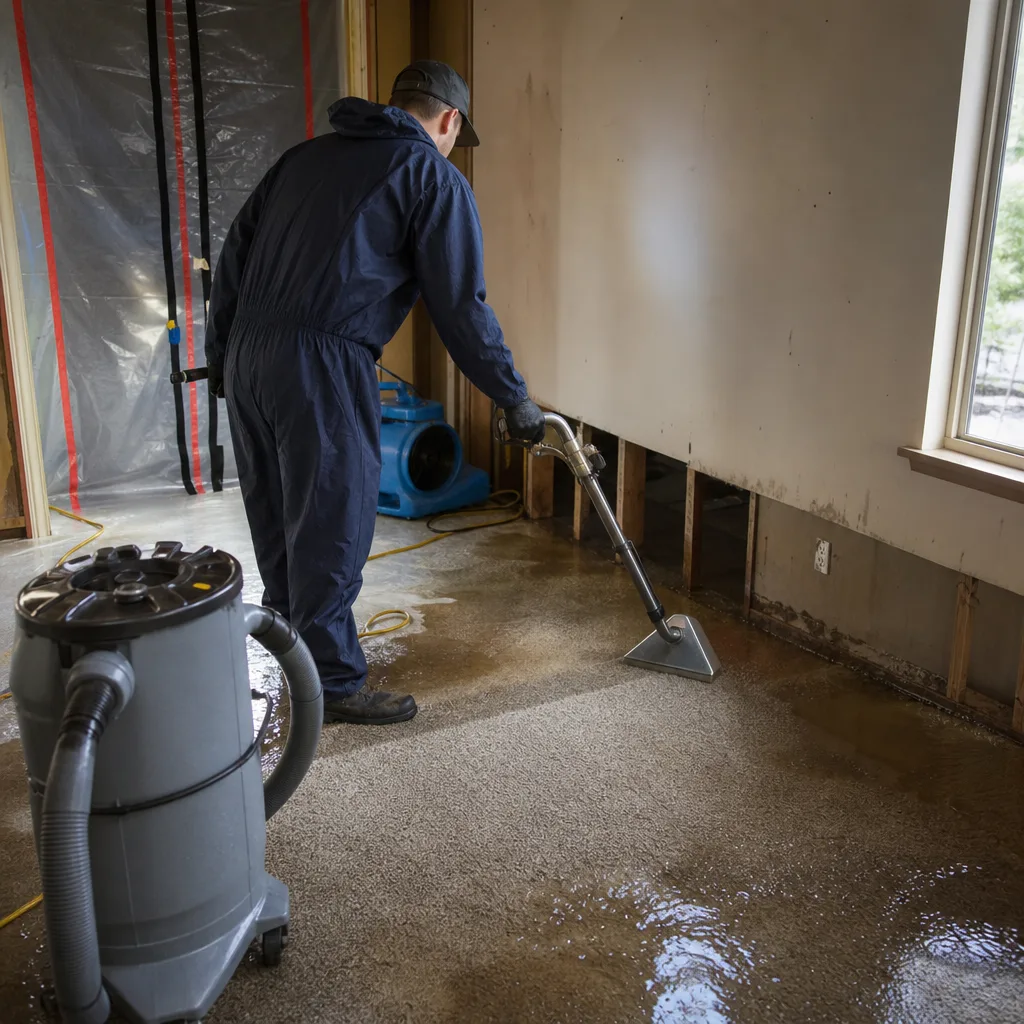
Emergency Water Extraction
When a supply line bursts in a Lake Stevens kitchen at 2 a.m. or a washing machine hose lets go in a hillside home off Getchell Road, standing water doesn’t wait for business hours. Our extraction teams run truck-mounted systems and portable submersible pumps sized for everything from a single-room Category 1 loss to whole-house flood events. In Lake Stevens’s lake-adjacent neighborhoods, we often find that what starts as clean water has migrated into a crawl space where seasonal high water tables and accumulated organic matter have already begun degrading water quality - our initial extraction includes moisture mapping to trace that migration before it changes your loss category and your coverage.
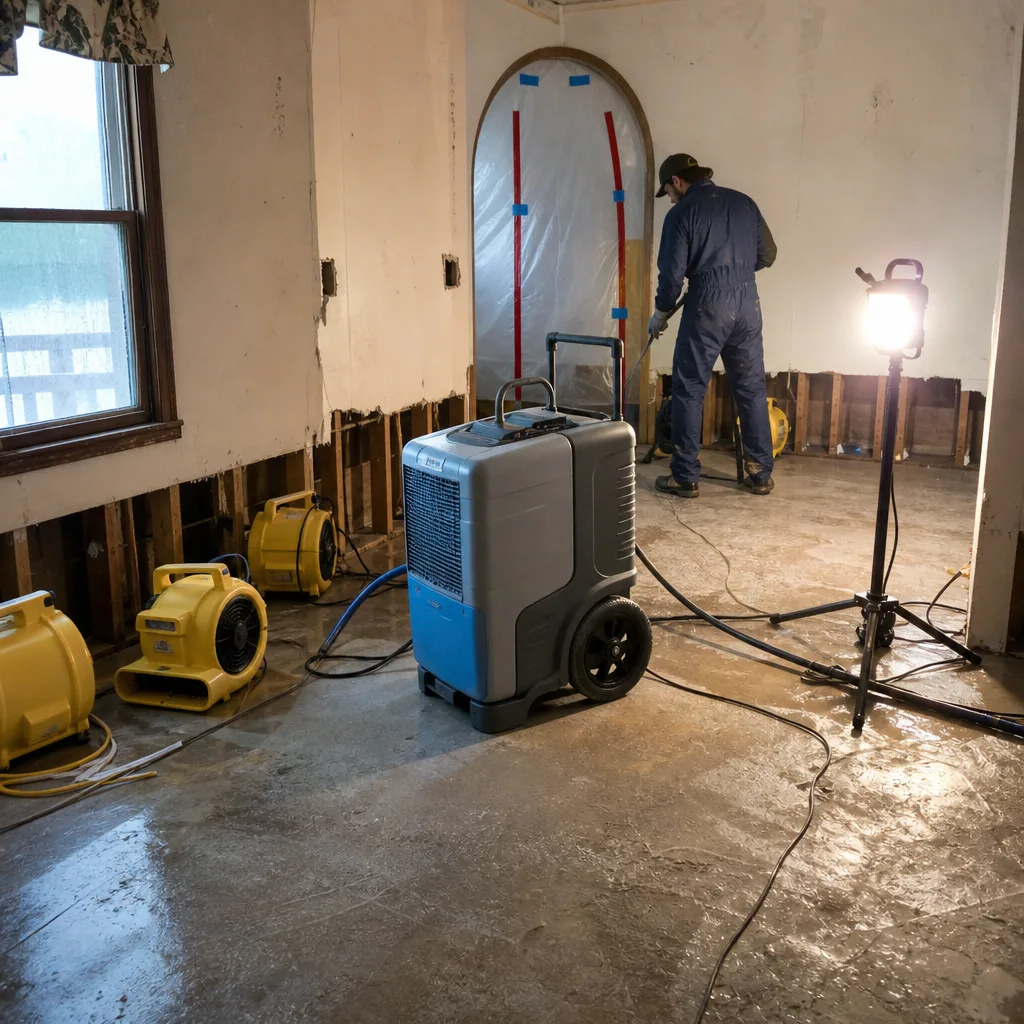
Structural Drying & Dehumidification
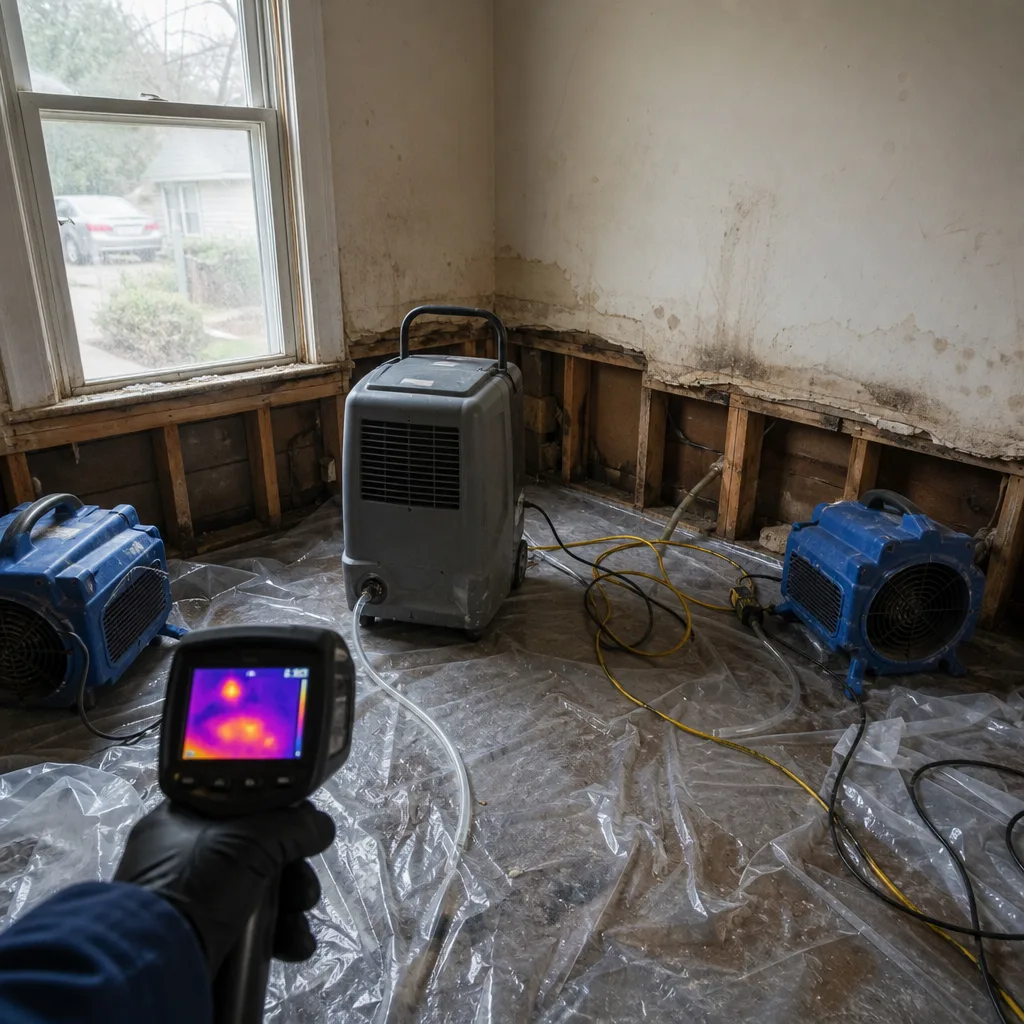
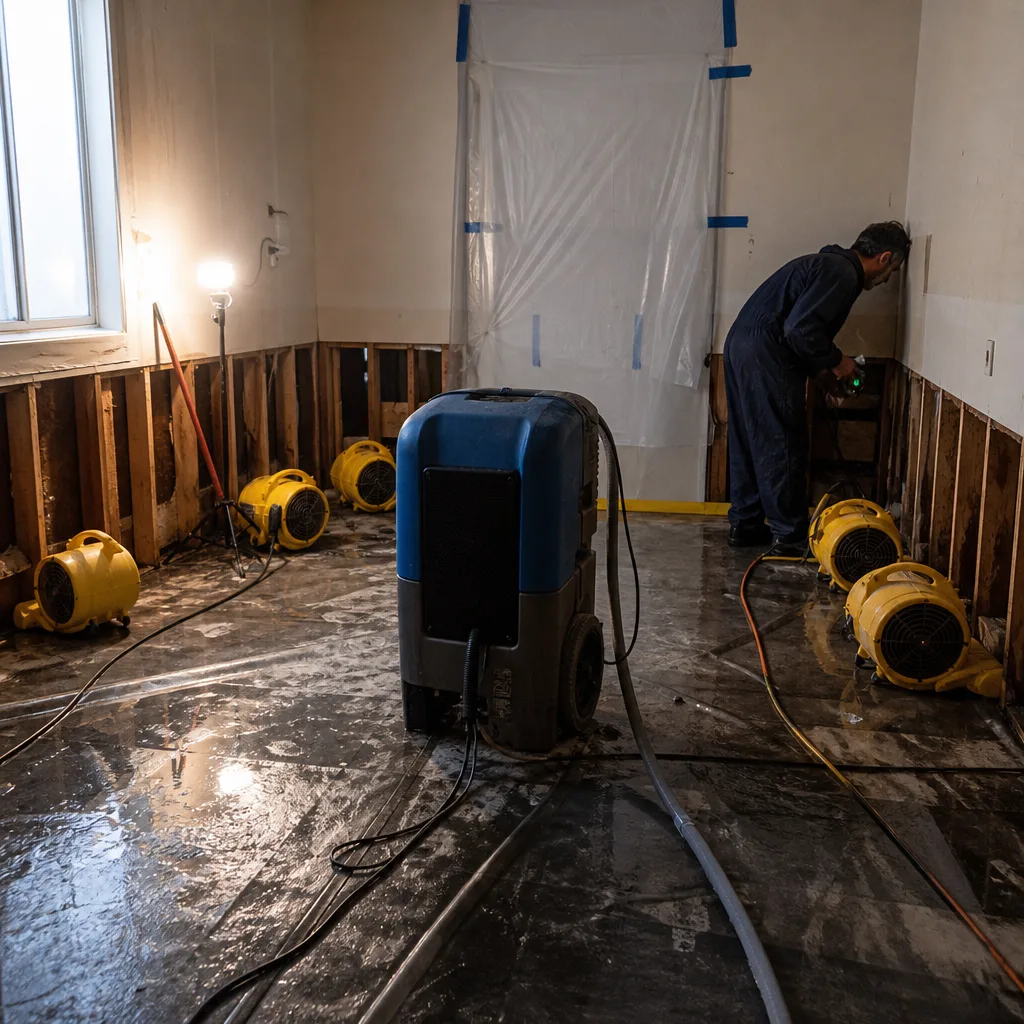
Lake Stevens’s position at the base of the Cascade foothills creates a drying challenge you won’t find in flatter, drier markets. Orographic lift during fall and winter atmospheric river events drops measurably more rainfall here than in Everett, while the 1,000-acre lake surface sustains elevated ambient humidity year-round. That combination compresses the drying window and slows evaporation rates significantly. We counter this with professional-grade dehumidification from Phoenix and Dri-Eaz, supplemented by Injectidry cavity-drying systems for wall assemblies and hardwood floors. Every setup is documented with daily psychrometric readings - temperature, relative humidity, and vapor pressure differential - producing the drying logs that turn restoration invoices into payable insurance claims. Haven Standard, Clause 1: the written price before work begins includes the full equipment schedule and daily monitoring protocol, with no additions once the crew is inside.
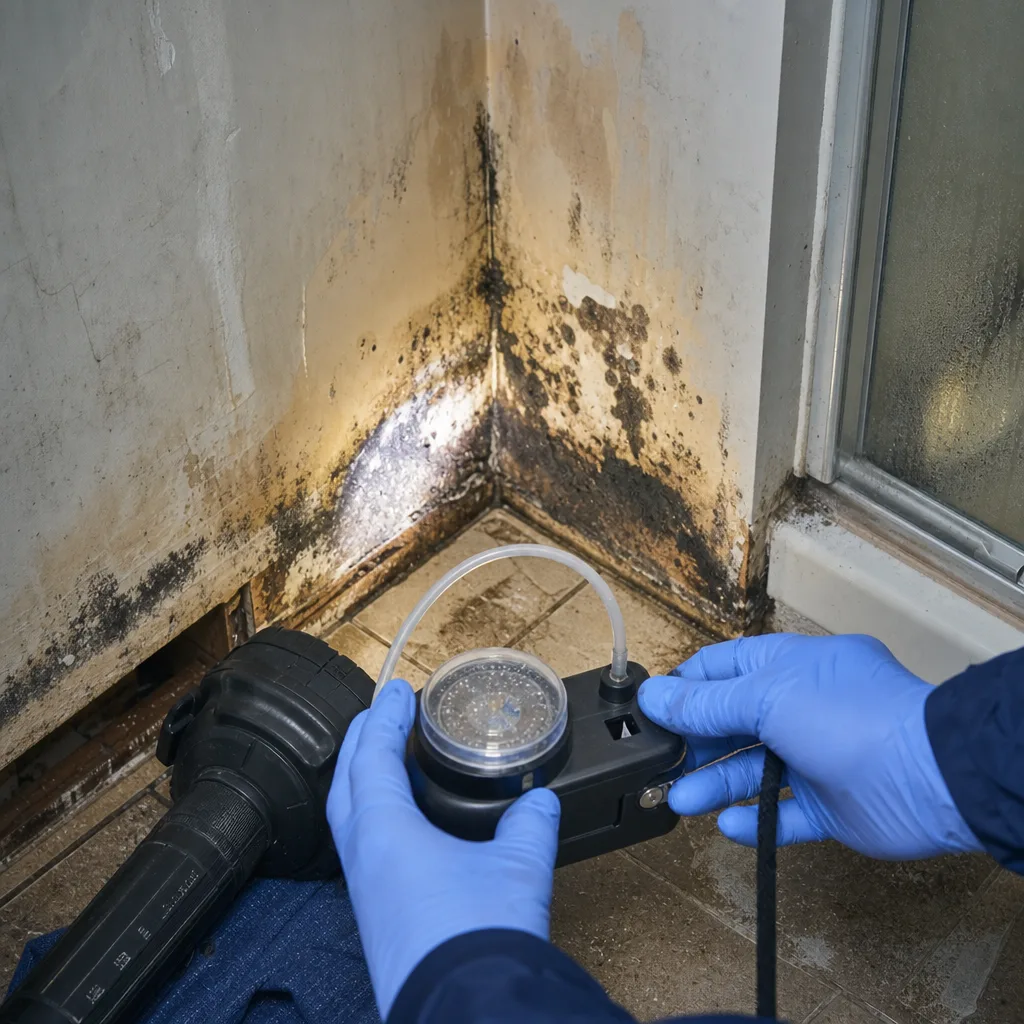
Flood Cleanup
Flood events in Lake Stevens carry a distinctive signature. Hillside hydrostatic pressure pushes groundwater through foundation cracks and slab edges from upslope, while high water tables and seasonal lake-level rise threaten crawl spaces and slabs on lower properties near the shoreline. Dual-direction intrusion means our flood cleanup protocols here include perimeter moisture mapping that inland crews might skip. We document the source direction, the affected material classifications by trade name - OSB sheathing, Hardie siding substrate, pressure-treated bottom plates - and the pre-loss moisture content baseline. That documentation package becomes your evidence if the adjuster questions whether the loss was sudden and accidental or the result of long-term maintenance neglect.
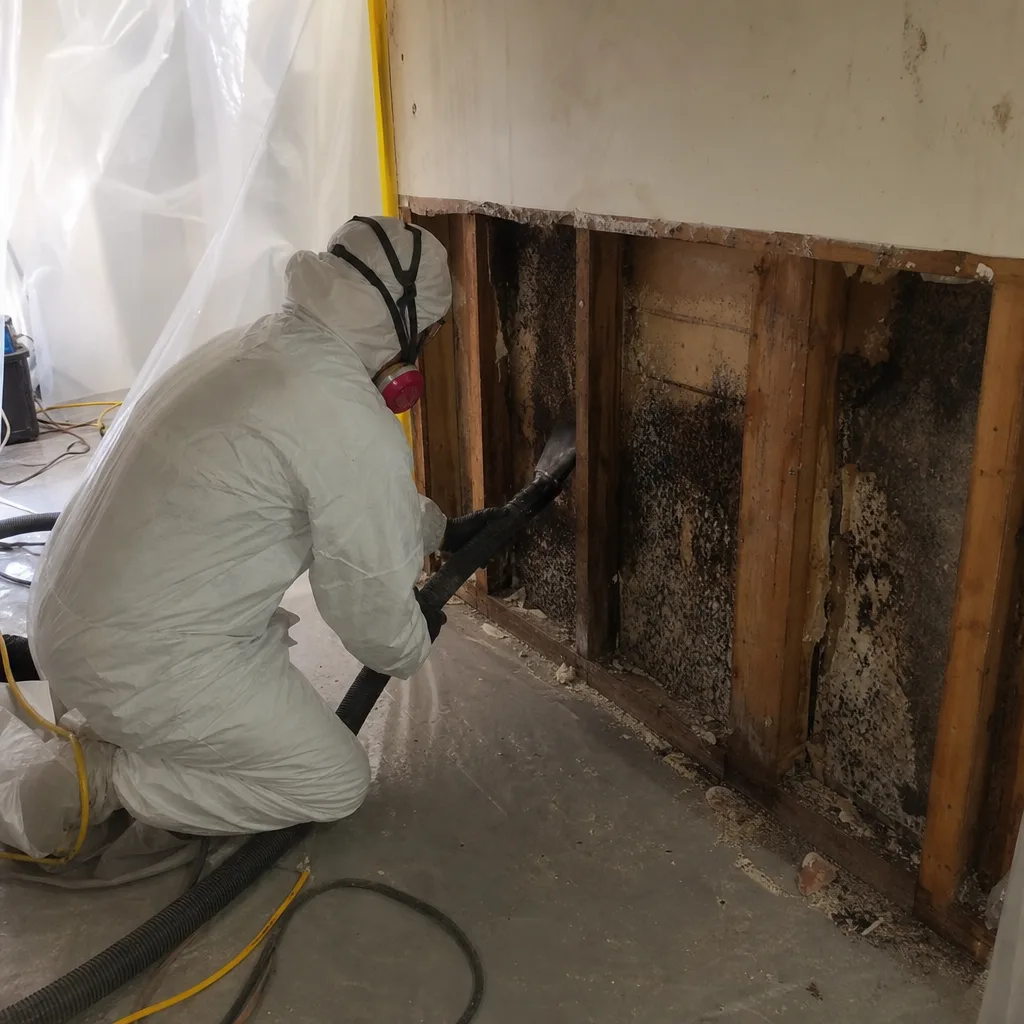
Burst Pipe Restoration
Lake Stevens’s rapid growth produced thousands of homes built during the 2000s with PEX and copper plumbing now entering its third decade. Pinhole leaks in copper, freeze-thaw stress at exterior wall penetrations, and failed polybutylene transitions are common failure modes we see in the 15-25 year old production housing stock. Our burst pipe restoration includes not just water extraction and drying, but a documented assessment of the failure point with photo evidence for your insurer. If the pipe failed due to corrosion accelerated by the elevated humidity in a Lake Stevens crawl space, that’s a material fact for the claim file - and we record it.
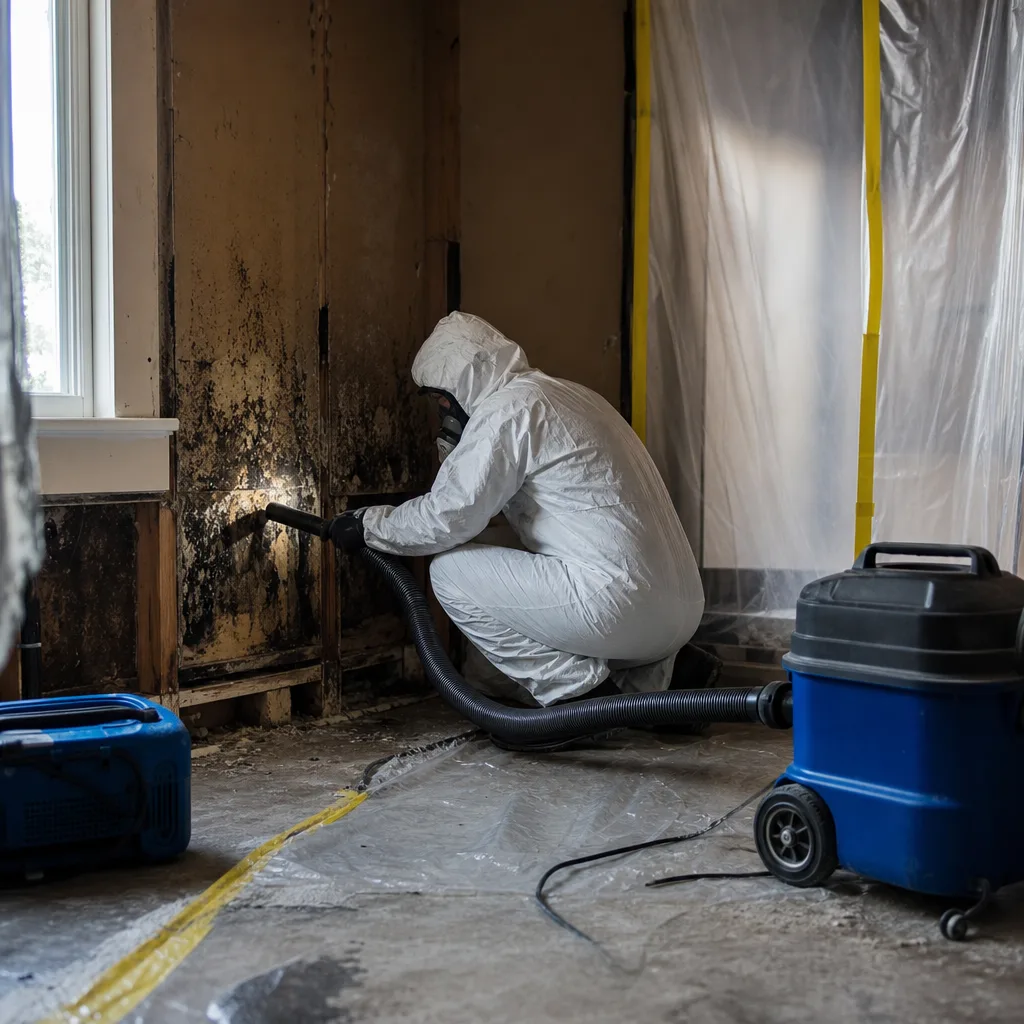
Basement Water Removal
True basements are less common in Lake Stevens than in older Midwest markets, but daylight basements and walk-out lower levels on hillside lots create equivalent water removal challenges. We extract, then deploy targeted drying with air movers and dehumidifiers sized to the cubic volume, with vapor pressure differential monitoring to confirm that drying is reaching the hidden cavities behind finished walls. Every basement job includes a written scope defining the drying endpoint - typically 16% moisture content or lower for framing members - and the 365-Day Done Right Promise backed by The Haven Standard.
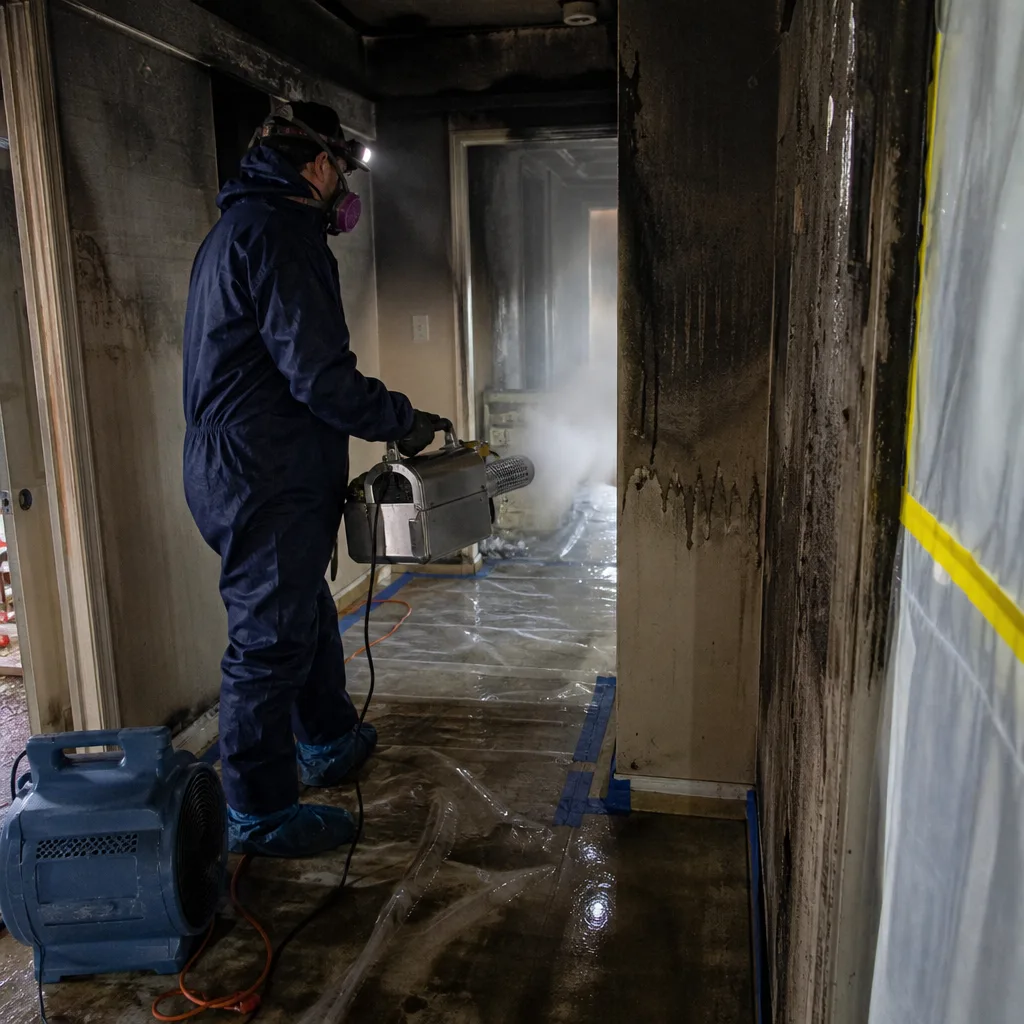
Ceiling & Roof Leak Water Damage
Atmospheric river events in Lake Stevens drive wind-driven rain through compromised flashing, aging ridge vents, and the gap details that fail first on 15-25 year old roofs. Our ceiling and roof leak response includes interior water extraction, controlled demolition of saturated drywall or insulation, and drying of the roof deck and truss members from below. We document the exterior entry point with photos for the adjuster, then produce a written scope for the interior restoration before any demolition begins.
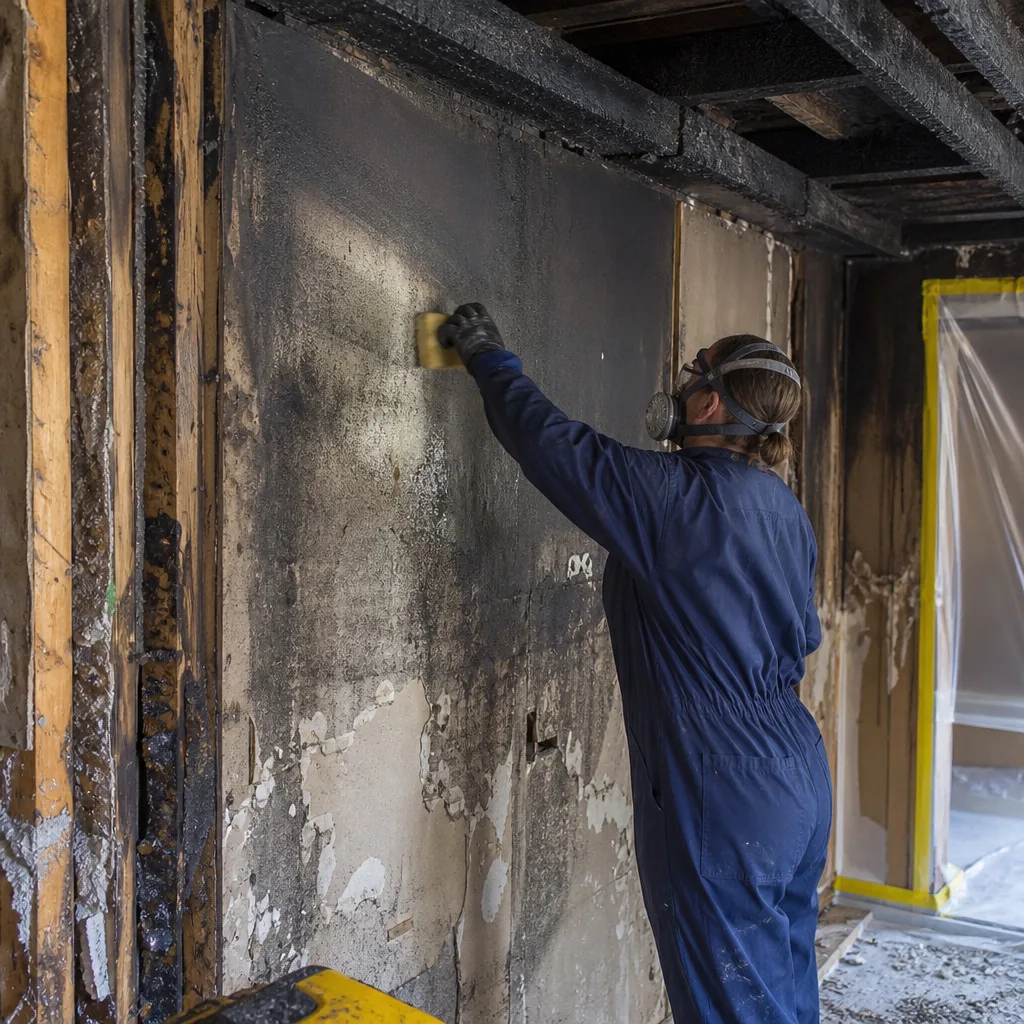
What happens when you call
- 1
A real person answersNo phone trees - you reach a local pro.
- 2
You get an upfront price rangeHonest numbers before anyone is dispatched.
- 3
A background-checked tech heads outLicensed & insured, dispatched right away.
- 4
You approve before work beginsNothing starts until you say go.
BeforeAfterTrusted Standards We Work To in Lake Stevens
All water damage restoration work in Lake Stevens is documented to IICRC S500 standards for professional water damage restoration, with additional reference to RIA and IFA guidelines where structural drying complexity requires it. We don’t just own the equipment - we log its performance. Every Phoenix and Dri-Eaz dehumidifier, every Injectidry panel and hose system, produces readings that become part of your drying log. That log is a standard deliverable, never an upsell, and it’s the documentation that separates a paid claim from a disputed one.
Common Water Damage Restoration Problems We See in Lake Stevens Homes
- Hillside garage moisture wicking into door hardware. On streets off South Lake Stevens Road and similar hillside corridors, settled final lot grading reversed drainage toward foundations. The bottom plate of garage walls wicks groundwater, and the resulting humidity corrodes springs, hinges, rollers, tracks, and opener chains years faster than in inland Marysville. We flag this hardware for coated or stainless replacement during every water loss response.
- Crawl space degradation from dual-direction moisture. Low-elevation lots near the shoreline face seasonal lake-level rise and persistently high water tables. A clean Category 1 supply-line loss can become Category 2 or 3 by the time we arrive, as water migrates into organic debris and accumulated sediment. Moisture readings at the joists tell the story, and we document the category change with photo evidence.
- Compressed drying windows from orographic rainfall and lake humidity. Lake Stevens receives more annual precipitation than Everett through orographic lift, while the lake itself sustains humidity that slows evaporation. Under-dried assemblies from fast “done” jobs get reopened weeks later with secondary mold on OSB-sheathed, Hardie-clad walls. Our drying protocols account for this with extended dehumidification schedules and verified endpoint readings.
- Failed moisture barriers in 2000s production housing. The homes built during Lake Stevens’s population tripling are now 15-25 years old. Original crawl space vapor retarders, flashing details, and exterior moisture barriers are failing in predictable patterns. We see this in rising mold remediation claims and in water losses where the “sudden” event was preceded by months of concealed accumulation.
Pricing for Water Damage Restoration in Lake Stevens, WA
Emergency water extraction in Lake Stevens runs $1,200-$2,400 for a typical single-area loss, with whole-house extraction after a major supply-line failure reaching $3,500-$6,000. Structural drying and dehumidification costs $180-$340 per day depending on equipment load - a standard three-bedroom home with crawl space involvement typically requires 4-7 days of active drying with a Phoenix dehumidifier and 6-12 air movers. Category 2 or 3 losses requiring antimicrobial treatment and controlled demolition add $800-$2,200 to the mitigation scope. Pack-out and contents handling, when needed, runs $450-$950 for a typical residential job.
These are Lake Stevens market ranges based on local labor rates, equipment transport from our Seattle coordination office, and the specific challenges of this market’s compressed drying window. Every job receives a written price before work begins - Haven Standard, Clause 1 - with no scope-creep additions once the crew is inside. Bring a competitor’s written estimate and we’ll review it free under our Free Second Opinion policy. Call (360) 822-3055 for an exact quote on your specific loss; estimates are free.
We Also Serve Cities Near Lake Stevens
Our crews respond throughout Snohomish County from our Seattle coordination office, with regular service to Lake Stevens and neighboring Marysville, Everett, Snohomish, and Monroe. If you’re unsure whether your address falls within our standard response zone, call (360) 822-3055 - a live person will confirm dispatch availability and estimated arrival time.
Serving Lake Stevens, WA - Our Local Coverage Area
We’re based in the Lake Stevens area and know this community well. Use the map below to see our service coverage - if you’re nearby, we can almost certainly help.
FAQs - Water Damage Restoration in Lake Stevens
It’s the topographic bowl. Lake Stevens sits between Cascade foothill ridgelines and the lake, so hillside groundwater presses into foundations from upslope while lake-side humidity stays elevated year-round. That dual-direction moisture wicks garage bottom plates and sustains corrosion-friendly conditions that flat, drier Marysville simply doesn’t experience. On certain hillside streets platted during the 2000s boom, settled grading reversed drainage toward the foundation, making the problem annual. We map this pattern for insurance documentation and flag hardware for coated or stainless replacement during every water loss response. Call (360) 822-3055 if you’re seeing green corrosion dust under your opener rail or premature spring failure.
Usually both. Low-elevation lots near the shoreline face seasonal lake-level rise and high water tables, while hillside lots get groundwater pressure from upslope. The only way to distinguish the dominant source is moisture mapping and documentation - which we provide as part of our assessment. If the wet pattern correlates with atmospheric river timing and shows at the uphill foundation edge, it’s likely hillside pressure. If it’s persistent through dry spells and concentrated on the lake-side of the crawl space, it’s likely water table rise. Either way, prolonged moisture above 20% MC in framing members triggers secondary mold within 48-72 hours. Call (360) 822-3055 for documented moisture readings and a written drying scope.
Within the first 24 hours for extraction and initial drying setup, and ideally within 4 hours for standing water. Mold colonization on organic materials begins at 48-72 hours of sustained moisture above 20% MC, and Lake Stevens’s elevated ambient humidity from the lake surface accelerates that timeline compared to drier inland markets. Our 24-hour live dispatch means no voicemail delays - call (360) 822-3055 and we’ll have a crew en route with extraction equipment and a written price before work begins.
Category 1 is clean water from a supply line or fixture. Category 2 is significantly contaminated - typically from groundwater intrusion, sump failure, or clean water that has migrated through building materials. Category 3 is grossly contaminated, including sewage or floodwater with hazardous constituents. The category affects both the mitigation protocol and the cost: Category 1 drying runs toward the lower end of our $180-$340 daily range with standard equipment, while Category 2 and 3 losses require antimicrobial treatment, controlled demolition, and more extensive documentation, typically adding $800-$2,200 to the scope. We determine category through on-site testing and document it with photo evidence before presenting your written price - Haven Standard, Clause 1 means no surprises once work starts.
Only if contents in those spaces are affected or if access requires temporary relocation. Garage and crawl space water losses often involve stored items, HVAC equipment, or water heaters that need protective handling. We assess contents condition and document with photos, then provide a written pack-out scope if needed - typically $450-$950 for a standard residential job. If the spaces are empty or contents can remain in place with protective covering, we don’t recommend unnecessary handling. Call (360) 822-3055 and we’ll evaluate your specific situation with no charge for the assessment.
Standing water in your Lake Stevens home doesn’t sort itself out, and waiting for it to “air dry” in this market’s humidity guarantees secondary damage. Our Water Damage Restoration team answers live 24 hours a day at (360) 822-3055. We’ll dispatch a crew, document the loss with photo evidence, and put a written price in your hands before any work begins - Haven Standard, Clause 1, every time. The 365-Day Done Right Promise backed by The Haven Standard means if it’s not done right, we make it right. That’s not a marketing line; it’s a signed guarantee on every job.
Written by Alicia Brennan, Owner at Back to Dry Restoration, serving Lake Stevens since 2011.