
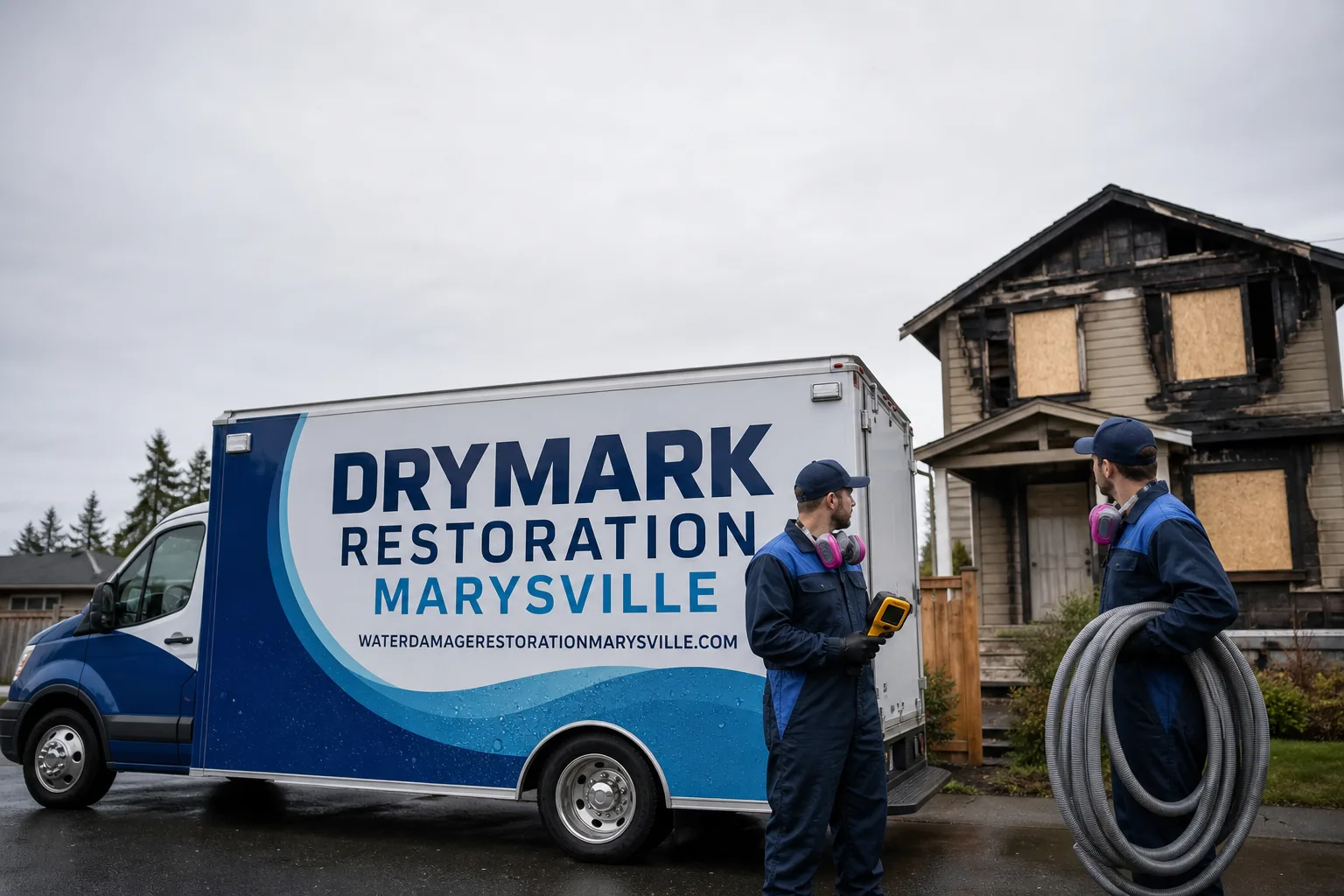
Free visual inspection and a written scope of work before any mitigation begins - photos, moisture readings, and drying logs go in your claim file
The scope we write is the scope we bill. Anything new gets shown to you, in writing, before we touch it.
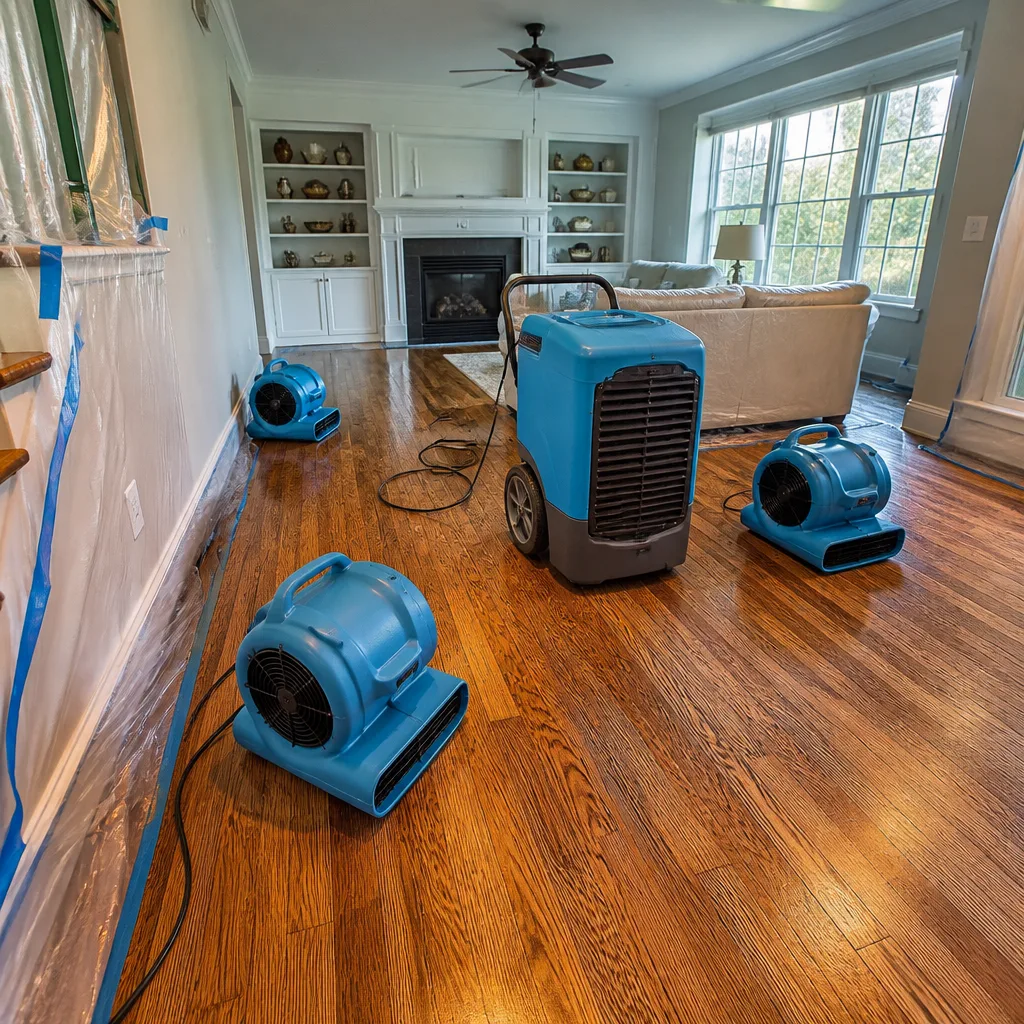
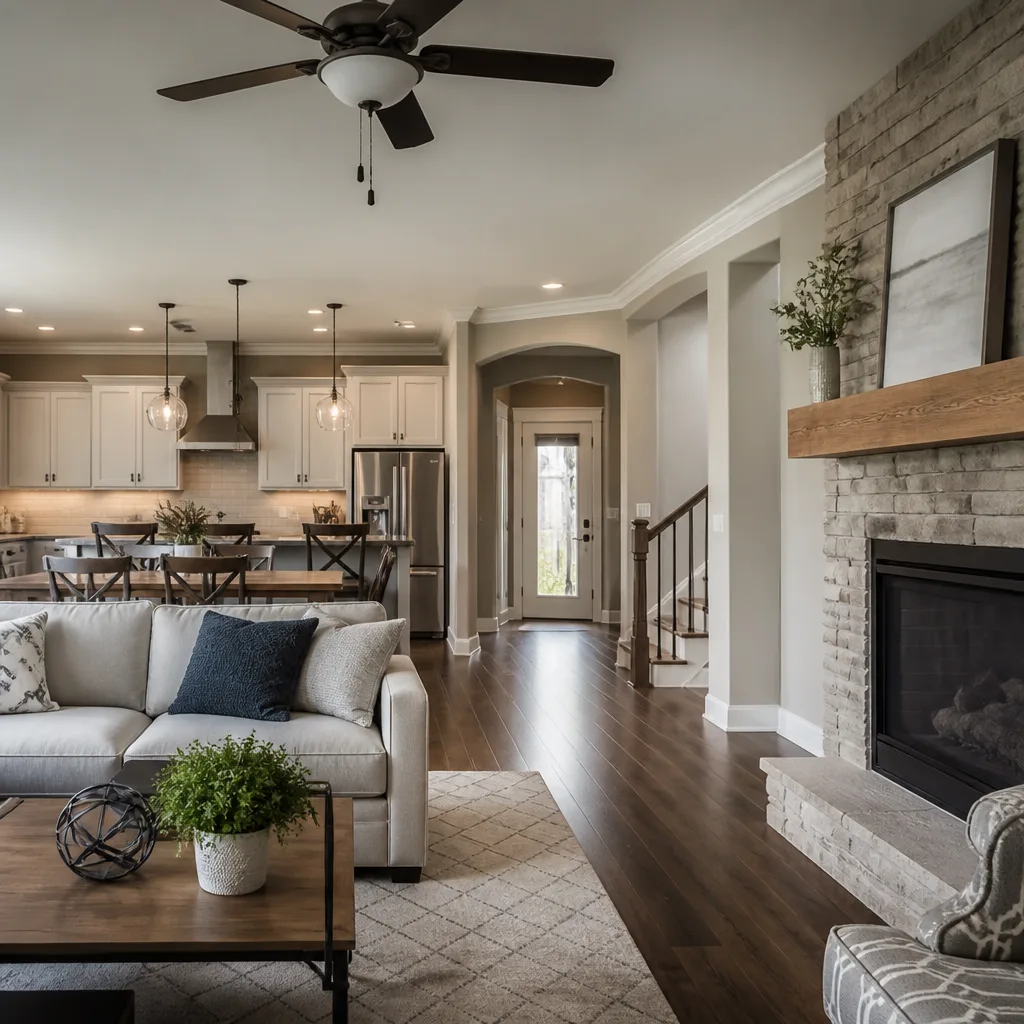
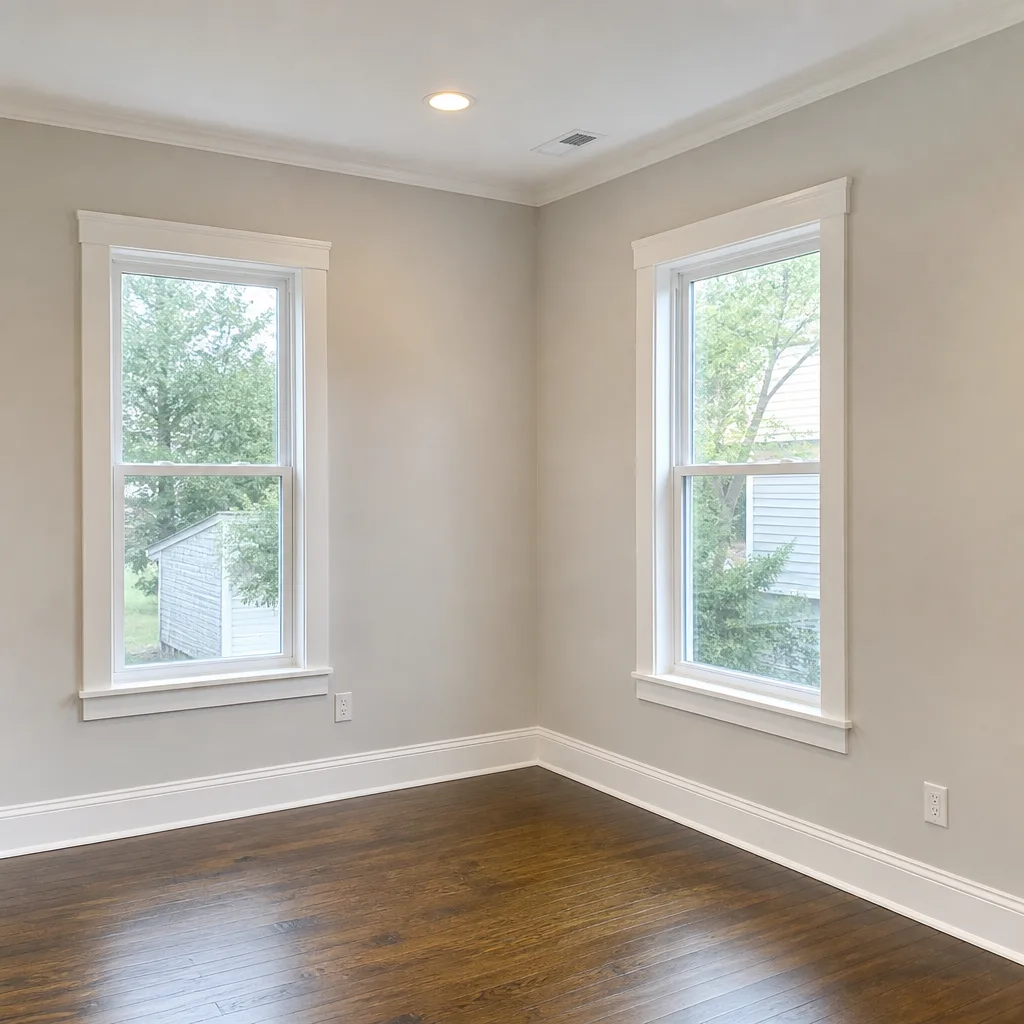
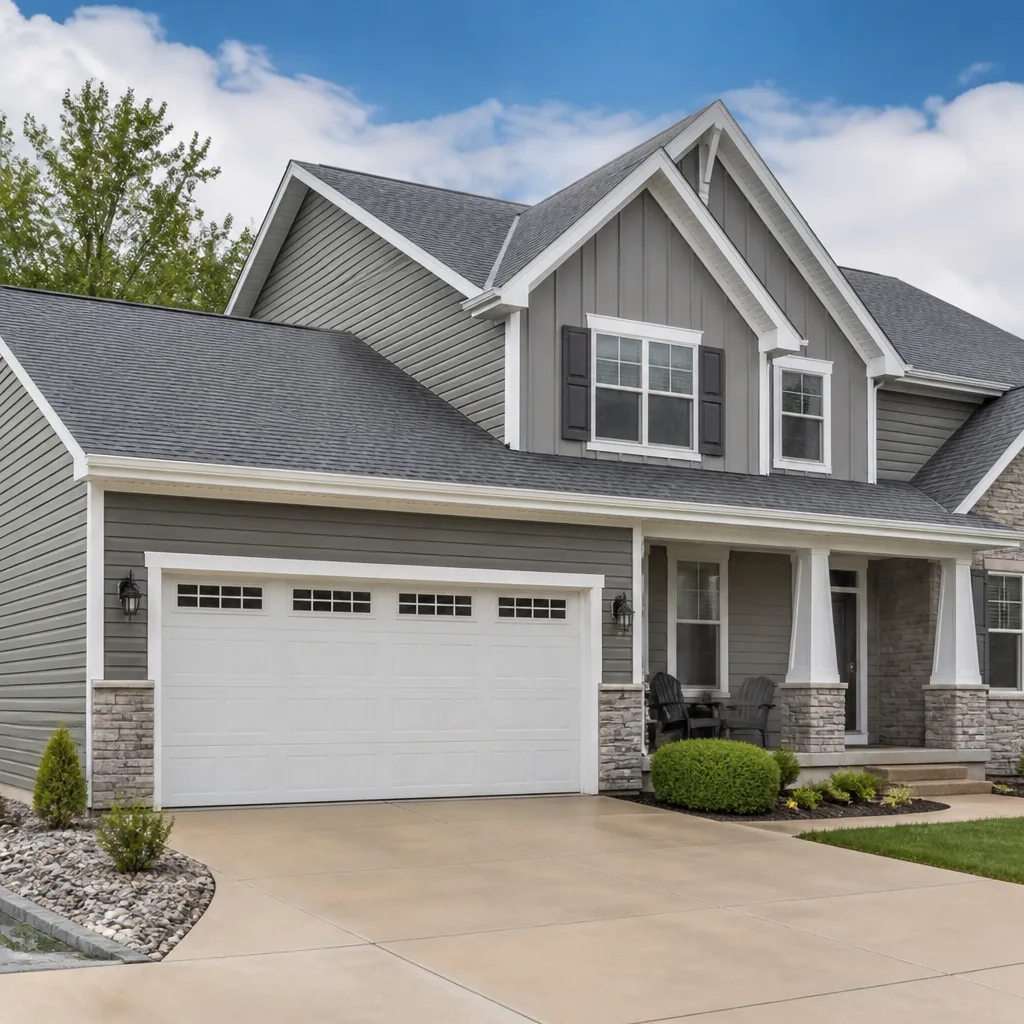
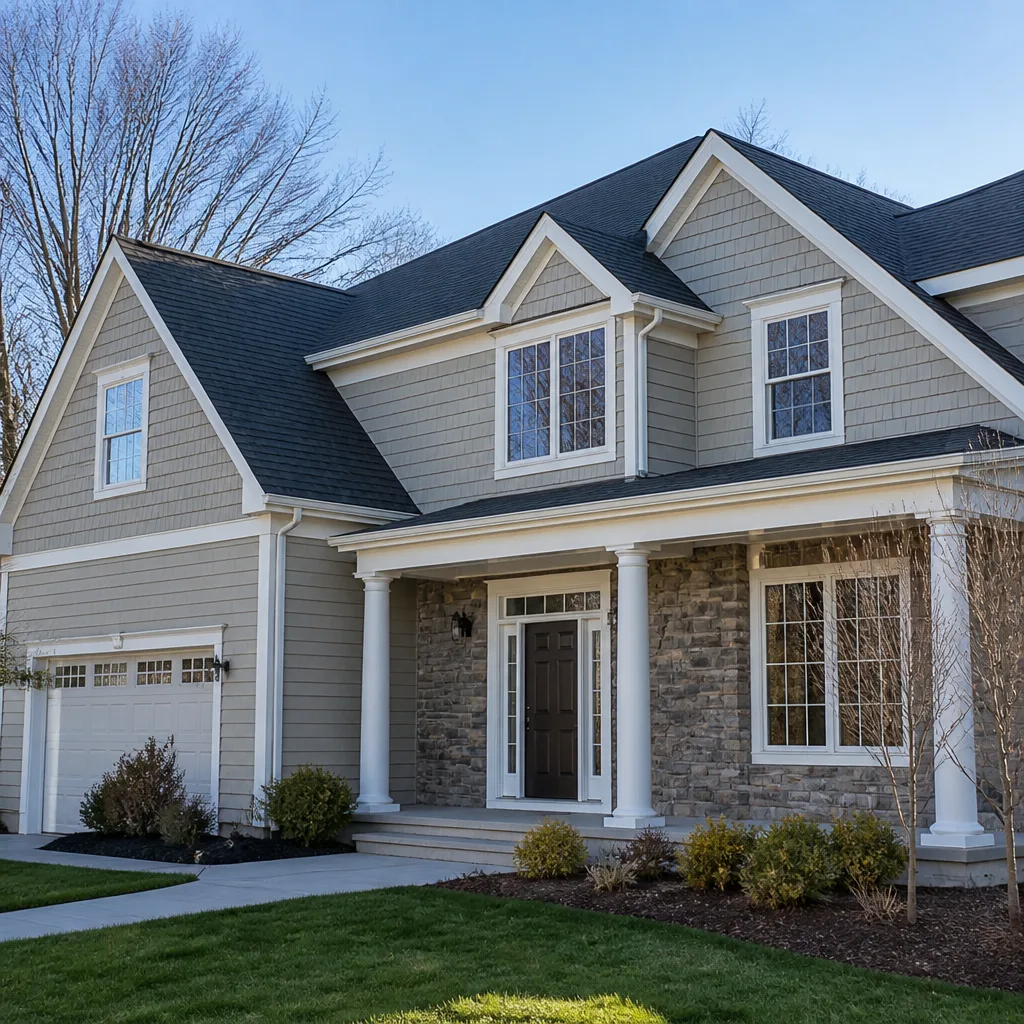
 Before
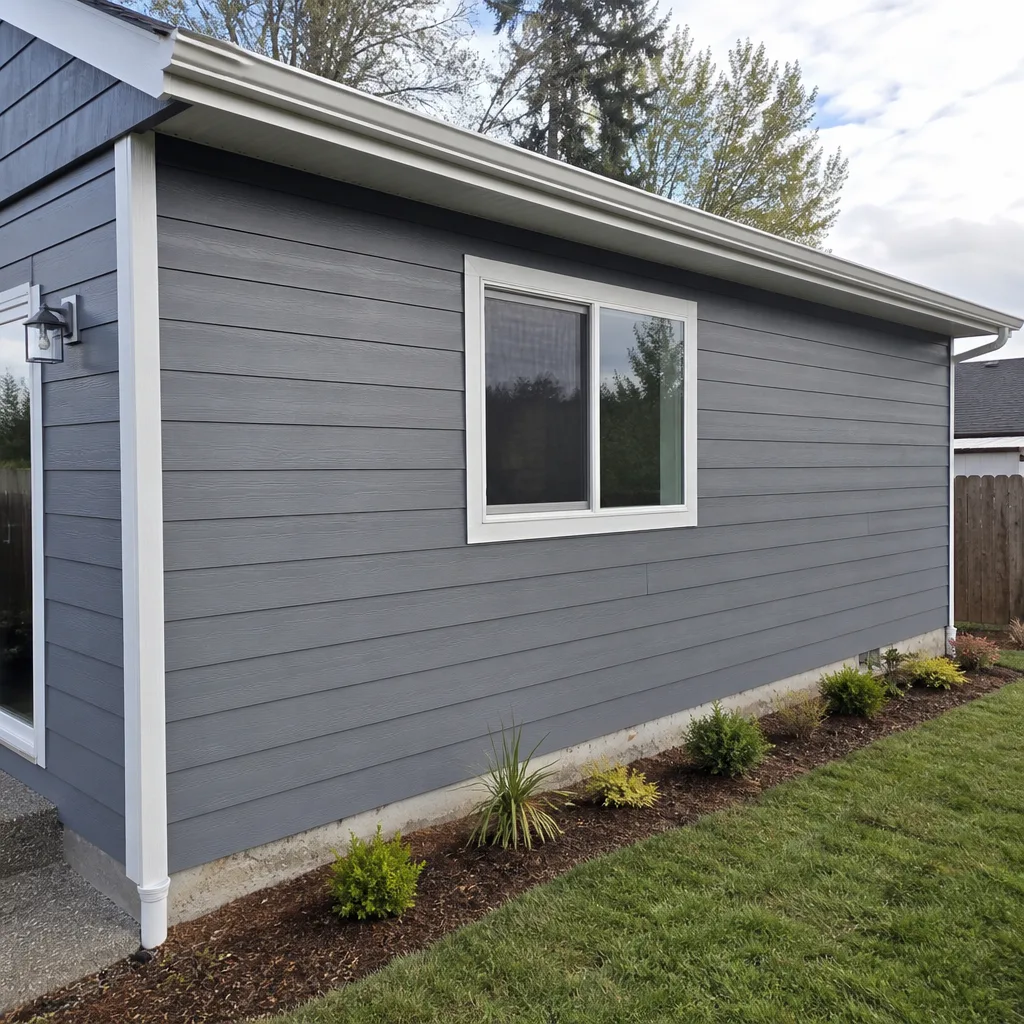 After
After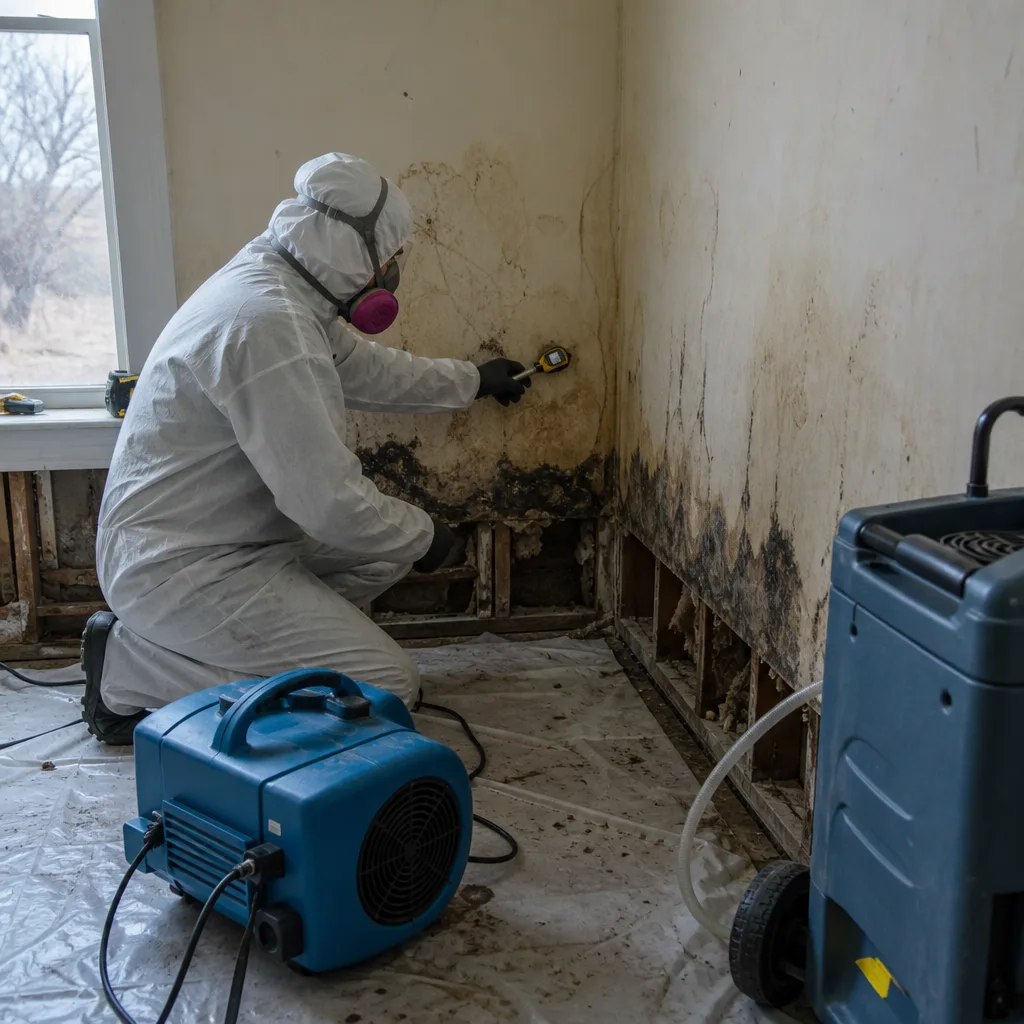 Before
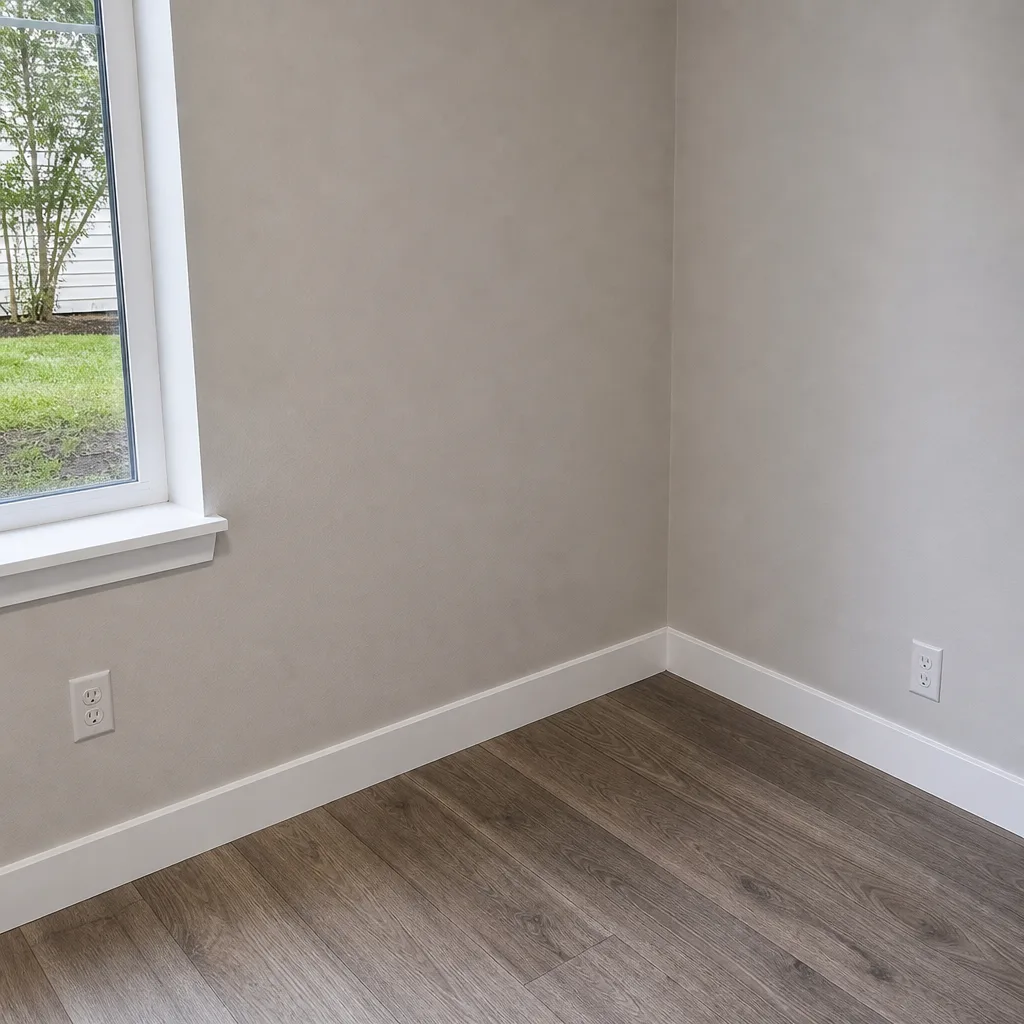 After
After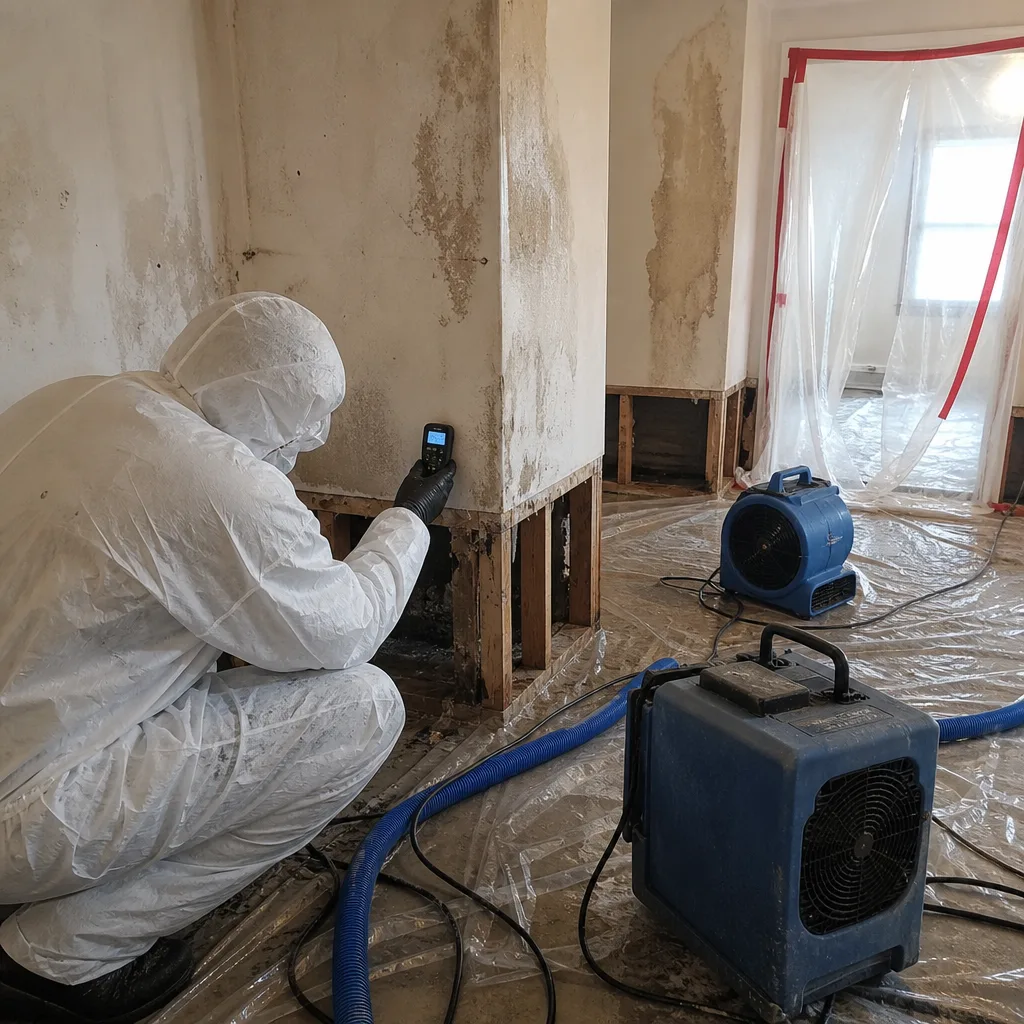 Before
 After
AfterFast, Reliable Mold Remediation Across Mill Creek
Mold remediation in Mill Creek typically costs $1,800-$6,500 depending on affected square footage and cavity depth, with most containment-and-drying projects completed in 3-7 business days. We dispatch crews to Mill Creek from our Seattle coordination office, and our live-answer emergency line - (360) 822-3055 - has no voicemail trees. When a convergence-zone windstorm drives rain behind the hardboard lap siding common to Mill Creek’s 1985-2005 build-out, mold colonies establish in wall cavities within 48-72 hours. That timeline is why we run moisture mapping the same day we set containment, and why every job starts with a written price before anyone touches your home - Haven Standard, Clause 1.
Why DryMark Restoration Marysville Is Mill Creek’s Preferred Mold Remediation Company
We’ve restored more than 12,000 homes since 2011, and a measurable share of those jobs have been in the Everett-to-Bothell corridor where Mill Creek sits. Alicia Brennan founded Back to Dry Restoration after working as a claims adjuster and watching homeowners lose coverage fights over missing documentation - daily drying logs, photo records, written scopes. That origin is why our Mill Creek customers receive a documented photo record on every visit as standard, not an upsell.
Our response time to Mill Creek averages under 90 minutes from dispatch on emergency calls. Crews are background-checked, uniformed, and licensed, with license numbers provided on request. We coordinate scheduling from our Seattle office, but the technicians who arrive at your Mill Creek door know the local housing stock: the two-story colonials off Mill Creek Boulevard, the Craftsman-influenced homes near the wetland buffers, the hardboard and T1-11 siding that has now spent four decades in a high-moisture climate.
We also offer a Free Second Opinion on any competitor’s written estimate - bring us their scope and we’ll review it at no charge. And every job carries the 365-Day Done Right Promise under The Haven Standard: if it’s not done right, we make it right, in writing.
Our Mold Remediation Services in Mill Creek
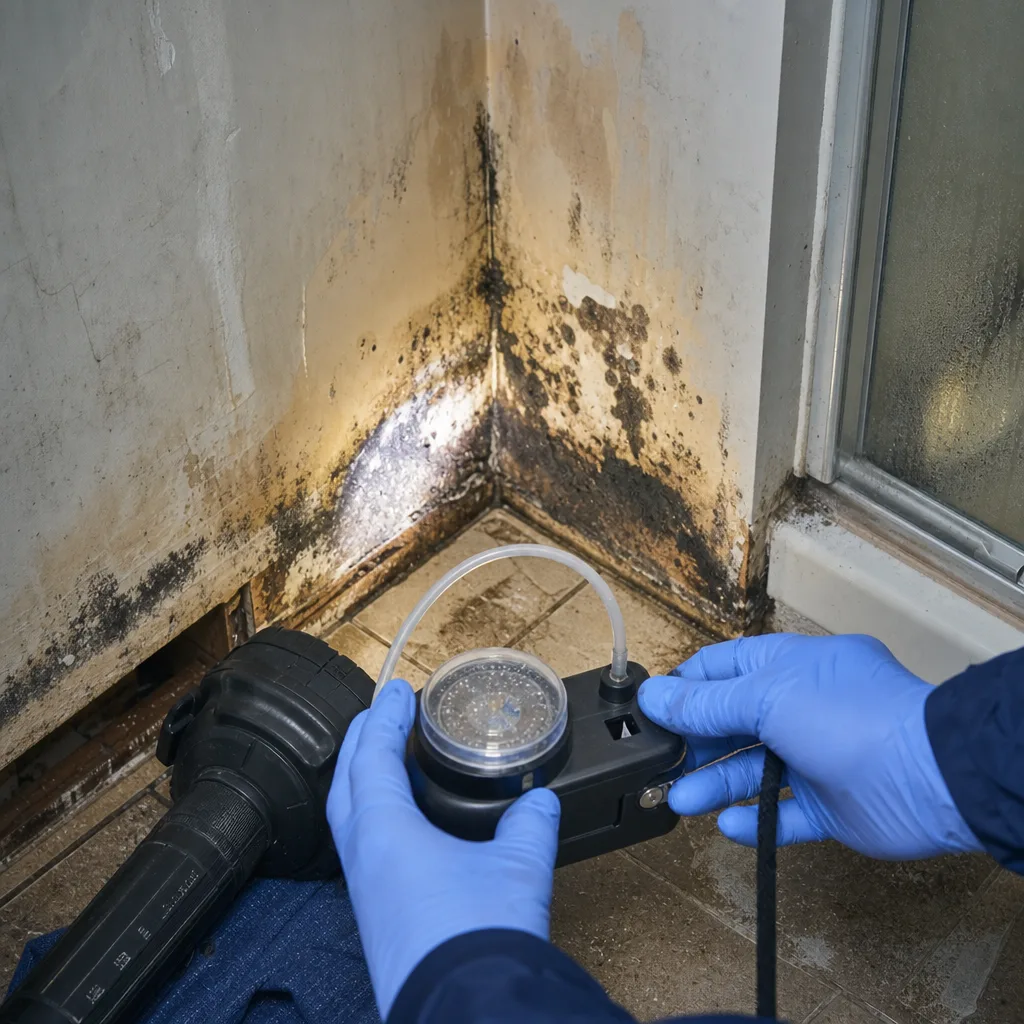
Mold Inspection & Testing
A proper Mill Creek inspection starts with psychrometric data - temperature, relative humidity, and vapor pressure differential, which is the force that drives moisture from wet materials into dry air. We measure these with calibrated meters, then map moisture readings across every wall cavity, not just where you see staining. In Mill Creek’s 1985-2005 homes, fiberglass batt insulation absorbs water silently; by the time mold is visible at baseboard level, the colony often extends two feet above the floor line. Our inspection reports include affected square footage, material classifications by trade name, and a written scope with line-item pricing before work begins - Haven Standard, Clause 1.
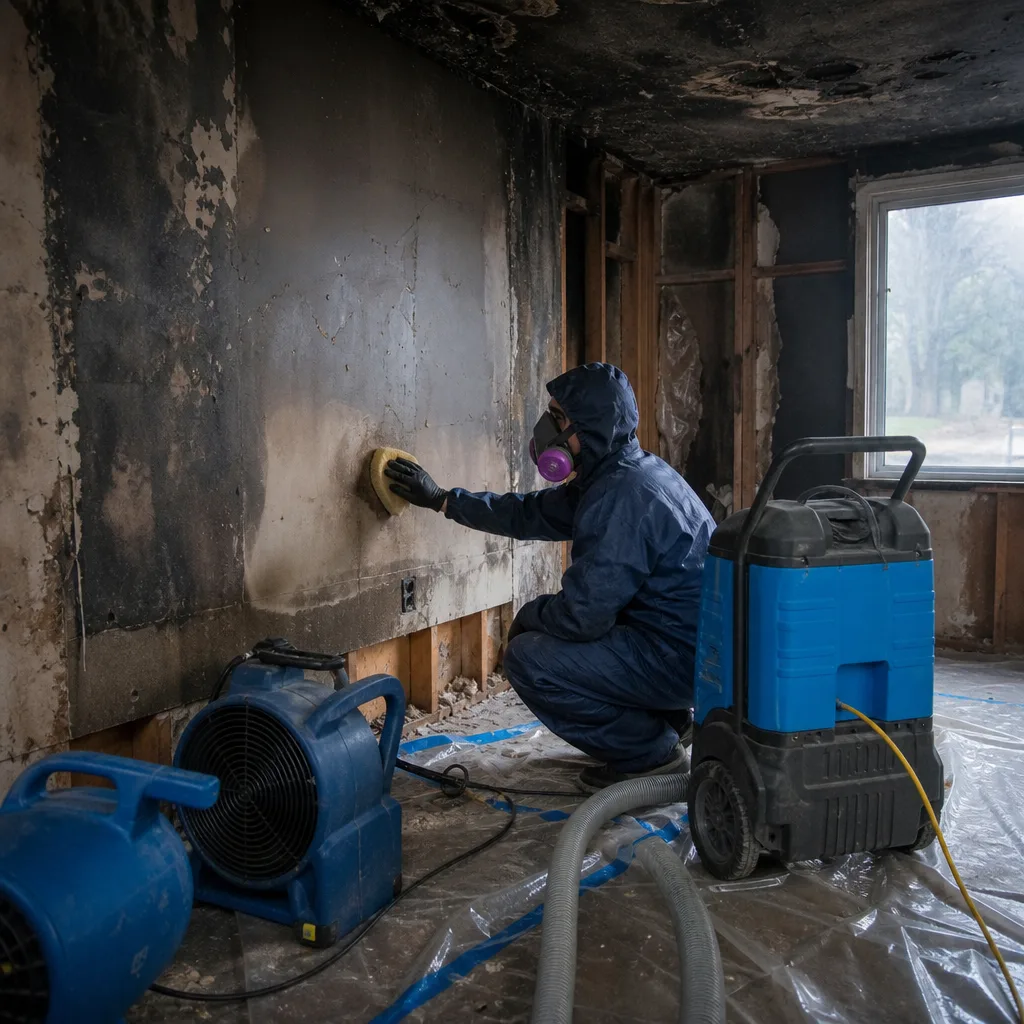
Mold Removal
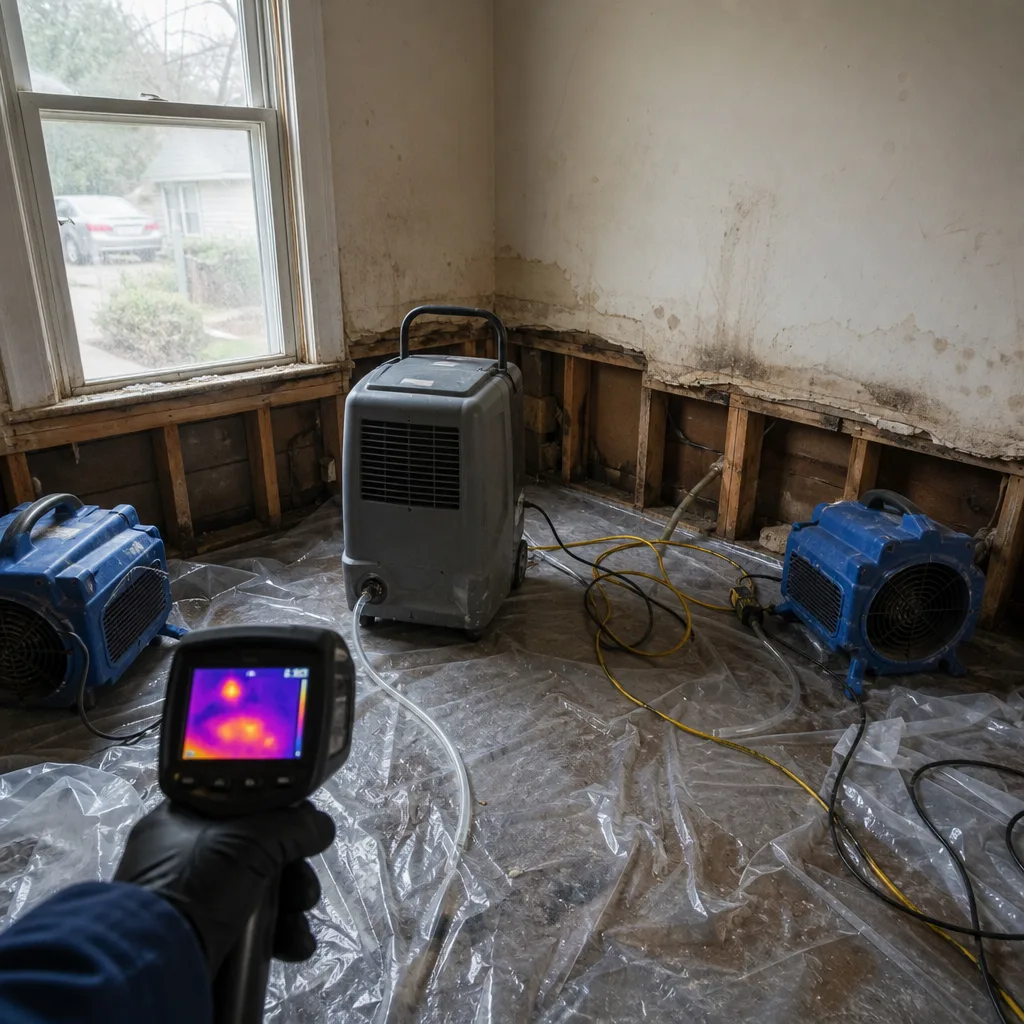
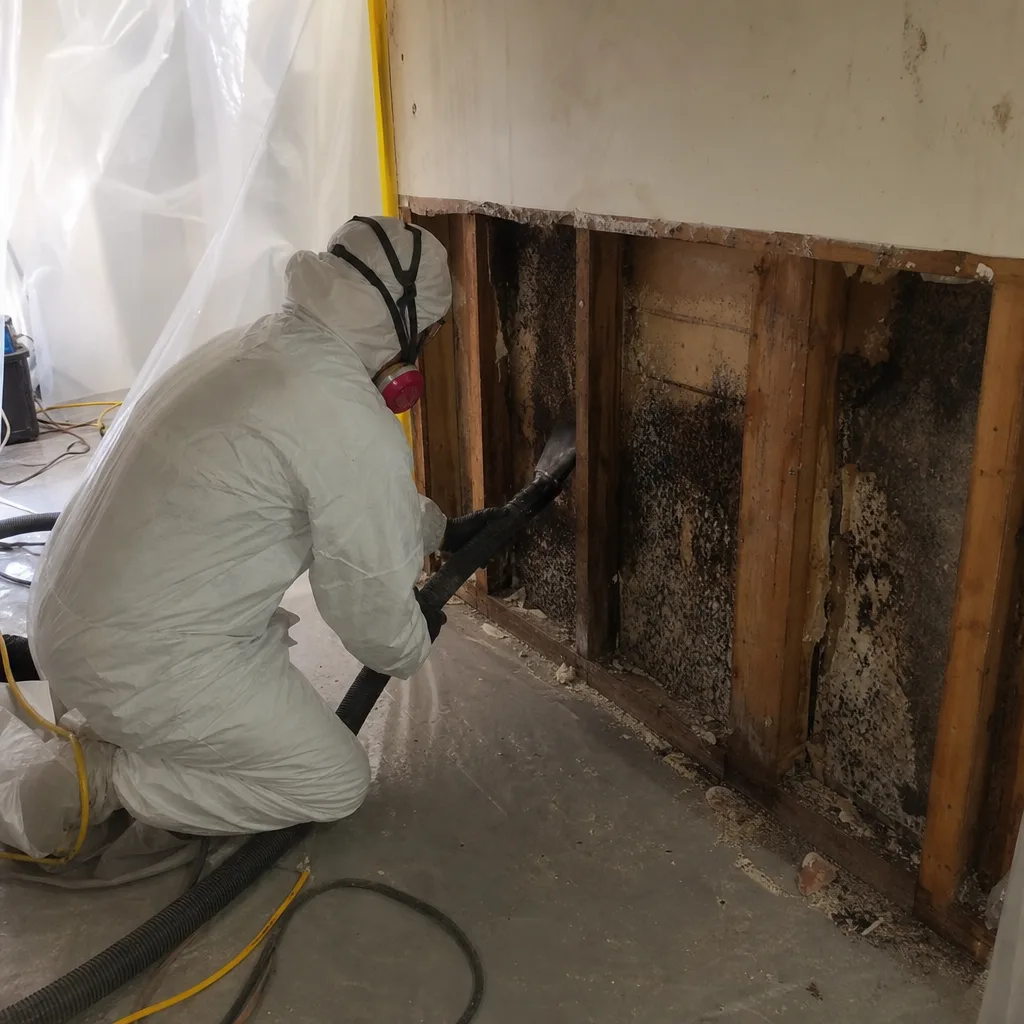
Removal in Mill Creek means more than surface cleaning. When convergence-zone windstorms drive rain under failing hardboard laps, the cavity behind your siding becomes a secondary damage zone. We set polyethylene containment barriers with negative-air HEPA filtration before opening walls, then remove compromised materials by trade-standard protocol: drywall, insulation, and any structural lumber with moisture content above 16 percent. Antimicrobial treatment follows, with documented application times and product specifications. Every removal job includes a photo record on every visit, and daily moisture logs tracked to IICRC and RIA standards until the structure returns to pre-loss condition.

Black Mold Remediation
Stachybotrys chartarum and other toxigenic species require the same containment rigor as any mold job, but with stricter personal protective equipment and decontamination protocols. In Mill Creek, we most often encounter black mold in wall cavities after prolonged moisture intrusion - the kind that happens when groundwater backs up in FEMA Special Flood Hazard Areas near the Mill Creek waterway, or when storm events overwhelm aging roof flashings. We don’t scare you with species names; we show you the moisture readings, the affected dimensions, and the written remediation plan with a fixed price before work starts.
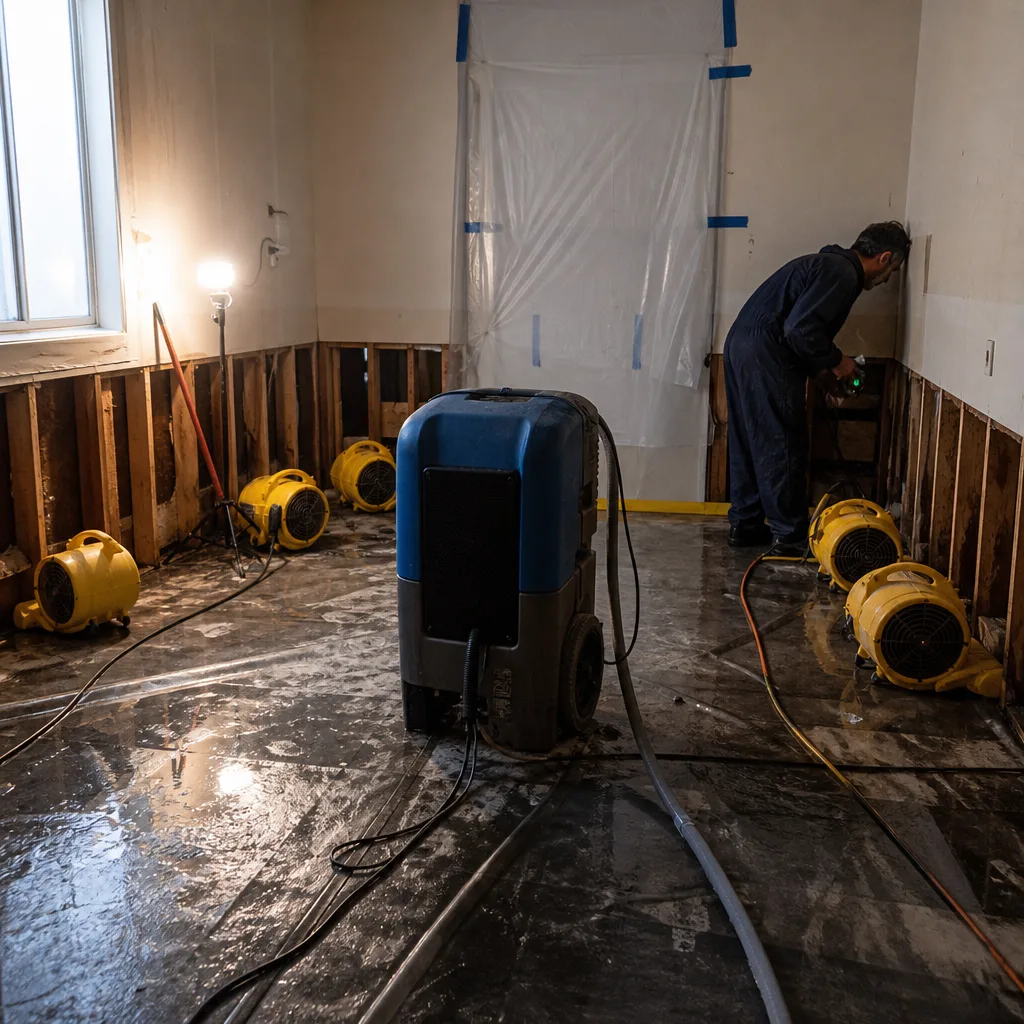
Air Quality Restoration
After containment and removal, air quality restoration in Mill Creek homes means HEPA filtration, controlled ventilation, and post-remediation verification sampling. We run professional-grade air scrubbers from B-Air and Phoenix equipment lines, documented to IICRC standards, until airborne spore counts match outdoor baseline levels for the property. For homes near Mill Creek’s preserved wetland buffers - where ambient humidity runs higher year-round - we also specify vapor pressure differential targets that account for local conditions, not generic manufacturer defaults.
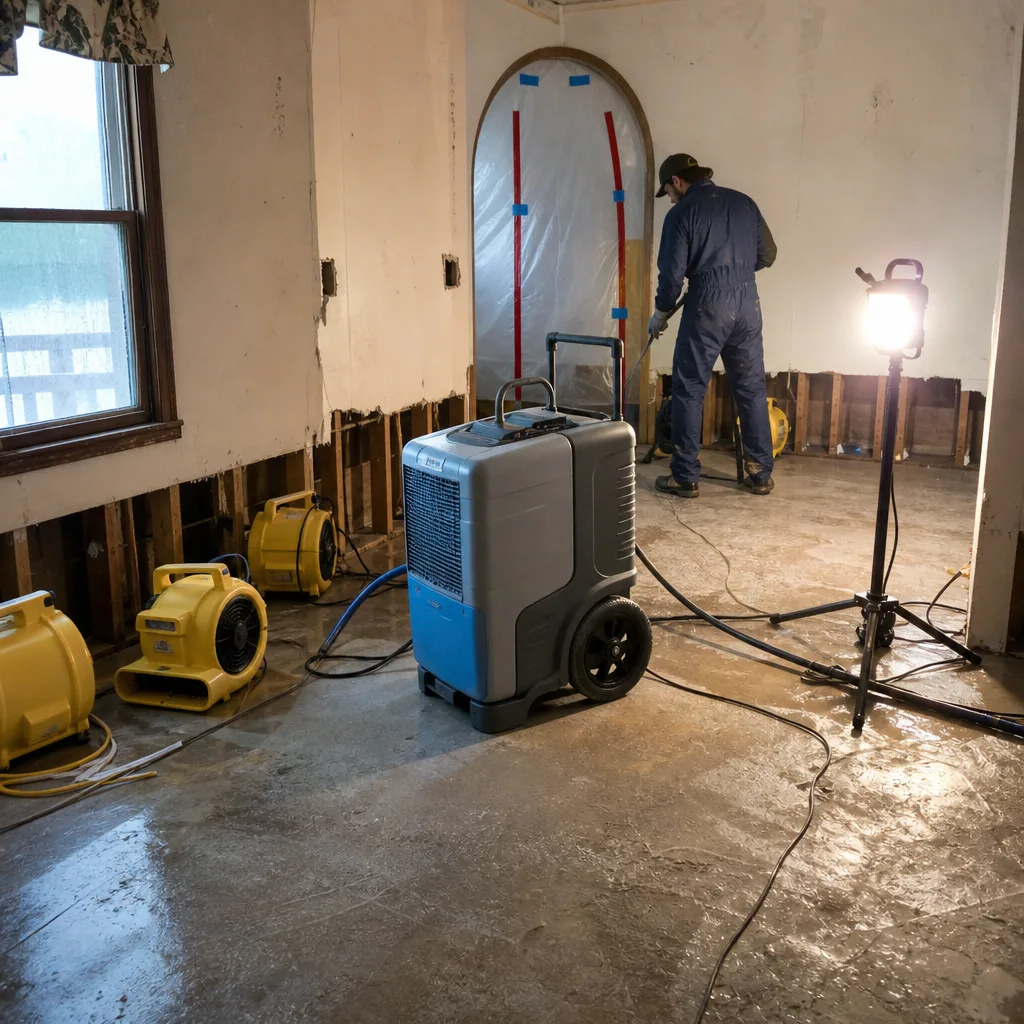
Moisture & Humidity Control
Mill Creek’s location in the Puget Sound Convergence Zone means sustained precipitation events that outlast standard drying timelines. Our moisture control protocols use Injectidry cavity-drying systems and desiccant dehumidification to pull residual moisture from structural lumber and sheathing after the visible water is gone. Tertiary drying - the final phase where vapor pressure differential is driven to near-zero - is where documentation matters most: our daily drying logs give your adjuster the evidence to pay the invoice without dispute.
Crawl Space Treatment
Portions of Mill Creek fall within FEMA Special Flood Hazard Areas, and the city’s preserved wetland buffers keep groundwater tables high through much of the year. Crawl space mold here is rarely a one-time event; it’s a chronic humidity problem. Our crawl space assessments include vapor pressure differential readings at the soil surface, structural moisture content in floor joists, and a written scope that distinguishes between remediation (removing existing mold) and prevention (encapsulation, dehumidification, drainage correction). We quote both phases separately - Haven Standard, Clause 1 - so you know exactly what you’re paying for.
What happens when you call
- 1
A real person answersNo phone trees - you reach a local pro.
- 2
You get an upfront price rangeHonest numbers before anyone is dispatched.
- 3
A background-checked tech heads outLicensed & insured, dispatched right away.
- 4
You approve before work beginsNothing starts until you say go.
BeforeAfterTrusted Brands We Service in Mill Creek
Our equipment inventory for Mill Creek jobs includes professional-grade drying systems from B-Air, Injectidry, and Phoenix - brands specified in IICRC and RIA restoration protocols. We stock HEPA filtration media, antimicrobial formulations, and containment supplies locally, so crews don’t lose a day waiting for freight. Injectidry’s cavity-injection drying panels are particularly useful in Mill Creek’s hardboard-sided homes, where we need to dry wall cavities without removing entire wall sections. Every piece of equipment is logged to the job file with serial numbers and calibration dates, part of the documentation package that accompanies your invoice.
Common Mold Remediation Problems We See in Mill Creek Homes
- Treating the conifer roof strike as the whole job. After a convergence-zone windstorm, the visible Douglas fir or cedar through your roof deck is only phase one. Phase two - wind-driven rain forced under failing hardboard laps on the windward wall - often seeds a larger mold colony that isn’t discovered until moisture mapping reveals elevated readings behind intact interior paint.
- Assuming baseboard mold is surface-level damage. In Mill Creek’s 1985-2005 homes, fiberglass batt insulation in wall cavities holds water like a sponge. By the time mold appears at the baseboard, the cavity damage typically extends well above the visible line. We cut inspection ports at multiple heights to map the full extent before writing the scope.
- Drying without containment. Running air movers and dehumidifiers in an open room spreads spores into unaffected areas while the wall cavity is still wet. We establish polyethylene containment with negative-air pressure before any drying equipment runs, and we don’t break containment until post-remediation verification confirms airborne spore counts have normalized.
- Skipping daily moisture logs. Without documented psychrometric data and moisture-content readings tracked to pre-loss baseline, your adjuster has reason to challenge the invoice. Our drying logs are included as standard, formatted to IICRC and RIA documentation standards, and submitted with every claim.
Pricing for Mold Remediation in Mill Creek, WA
Mold remediation in Mill Creek follows these typical ranges based on 2024-2025 local market data:
| Service | Typical Range |
|---|---|
| Mold inspection & moisture mapping | $350-$650 |
| Localized surface remediation (under 10 sq ft) | $1,200-$2,400 |
| Wall cavity remediation with containment (10-100 sq ft) | $2,800-$5,500 |
| Whole-room or multi-cavity remediation (100+ sq ft) | $5,500-$12,000+ |
| Crawl space treatment with vapor barrier | $3,500-$8,500 |
| Air quality restoration / post-remediation verification | $450-$950 |
What moves a Mill Creek job to the higher end: concealed cavity damage behind hardboard siding requiring full containment, multiple affected rooms, or Category 2/3 water intrusion from storm backup or groundwater. What keeps costs controlled: early moisture mapping that limits the remediation area, and intact structural lumber that doesn’t require replacement. Every job gets a written price before work begins - Haven Standard, Clause 1 - with no scope-creep additions once the crew is inside. Call (360) 822-3055 for a free estimate; we’ll inspect, map moisture, and deliver a fixed-price scope within 24 hours.
We Also Serve Cities Near Mill Creek
Our crews work the full Everett-to-Bothell corridor, including our Mold Remediation services in Lynnwood, Mukilteo, Snohomish, and Mountlake Terrace. Dispatch and scheduling are coordinated from our Seattle office, with local response times comparable to Mill Creek throughout southern Snohomish County.
Serving Mill Creek, WA - Our Local Coverage Area
We’re based in the Mill Creek area and know this community well. Use the map below to see our service coverage - if you’re nearby, we can almost certainly help.
FAQs - Mold Remediation in Mill Creek

Mold can establish in wall cavities within 48-72 hours after moisture intrusion, but in Mill Creek’s convergence-zone storms, the critical factor is often the wind-driven rain that accompanies the visible roof damage. We respond with same-day moisture mapping to determine whether the wall cavity is already wet behind intact interior surfaces. Call (360) 822-3055 - estimates are free, and early mapping limits the remediation area.
Yes. Mill Creek’s 1985-2005 build-out used hardboard lap siding that swells and delaminates after decades in this climate, opening seams that wind-driven rain exploits during convergence-zone storms. We use non-invasive moisture meters and thermal imaging to detect cavity saturation without removing siding, then confirm with inspection ports if readings are elevated. The inspection runs $350-$650, and we deliver a written scope with fixed pricing before any work begins.
Category 1 is clean water from a roof leak or broken supply line; Category 2 carries significant contamination from stormwater or groundwater; Category 3 is grossly contaminated, typically from sewage backup or flooding. In Mill Creek, convergence-zone storm intrusion that enters through roof damage starts as Category 1 but can degrade to Category 2 if it picks up contaminants from soffits, gutters, or attic debris. We test with calibrated meters and visual inspection of the water line’s origin path, then classify by IICRC protocol - the classification determines antimicrobial intensity and whether materials can be dried in place or must be removed. The classification is documented in your written scope before work starts.
Yes. Properties near the Mill Creek waterway or within mapped FEMA Special Flood Hazard Areas experience higher groundwater tables and more frequent sump-pump failures, which means crawl space mold is often recurrent rather than isolated. Our scopes for these properties include vapor pressure differential targets specific to high-humidity conditions, and we separately quote remediation (removing existing growth) from prevention (encapsulation, permanent dehumidification, drainage correction) so you can phase the work. Haven Standard, Clause 1: written price before work begins, every time.
A complete scope includes: containment barriers with negative-air HEPA filtration; moisture mapping and material classification by affected square footage; removal of non-salvageable materials per IICRC protocol; antimicrobial treatment with documented application; structural drying with daily moisture logs; and post-remediation verification sampling. For Mill Creek’s hardboard-sided homes, we also specify whether windward-wall cavity drying requires Injectidry panel injection or full siding removal. You receive a photo record on every visit, drying logs formatted to adjuster standards, and the 365-Day Done Right Promise in writing - not a verbal assurance. Call (360) 822-3055 to schedule inspection and receive your fixed-price scope within 24 hours.
Written by Alicia Brennan, Owner at Back to Dry Restoration, serving Mill Creek since 2011 under The Haven Standard.