
Last updated September 23, 2026
Free visual inspection and a written scope of work before any mitigation begins - photos, moisture readings, and drying logs go in your claim file
The scope we write is the scope we bill. Anything new gets shown to you, in writing, before we touch it.
 Before
 After
After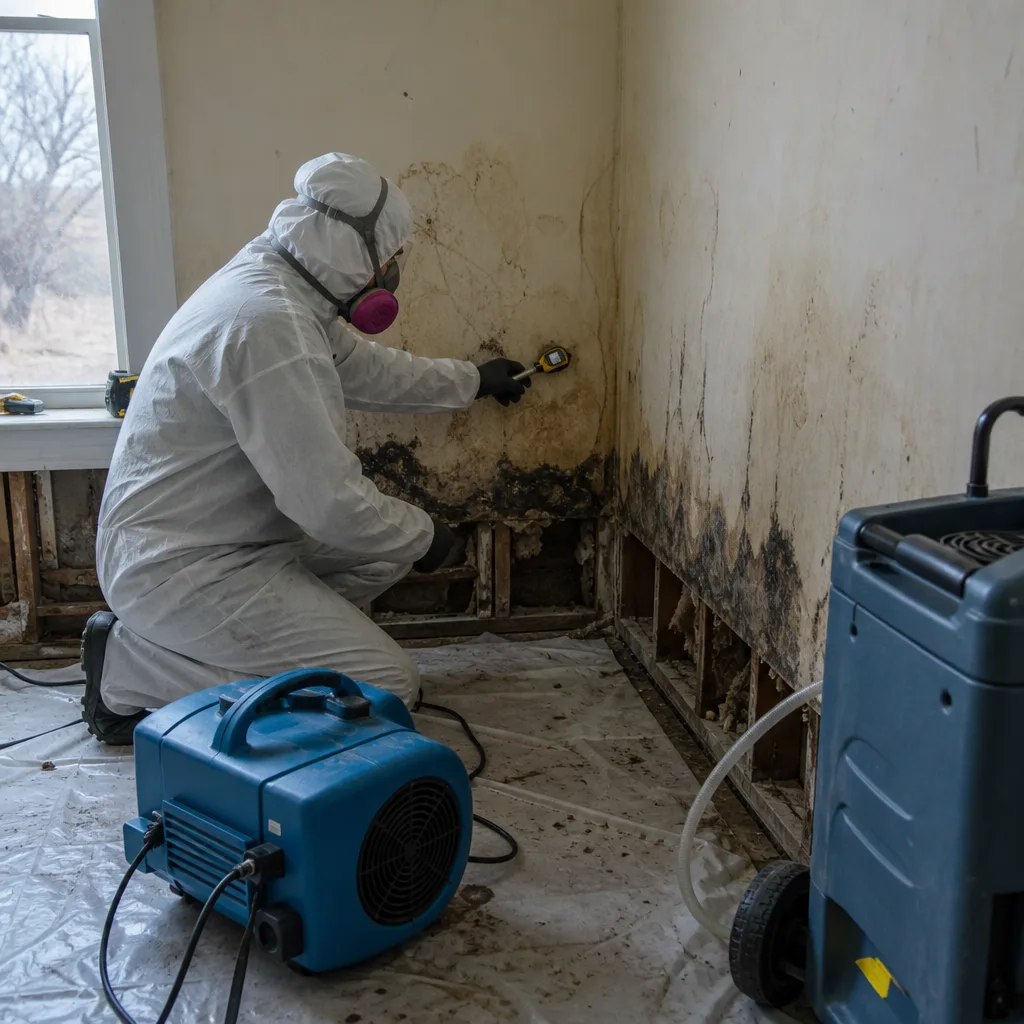 Before
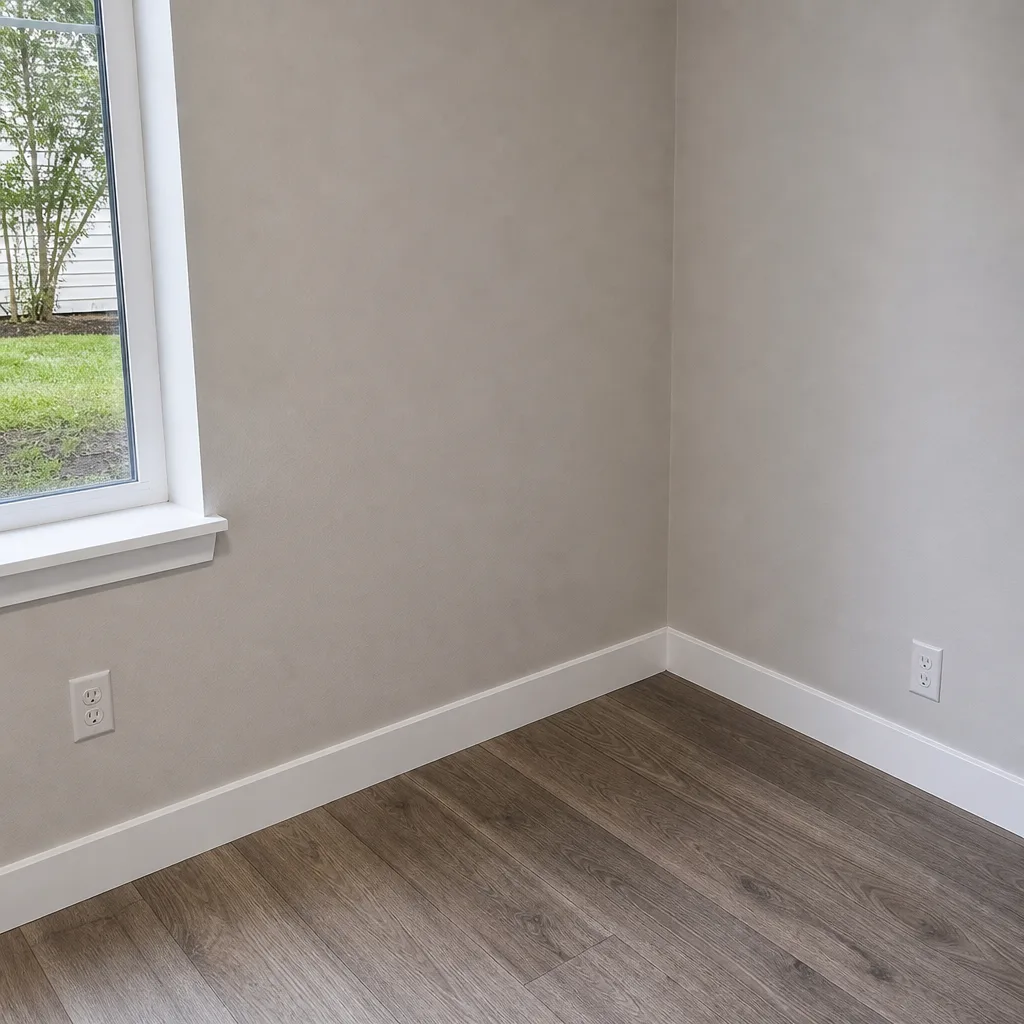 After
After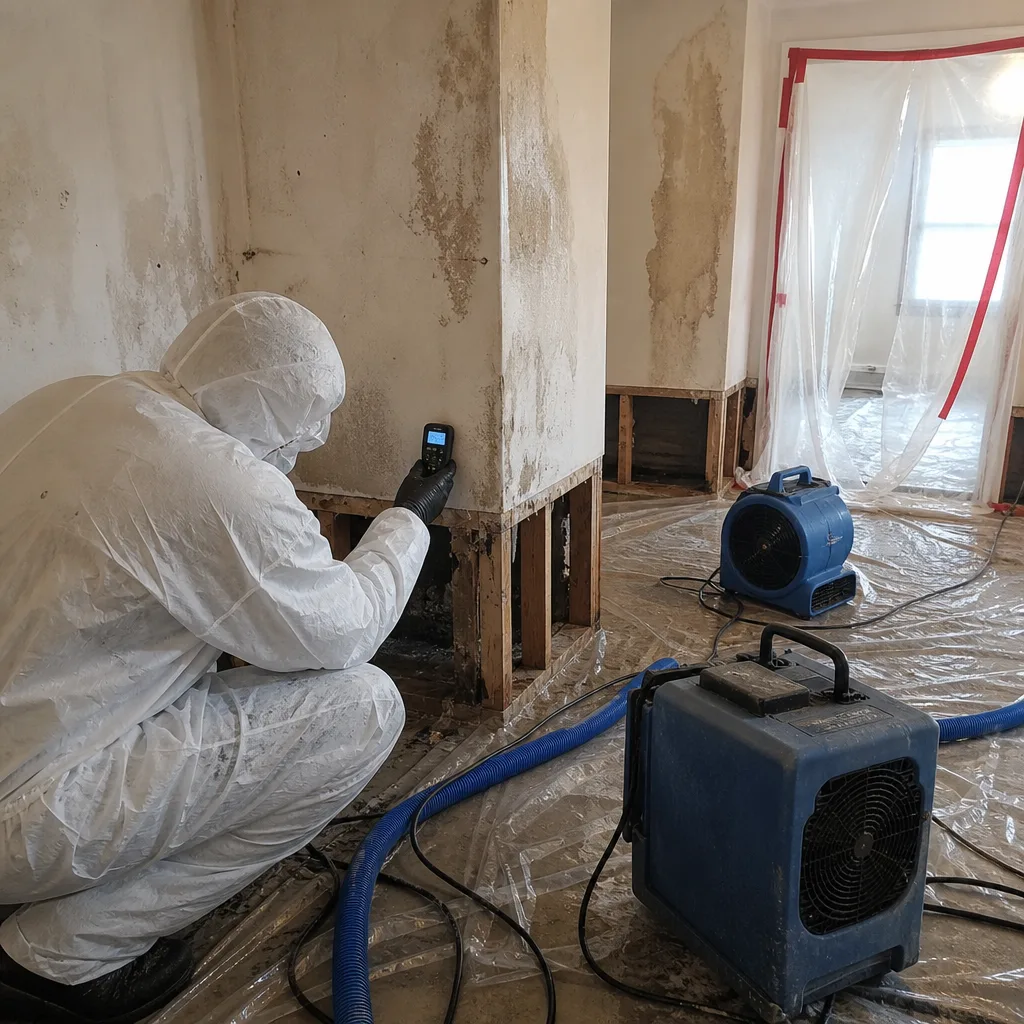 Before
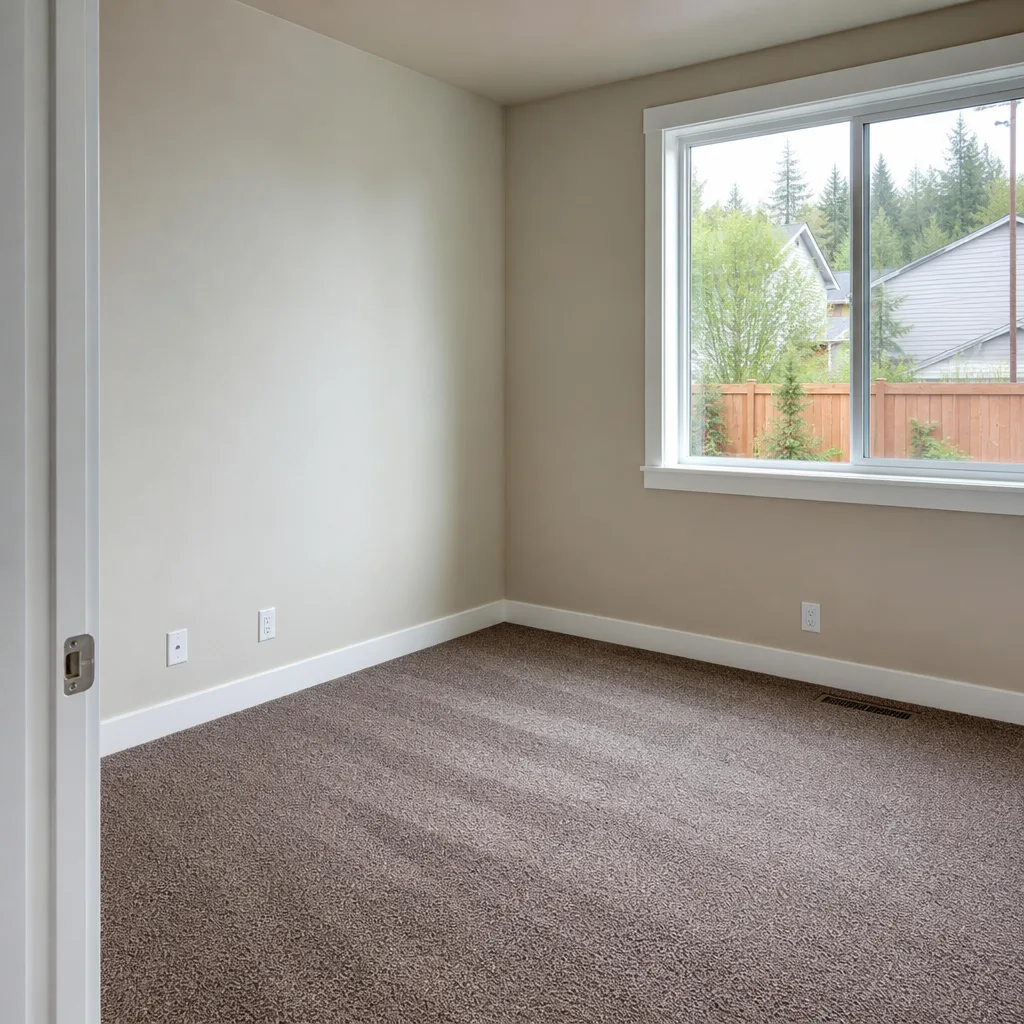 After
AfterDamage Restoration Permits, Codes & Inspections in WA: What You Need to Know
A Marysville homeowner who accepts a contractor’s offer to “keep things simple and skip the permit” on a wall rebuild after water damage may not discover the consequences until a home inspector flags unpermitted work during a sale, sometimes years later. In Snohomish County, roughly one in three residential real estate transactions involving homes built before 2010 now include a permit history review that catches undocumented repairs. This guide shows exactly where restoration work crosses into permit territory in Washington State, how to verify your contractor is protecting your title, and why that third-party inspection record matters more than the repair itself. For related reading, see our Damage Restoration Warning Signs: A Marysville Homeowner’s Reference Guide.
Quick Answer
Most water and fire damage mitigation in Washington State, including extraction, drying, and equipment placement, does not require a building permit. Once restoration crosses into structural repair, electrical rewiring, HVAC replacement, or reframing, Snohomish County and Marysville building departments require permits, inspections, and final sign-offs. Unpermitted reconstruction work creates a cloud on title that can derail refinancing or resale.
Table of Contents
- Where the Line Falls: Mitigation vs. Reconstruction
- Marysville and Snohomish County Permit Requirements
- What Restoration Work Is Exempt from Permits
- How to Verify Your Contractor Is Pulling Permits Correctly
- Washington L&I Contractor Registration Requirements
- How Permits and Inspections Strengthen Insurance Claims
- What Happens When a Final Inspection Fails
- The Resale Problem: Unpermitted Work and Title Clouds
BeforeAfterWhere the Line Falls: Mitigation vs. Reconstruction
The distinction between mitigation and reconstruction is where most homeowners, and some contractors, get lost. Understanding it protects your wallet and your title.
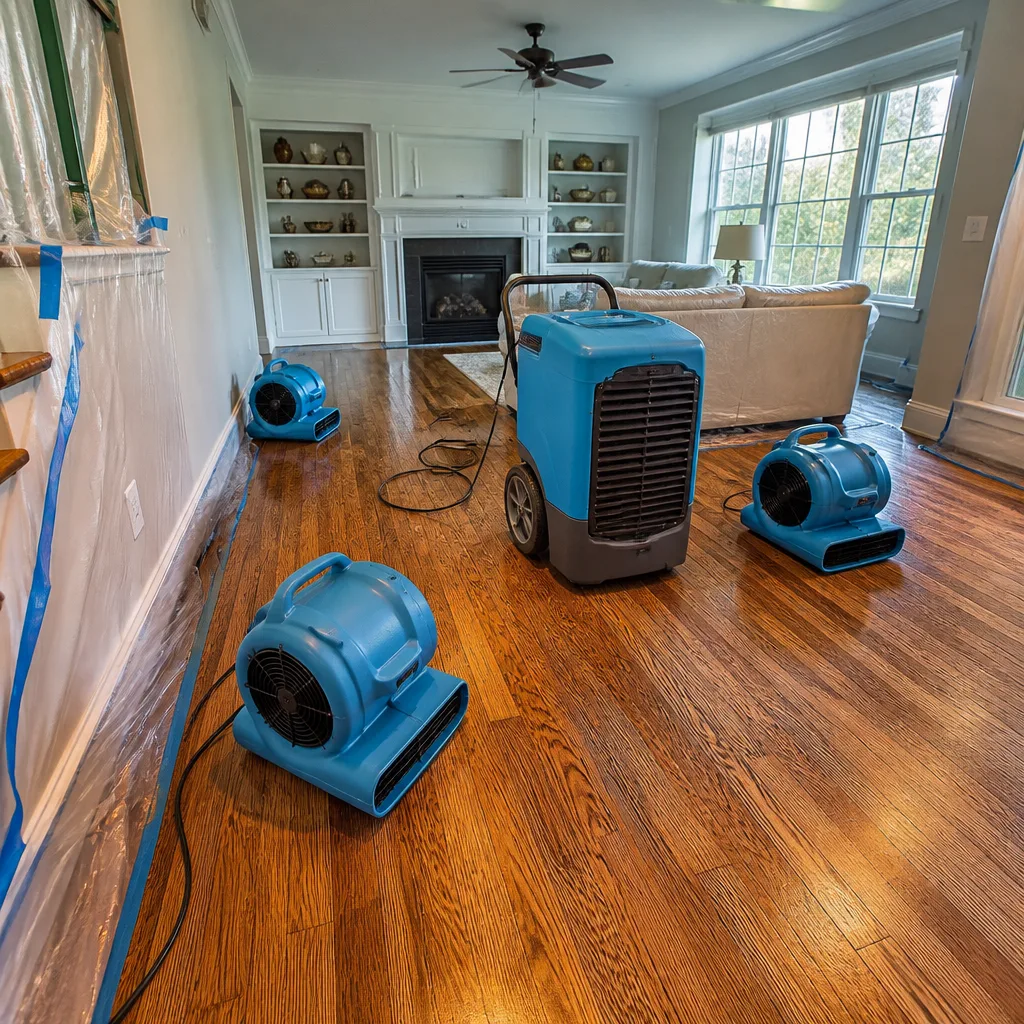
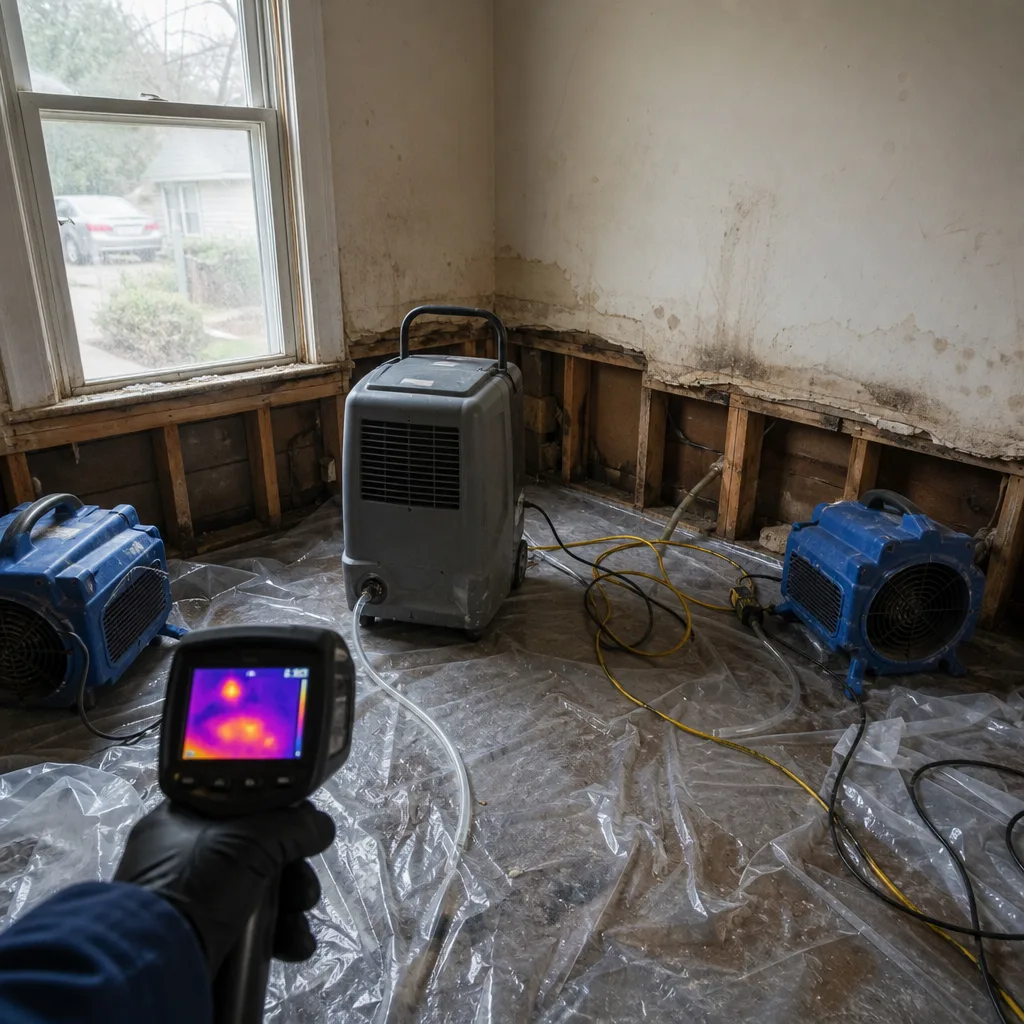
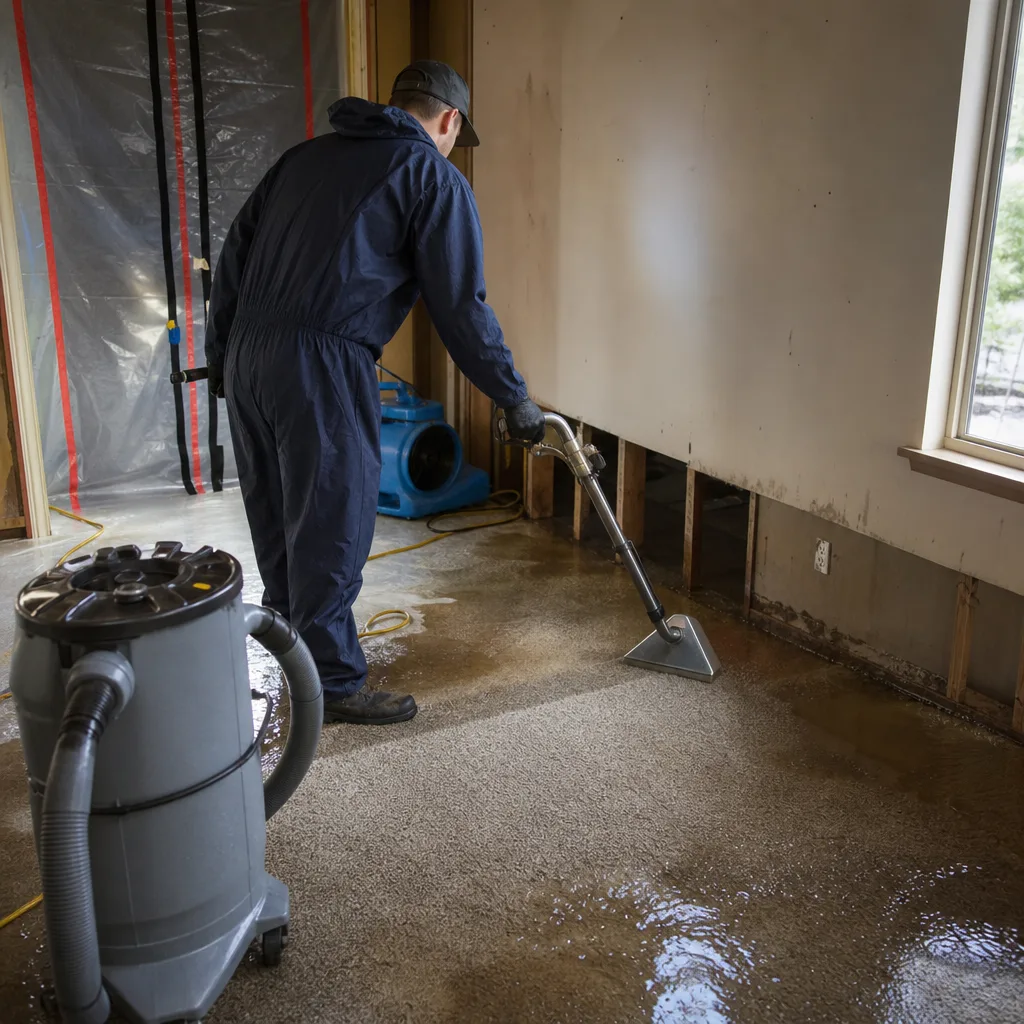
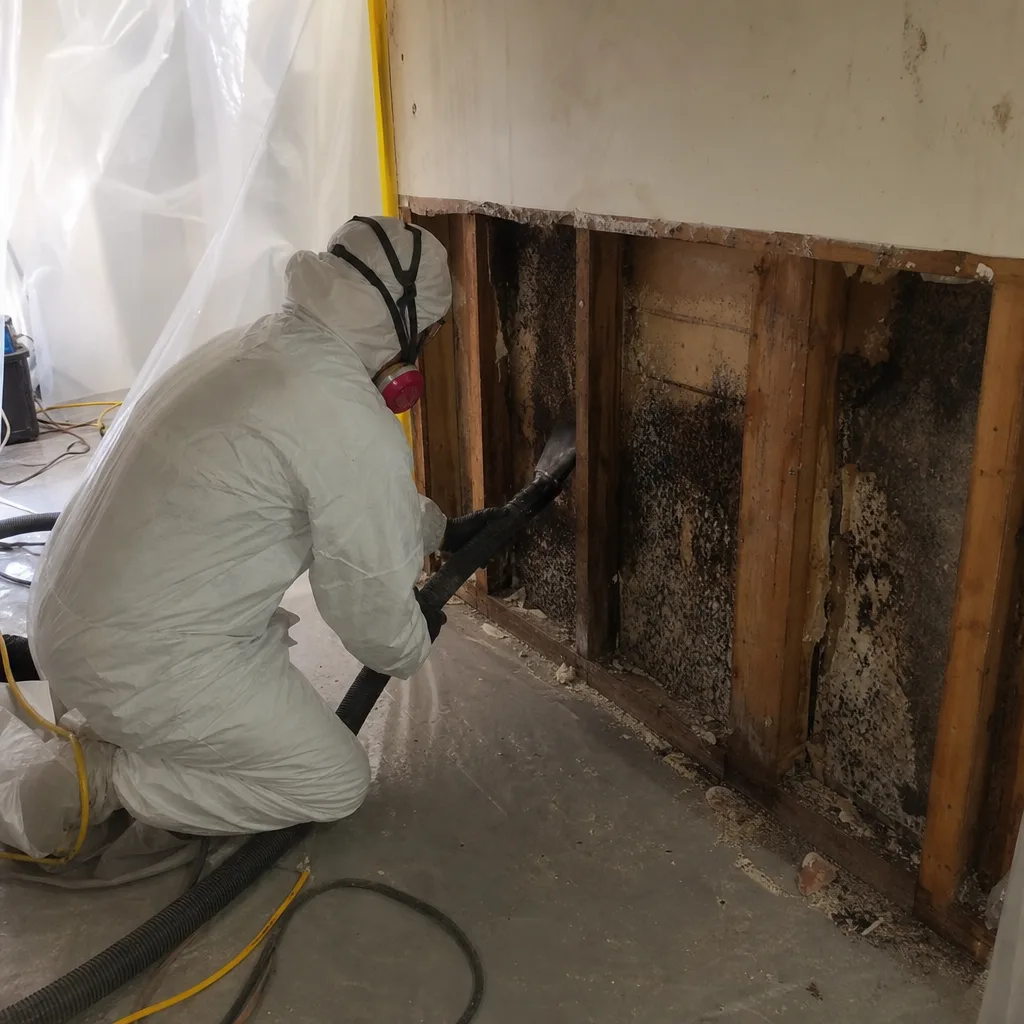
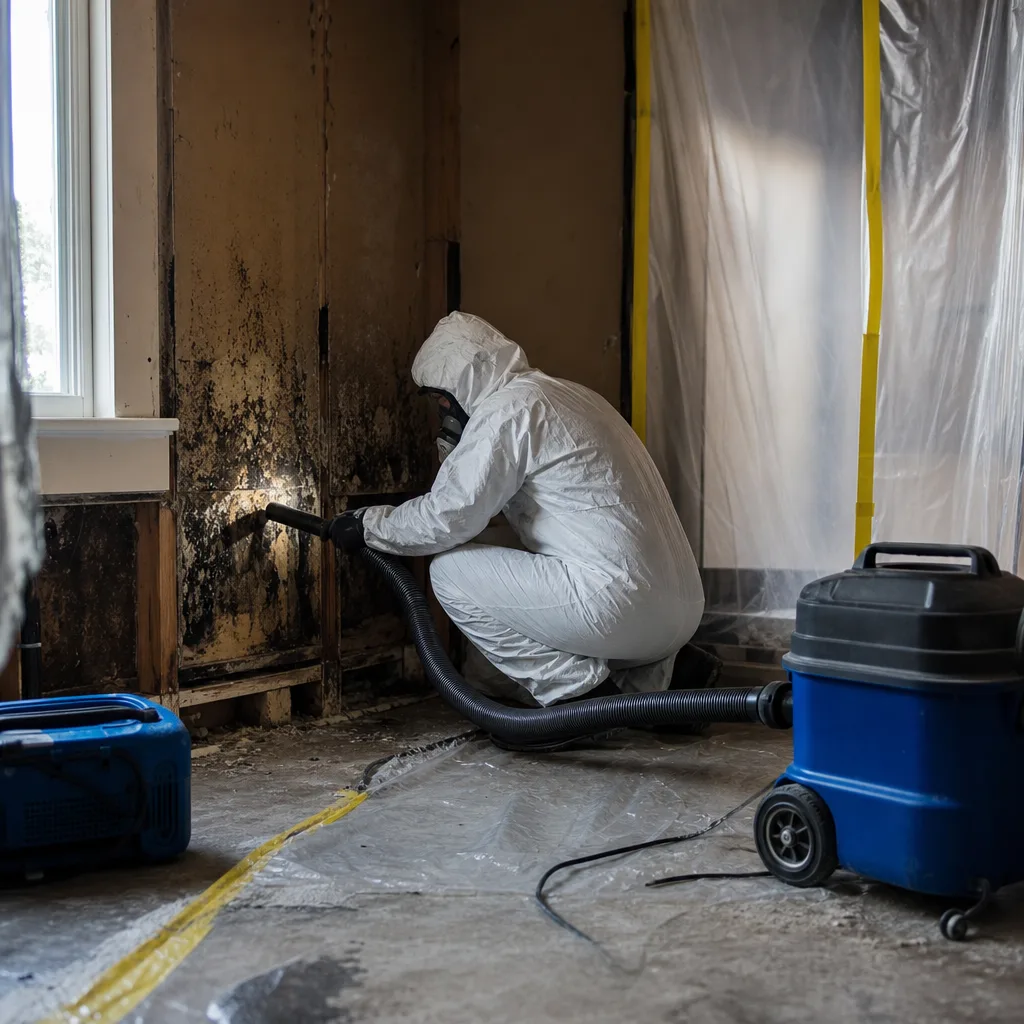
Mitigation is the emergency response: water extraction, controlled demolition of unsalvageable materials, placement of drying equipment, application of antimicrobial treatments, and containment of mold-affected areas. In Marysville, where the Stillaguamish River basin and seasonal groundwater saturation create recurring basement and crawl space flooding, mitigation crews often spend 3-5 days on site before any rebuilding begins. This phase is almost always permit-exempt.
Reconstruction begins when you replace what was removed: new drywall, reframed walls, rewired circuits, replaced subfloors, new HVAC ducting, or reinstalled plumbing. This is where Snohomish County Building Division and the City of Marysville permit requirements activate.
The specific trigger points include:
- Structural modifications to load-bearing walls, beams, or columns
- Electrical circuit additions, relocations, or replacements beyond like-for-like fixture swaps
- HVAC equipment replacement or ductwork modifications affecting airflow calculations
- Plumbing alterations beyond direct fixture replacement
- Changes to egress windows or doors, including basement bedroom requirements
- Fire-resistance-rated assembly repairs after fire damage
We’ve seen this line blurred repeatedly in Marysville’s older neighborhoods, particularly in homes near Sunnyside Boulevard and the waterfront areas where 1950s-1970s construction lacks modern fire-blocking and moisture barriers. A contractor who tears out water-damaged plaster and reframes with new insulation and drywall has crossed into permit territory, even if the finished wall looks identical to the original.
The water damage restoration process in Marysville typically separates these phases deliberately. Our crews document the mitigation phase with moisture logs, photo records, and written scopes under IICRC standards, then hand off to licensed reconstruction specialists who pull permits before the first stud goes in.
Marysville and Snohomish County Permit Requirements
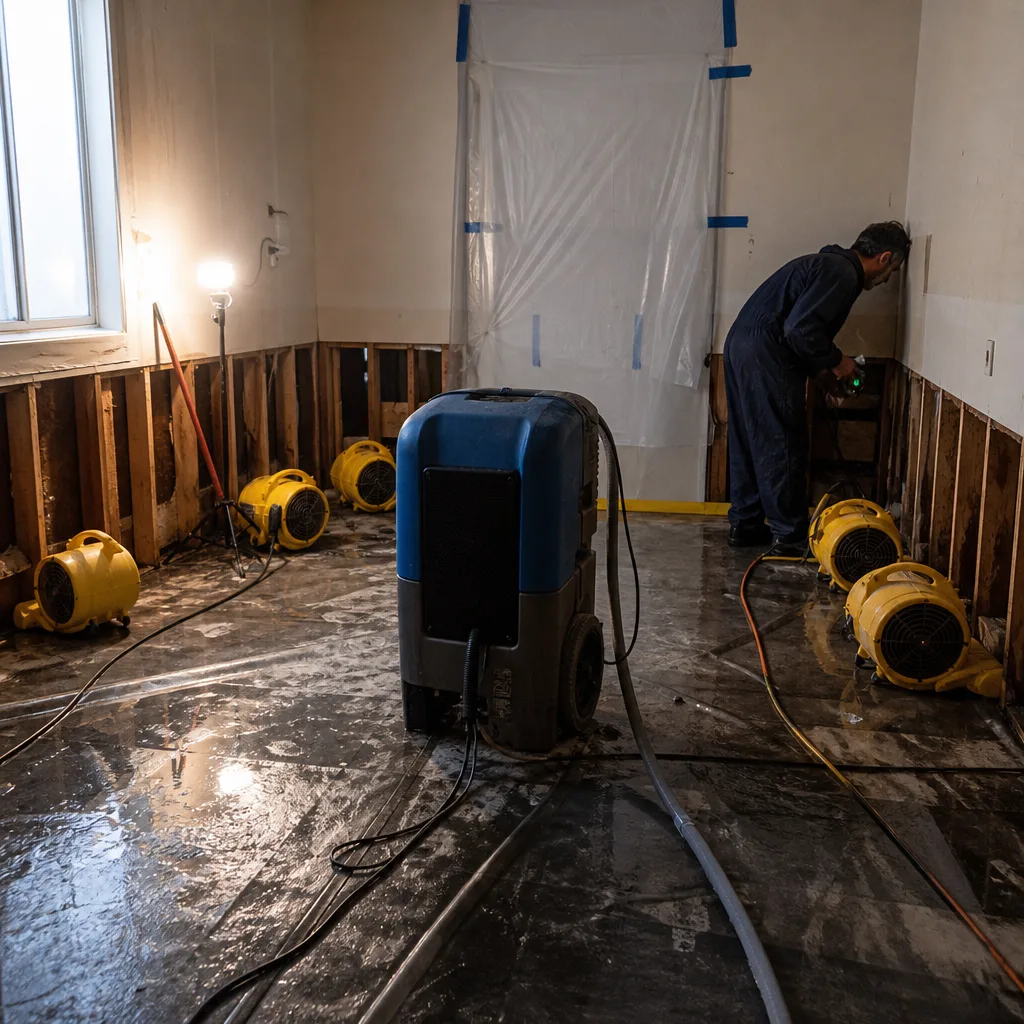
Permit jurisdiction in Marysville depends on your property’s location and the nature of the work. The city maintains its own building department for properties within city limits. Unincorporated Snohomish County properties fall under Snohomish County Building Division. Both jurisdictions follow the Washington State Building Code, but application procedures, inspection scheduling, and fee structures differ.
For properties within Marysville city limits, the Building Division at City Hall processes permits for:
- Residential structural repairs exceeding 200 square feet of affected area
- Electrical work requiring new circuits or panel modifications
- Plumbing alterations beyond direct fixture replacement
- HVAC equipment replacement or duct modifications
Permit fees in Marysville typically run $150-$400 for standard residential reconstruction projects, with additional electrical or plumbing permits at $75-$150 each. Plan review takes 5-10 business days for straightforward repairs; complex fire restoration with structural engineering may require 2-3 weeks.
Snohomish County Building Division serves properties outside city limits, including areas along Marine Drive, parts of the Tulalip area, and rural properties east of I-5. County permit fees are comparable but inspection scheduling operates through a centralized system with longer lead times, particularly during the rainy season when construction activity peaks and inspector availability tightens.
Both jurisdictions require:
- A completed permit application with property owner identification
- Detailed scope of work, often requiring drawings for structural modifications
- Licensed contractor registration numbers for all trades involved
- Payment of permit fees before issuance
- Scheduled inspections at rough-in and final completion stages
The critical detail: permits must be issued in the property owner’s name, not the contractor’s. This ensures the inspection record attaches to your property’s permanent file, not the contractor’s project history. More on this in the verification section below.
What Restoration Work Is Exempt from Permits
Not every post-disaster repair requires bureaucratic navigation. Washington State and local jurisdictions recognize that emergency mitigation and minor repairs should move quickly. The exemptions matter for speed and cost, but they also create the gray zone where unscrupulous contractors operate.
Permit-exempt restoration work in Marysville and Snohomish County includes:
- Like-for-like material replacement: removing and replacing drywall, flooring, or trim with identical materials in the same location
- Cosmetic repairs: painting, wallpaper, cabinet refinishing
- Emergency stabilization: tarping roofs, boarding windows, installing temporary supports
- Mitigation equipment placement: air movers, dehumidifiers, negative air machines
- Contents cleaning and pack-out services
- Antimicrobial application and HEPA vacuuming during mold remediation
The “like-for-like” exemption has limits. Replacing water-damaged drywall with the same 1/2-inch gypsum board in the same wall cavity is exempt. Replacing it with moisture-resistant green board or cement board in a basement that previously had standard drywall may trigger permit requirements if the change affects vapor barrier performance or fire ratings. Similarly, replacing a damaged electrical outlet with an identical unit is exempt; upgrading to a GFCI outlet in a location where code now requires it is technically exempt for repair purposes but creates a compliance question if the original installation predated current code.
In Marysville’s flood-prone areas, particularly the lower elevations near Ebey Slough and the Quilceda Creek drainage, we regularly see homeowners and contractors interpret “like-for-like” too broadly. A flooded basement with damaged gypsum board gets rebuilt with new framing and insulation, but without permits, because “it looks the same.” The problem surfaces later: the new wall assembly may lack the flood-resistant materials now required by amended code for below-grade spaces, or the vapor barrier configuration may trap moisture against the foundation.
Our documentation-first approach means we photograph the original configuration before demolition, specify the replacement materials in the written scope, and flag for the homeowner when the repair crosses from exempt mitigation into permit-required reconstruction. Haven Standard, Clause 1: written price before work begins. That written scope includes a permit assessment so there are no surprises after the crew is inside.
How to Verify Your Contractor Is Pulling Permits Correctly
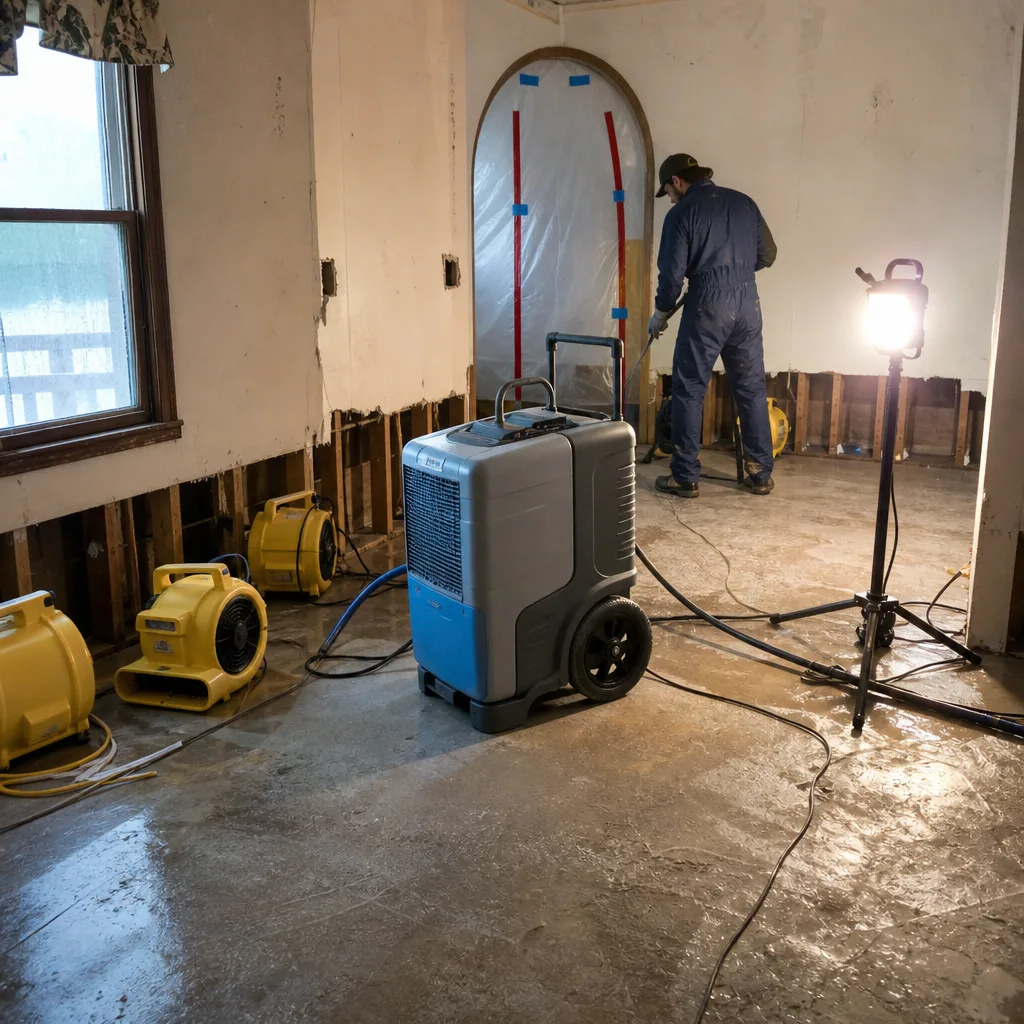
This is where homeowners most often get hurt, and where the consequences arrive years later. A contractor who pulls a permit in their own name, or who never pulls one at all, leaves you with a repair that legally never happened.
Here’s the verification process we recommend to every homeowner in Marysville:
- Request the permit application before work begins. Legitimate contractors submit applications days or weeks before construction starts. Ask to see the application with your property address and your name as the property owner.
- Verify the permit is issued, not just applied for. Marysville Building Division and Snohomish County both offer online permit lookup. Search by your address. The permit should show as “Issued” with your name as the applicant or co-applicant.
- Confirm inspection scheduling. For permit-required work, rough-in inspections must pass before walls close. Final inspections must pass before the permit closes. Ask your contractor for inspection dates and results.
- Request the Certificate of Occupancy or final inspection approval. This document, issued after final inspection, is what future buyers and their lenders will request. Without it, the permit remains open and the work remains legally incomplete.
- Check that the contractor’s license matches the permit trade. A general contractor’s registration covers structural work but not electrical or plumbing. Each trade requires its own licensed specialist and permit.
Why the name on the permit matters: In Washington State, permit records are public and attach to the property’s assessor parcel number. A permit in the contractor’s name creates no record that you, the owner, authorized the work. If the contractor disappears, defaults, or disputes arise, you have no official documentation of the project’s scope or approval. Worse, some contractors pull permits in their name to hide from homeowners that permits were ever required, collecting full payment while leaving the permit open and inspections incomplete.
We’ve reviewed competitor estimates for mold remediation in Marysville where the scope clearly included structural repairs and electrical modifications, yet no permit was mentioned. Our free second opinion includes a permit requirement assessment. If the work needs a permit and the competitor’s quote doesn’t address it, that’s a red flag we document in writing.
The inspection record itself becomes a valuable asset. A dated, third-party inspection by a city or county building official creates evidence that the work met code at completion. This evidence supports insurance claims, warranty disputes, and future real estate transactions simultaneously.
Washington L&I Contractor Registration Requirements
Beyond building permits, Washington State Department of Labor & Industries (L&I) maintains separate contractor registration requirements that apply specifically to reconstruction work following a covered loss. These requirements exist to protect consumers from unlicensed operators and to ensure workers’ compensation coverage for crews on your property.
Any contractor performing reconstruction work in Washington must hold an L&I contractor registration in the appropriate specialty: General Construction, Electrical, Plumbing, or HVAC/R. The registration number must appear on all contracts, advertising, and permit applications. Verification is free and instant through L&I’s online lookup tool.
The registration requirements that matter for restoration work include:
- General contractors must carry a $12,000 bond and $50,000 property damage/liability insurance minimum
- Electrical contractors must hold an electrical contractor license, not just an electrician’s individual certification
- Plumbing contractors must hold a plumbing contractor license with current bond and insurance
- All registered contractors must maintain active workers’ compensation coverage or file a valid exemption certificate
In the restoration industry, a common problem is the “mitigation-only” contractor who attempts reconstruction without proper registration. Water damage companies often employ IICRC-certified technicians for drying and demolition, but reconstruction requires different credentials. A technician trained in psychrometric data and vapor pressure differential, the science of drying, is not automatically qualified to reframe walls or rewire circuits.
Marysville and Snohomish County building officials will not issue permits to unregistered contractors. If your contractor asks you to pull the permit as a homeowner, claiming it “saves money” or “speeds things up,” this is a warning sign. See our DIY vs Professional Damage Restoration: The Marysville Homeowner’s Decision Guide for more on why this matters. Homeowner-permitted work is permitted in Washington for owner-occupants doing their own work, but not as a workaround for unregistered contractors. If the contractor is doing the work, the contractor must be registered and must pull the permit.
Our crews include specialists for each phase: IICRC-certified mitigation technicians for extraction and drying, licensed electricians for circuit work, licensed plumbers for pipe repairs, and registered general contractors for structural rebuilding. Each trade’s L&I registration is verified before they arrive, and license numbers are available on request. The Haven Standard requires it.
How Permits and Inspections Strengthen Insurance Claims
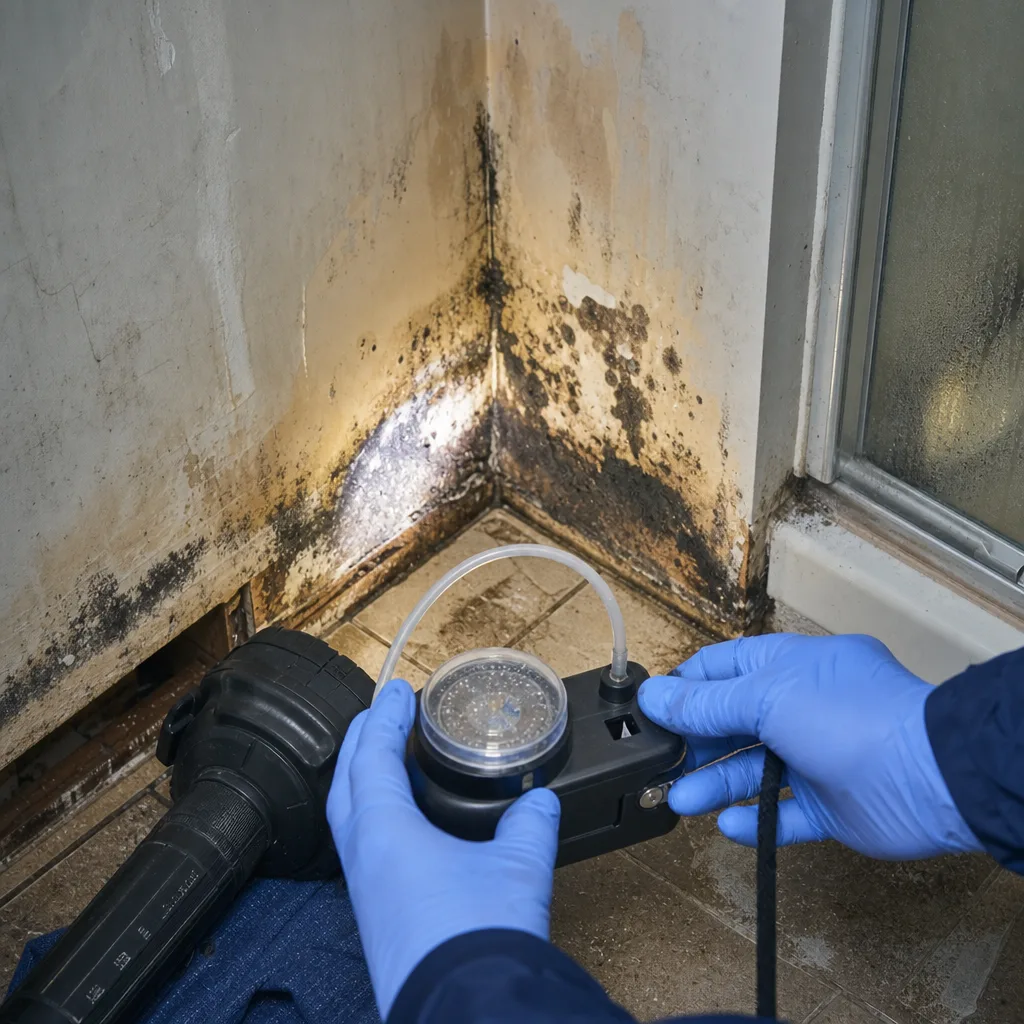
Insurance adjusters evaluate claims on documentation, not trust. A permit-required repair with no permit, no inspection, and no final approval is a documentation gap that gives carriers grounds to deny or reduce payment.
The connection works in both directions. Proper permits and inspections support your claim. Your claim documentation, in turn, supports your permit application.
Here’s how the documentation cycle operates:
- The initial loss is documented with photos, moisture readings, and a written scope under IICRC standards. This becomes the claim’s baseline.
- As mitigation proceeds, daily drying logs record equipment placement, psychrometric conditions, and moisture content reduction. These logs justify the mitigation invoice.
- When reconstruction begins, the permit application specifies the scope of repair, creating a third-party record of what was damaged and what requires replacement.
- Inspections at rough-in and final stages verify that repairs meet code, creating dated, official confirmation that work was completed to standard.
- The closed permit with final inspection approval becomes permanent record, supporting both claim finalization and future property transactions.
We’ve seen claims stall when reconstruction lacks this documentation chain. An adjuster reviewing a $45,000 rebuild invoice with no permit history has no independent verification that the work occurred, that it was necessary, or that it met code. The carrier may request additional documentation, delay payment, or apply depreciation more aggressively.
Conversely, a claim with permits, inspection records, and photo documentation on every visit, our standard deliverable, presents a complete file that most adjusters process without challenge. The documentation-first approach that Back to Dry was founded on exists precisely because the founder, a former claims adjuster, saw how often homeowners lost legitimate claims to paperwork gaps.
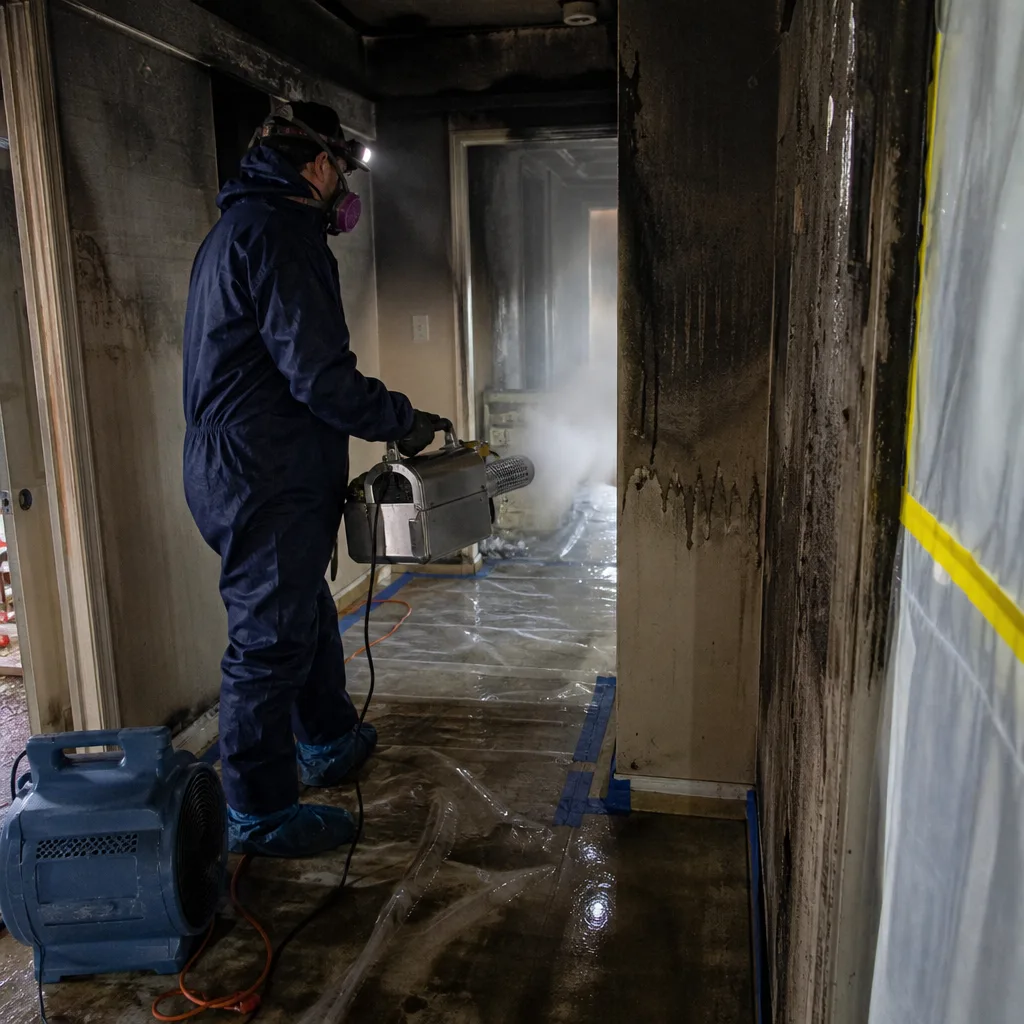
For fire and smoke damage restoration in Marysville, this documentation chain is especially critical. Fire restoration often involves structural engineering assessments, electrical rewiring, and HVAC replacement, all permit-intensive trades. The combination of fire department reports, insurance adjuster estimates, building permits, and inspection records creates an evidence file that protects the homeowner through claim settlement and resale.
What Happens When a Final Inspection Fails
Inspection failures happen. Understanding the process prevents panic and protects your timeline.
In Snohomish County and Marysville, inspections fail for specific, correctable reasons: incomplete work, code violations, inaccessible inspection points, or discrepancies between approved plans and installed conditions. The inspector provides a written correction notice with required remedies.
The procedural sequence:
- Correction notice issued. The inspector documents specific deficiencies, not general complaints. Common examples in restoration work include missing fire-blocking in wall cavities, inadequate vapor barrier placement in crawl spaces, or electrical grounding violations.
- Contractor has 30 days to correct and schedule reinspection. Both jurisdictions allow online scheduling, typically with 2-5 business day availability depending on inspector workload.
- Reinspection fee applies. Marysville charges $75-$150 for reinspection; Snohomish County’s fee schedule is similar. These fees are the contractor’s responsibility unless your contract states otherwise.
- Second failure triggers additional fees and possible permit suspension. Persistent failures may require revised plans or engineering review, extending timelines significantly.
- Final approval closes the permit. The Certificate of Completion or final inspection approval is filed with the jurisdiction and becomes part of your property’s permanent record.
The impact on insurance claims depends on your policy language and the claim’s status. If the claim is still open, inspection delays may extend the settlement timeline. If you’ve already received payment based on contractor estimates, a failed inspection may require additional work not covered by the original scope, creating out-of-pocket exposure.
This is why Haven Standard, Clause 1 matters: a written price before work begins, with permit costs and inspection contingencies included, prevents the scope-creep that leads to uncovered expenses. Our written scopes specify who bears reinspection fees and under what conditions. No surprises after the crew is inside.
In Marysville, we’ve observed that reinspection delays peak during the November through March rainy season, when building inspector availability tightens and exterior work becomes weather-dependent. Scheduling mitigation to conclude before this window, when possible, allows reconstruction to proceed with normal inspection timelines.
The Resale Problem: Unpermitted Work and Title Clouds
This is where the “skip the permit” decision compounds into real money. Unpermitted reconstruction work creates a title defect that can derail refinancing, trigger lender requirements for retroactive permits, or force disclosure that reduces sale price.
Washington State law requires sellers to disclose material defects, including known unpermitted work. The Residential Seller Disclosure Statement specifically asks about “additions, structural changes, or other alterations” and whether permits were obtained. Answering “don’t know” when you supervised the repair invites buyer scrutiny. Answering “no” truthfully may trigger a price reduction or repair credit.
The mechanics of discovery have changed. Title companies and buyer’s agents now routinely request permit history reports from local jurisdictions. Online permit databases make this check trivial. In Marysville’s competitive market, where homes in the Sunnyside, Kellogg Marsh, and Jennings Park neighborhoods often attract multiple offers, a clean permit history is a competitive advantage. A clouded history is a negotiation lever for buyers.
Retroactive permitting is possible but expensive. Snohomish County and Marysville both allow homeowners to apply for permits after work is completed, but the process requires:
- Exposing work for inspector verification, often requiring drywall removal
- Engineering review for structural modifications
- Payment of original permit fees plus penalties
- Possible code upgrade requirements if the original work predates current standards
We’ve consulted with Marysville homeowners facing $8,000-$15,000 in retroactive permitting costs to clear title for a sale, work that would have cost $300-$500 in original permit fees. The math is unforgiving.
The documentation we provide on every job, the photo record, the drying log, the written scope, and the permit documentation when reconstruction is involved, protects against this outcome. Our 365-Day Done Right Promise under The Haven Standard includes permit verification for any reconstruction we coordinate. If it’s not done right, we make it right. A signed guarantee, not a marketing line.
Common Mistakes to Avoid
- Accepting a verbal promise that permits “aren’t needed for this.” Verify independently with Marysville Building Division or Snohomish County. A two-minute phone call saves years of title problems.
- Letting the contractor pull the permit in their name alone. The permit record should show you as property owner or co-applicant, creating a permanent record attached to your parcel.
- Paying in full before final inspection passes. Washington State construction law provides lien protections that work best when payment is tied to inspection milestones, not just completion.
- Assuming mitigation and reconstruction use the same contractor credentials. IICRC certification for drying does not equal L&I registration for rebuilding. Verify both.
- Ignoring the distinction between city and county jurisdiction. Marysville properties and unincorporated Snohomish County properties follow different procedures. Verify which applies to your address before applying.
- Failing to request the Certificate of Completion. An open permit is functionally equivalent to no permit for title purposes. Confirm closure in writing.
- Disclosing “don’t know” on seller forms when you supervised the repair. This creates liability exposure. Maintain records of all restoration work, including permits, inspections, and contractor documentation.
When to Call a Professional
Call for professional guidance when your damage assessment reveals structural compromise, electrical or HVAC involvement, or when any contractor suggests bypassing permits. In Marysville, where seasonal flooding and aging infrastructure create complex loss scenarios, the cost of professional documentation is negligible compared to the cost of a failed claim or clouded title.
DryMark Restoration Marysville offers free estimates in Marysville. Our assessment includes a permit requirement review, written scope, and documentation plan before any work begins. Call (360) 822-3055.
Frequently Asked Questions
No. Extraction, drying, controlled demolition, and equipment placement are permit-exempt as emergency mitigation. Once reconstruction begins, replacing framing, drywall, electrical, or HVAC triggers permit requirements. Call (360) 822-3055 for a free assessment that identifies exactly where your project falls.
Search Marysville’s online permit portal or Snohomish County’s permit lookup by your property address. The permit should show as “Issued” with your name as applicant or co-applicant, not just the contractor’s name. If no permit appears for permit-required work, contact the building department immediately.
Most standard homeowner policies cover reasonable permit and inspection fees as part of the reconstruction cost, but coverage varies by policy language and adjuster interpretation. Document permit costs in your claim file with copies of applications and fee receipts. Photo documentation of the damage that necessitated the repair supports this inclusion.
You must disclose known unpermitted work on the Residential Seller Disclosure Statement. Buyers may request retroactive permits, demand repair credits, or walk away entirely. Title companies and lenders increasingly flag permit gaps during transaction review. The cost of retroactive permitting typically exceeds original permit fees by 10-20 times.
Standard residential repair permits process in 5-10 business days in Marysville, 7-14 days in unincorporated Snohomish County. Complex fire restoration requiring structural engineering review may take 2-3 weeks. Emergency stabilization permits for unsafe conditions can often be issued same-day or next-day.
Washington law permits owner-occupants to perform their own work with homeowner permits, but hiring an unregistered contractor while pulling the permit yourself creates liability exposure. If the contractor is injured without workers’ compensation, you may face direct liability. If work fails inspection, you bear correction costs. The savings rarely justify the risk.
The Bottom Line
Restoration work in Washington exists on a permit spectrum: mitigation is exempt, reconstruction is regulated, and the boundary between them determines your legal and financial exposure. In Marysville and Snohomish County, the building departments, L&I registration requirements, and inspection protocols create a framework that protects homeowners who engage with it and punishes those who don’t. The permit itself is not the goal. The dated, third-party record of competent repair is what protects your claim, your title, and your resale value. Document everything. Verify everything. And never accept a contractor’s assurance that permits don’t matter.
Written by Alicia Brennan, Owner at DryMark Restoration Marysville, serving Marysville since 2011.