
Last updated September 23, 2026
Free visual inspection and a written scope of work before any mitigation begins - photos, moisture readings, and drying logs go in your claim file
The scope we write is the scope we bill. Anything new gets shown to you, in writing, before we touch it.
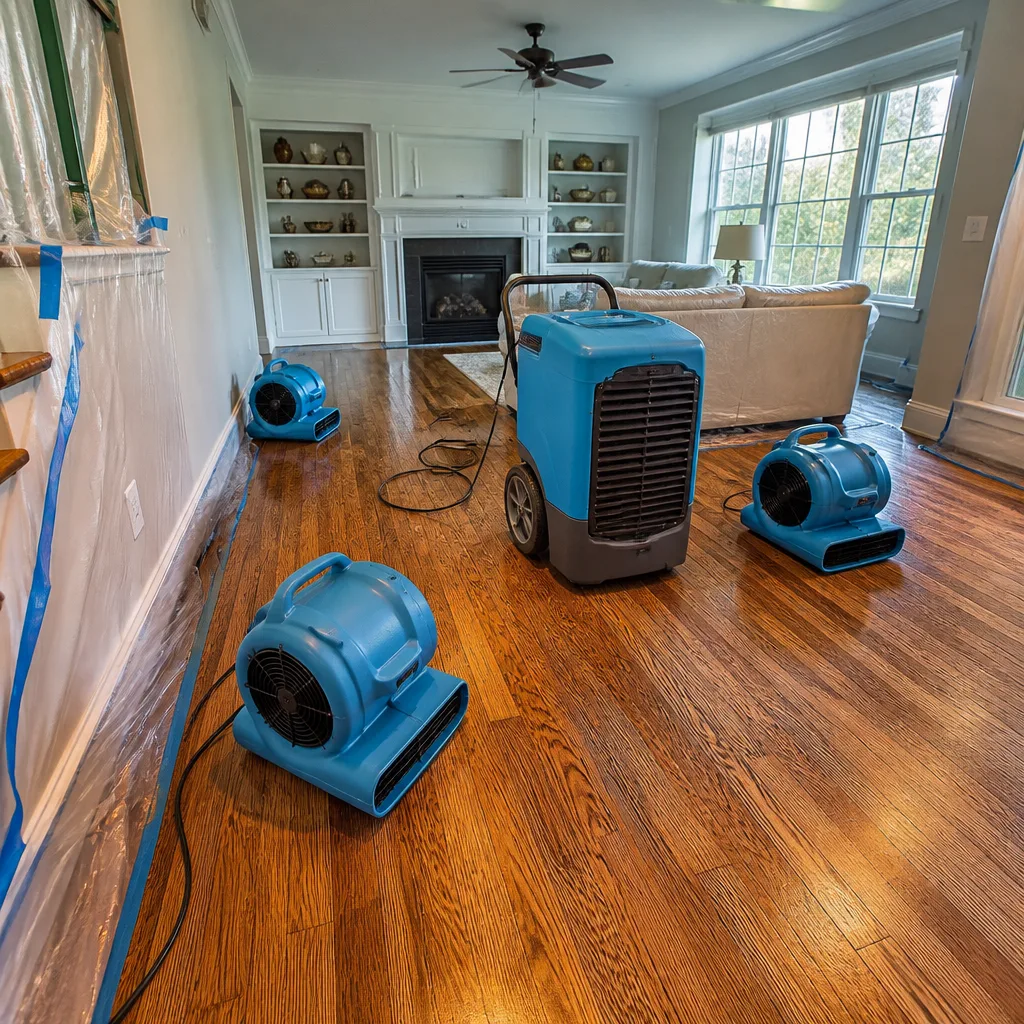
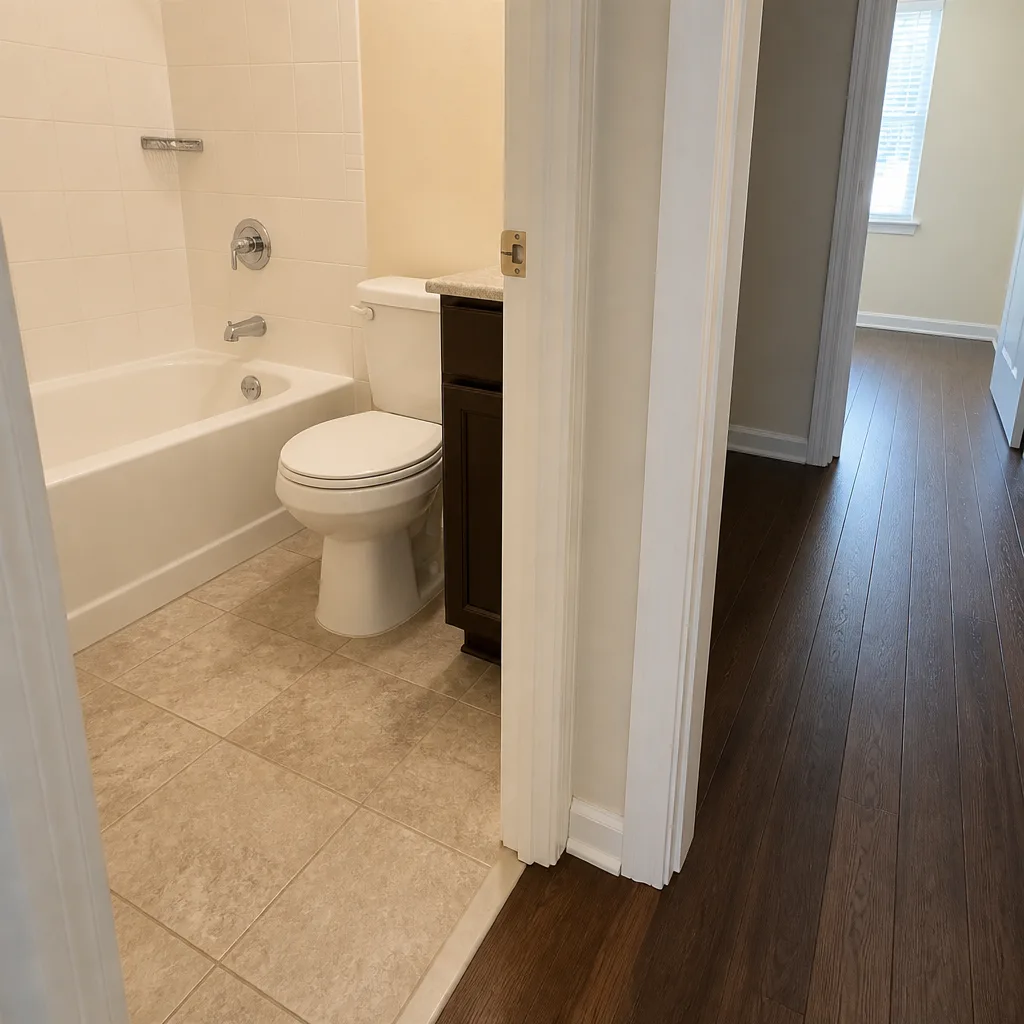
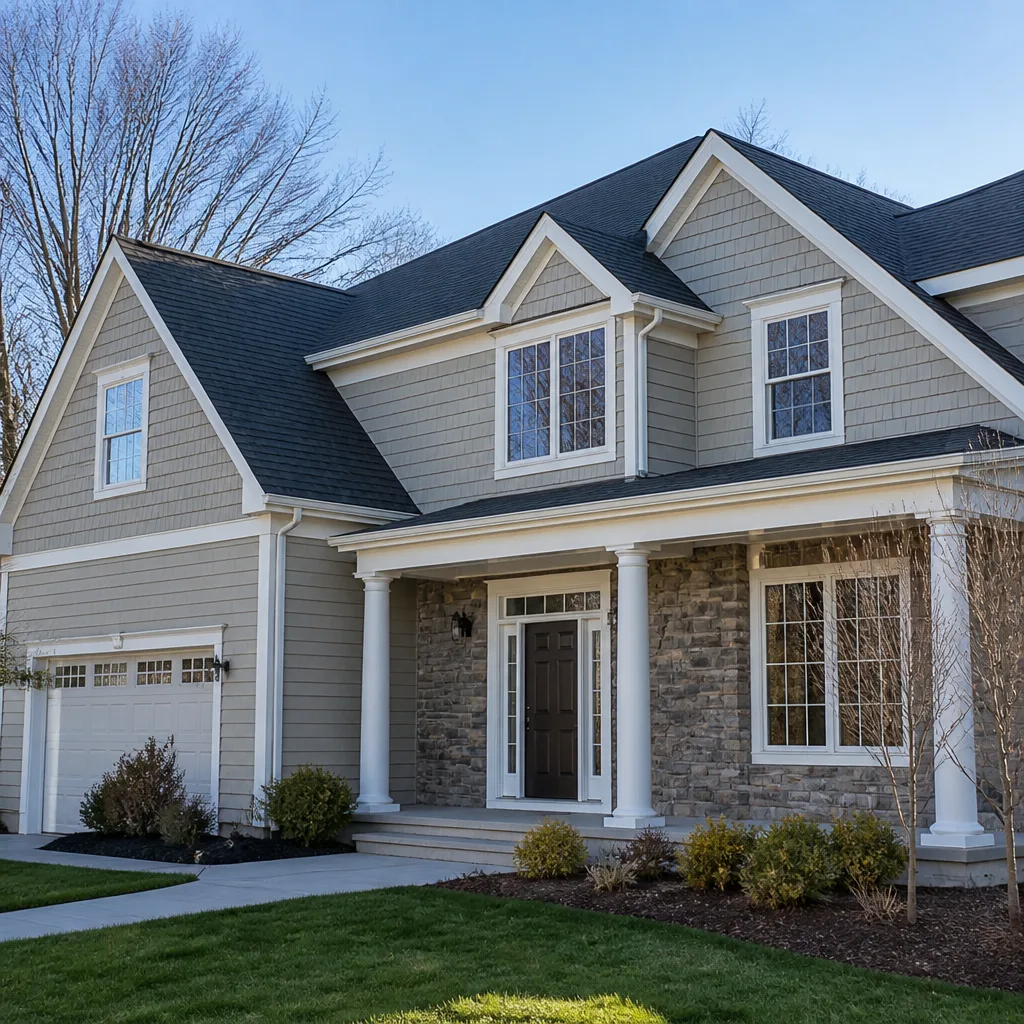
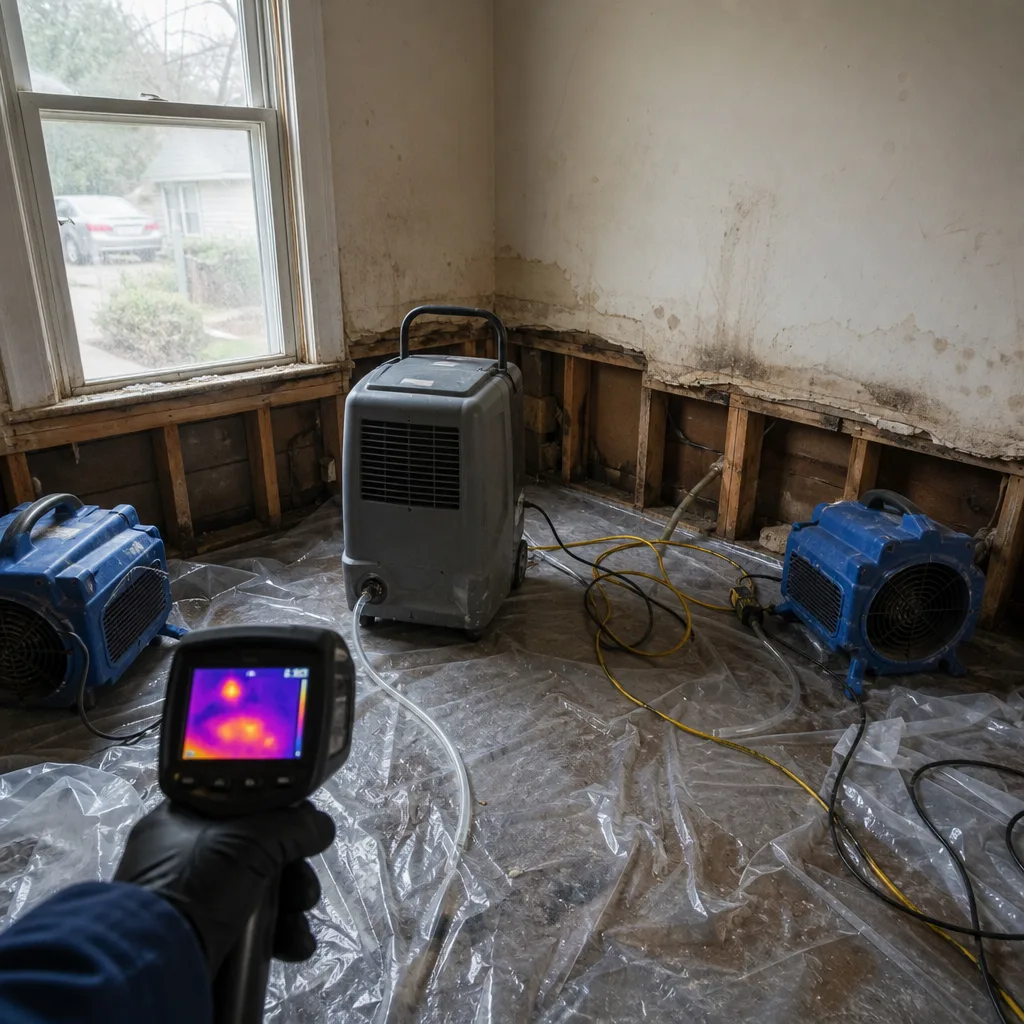 Before
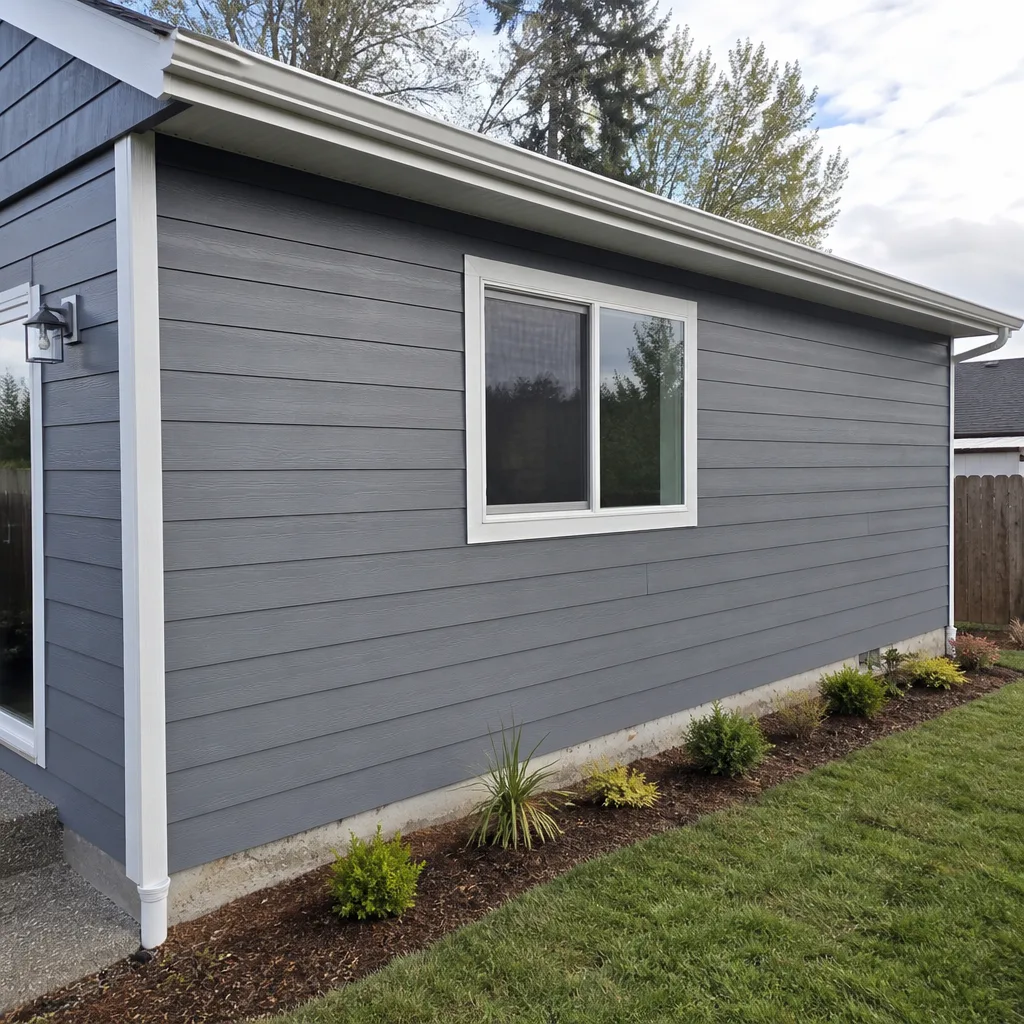 After
After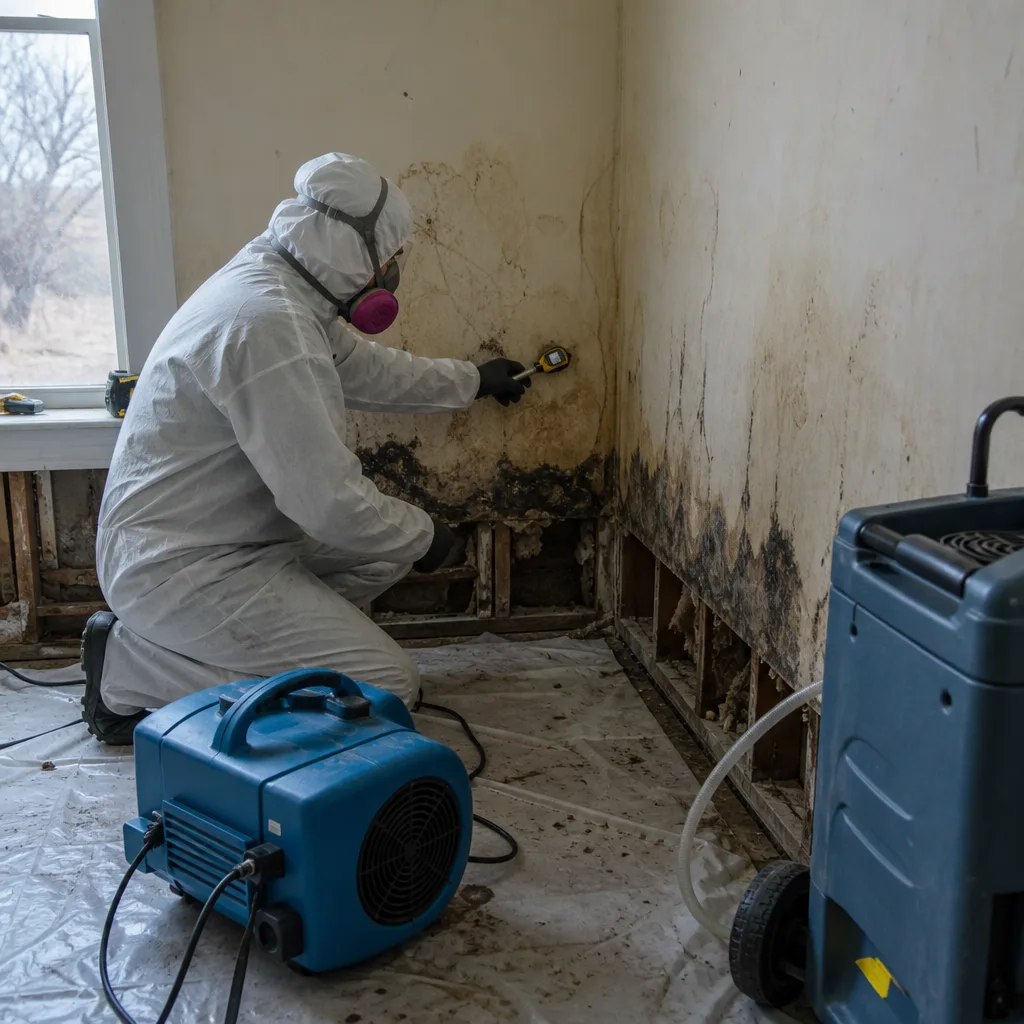 Before
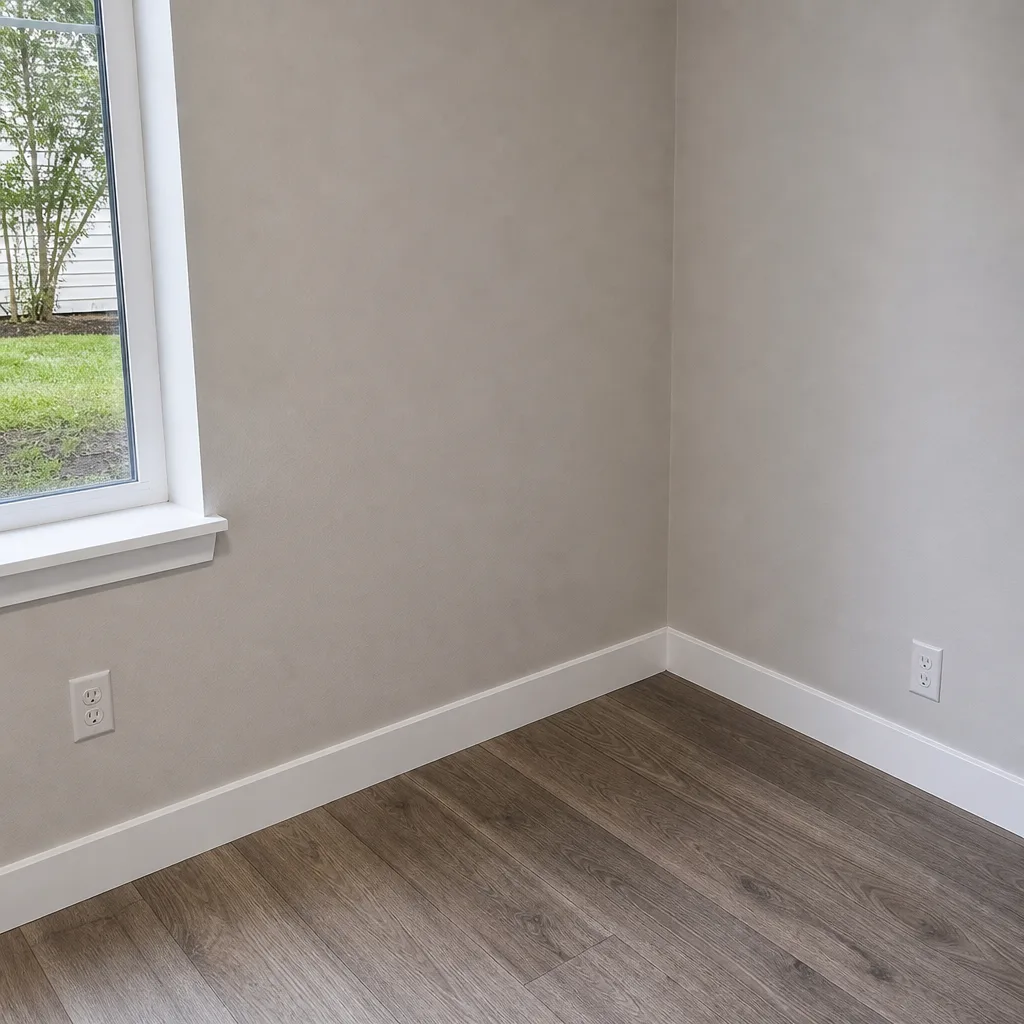 After
After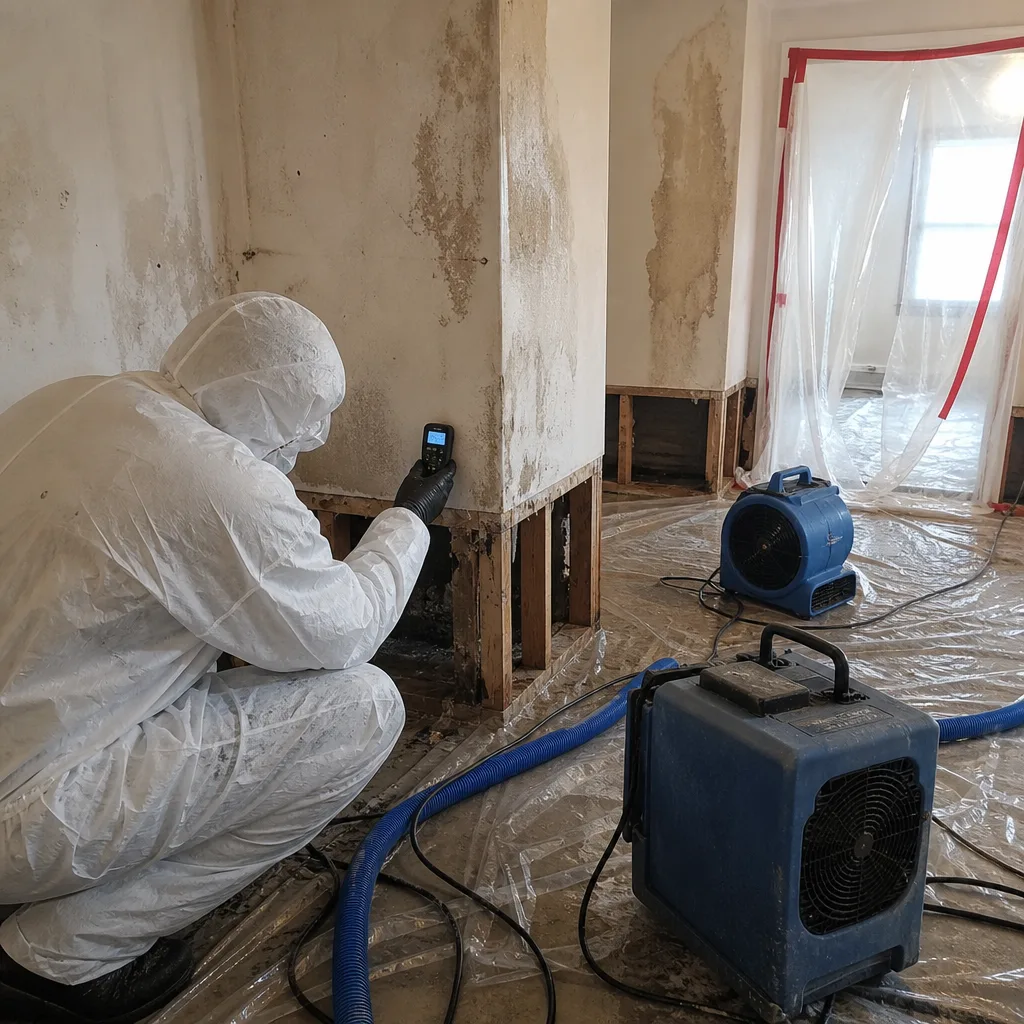 Before
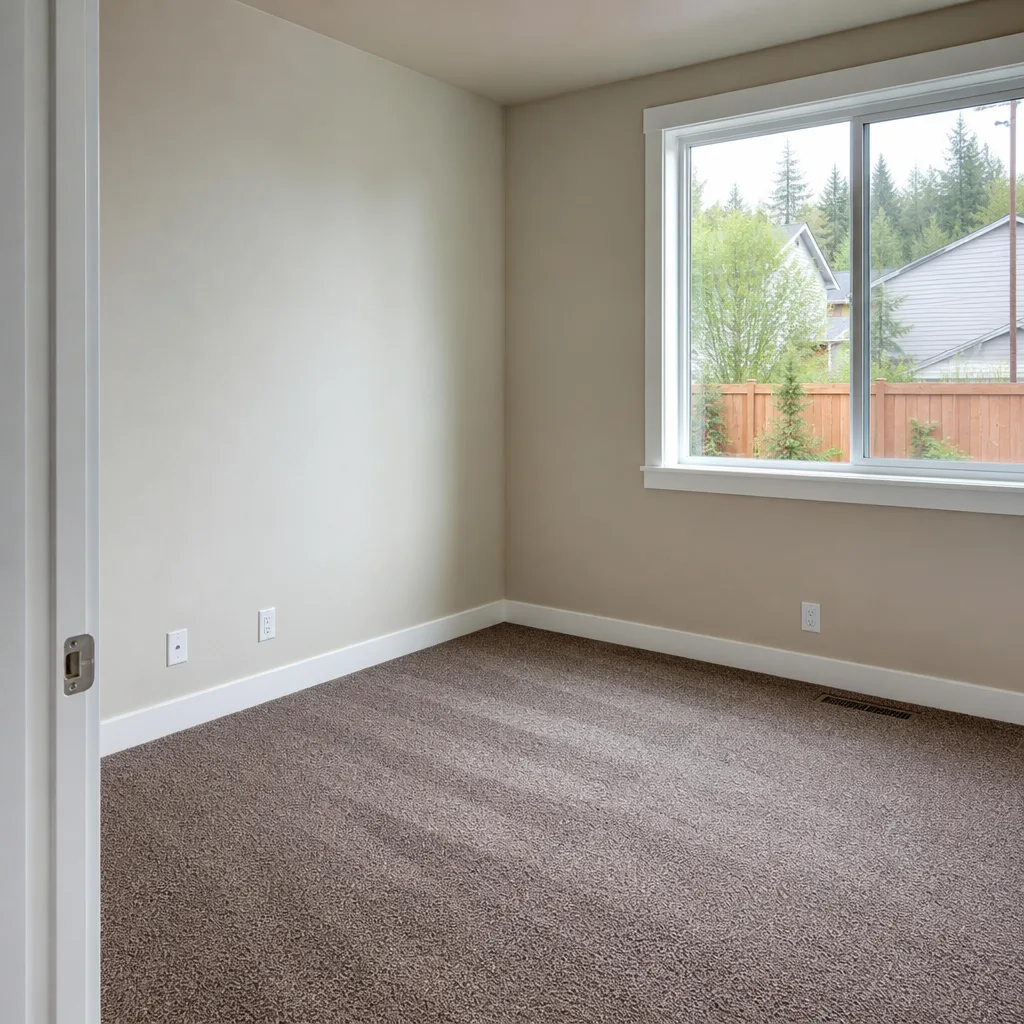 After
AfterDamage Restoration Warning Signs: A Marysville Homeowner’s Reference Guide
The most expensive water damage losses in Western Washington are not sudden floods. They are slow leaks discovered at 22 months, after mold has colonized wall cavities that now require full remediation rather than a simple dry-out. In Marysville, where the Stillaguamish River watershed keeps groundwater high from October through May, and where 1970s ranchers sit on expansive clay soils that shift seasonally, these slow failures are routine. This guide, along with our more guides & resources, teaches you to collect evidence, not impressions. You’ll learn where to look in the housing stock common to Marysville neighborhoods like Sunnyside, Kellogg Marsh, and Jennings Park, what numbers to record, and how to photograph a warning sign so it functions as claim evidence with a date stamp.
Quick Answer
Water damage warning signs in Marysville homes fall into three categories: visual (staining, warping, efflorescence), olfactory (musty odors that persist after ventilation), and measurable (moisture readings above 16% in wood or 5% in drywall). The critical distinction is between surface staining, which may be cosmetic, and structural saturation, which requires professional drying. A $35 pin moisture meter from a hardware store in Marysville will tell you which you have before you call anyone.
Table of Contents
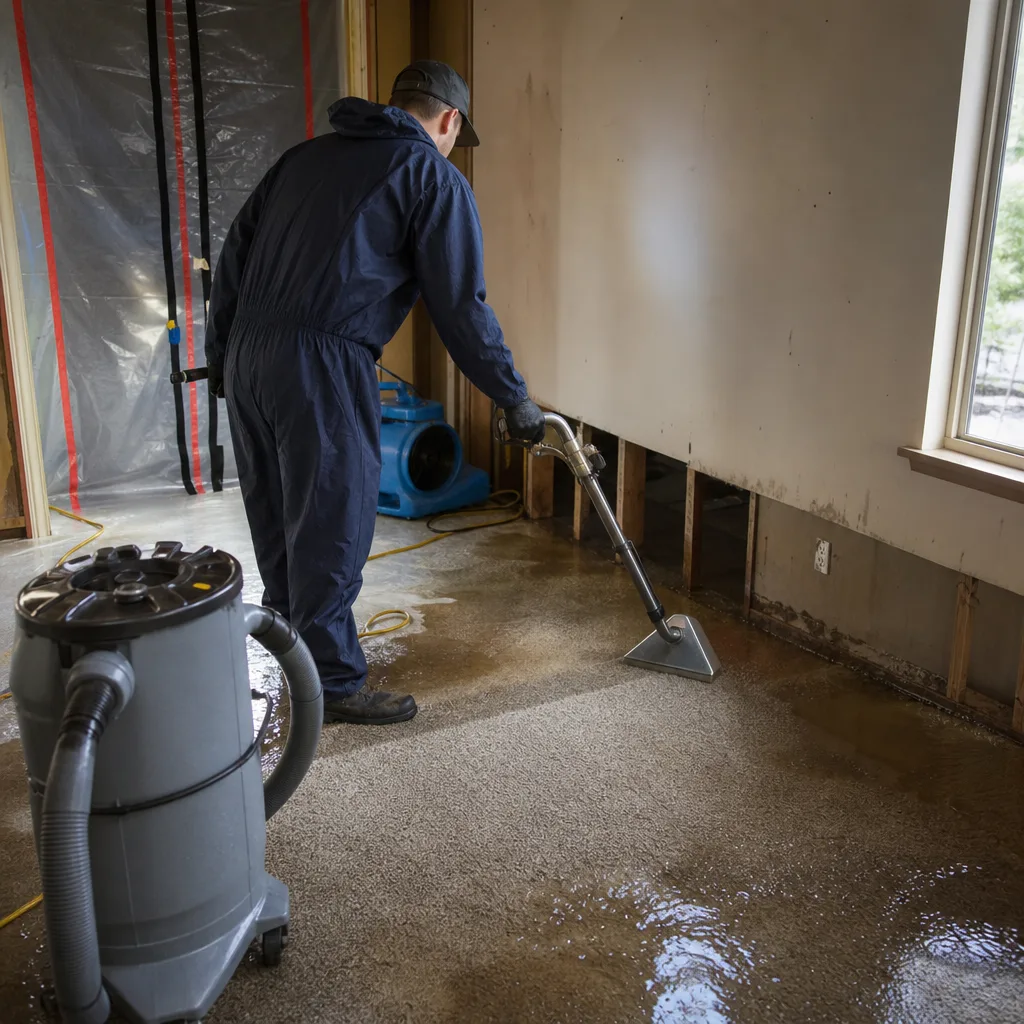
- Why Slow Leaks Cost More Than Floods in Marysville
- Room-by-Room Inspection Protocol for Marysville Housing Stock
- Surface Staining vs. Structural Saturation: What a Moisture Meter Reveals
- Photographing Evidence for Claims: Date, Scale, and Context
- Five Warning Signs Contractors Routinely Miss
- Category 1 vs. Category 2 Water: Visual Signatures at the Origin
- How Marysville’s Climate and Soil Amplify Hidden Damage
- Mold Warning Signs: When Smell Becomes Data
BeforeAfterWhy Slow Leaks Cost More Than Floods in Marysville
Sudden water damage is obvious. A burst supply line under the kitchen sink floods the floor, the homeowner calls a mitigation company, and drying begins within hours. Insurance covers the loss. The documentation is straightforward: date of loss, source, response time, drying log.
Slow leaks follow a different trajectory, and in Marysville they are far more common. The 1970s and 1980s ranchers that dominate neighborhoods like Sunnyside and Kellogg Marsh were built with copper or galvanized supply lines that are now 40 to 50 years old. Pinhole corrosion develops gradually. A fitting loosens by a quarter-turn. The dishwasher drain hose cracks where it bends behind the kick plate. Water moves at a rate of ounces per day, not gallons per minute.
By the time a homeowner notices, the damage has crossed a threshold. Wood framing above 20% moisture content for more than 48 hours triggers mold colonization per IICRC S520 standards. Drywall that has wicked moisture above its base threshold loses structural integrity and must be removed rather than dried. The Category 1 clean water loss has become a Category 2 gray water scenario, or worse, a Category 3 black water event if sewage backup compounds the problem.
The financial difference is stark. A same-day dry-out of a sudden kitchen flood in Marysville typically runs $2,800 to $4,500 for extraction, dehumidification, and air movement over three to five days. A slow leak discovered at month 22, with mold in wall cavities, compromised subfloor, and secondary damage to adjacent rooms, routinely exceeds $18,000 and may trigger policy limits disputes with insurers who question whether the loss was “sudden and accidental.”
This is why observation without measurement is insufficient. “Musty smell” and “discoloration” are impressions an adjuster cannot quantify. A 19.2% moisture reading on a baseboard, photographed with a date stamp, is a number that opens a claim.
Room-by-Room Inspection Protocol for Marysville Housing Stock
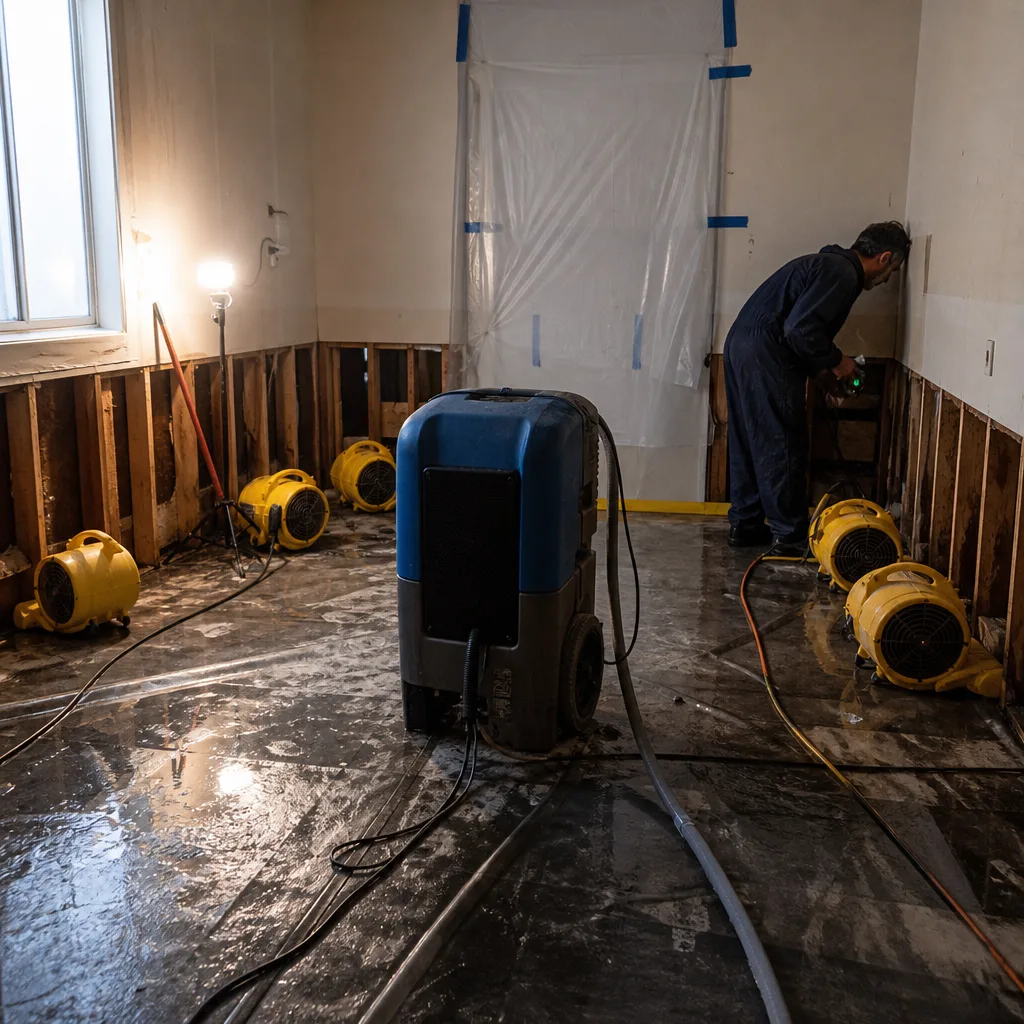
Marysville’s housing stock breaks into two dominant types: the 1970s-1990s single-story rancher on a crawl space or slab, and the 2000s-2020s two-story with attached garage on a poured foundation. Each has predictable failure points based on construction era, materials, and the local climate that drives moisture through envelope gaps.
The Rancher (1970s-1990s): Kellogg Marsh, Sunnyside, North Marysville
These homes typically sit on vented crawl spaces with dirt or thin vapor barriers. The Stillaguamish River watershed’s high water table means standing water in crawl spaces is common from November through April.
- Exterior perimeter: Check the foundation stem wall for efflorescence, the white powdery deposit left when water evaporates through concrete, carrying mineral salts to the surface. Normal concrete may show slight discoloration; active water intrusion shows crystalline buildup that returns after brushing. Photograph with a coin for scale.
- Crawl space access: Look for sagging insulation, which indicates it has absorbed water and lost its R-value. Fiberglass batts that hang below floor joists are a sure sign of chronic moisture. A healthy crawl space has insulation firmly against the subfloor.
- Kitchen: Open the cabinet under the sink and run your hand along the back wall. Ranchers of this era often have particleboard cabinet bases that swell and delaminate with repeated wetting. Check the dishwasher supply line where it connects to the hot water stop valve; these compression fittings loosen with vibration over decades.
- Bathroom: The toilet flange in these homes is often cast iron or early PVC with a wax ring that degrades. Rock the toilet gently; any movement indicates a failed seal. Look for staining on the ceiling directly below if the bathroom is on a raised subfloor over crawl space.
- Water heater: In Marysville’s hard water, the anode rod in tanks installed before 2010 is likely depleted. Check the T&P valve discharge pipe for corrosion or moisture. A dripping T&P valve indicates either excessive pressure or a failing tank.
The Two-Story with Attached Garage (2000s-2020s): Jennings Park, Comeford, Firetrail
Newer construction uses PEX or CPVC supply lines, which resist corrosion but are vulnerable to rodent damage in crawl spaces and to freeze-thaw stress at exterior wall penetrations.
- Garage ceiling: The room above is often a bathroom or laundry. Look for nail pops, tape seams pulling away, or circular staining around recessed lights. These indicate chronic moisture from above, not a single event.
- Second-floor exterior walls: Check window sills and the base of drywall where exterior walls meet carpet or flooring. Marysville’s wind-driven rain from the southwest, particularly in winter storms, finds gaps in window flashing that was installed before updated Washington State Building Code requirements took effect in 2009.
- HVAC closet: The condensate drain line from the air handler can clog with algae, particularly in homes with whole-house humidifiers. A backed-up condensate line floods the return plenum and surrounding framing. Look for rust on the furnace cabinet or water stains on the concrete pad.
- Master bathroom: Walk-in showers with curbless entries, popular in 2010s construction, rely on precise slope and membrane installation. Check the threshold and adjacent drywall for swelling or paint failure. The absence of a curb means any membrane breach sends water directly to subfloor and framing.
Surface Staining vs. Structural Saturation: What a Moisture Meter Reveals
Not every water mark means active damage. The skill is knowing which marks matter, and a pin moisture meter is the tool that removes guesswork. These devices cost $35 to $80 at hardware stores in Marysville and require no training beyond reading the display.
Here’s how to use one effectively:
- Establish baseline readings. In an unaffected area of the same material, take three readings and average them. Dry interior wood in Marysville homes typically reads 8% to 12% in summer, 10% to 14% in winter. Drywall reads 0.5% to 1% surface moisture; anything above 5% indicates active wicking.
- Test the stained area. Insert pins perpendicular to the surface, not at an angle. For wood, penetrate at least 1/8 inch. For drywall, the pins should pass through the paper face into the gypsum core.
- Compare and record. A reading within 2 percentage points of baseline suggests surface staining, possibly from a prior event that has dried. A reading 4 or more points above baseline indicates active moisture migration. Wood above 16% requires drying; above 20%, mold risk is present.
The distinction matters for your next decision. Surface staining on drywall can often be sealed with an oil-based primer and repainted. Structural saturation requires removal of affected materials, installation of drying equipment, and verification that moisture content has returned to baseline before reconstruction begins.
At Water Damage Restoration in Marysville, we document every reading on a drying log that becomes part of the claim file. Homeowners who bring their own initial readings speed this process significantly. The number you record today is evidence of conditions at discovery.
Photographing Evidence for Claims: Date, Scale, and Context
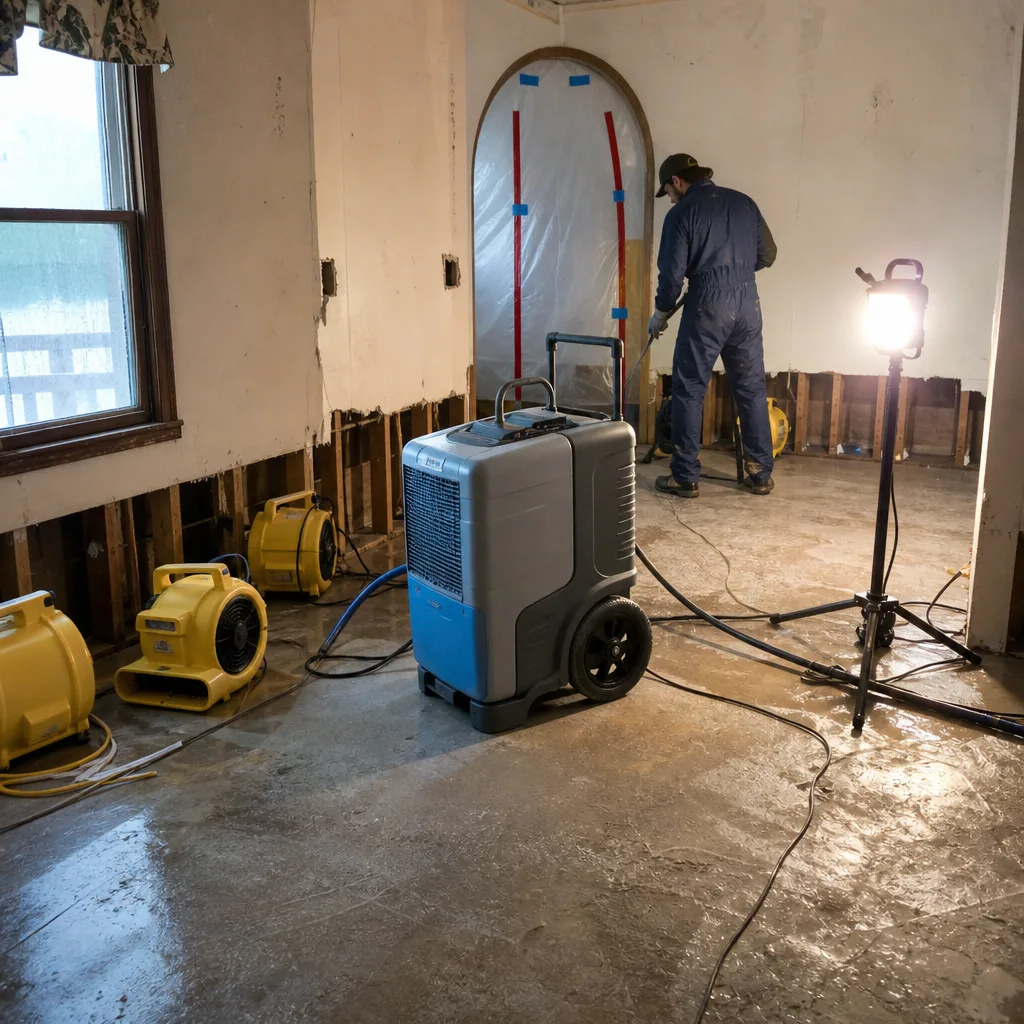
Insurance adjusters are trained to scrutinize claim dates. A photo taken the day of discovery, with embedded metadata, establishes the timeline. A photo taken weeks later, after the damage has progressed, gives the adjuster grounds to argue the loss was not reported promptly or was pre-existing.
Proper documentation follows a protocol:
- Enable location and timestamp on your phone’s camera. On iPhone, this is automatic with Photos; verify in Settings that Location Services is enabled for the Camera app. On Android, enable GPS tags in camera settings.
- Photograph wide, then close. First image: the full room, showing the affected area in context. Second image: the specific damage, with a ruler or coin for scale. Third image: the moisture meter display showing the reading, with the damaged area visible in background.
- Include the source if identifiable. The leaking pipe fitting, the cracked grout line, the point where water entered the crawl space. This connects the damage to its cause, which the policy requires.
- Email the images to yourself. This creates a timestamped record independent of your phone. Subject line: “Water damage discovery [date] [address].”
- Record a voice memo. Note what you observed, when you first noticed it, and any changes since. Transcribe and save with the photos.
This documentation package does two things. It supports your claim by establishing a clear date of loss and progression of damage. And it protects you from scope creep by contractors who might otherwise attribute pre-existing conditions to the current event.
At DryMark Restoration Marysville, our crews produce a documented photo record on every visit as a standard deliverable, never an upsell. Haven Standard, Clause 4 requires it. When a homeowner arrives with their own dated evidence, we build on it rather than starting from scratch.
Five Warning Signs Contractors Routinely Miss
Most free estimates involve a visual walkthrough. The estimator looks, points, and proposes. But some warning signs require equipment or access that not every crew deploys on an initial visit. These are the conditions that generate change orders, denied supplements, and jobs that fail final inspection.
- Subfloor moisture through carpet. Carpet and pad can feel dry to the touch while the subfloor beneath reads 25% moisture. A non-invasive moisture meter with penetrating pins is required. Many estimators carry only surface meters. Ask specifically: “Will you check the subfloor moisture with pins?”
- Cavity moisture behind tile. Ceramic tile is impervious; it masks saturated backer board. A thermal imaging camera reveals evaporative cooling at the grout lines where moisture is actively migrating. Without it, tile is declared salvageable when the backer board and studs behind it are wet.
- HVAC system contamination. Water-damaged ductwork, particularly flex duct in crawl spaces, holds moisture and supports mold growth that distributes spores throughout the house. Duct inspection requires a borescope camera. Most free estimates do not include this.
- Exterior wall sheathing. Water intrusion at window or door flashing often saturates OSB or plywood sheathing before interior drywall shows signs. Access requires removal of exterior siding or interior drywall. A contractor who does not propose invasive inspection at suspected envelope breaches is guessing.
- Crawl space vapor barrier condition. In Marysville’s rancher stock, the vapor barrier is often 4-mil polyethylene that has degraded to fragments. Ground moisture evaporates directly into the crawl space, raising humidity and creating chronic conditions that mimic active leaks. This requires inspection with a headlamp and moisture mapping of the soil surface, not a glance from the access hatch.
These are not esoteric concerns. We have documented each of them on jobs in Marysville where the initial estimate missed conditions that added 40% to 60% to the final scope. The homeowner’s protection is to ask what equipment will be used and what access will be gained before signing a work authorization, as explained in our How to Hire a Damage Restoration Contractor in Marysville: A Step-by-Step Guide.
Category 1 vs. Category 2 Water: Visual Signatures at the Origin
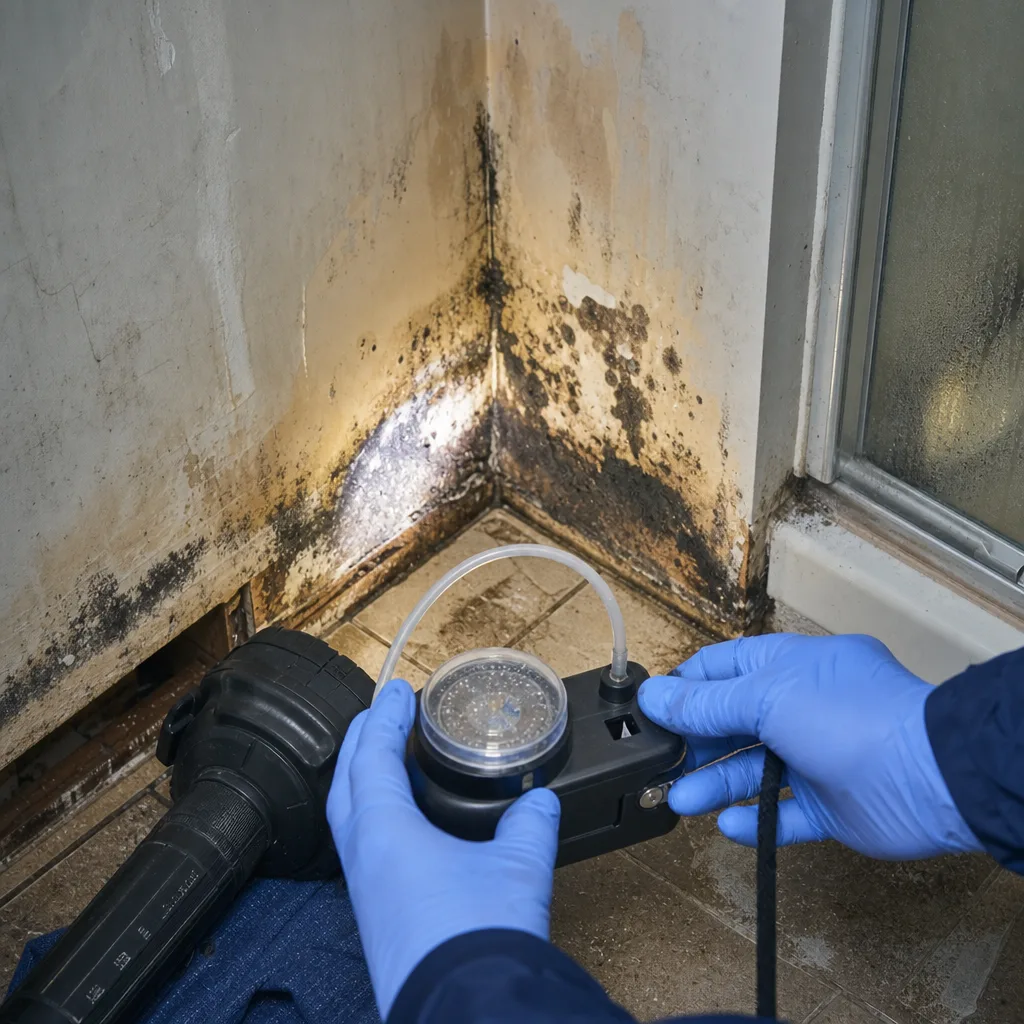
IICRC S500 defines water categories based on contamination level at the source. The category determines the remediation protocol an insurer will fund, and the category can change with time. Knowing the visual signature at the point of origin helps you document the loss correctly from the start.
Category 1: Clean Water
- Source: Broken supply line, overflowing sink or tub, rainwater intrusion before ground contact, melting ice or snow.
- Visual signature: Clear or slightly cloudy water. No odor or a faint metallic smell from pipe minerals. Residue, if any, is light and powdery when dry.
- Time sensitivity: Category 1 becomes Category 2 within 48 to 72 hours of contact with building materials, due to microbial growth and material leaching. Temperature accelerates this; a warm crawl space in Marysville summer can compress the window to 24 hours.
Category 2: Gray Water
- Source: Dishwasher discharge, washing machine overflow, sump pump failure, hydrostatic seepage through foundation (common in Marysville’s high water table areas).
- Visual signature: Water with visible particulate, soap residue, or slight discoloration. May carry a faint organic or detergent odor. Dried residue is sticky or greasy.
- Critical distinction: Hydrostatic seepage in Marysville’s Kellogg Marsh and Sunnyside neighborhoods, where the water table sits within 18 inches of grade in winter, is Category 2 by definition because of soil contact. Homeowners often assume foundation seepage is “just water.” It is not. The protocol requires antimicrobial treatment and, depending on duration, removal of porous materials.
The category at the time of discovery, documented with photos and moisture readings, determines the initial scope. If a contractor classifies Category 2 seepage as Category 1 to propose a lighter, cheaper protocol, the insurer may deny the supplement when mold appears six months later. Document the source. Document the visual condition. Let the category follow the evidence.
How Marysville’s Climate and Soil Amplify Hidden Damage
Marysville sits at the confluence of the Stillaguamish and Snohomish River watersheds, on soils that transition from marine silts and clays near the river valleys to glacial till on the uplands east of I-5. This geography creates specific conditions that accelerate hidden damage in ways homeowners in drier climates do not face.
Expansive clay soils. The clay-rich soils in neighborhoods like Sunnyside shrink in summer drought and swell in winter saturation. This seasonal movement stresses foundation walls and slab perimeters, opening hairline cracks that admit groundwater. A crack that is dry in August may admit measurable water in February. The homeowner who checks once sees no problem; the homeowner who checks seasonally catches the cycle.
High winter humidity. Marysville’s average relative humidity from November through March exceeds 80%. This means materials that would air-dry in a Colorado climate remain damp for weeks. A small leak that might self-resolve in a dry environment becomes a sustained moisture event here.
Wind-driven rain from the southwest. Prevailing winter storms approach from the southwest, directly impacting the gable ends and window walls of homes oriented to the street. Homes in Jennings Park and Comeford, where many lots face east-west, take the full force on their broadest wall assembly. Flashing details that passed inspection in calm weather fail under sustained 35-knot winds with rain.
River valley temperature inversions. Cold air settles in the Stillaguamish valley on clear winter nights, dropping temperatures below the frost line at foundation perimeters. Pipes in exterior walls or shallow crawl spaces freeze, split, and thaw before the homeowner wakes. The first sign is water in the crawl space or basement, often attributed to groundwater when it was actually a burst pipe.
These factors do not appear on standard inspection checklists. They are specific to Marysville’s location, and they explain why a maintenance routine adequate in Spokane or Yakima falls short here.
Mold Warning Signs: When Smell Becomes Data
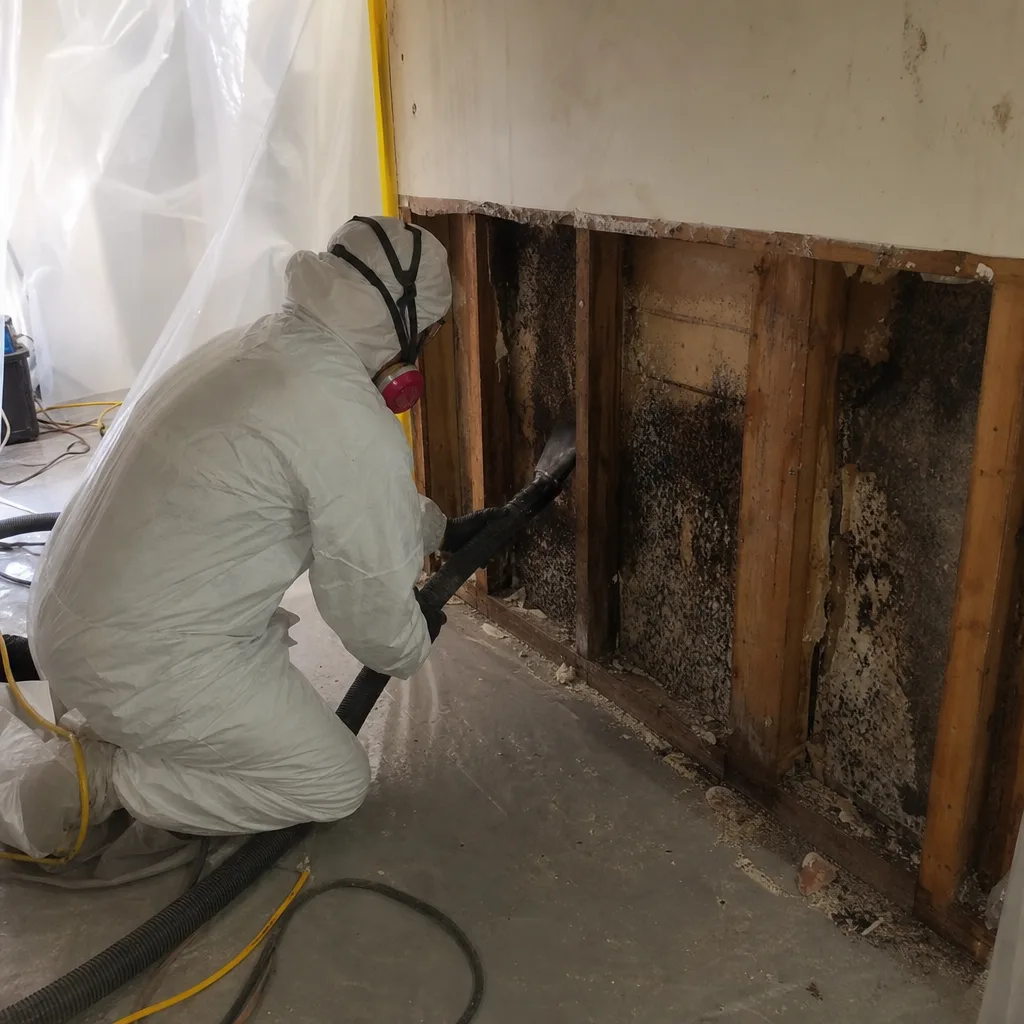
Mold remediation is the most disputed segment of property insurance, and the most vulnerable to overselling. The fear of mold drives homeowners to approve scopes they do not understand, while insurers increasingly require independent verification of airborne spore counts before funding remediation. The homeowner who can distinguish between a humidity issue and active colonization saves thousands.
Signs That Warrant Professional Assessment
- Persistent musty odor after 48 hours of ventilation. Run a box fan, open windows if weather permits, and exhaust the space. If the smell returns within 24 hours of closing up, there is an active moisture source feeding microbial growth, not just stale air.
- Visible growth with specific characteristics. Mold on building materials is rarely the black “toxic mold” of media coverage. More commonly: greenish-black patches on damp drywall (often Aspergillus), white or gray fuzzy growth on wood in crawl spaces (often Penicillium or Cladosporium), or orange or pink film around plumbing fixtures (often Aureobasidium). Color is not identification, but it is documentation.
- Allergic symptoms that correlate with location. Respiratory irritation, watery eyes, or headaches that resolve when leaving the house and return upon entry suggest elevated spore counts. Note the correlation in your documentation; it supports medical necessity if temporary relocation is required.
- Previous water loss with incomplete drying. Any water event that was not professionally dried with dehumidification and air movement, verified with moisture readings, has likely left residual moisture in wall cavities. We have found active mold in Marysville homes where the homeowner ran a shop vacuum and called it done.
Signs That Do NOT Automatically Require Remediation
- Surface mildew on bathroom grout or caulk. This is a cleaning issue, not a remediation event. A 50/50 bleach solution or commercial mildew remover, followed by ventilation, resolves it.
- Single small area (<10 square feet) on non-porous surface. EPA guidance permits homeowner cleanup of small, contained areas on tile, glass, or sealed wood. The key is addressing the moisture source simultaneously.
- Odor without visible growth or elevated moisture. May indicate dead air space, dirty HVAC ducts, or a rodent issue. Investigation before remediation.
At Mold Remediation in Marysville, we provide a free second opinion on any competitor’s written mold estimate. Bring their scope and we will review it against IICRC S520 standards at no charge. Haven Standard, Clause 6. We have declined jobs where the recommended scope exceeded the actual conditions, because a documented “no action required” protects your claim history and your wallet.
Common Mistakes to Avoid
- Waiting for the smell to go away on its own. In Marysville’s winter humidity, it won’t. The moisture source is active, and every week of delay increases the affected square footage and the category of loss.
- Using bleach on porous materials. Bleach evaporates faster than water, leaving behind salt residue that can actually feed future microbial growth. It also degrades cellulose fibers in drywall and wood. Use antimicrobial products formulated for restoration, or leave treatment to professionals.
- Accepting a verbal estimate. Haven Standard, Clause 1 exists because verbal estimates lead to scope disputes. A written price before work starts, with line items for extraction, drying equipment, monitoring, and reconstruction, is your protection against surprise charges.
- Ignoring the crawl space because it’s unpleasant. In Marysville’s rancher stock, the crawl space is where the most expensive damage begins. A headlamp, a moisture meter, and 20 minutes of inspection every October and March will catch conditions before they reach the living space.
- Assuming new construction is immune. The 2010s two-stories in Firetrail and Jennings Park have their own failure modes: membrane breaches in curbless showers, inadequate slope in balcony drains, and HVAC condensate lines that clog with construction debris. Age of home does not correlate with risk.
- Photographing without scale or context. A close-up of a water stain tells an adjuster nothing. The same image with a ruler, a moisture meter display, and a wide shot of the room tells a story that supports your claim.
- Not checking seasonal conditions. That dry foundation crack in August is a water entry point in February. Inspect before and after the rainy season, not once and forgotten.
When to Call a Professional
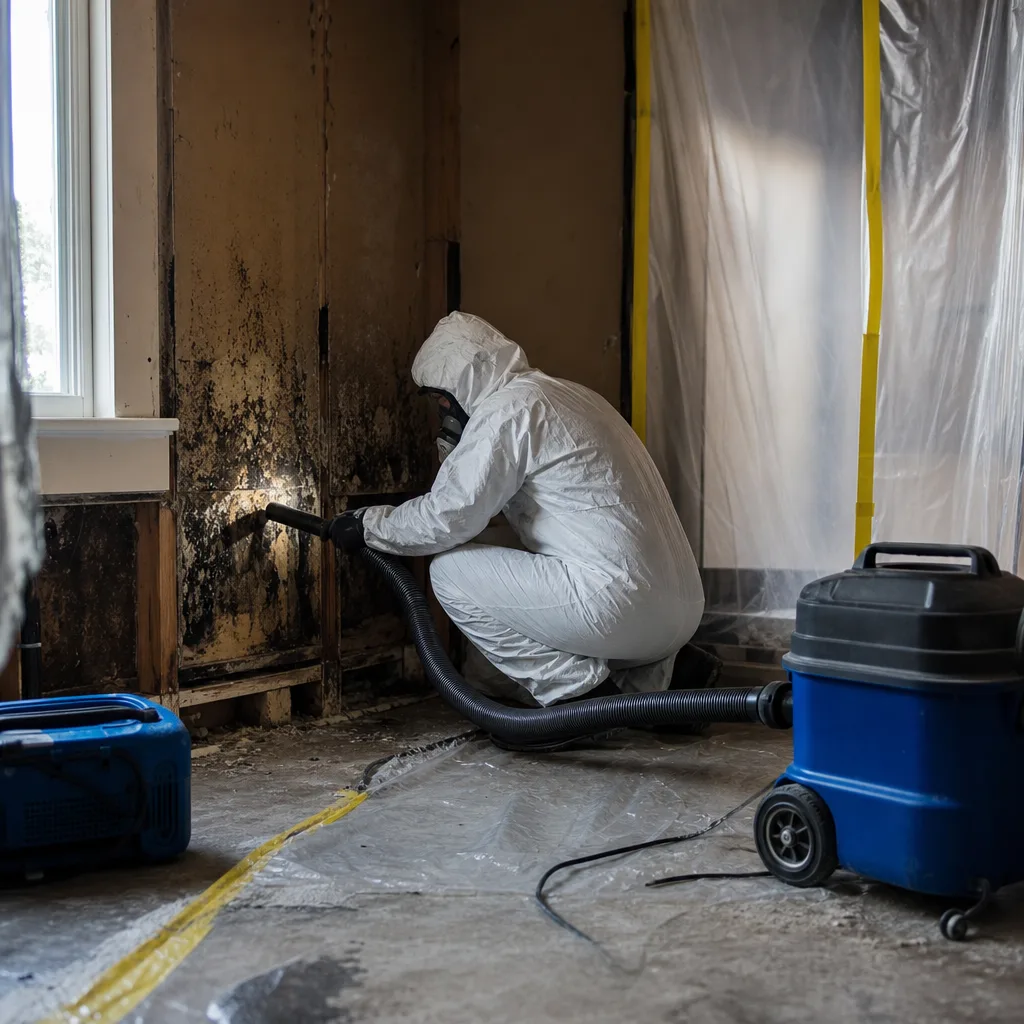
Call when moisture readings exceed baseline by 4 percentage points or more in any structural material. Call when you discover active water intrusion and cannot identify and stop the source within 30 minutes. Call when mold growth exceeds 10 square feet, is on porous material, or follows a previous water loss. Call when the loss involves sewage, fire suppression water, or any water that has contacted soil or standing in a crawl space for more than 24 hours.
In Marysville, where groundwater and seasonal rain create conditions that amplify small problems into major losses, early professional assessment is documentation, not overreaction. The drying log we produce, with daily moisture readings and photo documentation, becomes the evidence that turns your restoration invoice into a payable claim.
DryMark Restoration Marysville offers free estimates in Marysville. A trained technician will arrive with moisture meters, thermal imaging, and borescope cameras to inspect what cannot be seen. Call (360) 822-3055. Estimates are written before any work begins, every time, with no exceptions. Haven Standard, Clause 1.
Frequently Asked Questions
Reputable restoration companies in Marysville, including DryMark Restoration Marysville, provide free estimates for water damage assessment. The estimate includes moisture mapping, thermal imaging, and a written scope with line-item pricing. Be wary of any company that charges for an initial assessment or provides only verbal pricing. Call (360) 822-3055 for a free written estimate.
Coverage depends on your policy language and documentation. Most standard HO-3 policies cover “sudden and accidental” water damage but exclude damage from long-term leaks the homeowner knew or should have known about. The key is proving the date of discovery and prompt reporting. Your dated photos, moisture meter readings, and call logs to your insurer establish this timeline. We coordinate directly with adjusters and provide the documented photo record and drying logs that support claim approval.
For active water intrusion, DryMark Restoration Marysville maintains live phone coverage 24 hours a day, 7 days a week with no voicemail on emergency lines. Response time depends on current demand and your location within Marysville, but crews are dispatched immediately for active losses. For non-emergency assessments, appointments are typically available within 24 hours. Call (360) 822-3055 to confirm current availability.
For Category 1 clean water affecting less than 150 square feet of non-porous materials, self-extraction with proper drying may be adequate. For anything involving porous materials (drywall, carpet pad, insulation), structural saturation, or uncertainty about the water category, professional drying is warranted. The risk of incomplete drying is mold colonization that converts a $3,000 dry-out into an $18,000 remediation. Our free second opinion on any competitor’s written estimate helps you evaluate whether a proposed scope is justified. Haven Standard, Clause 6.
At DryMark Restoration Marysville, we coordinate directly with your adjuster from the initial assessment through final billing. The documented photo record on every visit, the daily drying logs with psychrometric data, and the written scope with line-item pricing are formatted for direct submission. This documentation-first approach, developed by our founder’s background in claims adjustment, reduces back-and-forth and accelerates payment. You remain informed but are not responsible for translating technical data to your insurer.
A pin-type moisture meter with penetrating pins, such as the General Tools MMD4E or similar models available at hardware stores in Marysville, costs $35 to $60 and is sufficient for homeowner use. Look for a model that reads wood moisture content on a 0% to 40% scale and has a reference chart for common building materials. Non-invasive surface meters are useful for initial screening but cannot distinguish surface dampness from structural saturation. Use pins for definitive readings.
The Bottom Line
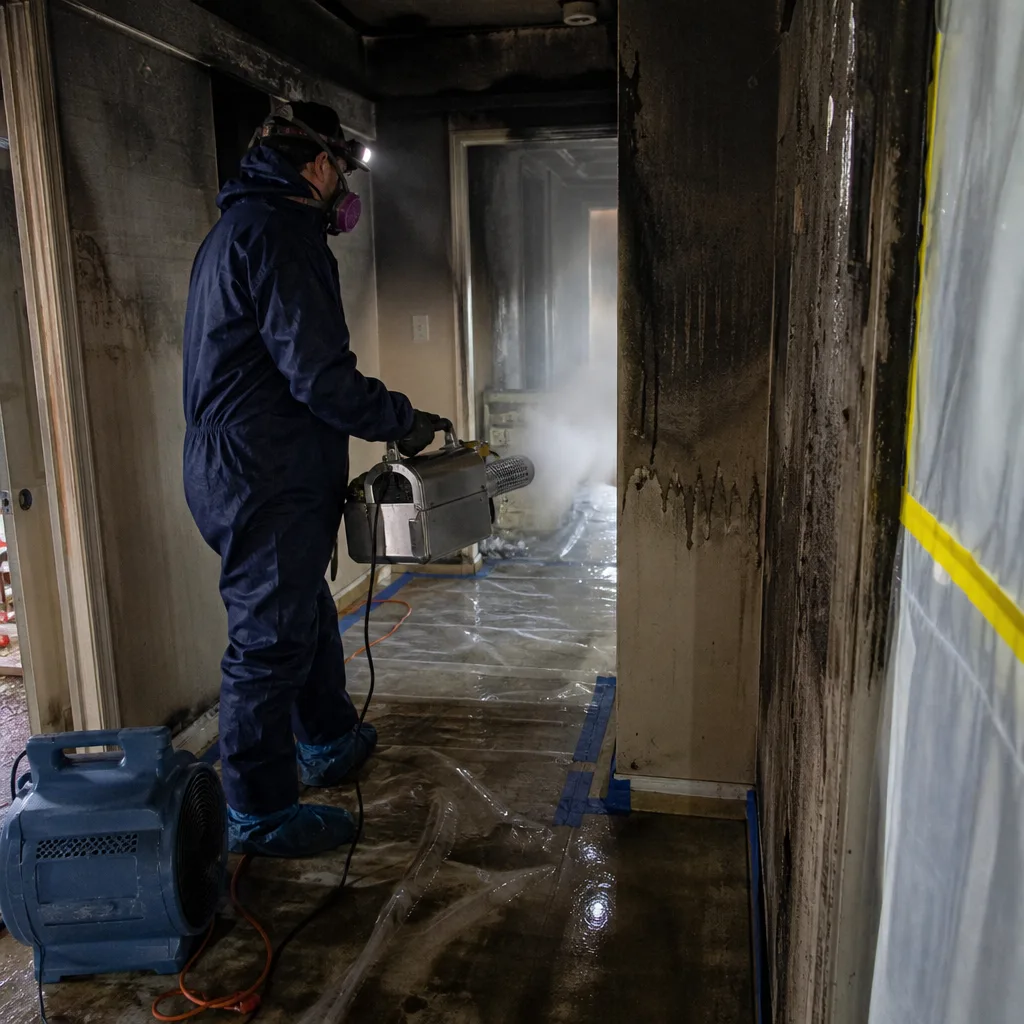
Warning signs are only useful when they become evidence. In Marysville’s climate and housing stock, the homeowners who avoid the most expensive losses are not the ones with the keenest noses or the best flashlights. They are the ones who measure, photograph, date, and record. A 19.2% moisture reading on a baseboard. A photo of efflorescence with a quarter for scale and GPS metadata. A call log timestamped the same day. These are the inputs that turn a restoration job into a paid claim.
The tools are inexpensive. The protocol is simple. The discipline is what most people skip, and what skipping costs them. Inspect seasonally, not once. Measure, don’t guess. Document before you call. And when you call, choose a company that builds on your evidence rather than replacing it with their own narrative.
Written by Alicia Brennan, Owner at DryMark Restoration Marysville, serving Marysville since 2011.