
Last updated September 23, 2026
Free visual inspection and a written scope of work before any mitigation begins - photos, moisture readings, and drying logs go in your claim file
The scope we write is the scope we bill. Anything new gets shown to you, in writing, before we touch it.

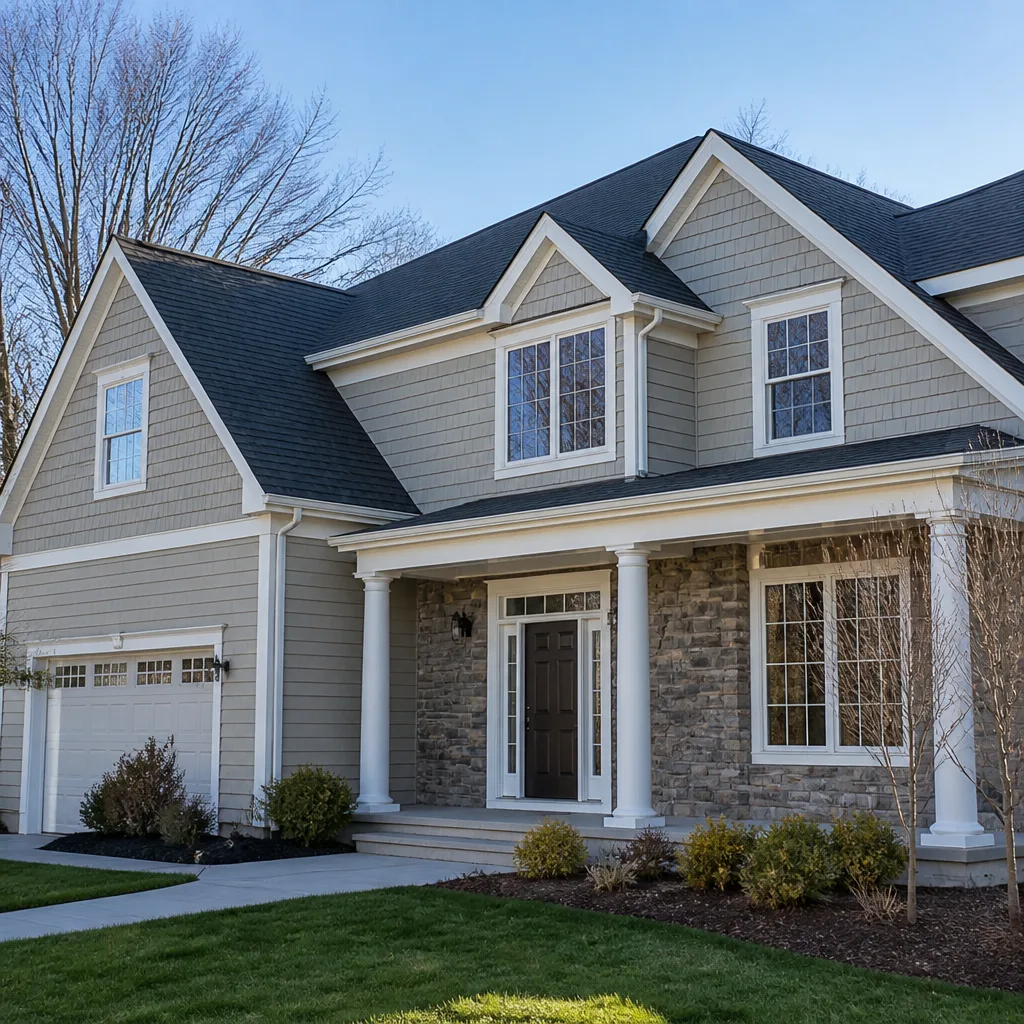
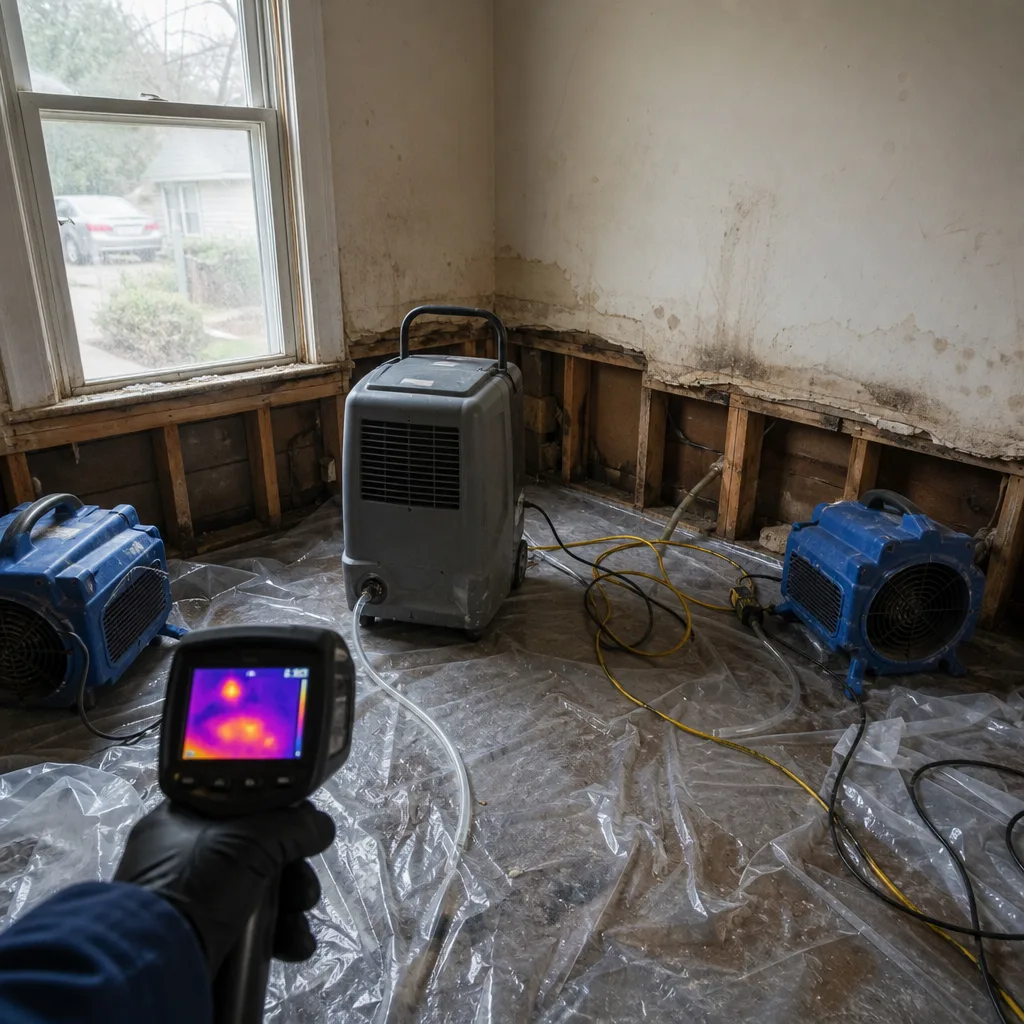 Before
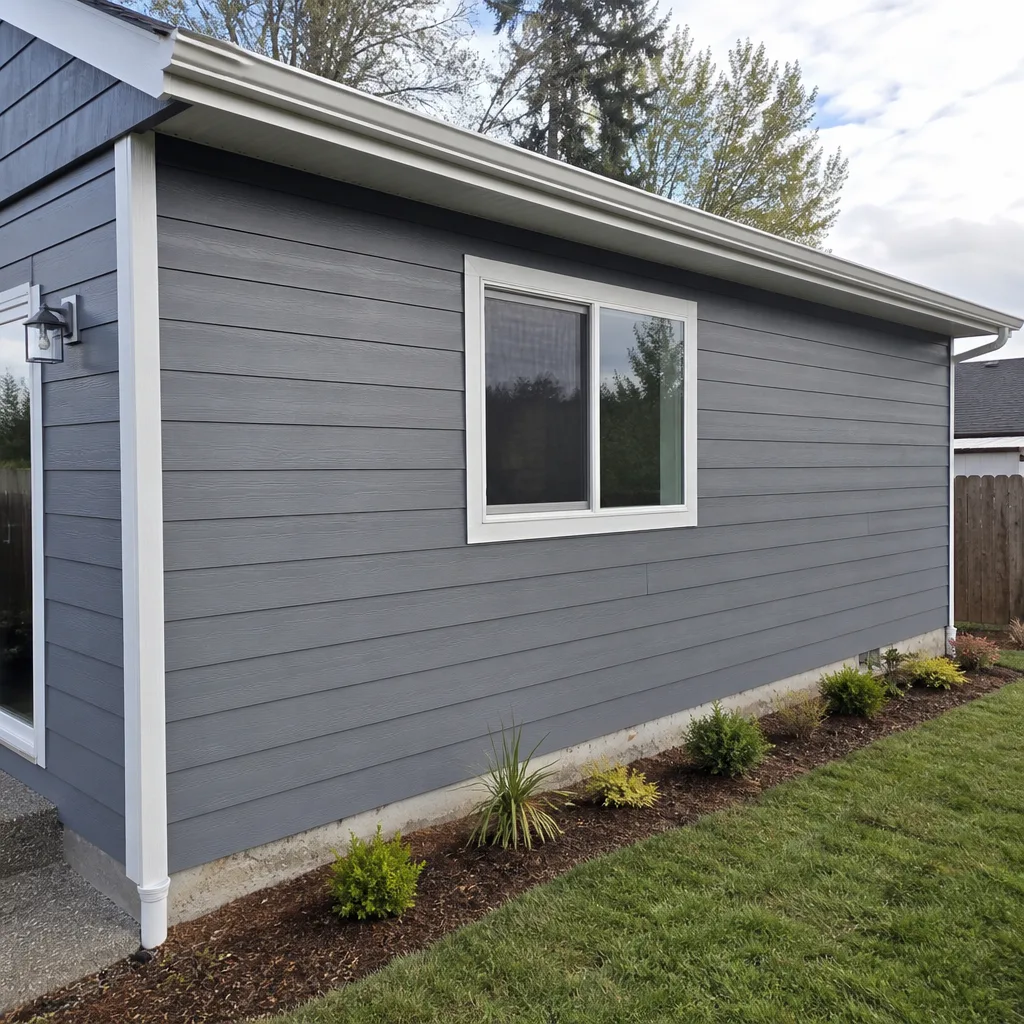 After
After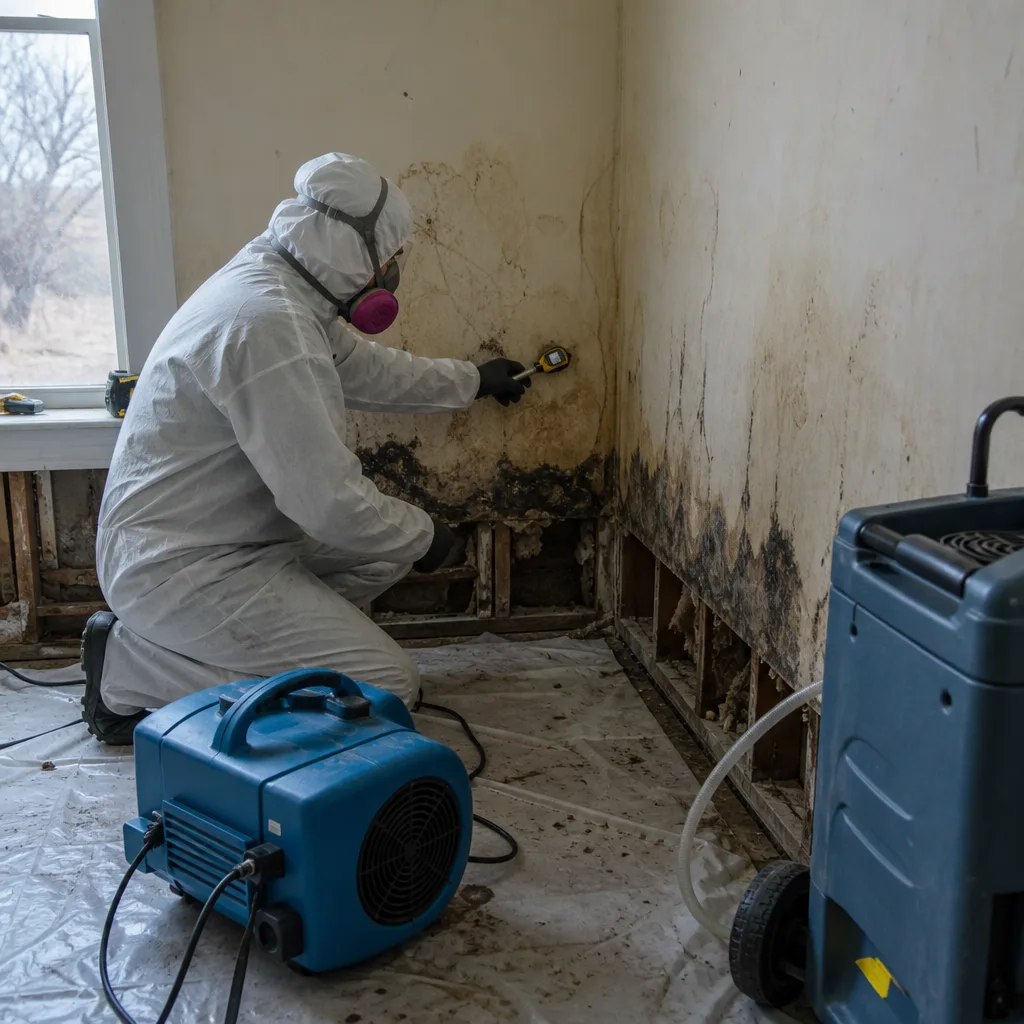 Before
 After
After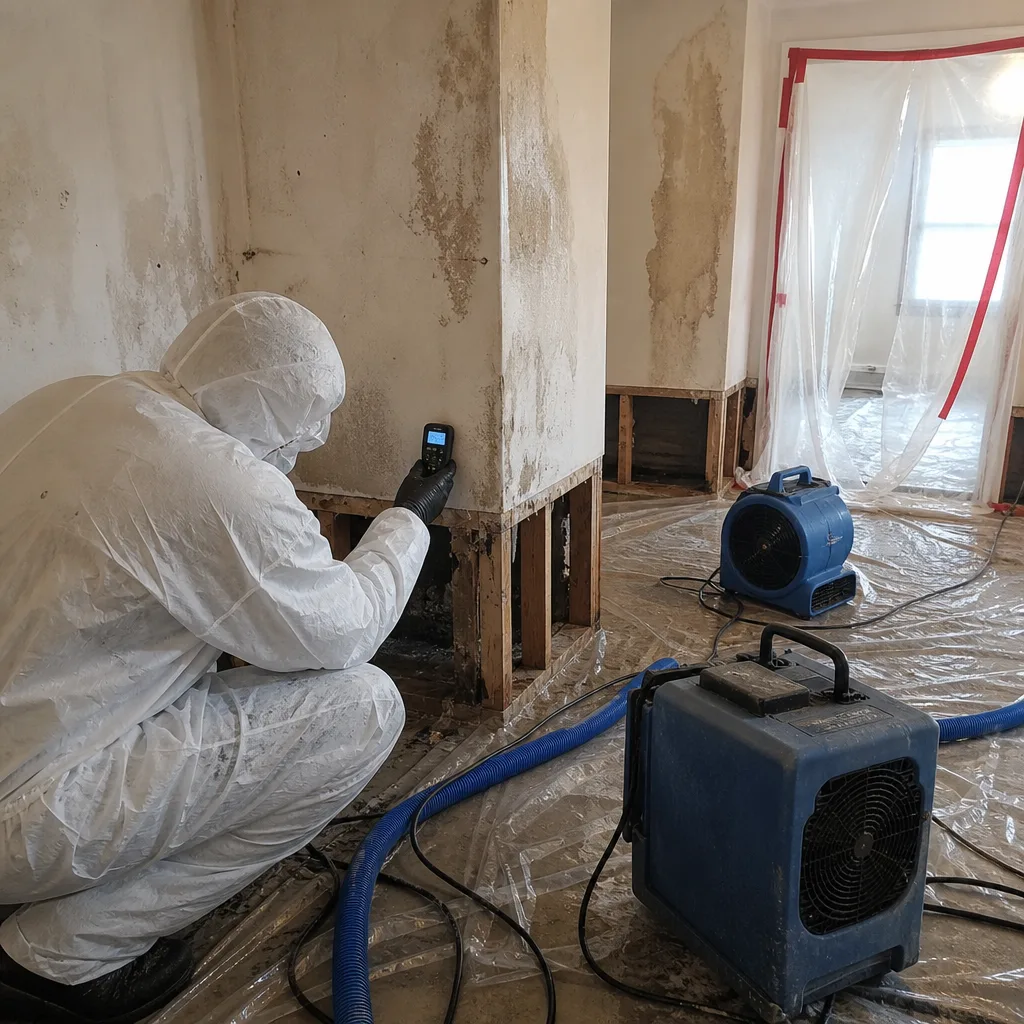 Before
 After
AfterSeasonal Damage Restoration Care for Marysville: Year-Round Homeowner’s Guide
The three weeks following Marysville’s first hard fall rain generate more emergency water extraction calls than any other period - not because the rain is exceptional, but because summer’s 90 dry days concealed a slow roof leak behind what looked like a sound ceiling. Since 2011, we’ve documented this pattern across 12,000 homes: the damage was already there, invisible until the moisture gradient reversed. This guide - alongside our Complete Guide to Damage Restoration in Marysville - maps Marysville’s actual damage calendar to a month-by-month maintenance schedule calibrated to Snohomish County’s precipitation data, NOAA freeze-event history, and the specific construction methods common in Northwest homes built between 1970 and 2020.
Quick Answer
Seasonal damage restoration care in Marysville means preparing for atmospheric river season (October through March) with documented pre-storm inspections of sump pumps, downspout extensions, and crawl space vents, while using the July dry spell to establish moisture baselines and inspect fire-prone areas. The highest-risk window is the transition from dry to wet season, when hidden moisture migration begins in wall cavities and crawl spaces before visible damage appears. A written inspection record with photo documentation strengthens insurance claims if damage occurs, as detailed in our Water Damage Restoration Maintenance Checklist for Marysville Homeowners.
Table of Contents
- Marysville’s Damage Calendar: When Claims Actually Happen
- Fall Transition (September-November): The Hidden Risk Window
- Winter Atmospheric River Season (December-March): Active Defense
- Spring Thaw (March-May): Freeze-Thaw Line Damage
- Summer Dry Season (June-August): Baseline Documentation
- Month-by-Month Maintenance Schedule
- Building a Defensible Insurance Record
- Common Mistakes to Avoid
- When to Call a Professional
- Frequently Asked Questions
BeforeAfterMarysville’s Damage Calendar: When Claims Actually Happen
Snohomish County’s loss data follows a pattern most seasonal guides miss entirely. Atmospheric river events concentrate between October 15 and March 31, with peak precipitation in November and December. But the claims we process at DryMark Restoration Marysville don’t align cleanly with rainfall totals. The spike comes in late October and early November, when the first sustained rains meet structures that have been breathing dry air for three months.
Marysville averages 37 inches of annual precipitation, with roughly 70% falling in the six-month wet season. The summer dry period - typically June 15 through September 15 - creates a moisture deficit in wood framing, drywall, and concrete that masks existing vulnerabilities. When the rains return, materials swell at different rates. Gaps open. Sealants that contracted in August don’t re-expand fully. Caulk separates from window frames. This is when we find the leaks that have been waiting.
Fire and smoke damage claims in Marysville cluster differently. July and August show elevated frequency, tied to outdoor burning restrictions, dry vegetation, and HVAC systems working at capacity. The combination of dust accumulation in ductwork and stressed electrical components creates a measurable risk profile that differs from the water season by both cause and required response.
Our drying logs from completed jobs show a secondary mold spike in April and May, when warming temperatures activate spores that colonized during winter but remained dormant below 60 degrees Fahrenheit. This is not visible mold - it’s the musty crawl space, the discolored grout line, the slight warp in baseboard trim that homeowners notice when they open windows for the first time.
Fall Transition (September-November): The Hidden Risk Window
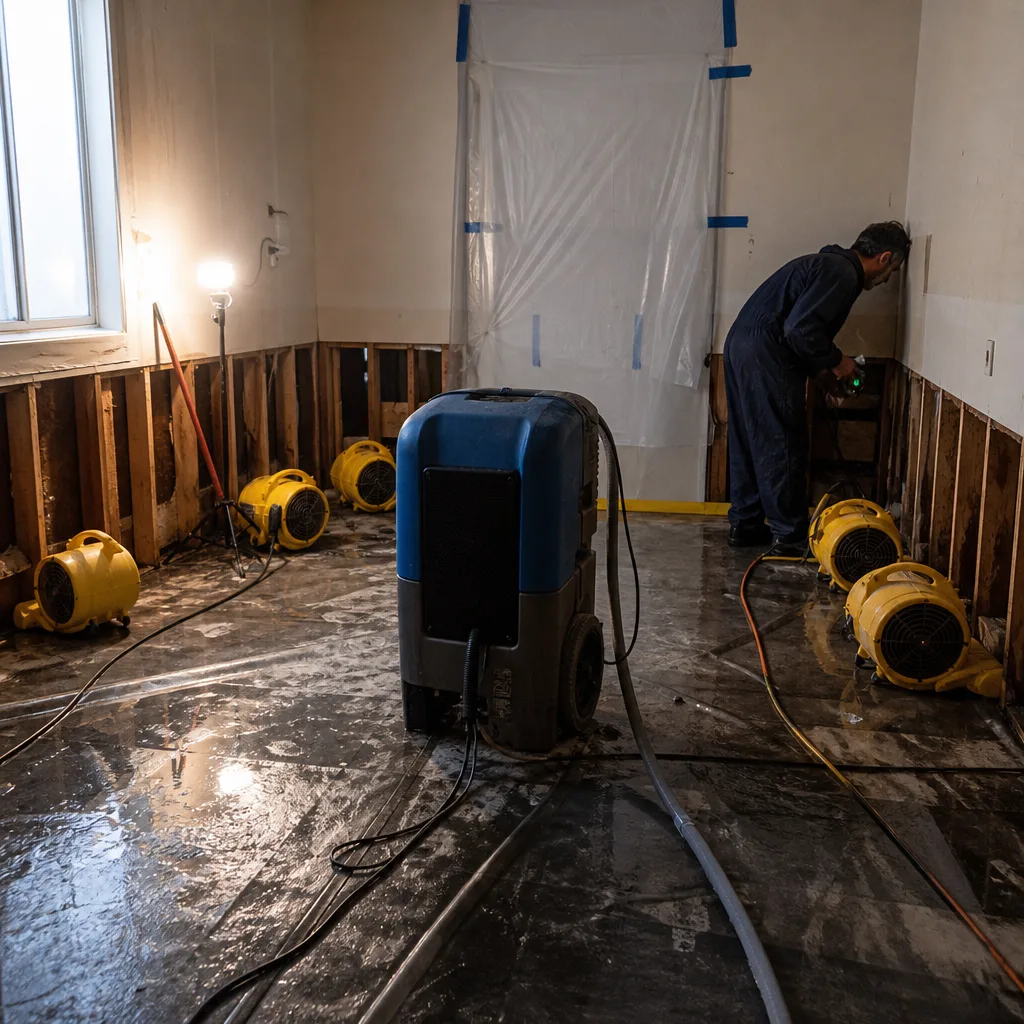
The fall transition is Marysville’s highest-risk period for concealed moisture damage. We treat September as preparation month, October as verification month, and November as response month. The goal is to eliminate surprises before the atmospheric rivers arrive.
September’s dry conditions are ideal for establishing documentation. We recommend homeowners photograph their crawl space, attic, and basement walls in ambient dry conditions. These images become the “before” record if a winter claim develops. Without them, an adjuster cannot distinguish pre-existing conditions from storm damage - and the burden of proof falls on the homeowner.
October’s first sustained rain event, typically between the 10th and 25th, is the test. We advise a systematic inspection 48 hours after rainfall exceeds one inch in 24 hours:
- Check the sump pump by pouring five gallons of water into the crock until the float activates. Note the discharge point and confirm it extends at least 10 feet from the foundation.
- Walk the perimeter to verify downspout extensions are attached and deposit water on a downward slope away from the structure.
- Inspect crawl space vents: open for summer, but verify screens are intact and that closing mechanisms function before freeze events.
- Run a moisture meter on basement walls at 12-inch intervals, recording readings in a dated log. Concrete below grade should read below 4% moisture content by weight; wood framing below 16%.
- Check attic sheathing for darkening or staining near chimney penetrations, vent stacks, and valleys where two roof planes meet.
In Marysville’s Quil Ceda and Sunnyside neighborhoods, we’ve documented a recurring pattern: homes built between 1985 and 2005 with composite shingle roofs approaching 20 years show valley deterioration that remains invisible from the ground. The first fall rain finds the gap. By November, insulation is compromised and mold-friendly conditions exist in the attic triangle.
Psychrometric data - the measurement of temperature, humidity, and vapor pressure - guides our fall assessments. We measure vapor pressure differential between crawl space and exterior: when interior vapor pressure exceeds exterior by more than 0.3 inches of mercury, moisture migrates outward through walls. In Marysville’s fall, with soil still warm from summer and air cooling rapidly, this differential inverts weekly. Homes without vapor barriers or with compromised crawl space encapsulation experience cyclic wetting that doesn’t drain because the soil beneath is already saturated from summer irrigation.
Winter Atmospheric River Season (December-March): Active Defense
Atmospheric river events in Snohomish County deliver 1-3 inches of precipitation in 24-48 hours, with the most intense events producing 5+ inches. Marysville’s topography - relatively flat compared to the Cascade foothills - means less landslide risk but more sustained soil saturation and higher water tables. The Stillaguamish River and its tributaries influence local drainage patterns; homes within the 100-year floodplain face different protocols than those on higher ground.
Active defense during this period means monitoring, not just reacting. We recommend homeowners maintain a simple event log:
- Date and duration of each significant rain event (greater than 0.5 inches in 6 hours)
- Sump pump activation frequency (normal: 2-4 cycles per hour during heavy rain; concerning: continuous running or failure to activate)
- Any water appearance in basement, crawl space, or garage, with photograph and timestamp
- Interior humidity readings from a basic hygrometer (target: 30-50% relative humidity)
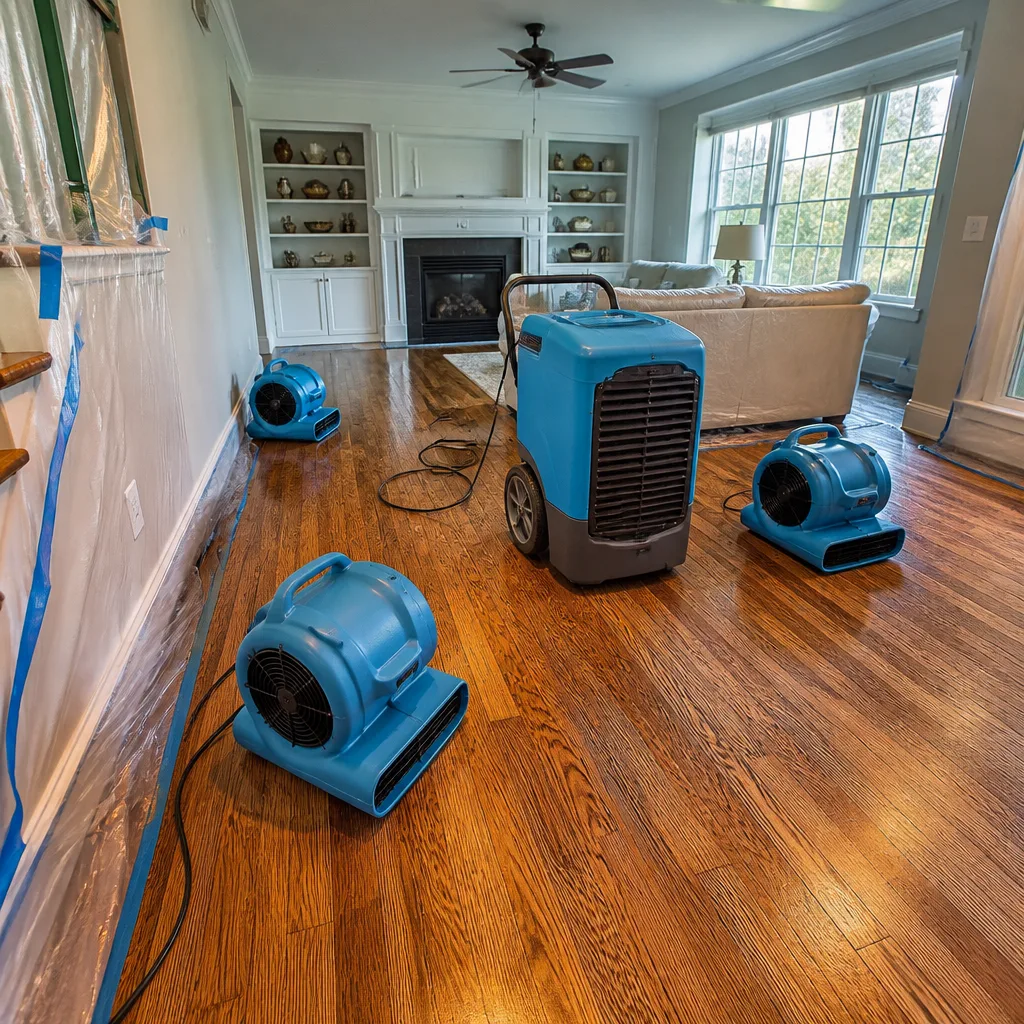
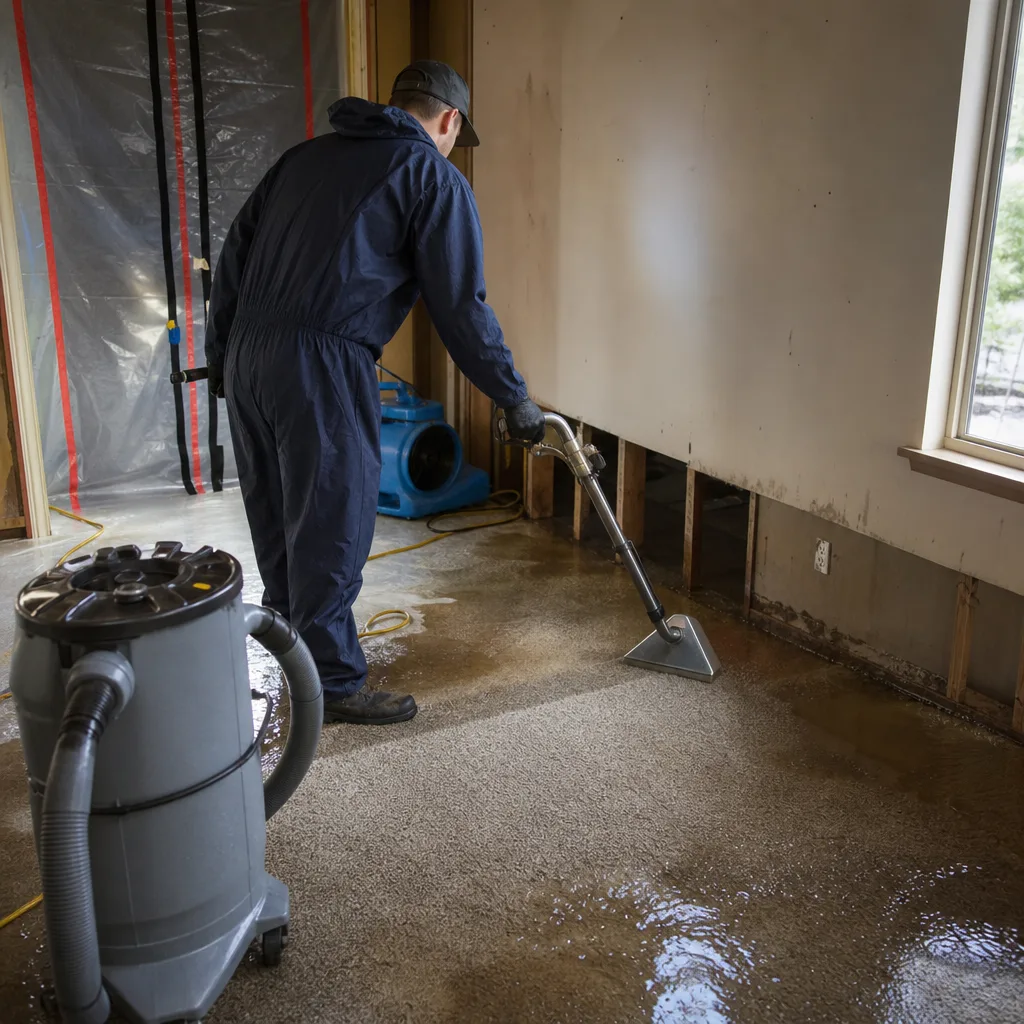
When water intrusion occurs, speed of documentation matters more than speed of removal for insurance purposes. Our protocol at Water Damage Restoration in Marysville begins with photo documentation before any equipment is placed. We record moisture readings with calibrated meters, classify affected materials by porosity (Class 1: minimal absorption; Class 4: saturated plaster, hardwood, concrete), and produce a written scope with line-item pricing before work starts - Haven Standard, Clause 1.
The equipment we deploy follows IICRC S500 standards for water damage restoration. Dri-Eaz and Phoenix dehumidifiers establish specific humidity targets; Injectidry systems deliver targeted airflow to wall cavities without demolition when the drying log supports it. Each day’s readings are recorded and photographed, creating the documentation trail that turns a restoration invoice into a payable claim.
Winter in Marysville also brings a specific freeze risk: temperatures drop below 28 degrees Fahrenheit an average of 15-20 nights per year, concentrated in December and January. PEX tubing, common in homes built after 2000, withstands freezing better than copper but is more vulnerable to rodent damage in crawl spaces where insulation is displaced. Copper lines in older homes split predictably at elbow joints and exterior walls. We recommend homeowners identify their supply line material and inspect accordingly: copper for green oxidation at joints, PEX for chew marks or kinking near support hangers.
Spring Thaw (March-May): Freeze-Thaw Line Damage
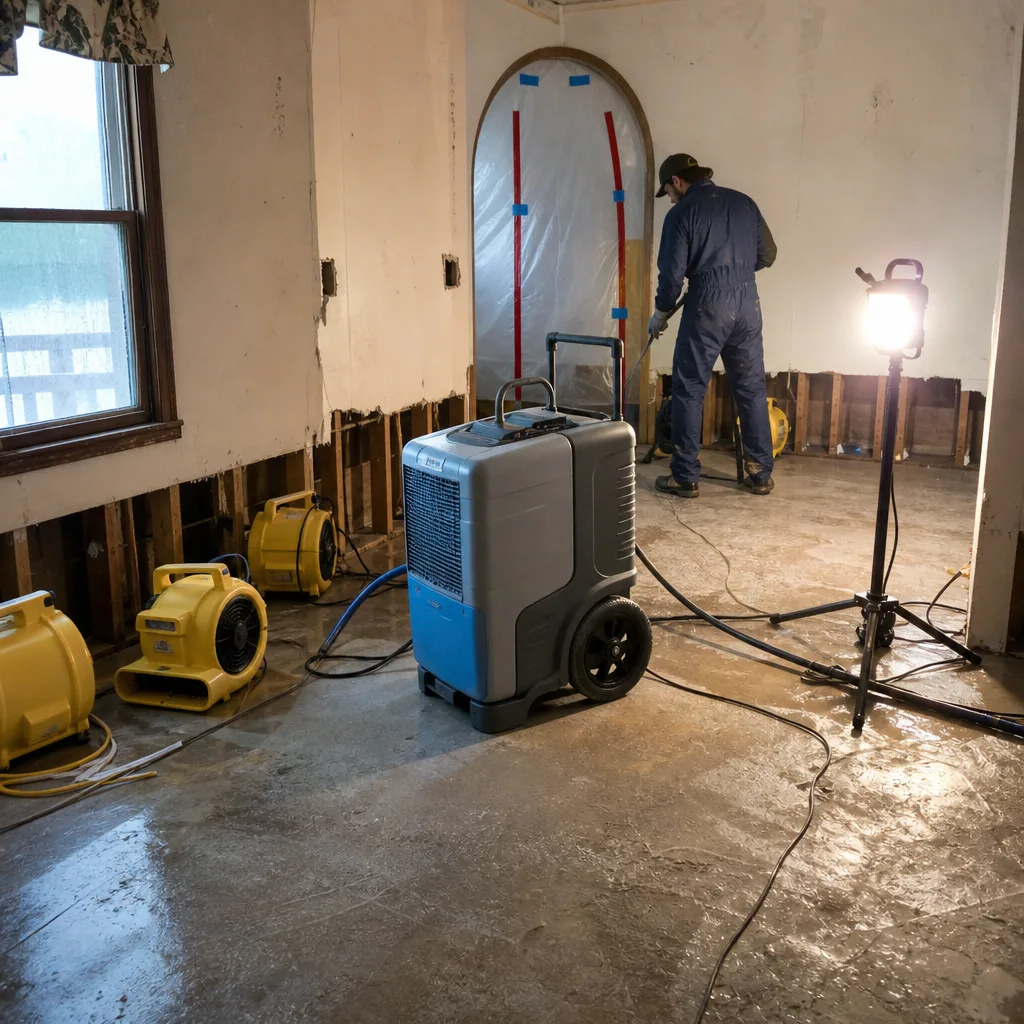
The freeze-thaw cycle in Marysville’s shoulder seasons produces damage distinct from winter’s sustained cold. March and April average 5-10 freeze-thaw events - nights below 32 degrees followed by days above 45. This cycling stresses rigid materials differently than sustained freezing.
Concrete foundations are particularly vulnerable. Water enters micro-cracks during thaw, then expands 9% upon refreezing. Over a decade, this produces the horizontal cracking we document in Marysville’s 1960s-1980s slab-on-grade construction. The damage is gradual until it isn’t - a spring when the crack propagates through the full wall section and groundwater enters the basement during the first heavy rain.
Exterior masonry and stucco show similar patterns. We inspect for spalling - the flaking or scaling of surface material - which indicates water has penetrated and frozen behind the finish coat. In Marysville’s Chapel Hill and Jennings Park areas, homes with EIFS (Exterior Insulation and Finish System) installed in the 1990s require particular attention; the system’s drainage plane depends on sealant continuity at windows and penetrations, and spring sun angle changes reveal gaps that winter’s low light concealed.
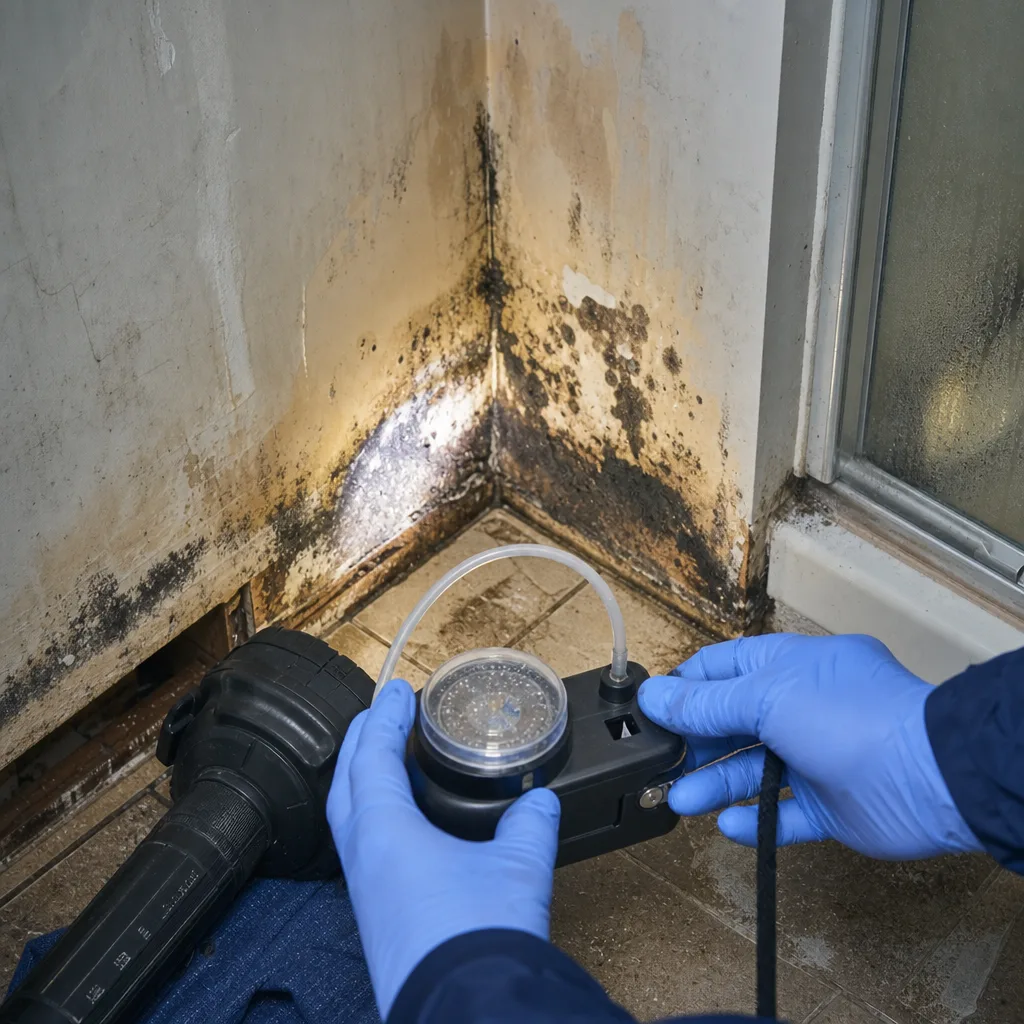
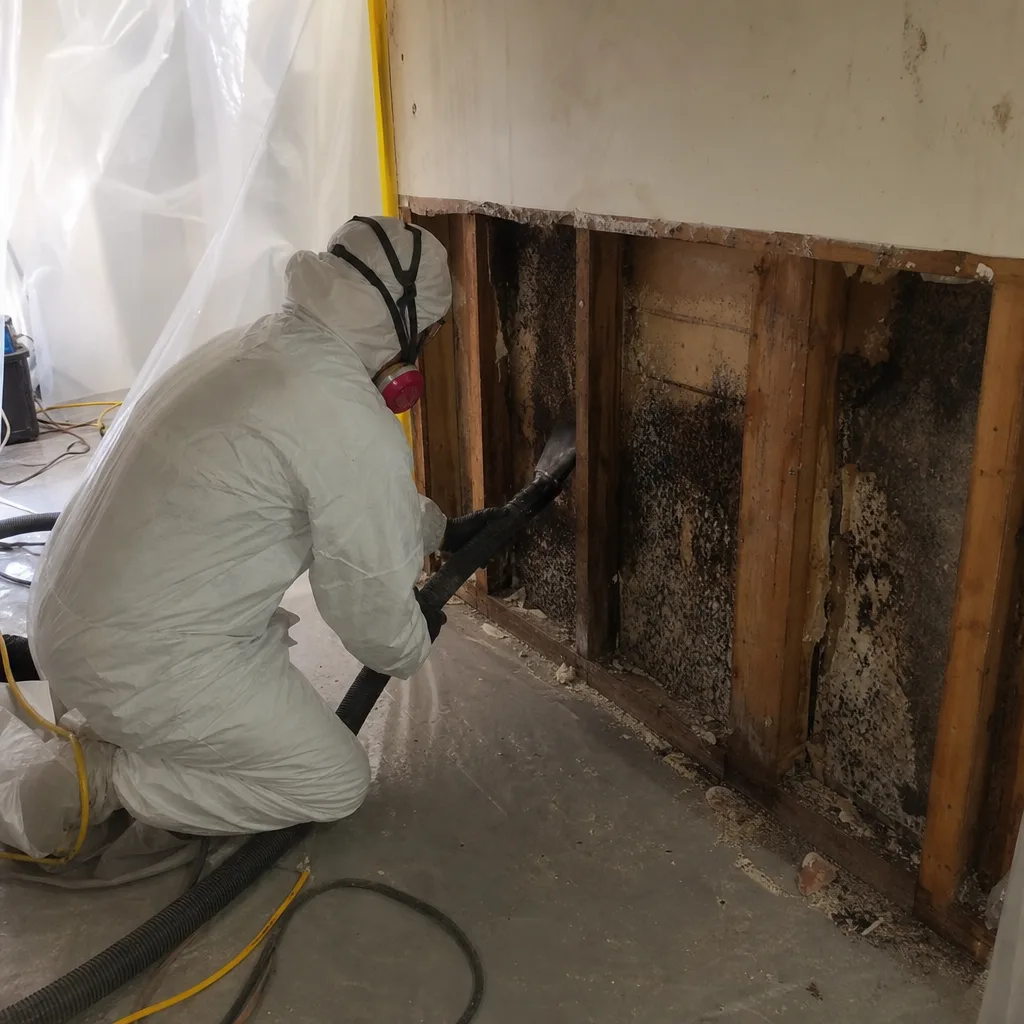
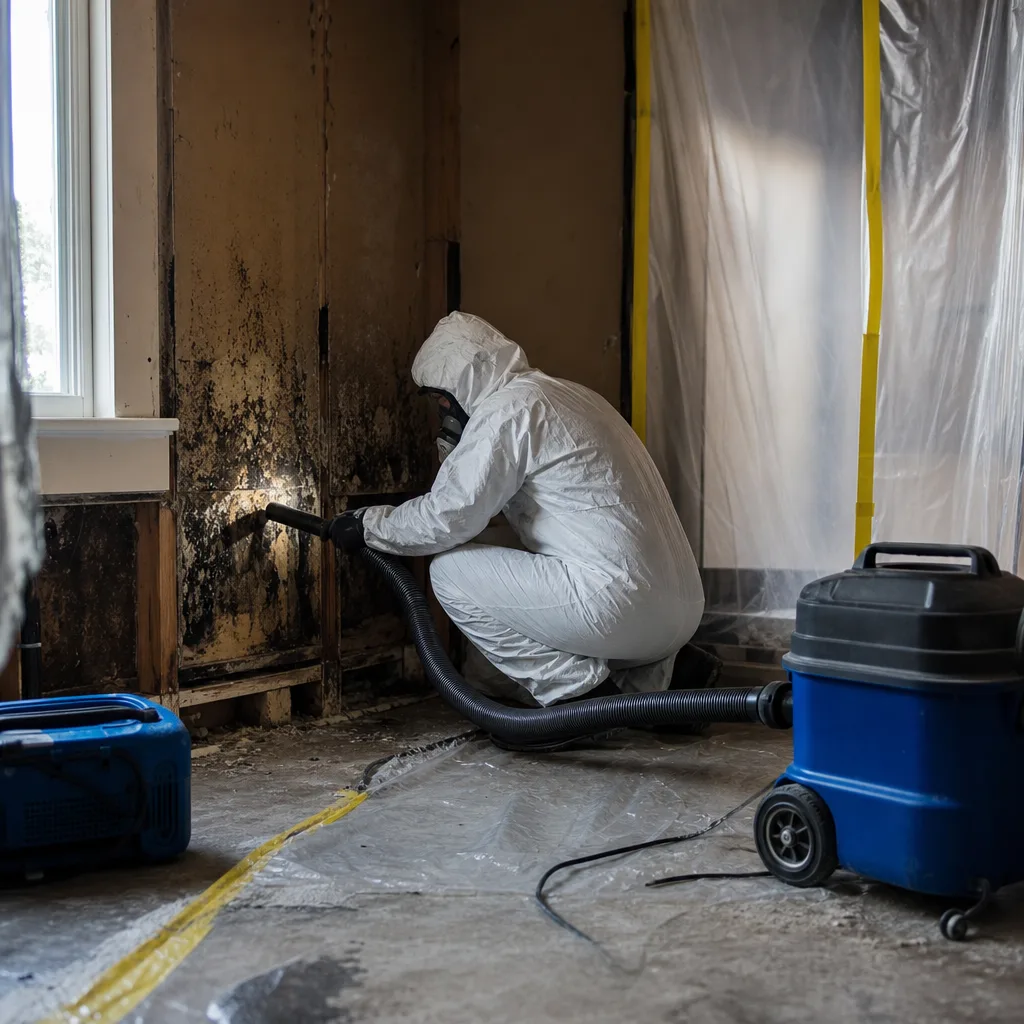
Spring is also when Mold Remediation in Marysville demand peaks. The combination of winter moisture loading and warming temperatures activates dormant colonies. Our inspections focus on:
- Crawl spaces with relative humidity sustained above 60% for 48+ hours
- Attic sheathing with moisture content above 19% (the threshold for fungal growth on wood)
- Bathroom exhaust fans venting into attic spaces rather than exterior (a code violation in current IRC but common in pre-2005 construction)
- Window condensation patterns indicating failed thermopane seals or inadequate interior air circulation
We document spring conditions with the same rigor as winter events: dated photographs, moisture readings, material classifications, and a written scope before any remediation begins. The 365-Day Done Right Promise applies to mold work specifically - if regrowth occurs in the same location within 12 months, we return to address the source, not just the symptom.
Summer Dry Season (June-August): Baseline Documentation
July and August in Marysville average less than 1.5 inches of precipitation combined. This dry window is not a rest period - it’s the optimal documentation season, and the time to address fire and smoke risks that the wet season obscures.
Moisture baseline documentation in summer creates the comparison point that makes fall and winter claims defensible. We recommend homeowners:
- Photograph all exterior elevations in direct sunlight, noting any existing cracks, stains, or sealant gaps
- Record moisture meter readings in basement, crawl space, and attic with date and ambient conditions
- Document HVAC filter condition and ductwork accessibility for future smoke damage scenarios
- Verify fire extinguisher locations, expiration dates, and that all household members know the utility shutoff locations
Summer is also when Fire & Smoke Damage Restoration in Marysville preparation matters most. Outdoor burning restrictions typically take effect in July; violations produce liability claims when escaped fires damage neighboring structures. More commonly, we respond to kitchen and electrical fires during heat waves when air conditioning loads stress older panels and wiring.
The HVAC systems that ran intermittently in spring now operate continuously. Dust accumulation in ductwork - measured in grams per square foot of filter surface - becomes a fuel load if ignition occurs. We recommend professional duct inspection every three years, with photo documentation of interior conditions. If fire damage does occur, this pre-existing record distinguishes soot patterns from pre-existing contamination.
Tertiary drying - the final phase of water damage restoration where materials reach equilibrium moisture content - is often incomplete when jobs are rushed. Summer’s low ambient humidity provides natural conditions to verify that structural materials have reached their baseline. We use this season for follow-up inspections on winter jobs, confirming that moisture readings match the documented baseline and that no deferred secondary damage exists.
Month-by-Month Maintenance Schedule
This schedule is anchored to Marysville’s 30-year NOAA climate normals and our documented loss patterns, not generic Pacific Northwest guidance.
September
- Photograph crawl space, attic, and basement in dry conditions
- Test sump pump with bucket pour; photograph discharge point
- Inspect roof from ground with binoculars; note missing or lifted shingles
- Schedule chimney inspection if wood-burning fireplace is used
October
- Complete pre-storm inspection within 48 hours of first 1-inch rain event
- Record moisture meter readings on basement walls and attic sheathing
- Verify downspout extensions and clear gutters of summer debris
- Close crawl space vents if freeze risk exceeds 10 days in forecast
November
- Inspect interior ceilings for water staining after first sustained rain period
- Test exterior faucets and hose bibs for freeze damage from prior year
- Service or replace sump pump if age exceeds 7 years or warranty period
- Document pre-winter condition of any known problem areas
December-January
- Monitor sump pump during atmospheric river events; log activation frequency
- Check attic after wind events for displaced insulation indicating roof leak
- Maintain interior humidity 30-50% to prevent condensation on cold surfaces
- Inspect PEX and copper supply lines in crawl space after freeze nights
February-March
- Document any ice dam formation on roof edges with photographs
- Inspect exterior for spalling, cracking, or sealant failure from freeze-thaw
- Schedule professional inspection if winter moisture readings exceeded baselines
- Prepare for spring thaw by verifying sump pump and drainage capacity
April-May
- Conduct post-winter moisture survey comparing to September baseline
- Inspect crawl space for mold indicators: musty odor, visible growth, insect activity
- Test bathroom exhaust fan flow with tissue paper; verify exterior venting
- Schedule HVAC maintenance before cooling season demand
June-August
- Establish or verify dry-condition moisture baselines in all monitored areas
- Inspect and clean dryer vents, kitchen exhaust hoods, and outdoor grills
- Test smoke and CO detectors; replace if manufacture date exceeds 10 years
- Document exterior condition for pre-winter comparison
Building a Defensible Insurance Record
Insurance claims for water, mold, and fire damage are denied or reduced when documentation is insufficient to establish cause, timing, and pre-existing condition. Our experience since 2011 - founded by a former claims adjuster who built Back to Dry around this specific gap - informs every recommendation in this section.
A defensible record contains four elements:
- Dated photographs of normal conditions. The September dry-season documentation described above serves this purpose. Store copies off-site or in cloud storage with automatic date stamping.
- Maintenance logs with specific actions. “Inspected sump pump” is weak. “Tested sump pump 9/15/24: activated at 14 inches depth, discharged 25 feet from foundation, runtime 12 seconds” is strong. The detail demonstrates reasonable care.
- Professional inspection reports. Annual or bi-annual inspections by licensed contractors, with findings in writing, create third-party verification of maintenance standards. Keep these with your insurance documents.
- Immediate event documentation. When damage occurs, photograph before touching anything. Record the time you discovered it, the weather conditions, and any immediate actions taken. This contemporaneous record carries more weight than recollection.
The “reasonable care” standard in most homeowner policies requires that the insured took steps to prevent damage that a prudent person would take. In Marysville, this includes the pre-storm checks described in this guide. A homeowner who can produce a dated log showing sump pump tests, downspout verification, and moisture monitoring has a stronger position than one who cannot.
When we respond to a loss, our documentation protocol produces the daily drying logs, photo records, and written scopes that satisfy adjuster requirements. But the homeowner’s own maintenance documentation - created before we arrive - often determines whether the claim is accepted at full value. We recommend establishing this practice before it’s needed.
Our Free Second Opinion on any competitor’s written estimate applies to insurance disputes as well. If an adjuster’s scope seems incomplete or a contractor’s estimate lacks line-item detail, we review it at no charge and document what we find.
Common Mistakes to Avoid
- Waiting for visible damage before inspecting. By the time water stains appear on a Marysville ceiling, insulation has been compromised for weeks and mold-friendly conditions may exist in the attic triangle. The first sign of a problem should be a moisture reading, not a brown spot.
- Running a sump pump into a saturated yard. Discharge that pools within 10 feet of the foundation simply recycles. We see this in Marysville’s clay-heavy soils, particularly in the Kellogg Marsh area, where percolation is slow and water tables are high.
- Closing crawl space vents permanently. Summer ventilation prevents moisture accumulation; winter closure prevents pipe freeze. The set-it-and-forget-it approach fails both seasons. Vents should operate on a schedule tied to outdoor temperature.
- Ignoring the 48-hour rule. Materials that remain wet for more than 48 hours are classified as Category 2 or 3 contamination under IICRC standards, even if the source was clean water. This affects both health risk and insurance coverage. Fast documentation matters more than fast extraction for coverage; fast extraction matters more for material salvage.
- Assuming PEX eliminates freeze risk. PEX resists splitting but not rodent damage. In Marysville’s rural-interface areas, we regularly find PEX lines chewed through in crawl spaces where mice seek winter shelter. The repair is simple; the water damage from the delayed discovery is not.
- Skipping summer baseline documentation. Without dry-condition readings, fall moisture measurements have no context. A reading of 18% on attic sheathing means nothing without knowing whether it was 12% in July or 16% - the difference between normal seasonal variation and active leak.
- Accepting verbal estimates for restoration work. Haven Standard, Clause 1 exists because verbal pricing creates scope creep, payment disputes, and denied claims. Every restoration job should begin with a written price, line-item scope, and documented photo record - standard at DryMark Restoration Marysville, not an upsell.
When to Call a Professional
Call for professional assessment when: moisture meter readings exceed your documented baseline by more than 4 percentage points on wood or 2 percentage points on concrete; you discover water in a crawl space or basement and cannot identify the source within 30 minutes; mold growth covers more than 10 square feet or occurs in HVAC components; fire damage involves structural elements or you smell smoke after visible flames are extinguished; or any damage occurs and you need documentation for an insurance claim.
Speed matters for mitigation - water continues migrating until extraction begins - but documentation matters for coverage. A professional response should provide both: immediate moisture control and the written, photographed record that supports your claim.
DryMark Restoration Marysville offers free estimates in Marysville. Our live phone coverage operates 24 hours a day, 7 days a week with no voicemail on emergency lines. Every job is quoted in writing before work begins, documented with a photo record on every visit, and covered by the 365-Day Done Right Promise under The Haven Standard. Call (360) 822-3055.
Frequently Asked Questions
Professional moisture baseline documentation and pre-storm inspection typically runs $200-$400 for a standard Marysville home, while comprehensive crawl space and attic assessment with written report ranges $350-$600. DIY prevention - sump pump testing, gutter cleaning, moisture logging - requires $50-$150 in equipment (moisture meter, hygrometer, extension ladder) and 4-6 hours annually. The cost of documented prevention is minor compared to average water damage restoration at $3,000-$8,000 for Category 1 losses, or $15,000+ for Category 3 with mold involvement - see our Damage Restoration Cost Breakdown: The Marysville Homeowner’s Reference for 2026 for full pricing context. Call (360) 822-3055 for an exact quote - estimates are free.
Insurance coverage depends on whether the damage was “sudden and accidental” or resulted from gradual deterioration the homeowner failed to address. A documented maintenance log strengthens the sudden-and-accidental argument; its absence weakens it. Policies typically exclude damage from “seepage over a period of weeks, months, or years” - the exact pattern that seasonal maintenance is designed to prevent or document. We recommend maintaining records not to guarantee coverage, but to provide evidence if coverage is questioned.
Our live dispatch answers every call immediately, and emergency water extraction crews deploy within 90 minutes for active intrusion in Marysville city limits during atmospheric river events. Response time extends during regional catastrophes when multiple properties are affected simultaneously. We prioritize by active water flow, occupied status, and electrical hazard presence. For non-emergency assessments, we typically schedule within 24-48 hours. Call (360) 822-3055 to confirm current availability.
Remediation is required when mold growth exceeds 10 square feet, involves HVAC systems, or occurs in areas with moisture readings above 16% wood moisture equivalent. Cleaning alone is appropriate only for isolated, surface-visible growth on non-porous materials with a verified dry source that has been permanently corrected. In Marysville’s climate, crawl space mold almost always indicates an ongoing moisture condition that cleaning alone will not resolve. We provide a written scope distinguishing remediation from cleaning, with line-item pricing, before any work begins.
You retain responsibility for your claim, but a documentation-first restoration company should coordinate directly with your adjuster to provide the moisture logs, photo records, and written scopes that support settlement. At DryMark Restoration Marysville, we deliver daily drying logs and photo documentation in the format adjusters expect, and we participate in adjuster site visits when requested. We do not negotiate settlement amounts - that remains between you and your insurer - but we ensure the technical documentation supports the full scope of necessary work.
Marysville’s flatter topography, higher water table influenced by the Stillaguamish River system, and different soil composition (more clay, less glacial till than Seattle) create distinct drainage patterns. Freeze events are slightly more frequent than in Everett’s moderated coastal climate. The housing stock differs too - more 1970s-1990s construction with specific vulnerability profiles, and more rural-interface properties with well water and septic systems that affect moisture management. Generic Pacific Northwest guidance misses these specifics.
Stop the source if safely possible (shutoff valve, breaker, sump pump plug), photograph the affected area before moving anything, record the time and your observations, and call for professional assessment. Do not enter standing water if electrical outlets or equipment are submerged. Do not attempt to lift wet carpet or padding - saturated materials are heavy and can harbor contamination. Your documentation in this first hour often determines claim outcome; the extraction itself should follow professional protocols with moisture readings and equipment specification.
The Bottom Line
Marysville’s damage calendar is predictable: fall transition conceals leaks that winter atmospheric rivers reveal, spring thaw exploits freeze-weakened materials, and summer’s dry window offers the documentation opportunity most homeowners miss. The homeowners who fare best are not those with the newest roofs or the most expensive systems, but those with dated maintenance logs, baseline moisture readings, and a professional relationship established before emergency strikes. Seasonal care is not prevention theater - it’s evidence collection, calibrated to Snohomish County’s actual climate patterns and the documentation standards that insurance claims require. Explore more guides & resources for year-round protection.
Written by Alicia Brennan, Owner at DryMark Restoration Marysville, serving Marysville since 2011.