
Last updated September 23, 2026
Free visual inspection and a written scope of work before any mitigation begins - photos, moisture readings, and drying logs go in your claim file
The scope we write is the scope we bill. Anything new gets shown to you, in writing, before we touch it.
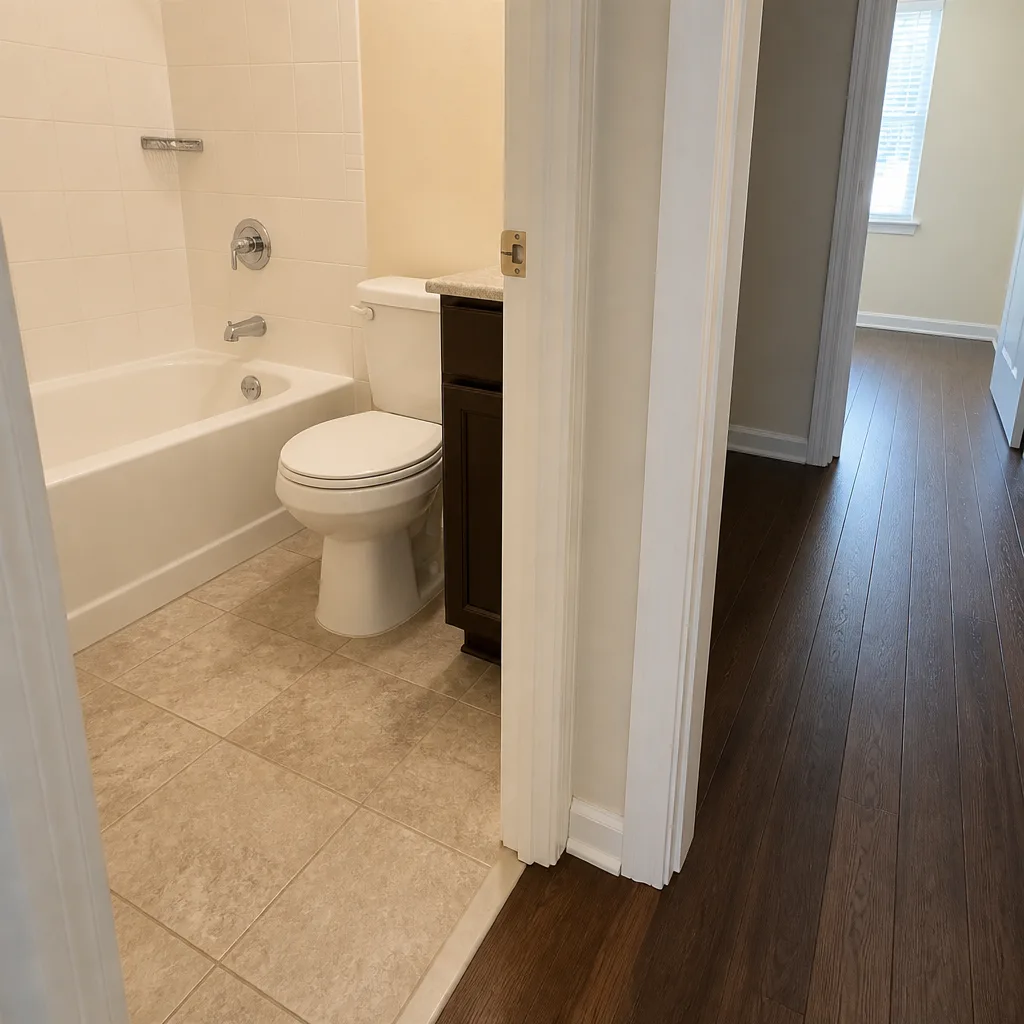
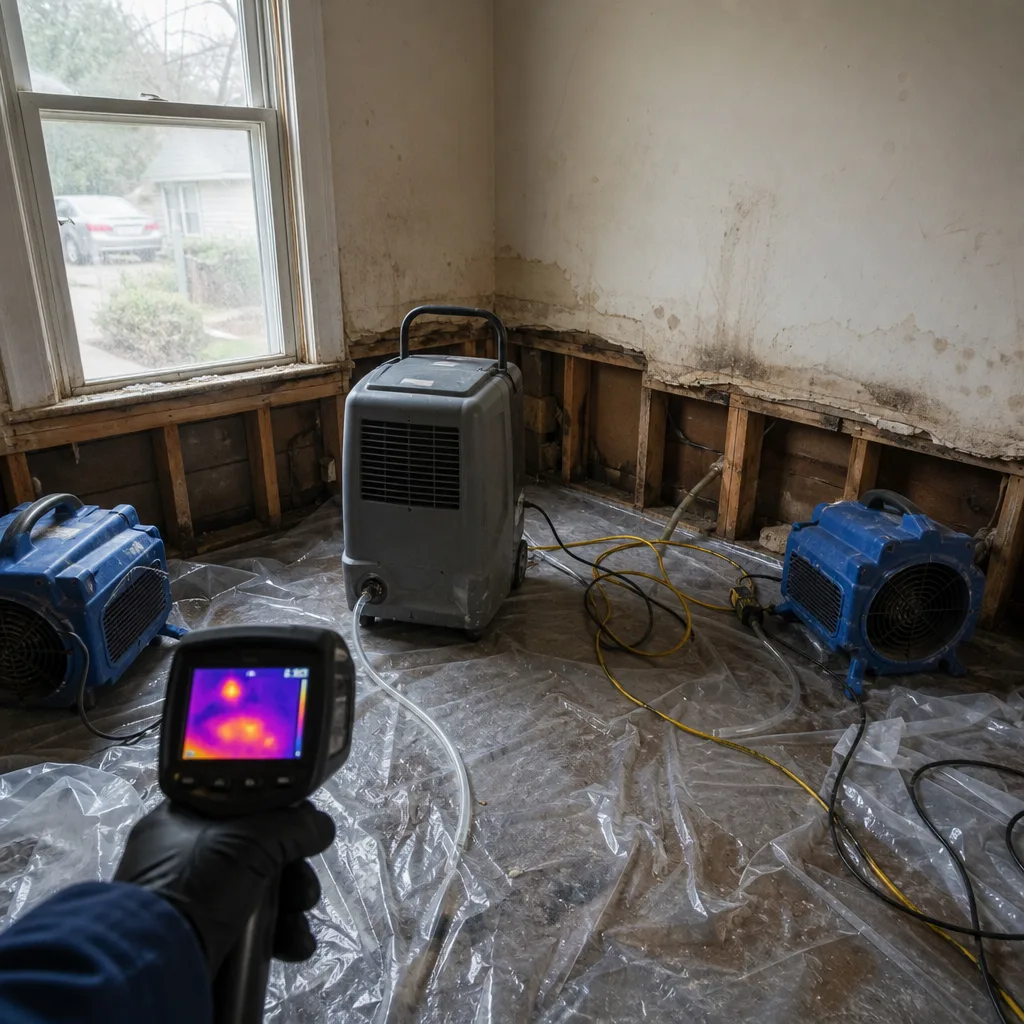 Before
 After
After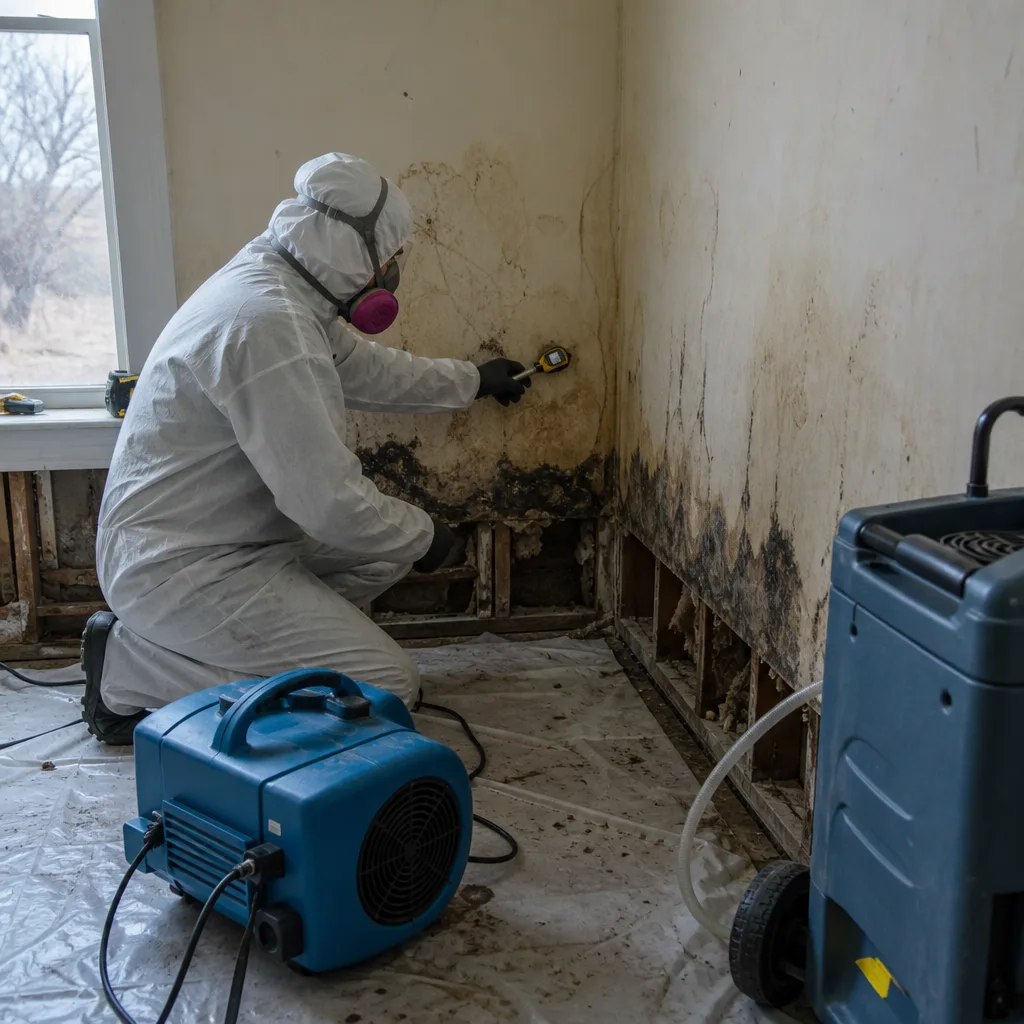 Before
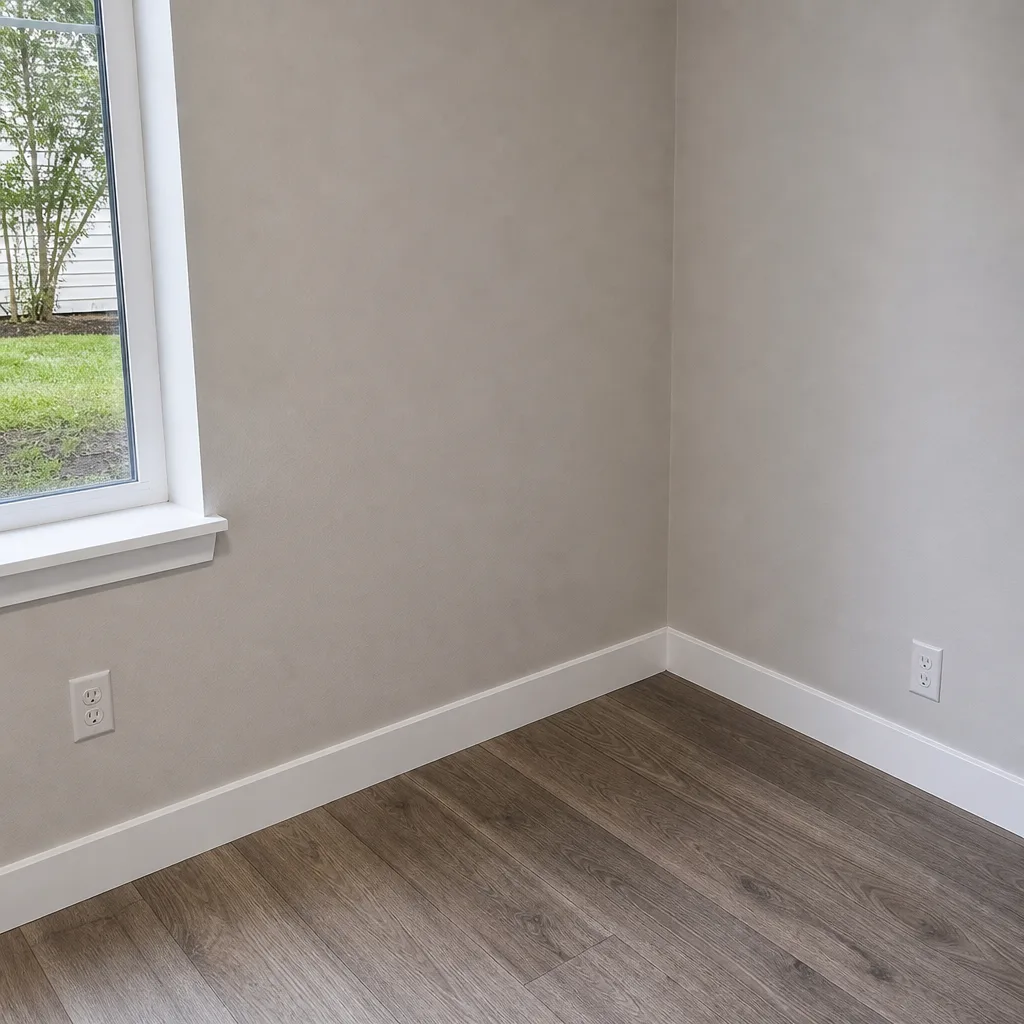 After
After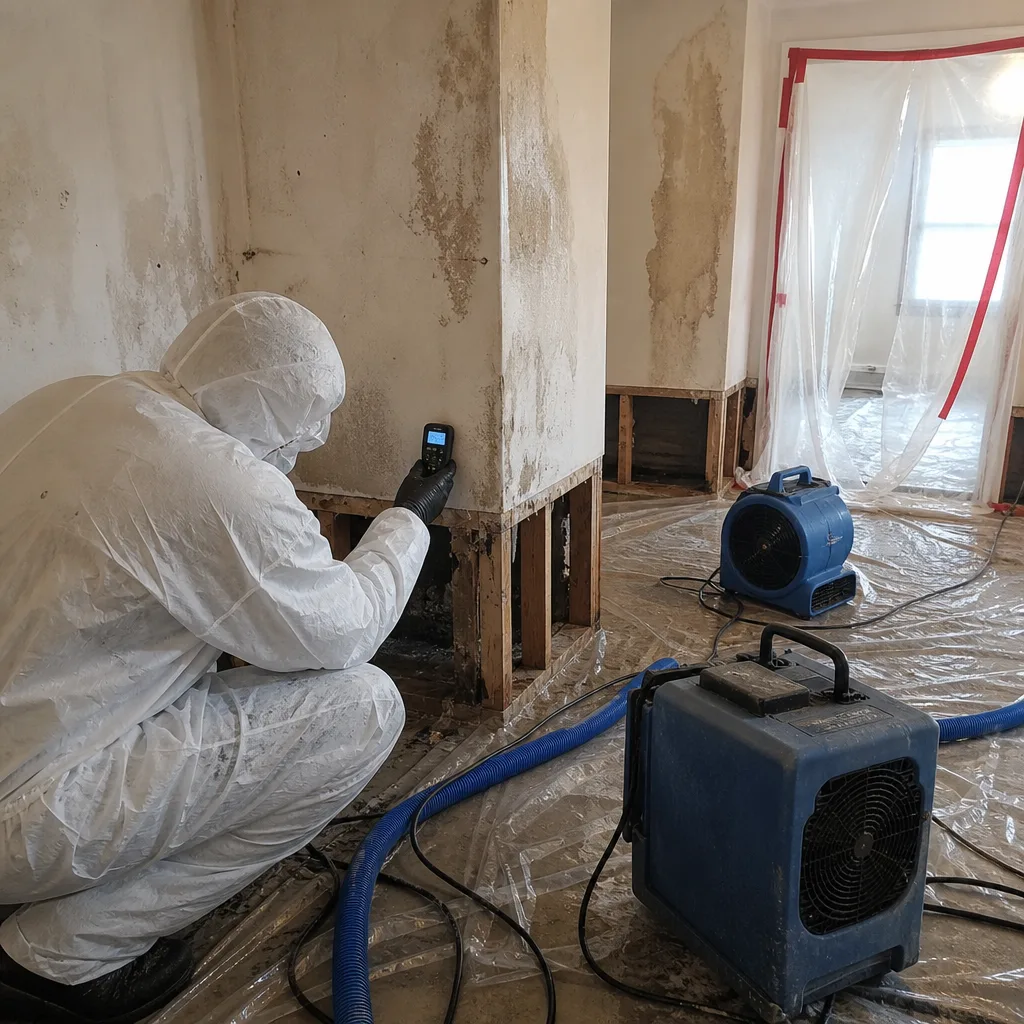 Before
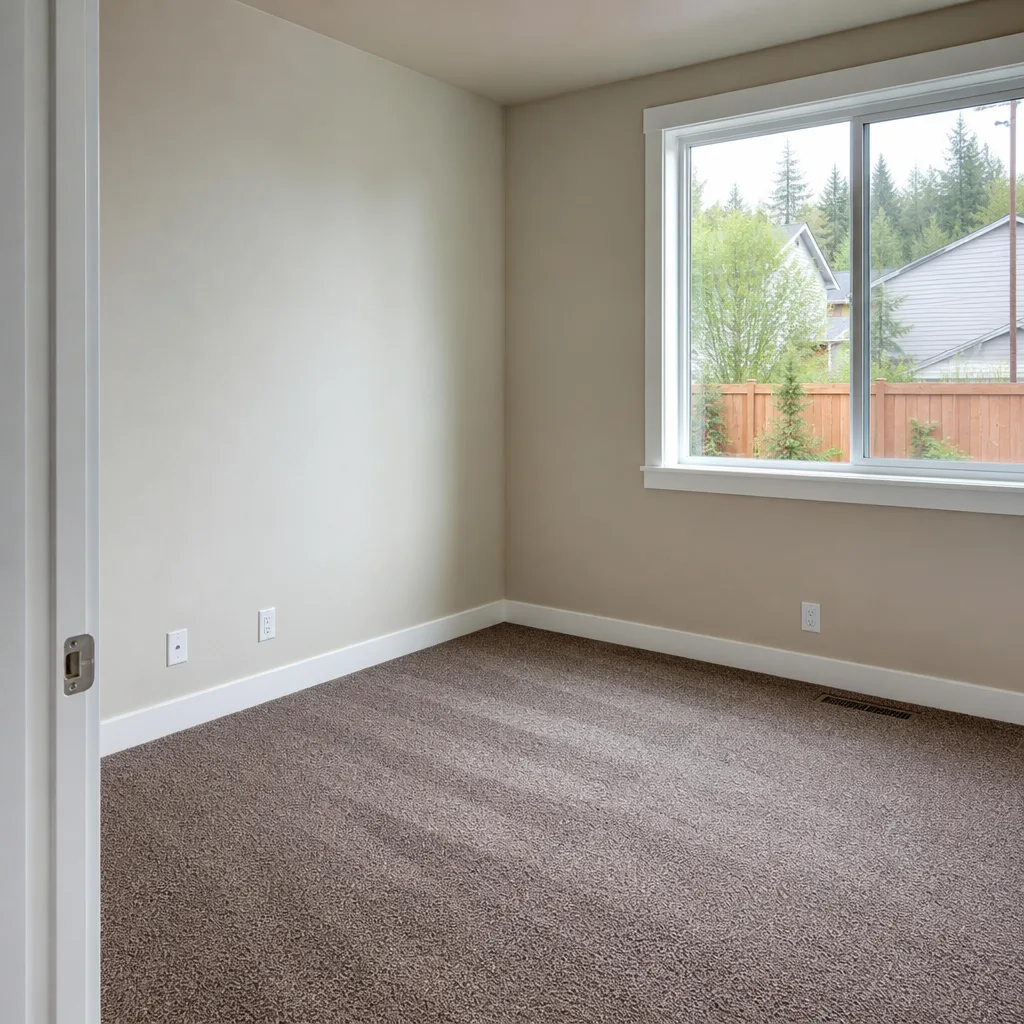 After
AfterThe Complete Guide to Damage Restoration in Marysville
Snohomish County averages over 38 inches of rainfall annually, yet the majority of disputed restoration claims in Western Washington fail not because of the damage itself, but because the paper trail stops at the estimate. In Marysville, where the Snohomish River floodplain puts entire neighborhoods under increased insurer scrutiny, a homeowner who understands the documentation chain can save thousands on a claim. This guide maps every phase of damage restoration, from the first moisture reading to the final signed warranty, so you can track each decision instead of handing your keys to a contractor and hoping. For damage restoration warning signs every Marysville homeowner should know, see our companion guide.
Quick Answer
Damage restoration costs in Marysville depend on how well each phase is documented, starting with emergency mitigation, structural drying, reconstruction, and final inspection. Each phase requires specific documentation - moisture logs, written scopes, photo records, and signed warranties - to produce a claim-ready file that insurers pay without dispute. Homeowners near the Snohomish River floodplain face additional documentation requirements due to elevated flood risk classifications.
Table of Contents
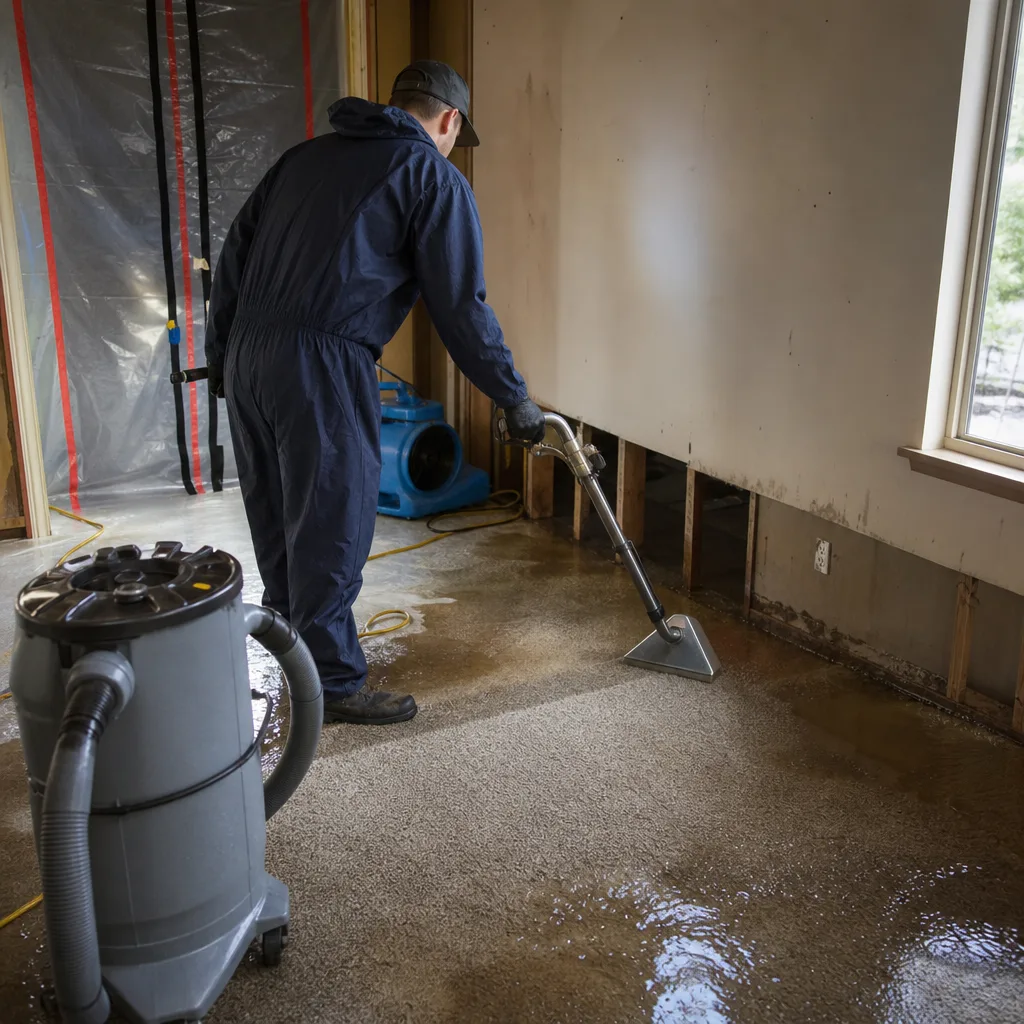
- The Four Phases of Every Restoration Project
- How Marysville’s Geography Shapes Restoration Work
- What a Written Scope Must Contain Before Work Starts
- IICRC Drying Logs vs. Handwritten Notes: Why Adjusters Care
- Restoration Terms Every Homeowner Should Understand
- Building a Claim-Ready File in Marysville
- Professional Equipment and Documentation Standards
- Common Mistakes to Avoid
- When to Call a Professional
- Frequently Asked Questions
BeforeAfterThe Four Phases of Every Restoration Project
Most homeowners in Marysville think of restoration as a single event: the day the trucks arrive. In our experience across 12,000 homes since 2011, it is actually a chain of four distinct phases, each with its own documentation requirements and decision points. Miss one link, and the claim unravels.
Phase 1: Emergency Mitigation (Hours 0-48)
This is extraction and stabilization. Standing water comes out. Contaminated materials get identified and removed. The goal is to stop the damage from spreading, not to finish the job.
Documentation required at phase close:
- Initial moisture readings for every affected material, recorded in grains per pound (GPP) or moisture content percentage
- Photo record of all visible damage before any material is disturbed
- Classification of water contamination: Category 1 (clean), Category 2 (gray), or Category 3 (black)
- Written scope of emergency work performed, with line-item pricing
In Marysville, Category 2 water events are common after heavy rain overwhelms drainage systems in neighborhoods like Sunnyside and Kellogg Marsh. The distinction matters because Category 2 requires antimicrobial treatment that Category 1 does not, and insurers deny payment when a contractor bills for treatment on misclassified water.
Phase 2: Structural Drying (Days 2-7, typically)
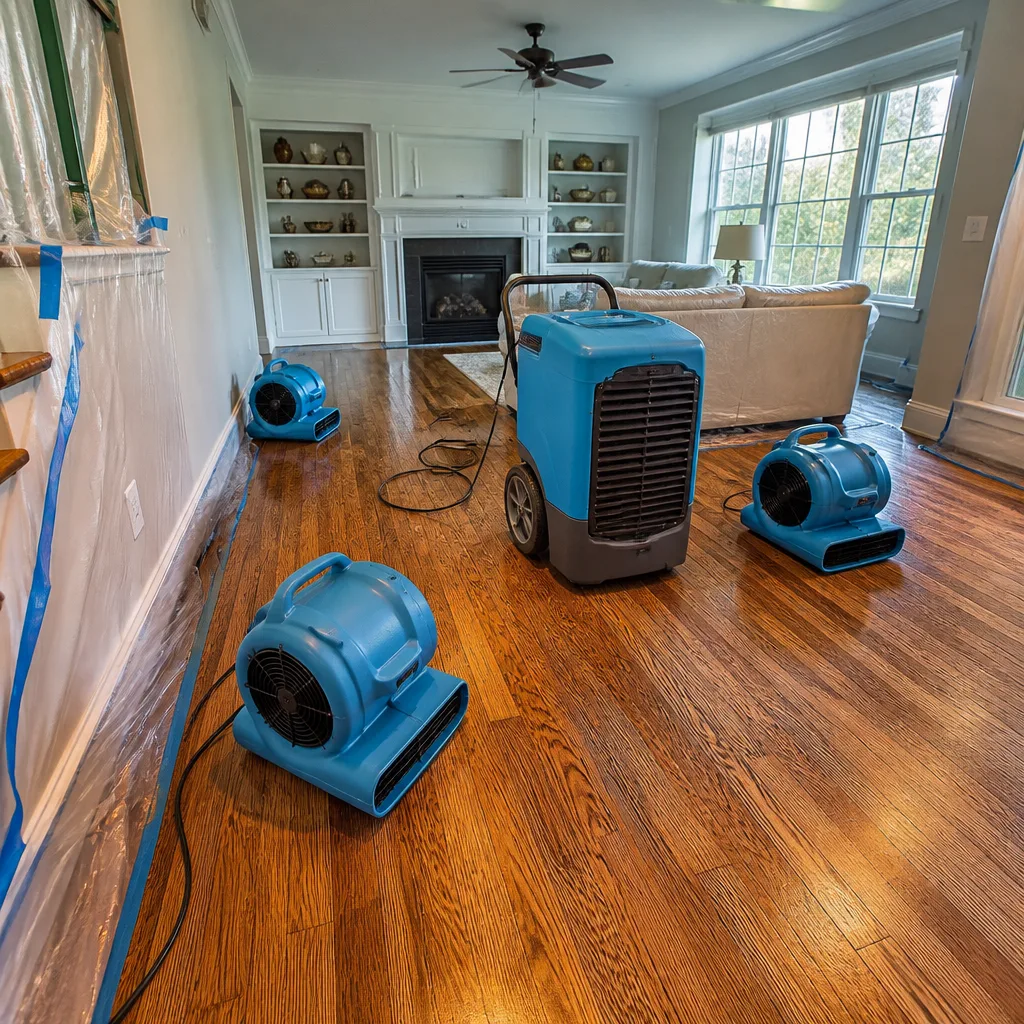
This is where most claims fail. Drying is not passive; it is a controlled process of manipulating temperature, humidity, and airflow to achieve specific moisture content targets. We use professional-grade drying systems from Dri-Eaz, Phoenix, and XPOWER, documented to IICRC, RIA, and IFA standards.
Documentation required at phase close:
- Daily psychrometric readings: temperature, relative humidity, and GPP at multiple points
- Equipment placement map showing dehumidifier and air mover locations by room
- Moisture content readings for wood, drywall, and subfloor materials, taken daily
- Photo record of drying progress at each visit
The drying log is the document that turns a restoration invoice into a payable insurance claim. We will explain why in the section below.
Phase 3: Reconstruction (Days 5-30+, variable)
Once materials reach their dry standard, reconstruction begins. This phase is scoped, scheduled, and priced in writing like a remodel - never rushed. The written scope from Phase 1 gets revised based on what the drying log revealed: materials that dried successfully versus materials that required removal.
Documentation required at phase close:
- Revised written scope with line-item pricing for all replacement materials and labor
- Photo record of completed work before final walkthrough
- Material invoices and warranty documents
Phase 4: Final Inspection and Warranty (Day of completion)
The last phase is verification, not just handoff. Moisture readings confirm the structure is dry. The photo record is complete. The warranty is signed.
Documentation required at phase close:
- Final moisture readings matching or exceeding pre-loss conditions
- Complete photo record delivered to the homeowner
- Signed 365-Day Done Right Promise under The Haven Standard
Each phase’s documentation becomes evidence for the next. A gap at any point creates an opening for insurer denial.
How Marysville’s Geography Shapes Restoration Work
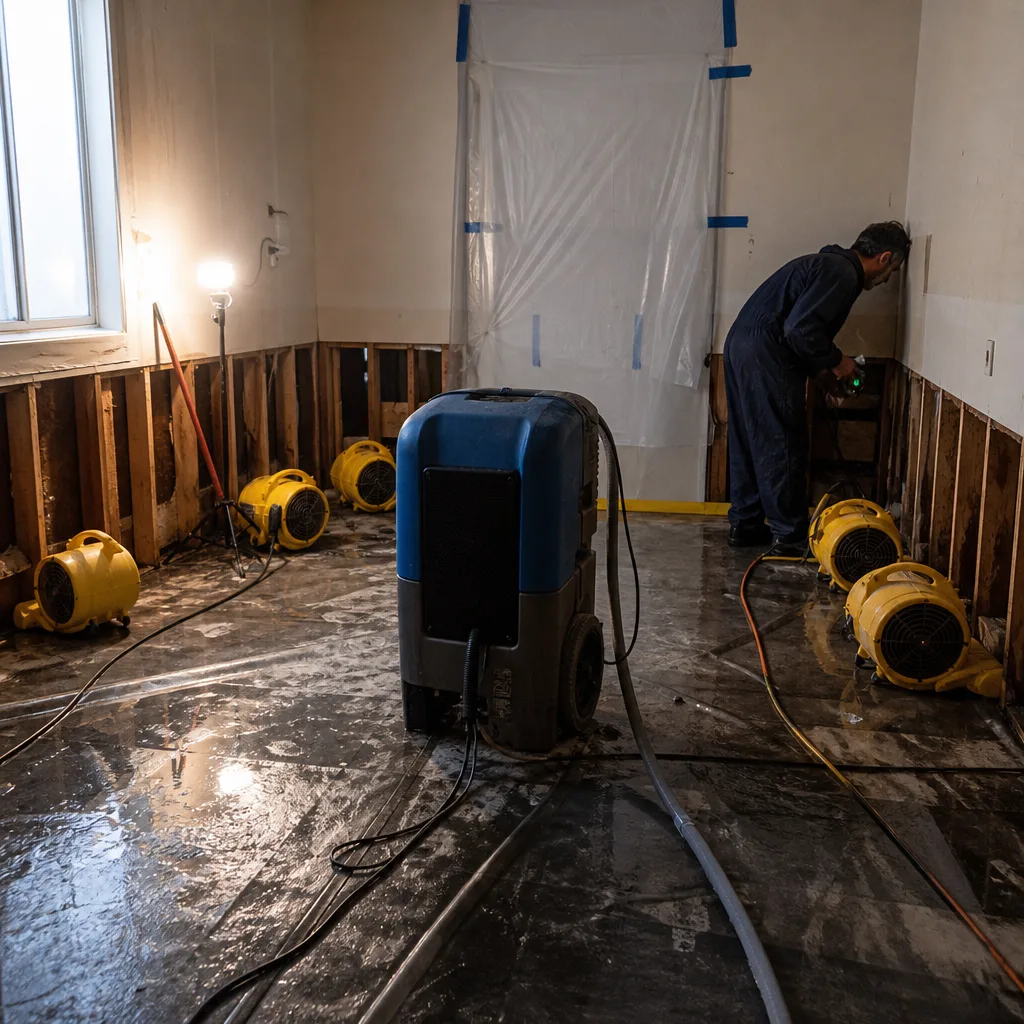
Marysville sits at the confluence of the Snohomish and Stillaguamish Rivers, with significant portions of the city lying within FEMA-designated flood hazard areas. This geography creates restoration conditions that inland Snohomish County cities do not face, and insurers know it. Washington damage restoration permits and codes add another layer of requirements in these designated zones.
Three factors specific to Marysville:
Floodplain scrutiny on water claims. Homes in neighborhoods like Delta Junction, Jennings Park near the river, and parts of Sunnyside carry flood risk classifications that trigger additional adjuster review. A water damage claim in these areas is more likely to be investigated for flood exclusion than a similar claim in Everett or Lake Stevens. The documentation standard must be higher from the first moisture reading.
Seasonal groundwater pressure. Marysville’s water table rises dramatically between November and March. We regularly see slab moisture readings in Kellogg Marsh and north Marysville that read “dry” in July but register 18-20% moisture content in January - well above the 16% threshold for wood flooring damage. A contractor who does not account for seasonal baselines will either over-dry (damaging materials) or under-dry (leaving hidden moisture).
Older infrastructure in established neighborhoods. Homes built before 1980 in central Marysville often have galvanized steel supply lines and cast iron drains that fail catastrophically. When a supply line ruptures, the water volume is higher and the pressure damage more extensive than in homes with modern PEX or copper systems. The initial scope must account for the likelihood of concealed saturation in wall cavities and subfloors.
These factors do not change the restoration process. They change the documentation burden. A Marysville homeowner who understands this enters the process with realistic expectations and sharper questions.
What a Written Scope Must Contain Before Work Starts
Haven Standard, Clause 1: a written price before work begins, every time, with no exceptions. This is not a marketing preference. It is a liability protection for the homeowner.
A verbal authorization is a liability for you, not just the contractor. Without a written scope, you have no fixed reference when the invoice arrives with line items you did not discuss. Worse, without a written scope, your insurer has grounds to challenge whether the work performed was necessary or related to the claimed event.
A proper written scope contains:
- Property identification: Address, unit number if applicable, date of loss, and source of damage (supply line, weather intrusion, etc.)
- Room-by-room damage assessment: Affected square footage, material types, and moisture readings at time of inspection
- Classification of water or damage type: Category 1/2/3 for water; Class 1-4 for fire and smoke; specific biohazard level if applicable
- Line-item scope of work: Each task named, quantified, and priced - extraction, demolition, drying equipment, antimicrobial application, reconstruction, disposal
- Equipment specifications: Dehumidifier capacity in pints per day, air mover count and placement, specialty equipment like Injectidry systems for cavity drying
- Timeline estimate: Expected duration for each phase, with the understanding that drying continues until moisture targets are met, not until a calendar date
- Payment terms: Deposit if any, billing schedule, direct insurance billing arrangement if applicable
- Documentation deliverables: What records the homeowner receives and when - daily drying logs, photo records, final moisture readings, warranty documents
In Marysville, we also note whether the property falls within a floodplain zone, as this affects both the documentation standard and the potential need for flood-specific assessment. A written scope that omits this context leaves the homeowner exposed if the insurer later questions whether the damage was flood-related.
The scope must be signed by both parties before equipment is placed or demolition begins. Any contractor who begins work on verbal authorization alone is asking you to carry the documentation risk.
IICRC Drying Logs vs. Handwritten Notes: Why Adjusters Care
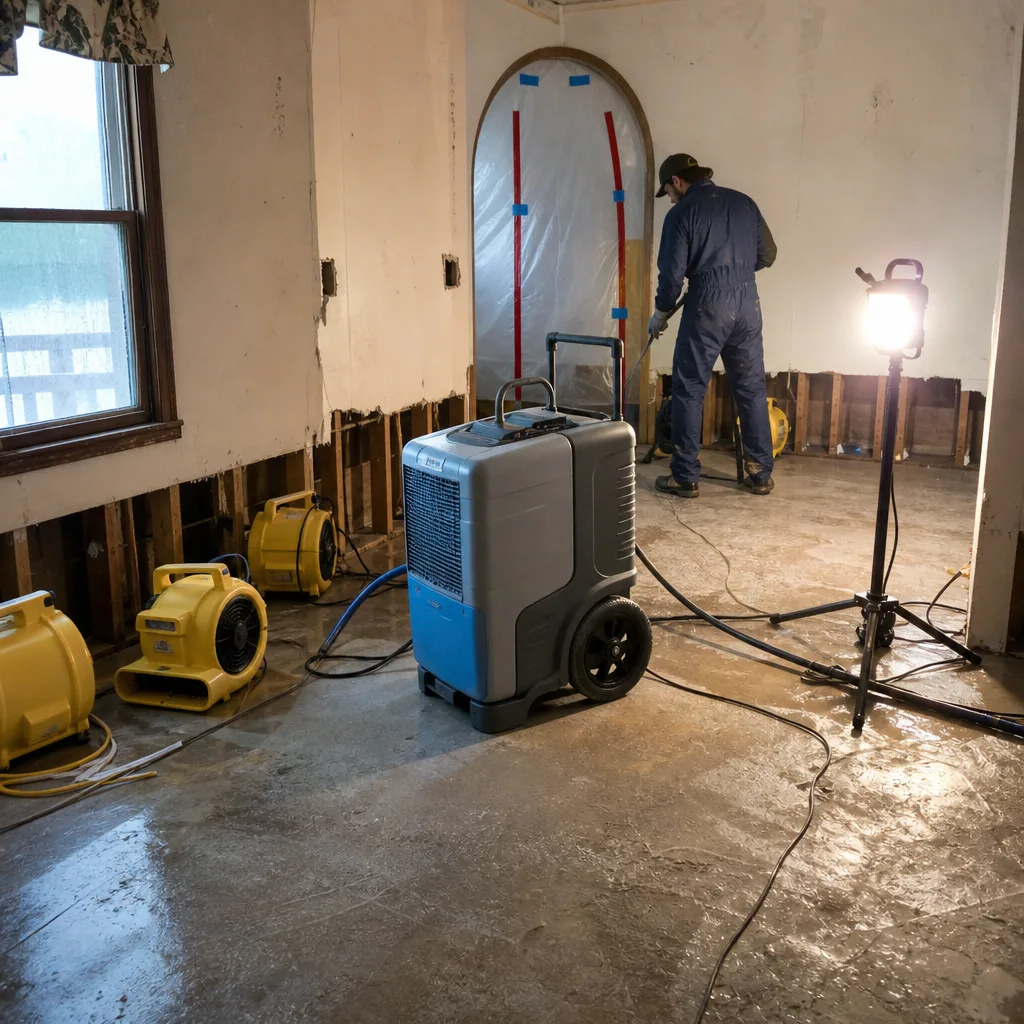
The daily drying log is the single most disputed document in water damage claims. Adjusters see thousands of them. They know the difference between a log that will survive review and one that will not.
An IICRC S500-compliant drying log contains:
- Date and time of each visit, with technician name and certification number
- Psychrometric data: temperature, relative humidity, and GPP readings at a defined location, typically at the center of the affected area and at the dehumidifier intake
- Vapor pressure differential between the affected materials and the ambient air - the measurable force that drives moisture out of wet materials
- Moisture content readings for each affected material, with the dry standard target noted
- Equipment inventory: make, model, and serial number of each dehumidifier and air mover, with runtime hours
- Adjustments made: equipment added, removed, or repositioned, with rationale
- Photo references linking to the visual record for that date
A contractor’s handwritten note, by contrast, might read “Checked house, drying good.” This provides no evidence that drying was occurring, no data to justify the equipment rental charges, and no defense if an insurer alleges that excessive moisture caused secondary damage.
We document every job to IICRC, RIA, and IFA standards using equipment from Dri-Eaz, Phoenix, and XPOWER. The serial numbers go in the log. The photos are date-stamped. When an adjuster reviews the file, they find the same documentation they would produce themselves.
The practical difference: a compliant drying log turns a 45-day payment delay into a 10-day payment. For a Marysville homeowner carrying a deductible and temporary housing costs, that timing matters.
Restoration Terms Every Homeowner Should Understand
Your restoration file will contain technical language. You do not need to become a technician, but you need to read your own file with enough fluency to spot gaps. Here are the terms that appear most often in disputed claims.
GPP (Grains Per Pound): A measure of absolute humidity - the actual weight of water vapor in a pound of air. We target specific GPP reductions to prove that dehumidification is working. A reading of 90 GPP dropping to 55 GPP over three days is evidence; “feels drier” is not.
Psychrometric data: The complete set of measurements - temperature, relative humidity, GPP, dew point, and vapor pressure - that describes the state of air in a drying environment. Technicians use this data to calculate how much moisture the air can still hold, which determines equipment sizing.
Vapor pressure differential: The difference in pressure between moisture in wet materials and moisture in the surrounding air. Drying only occurs when this differential favors movement from material to air. We measure and manipulate this, not guess at it.
Category 1, 2, and 3 water: Clean water from a supply line (Category 1); gray water with chemical or biological contamination, such as dishwasher discharge or sump pump failure (Category 2); black water with sewage or flooding from outside the building (Category 3). The category determines antimicrobial requirements, disposal protocols, and whether certain materials can be salvaged.
Class 1-4 water damage: The extent of wet area and evaporation potential. Class 1 is minimal absorption; Class 4 is deep saturation in low-permeance materials like plaster or hardwood. Class determines equipment count and drying duration.
Tertiary drying: The final phase of drying where low-permeance materials release bound moisture slowly. This is where many contractors remove equipment too early, leaving moisture that causes mold or structural damage months later.
Dry standard: The moisture content percentage that a specific material should hold in that geographic region under normal conditions. In Marysville, the dry standard for Douglas fir framing is typically 10-12%, but this varies seasonally. A contractor who uses a national average instead of local baseline data will misjudge completion.
Injectidry system: A specialized drying system that forces dry air into wall cavities and under flooring through injection ports. Essential for Class 4 losses and cavity saturation, but useless without proper monitoring - which is why the drying log matters.
When a contractor uses these terms in your written scope and defines them in plain language, you have evidence of professional competence. When they do not appear at all, ask why.
Building a Claim-Ready File in Marysville
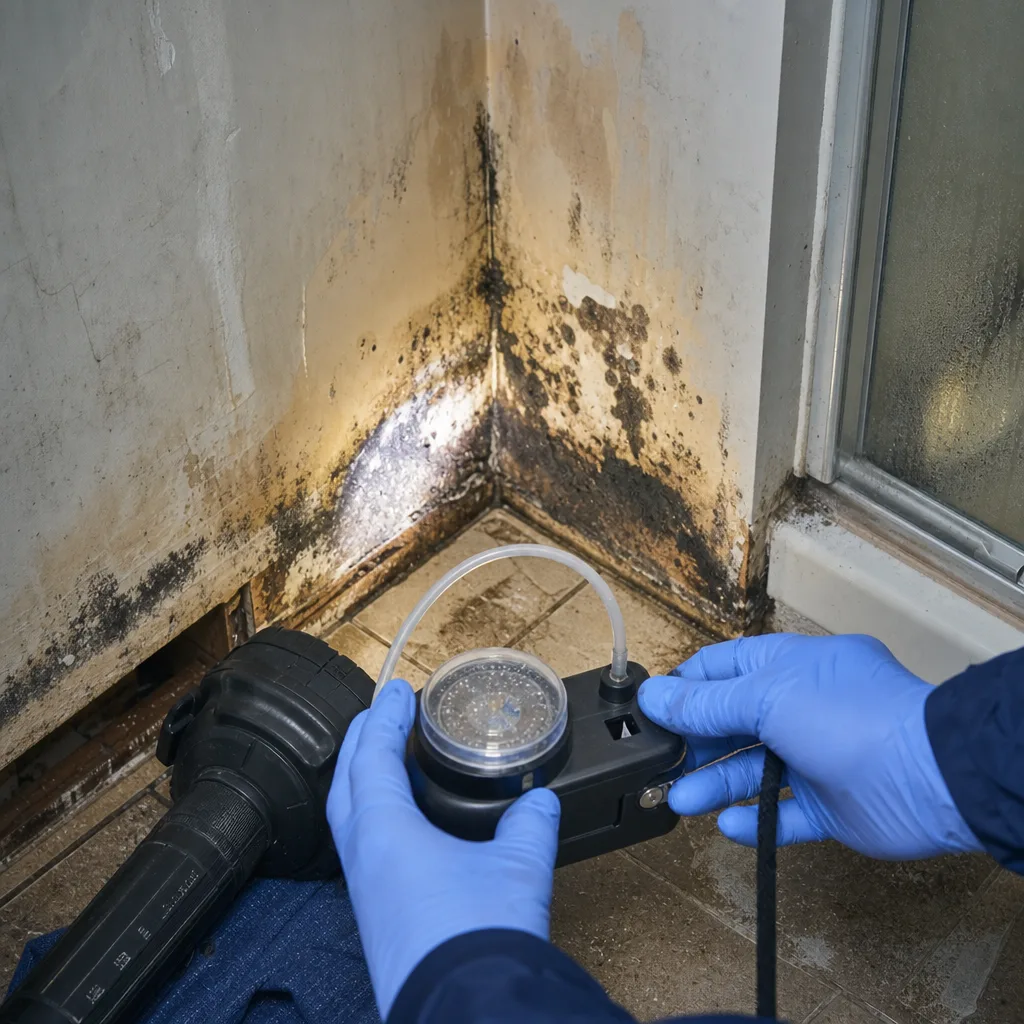
Insurers do not deny claims because the damage was too severe. They deny claims because the documentation does not prove that the billed work was necessary, related to the claimed event, and performed to accepted standards.
A claim-ready file contains, in order:
- Proof of loss documentation: Photos of the damage before any work begins, with timestamps. Video walkthrough if possible.
- Written scope and authorization: The signed document from Haven Standard, Clause 1, with line-item pricing.
- Daily drying logs: IICRC-compliant records with psychrometric data, moisture readings, and equipment inventory.
- Photo record on every visit: Date-stamped images of drying progress, equipment placement, and any changes to the scope.
- Material invoices and warranties: Proof of what was installed, when, and by whom.
- Final inspection record: Moisture readings confirming dry standard achievement, signed by technician and homeowner.
- Signed warranty: The 365-Day Done Right Promise under The Haven Standard.
In Marysville, we also recommend including FEMA flood zone documentation if the property lies within or near a floodplain. This pre-empts the insurer’s first question and demonstrates that the homeowner has already considered the distinction between water damage and flood damage.
Direct adjuster coordination is part of our standard process, not an upsell. We provide the documentation package to your adjuster in the format their review system requires, which reduces back-and-forth and accelerates payment. Photo documentation is included as a standard deliverable on every job.
Professional Equipment and Documentation Standards
The equipment on your job is not interchangeable. A residential dehumidifier from a hardware store removes perhaps 30 pints per day under ideal conditions. The Phoenix 200 HT or Dri-Eaz LGR 7000XLi units we deploy remove 130-235 pints per day, with performance data logged to the drying record.
Equipment we use and document:
- Low-grain refrigerant (LGR) dehumidifiers: Phoenix and Dri-Eaz units that maintain performance even as humidity drops, essential for tertiary drying
- Air movers: XPOWER and B-Air units positioned to create controlled airflow patterns, not random circulation
- Injectidry systems: For cavity drying in walls, ceilings, and hardwood flooring where surface drying is insufficient
- Thermal imaging cameras: To identify moisture migration patterns invisible to visual inspection
- Moisture meters: Pin and pinless models for different material types, with calibration records
Each piece of equipment is logged by make, model, and serial number in the daily drying log. This serves two purposes: it proves the equipment was actually on site (not billed but not deployed), and it allows calculation of total water removal capacity versus the moisture load - the math that justifies rental duration.
All work is documented to IICRC, RIA, and IFA standards. These are not brand names; they are the professional organizations that establish the protocols insurers expect. A contractor who cannot name their standards is not following any.
Common Mistakes to Avoid
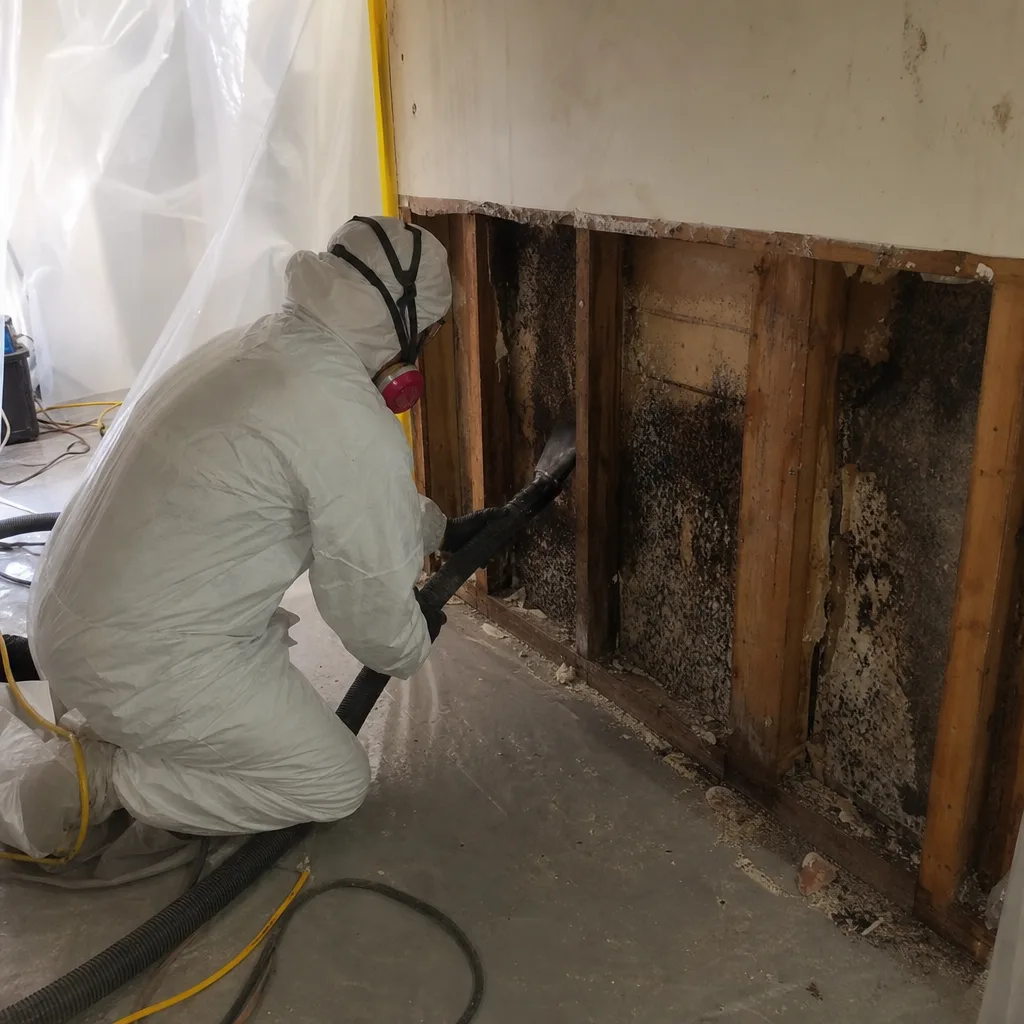
- Authorizing work verbally. In Marysville, as elsewhere, a verbal agreement leaves no fixed reference when the invoice arrives. Insurers routinely reduce payment by 30-50% when the scope was not written and signed before work began.
- Accepting a single moisture reading. One reading proves nothing. Drying requires trend data - multiple readings showing progressive moisture reduction. A contractor who shows you one number and declares the job done is either inexperienced or cutting corners.
- Ignoring seasonal baselines. Marysville’s winter moisture baselines run 4-6% higher than summer baselines for the same materials. A contractor using July dry standards in January will over-dry and damage materials, or under-dry and leave hidden moisture.
- Confusing mitigation with reconstruction. These are separate phases with separate documentation requirements. A contractor who bundles them into one vague invoice is making your claim harder to defend.
- Discarding documentation. Keep every record for at least three years after final payment. Insurers can reopen claims, and secondary damage can appear months later. The file you kept is your only defense.
- Hiring based on speed alone. Emergency mitigation requires rapid response, but reconstruction is scoped, scheduled, and priced in writing. A contractor who promises same-day reconstruction is promising sloppy documentation.
- Failing to verify floodplain status. Marysville properties near the Snohomish River may carry flood exclusions that standard water damage coverage does not address. Know your status before you file, or your claim may be denied on a technicality you could have anticipated.
When to Call a Professional
Some situations permit measured response; others require immediate professional intervention. Call for emergency mitigation when: standing water exceeds what a wet-dry vacuum can remove; water has contacted electrical panels or outlets; sewage or outside flooding is involved; the water source is still active; or any occupant has respiratory conditions and mold is suspected.
For reconstruction and non-emergency assessment, schedule a written scope review. This is not a sales call; it is a documentation appointment where we inspect, measure, and produce the written price that Haven Standard, Clause 1 requires before any work begins.
DryMark Restoration Marysville offers free estimates in Marysville - call (360) 822-3055. We also provide a Free Second Opinion on any competitor’s written estimate at no charge.
Frequently Asked Questions
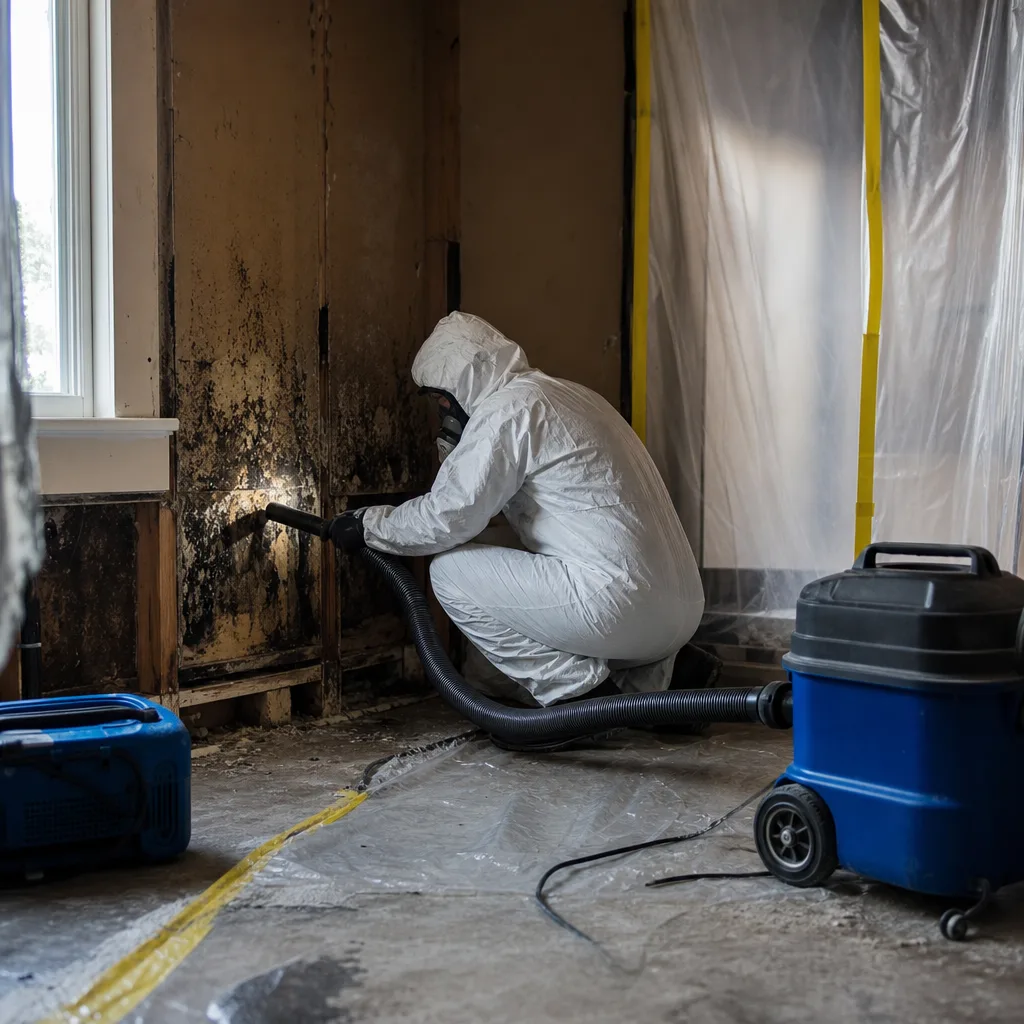
Water damage mitigation typically ranges from $1,200 for limited Category 1 extraction to $8,500+ for extensive Category 2 or 3 losses with cavity drying requirements. Reconstruction is priced separately based on material and labor scope. Every job receives a written price before work begins under Haven Standard, Clause 1. Call (360) 822-3055 for an exact quote - estimates are free.
Most homeowners policies cover sudden and accidental water damage from internal sources, such as burst pipes or appliance failures. Flood damage from outside the building requires separate flood insurance. In Marysville, properties near the Snohomish River floodplain face additional scrutiny; documentation quality often determines whether a claim is paid or disputed. We provide photo-documented assessments and direct adjuster coordination as part of our standard process.
Emergency mitigation requires immediate response, and our live dispatch answers every call 24 hours a day, 7 days a week with no voicemail trees. Reconstruction is scheduled after written scope approval, not dispatched for same-day arrival. The distinction matters: speed belongs to mitigation, not to priced construction work.
Category 1 water in a small, accessible area with prompt response can sometimes be handled by a homeowner with proper equipment. Category 2 or 3 water, any suspected mold, fire or smoke damage, or contamination in wall cavities requires professional intervention. High-tension garage door springs, electrical panels, and gas lines present genuine safety hazards; we recommend trained professionals for any work involving these components.
A Dri-Eaz LGR 7000XLi removes up to 235 pints per day at low humidity levels and logs performance data to the drying record. Hardware store units remove 30-50 pints under ideal conditions and produce no documentation. For a Marysville home with saturated subflooring or cavity moisture, the rental unit will not achieve dry standard in time to prevent secondary damage, and it will produce no evidence for your insurer.
We coordinate directly with adjusters as part of our standard documentation process, providing the formatted records their review systems require. You remain the policyholder and final decision-maker, but you do not need to become the document manager. Our daily drying logs, photo records, and written scopes are designed for adjuster review from the first entry.
The Bottom Line
Damage restoration in Marysville is not a single event but a documented chain of decisions. Each phase - mitigation, drying, reconstruction, final inspection - produces specific records that either support or undermine your insurance claim. The homeowners who fare best are not those who found the fastest contractor; they are those who tracked every link in the chain, from the first moisture reading to the signed warranty. Geography matters here: Marysville’s floodplain status, seasonal water table, and older infrastructure create documentation requirements that generic restoration advice does not address. Understand your file, verify your scope, and demand the records that prove the work was done.
Written by Alicia Brennan, Owner at DryMark Restoration Marysville, serving Marysville since 2011.