
Last updated September 23, 2026
Free visual inspection and a written scope of work before any mitigation begins - photos, moisture readings, and drying logs go in your claim file
The scope we write is the scope we bill. Anything new gets shown to you, in writing, before we touch it.
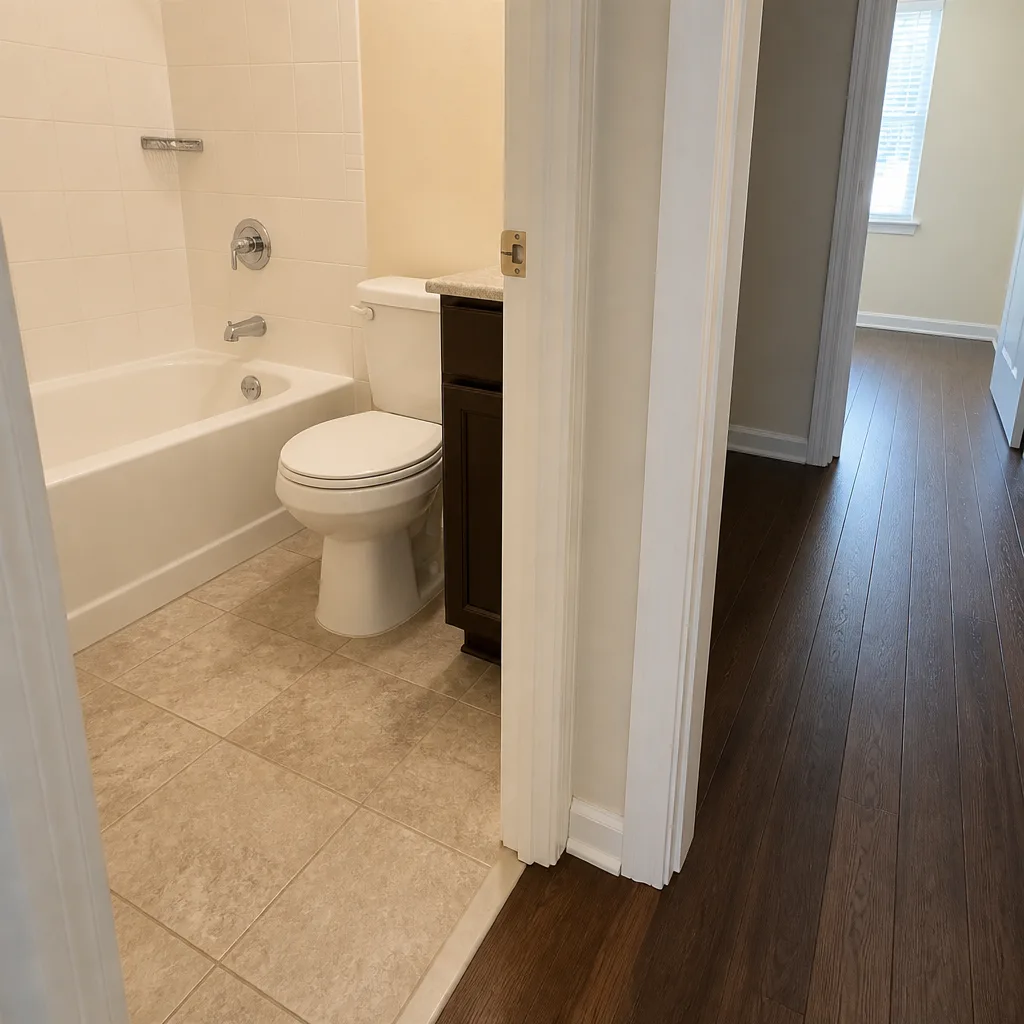
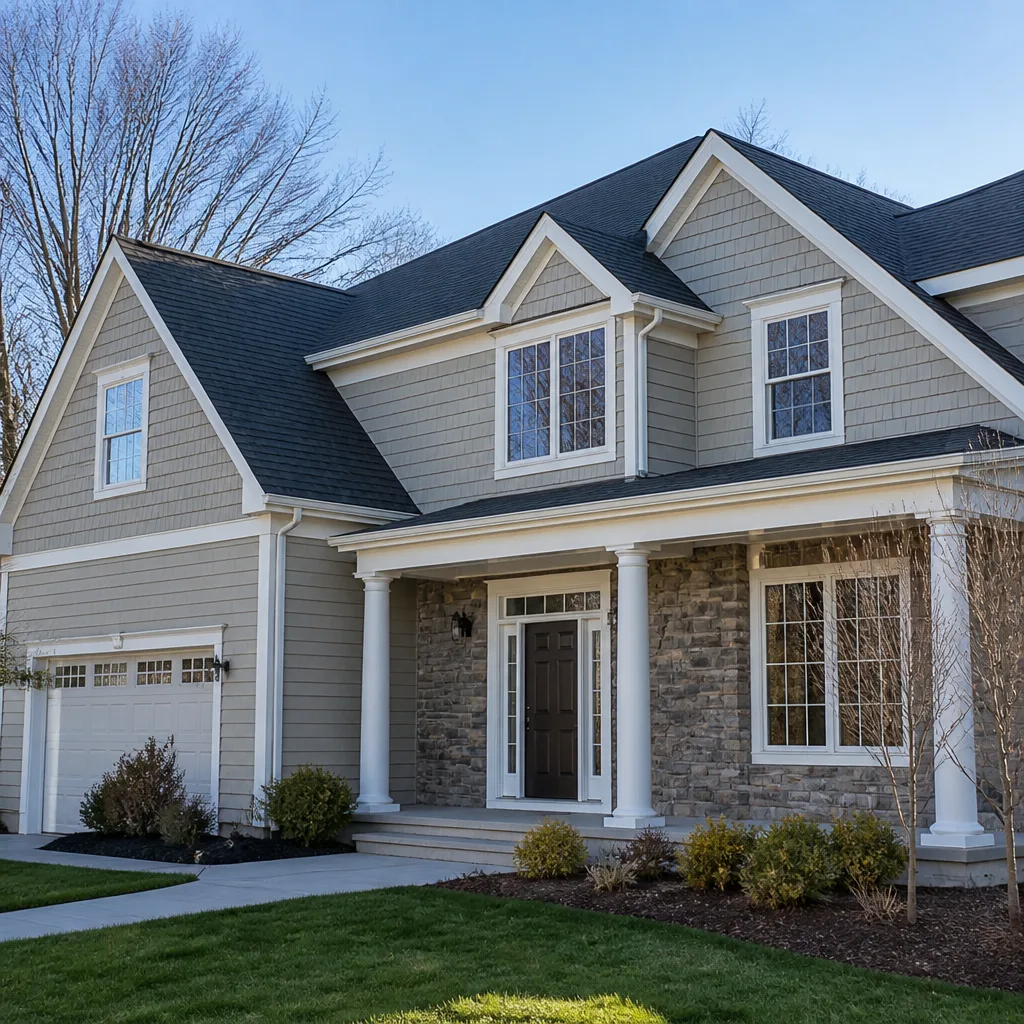
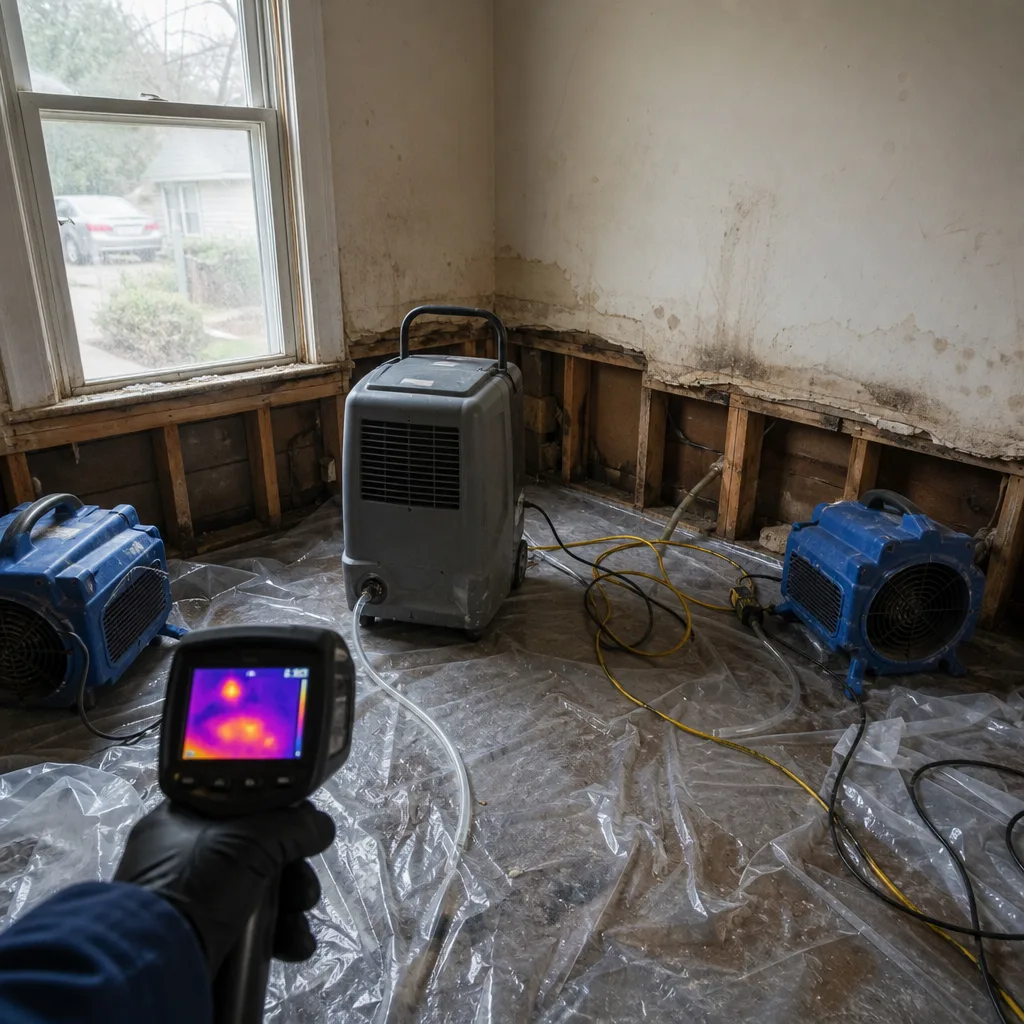 Before
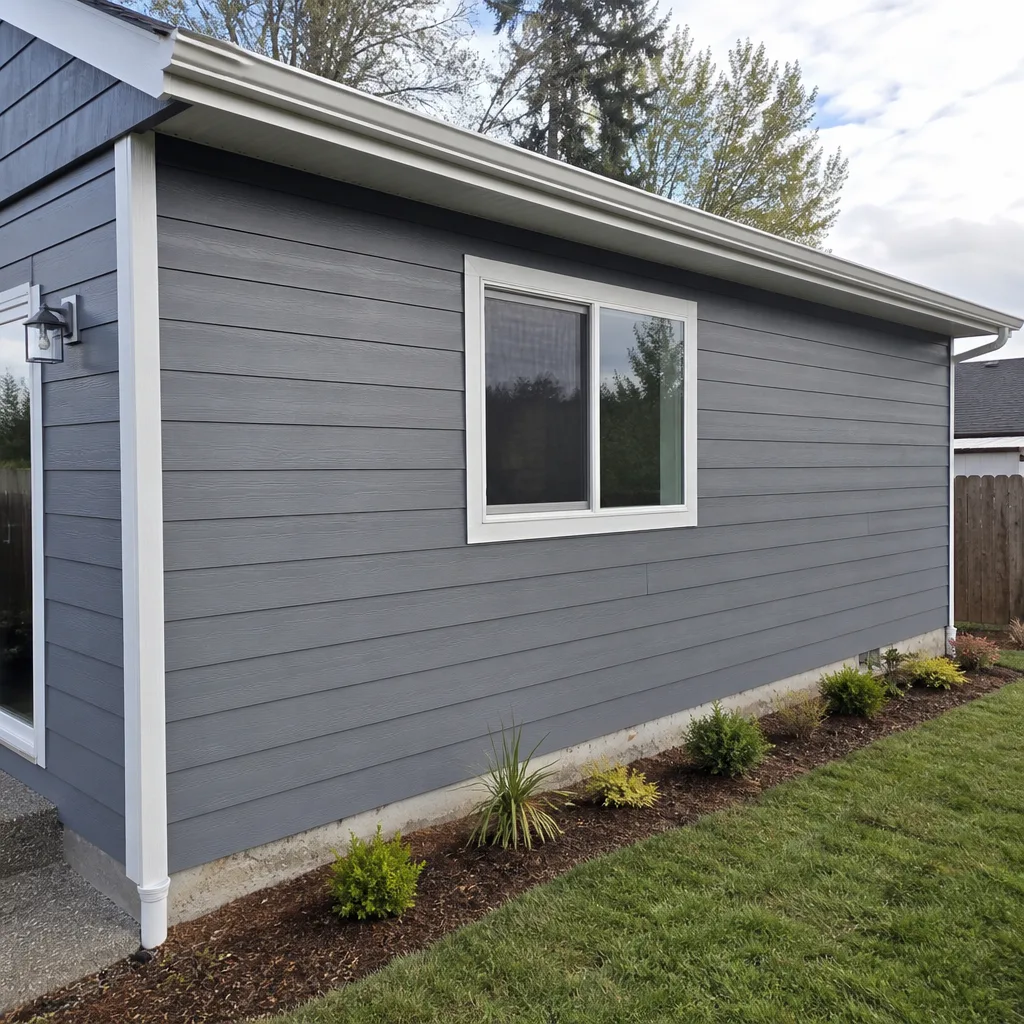 After
After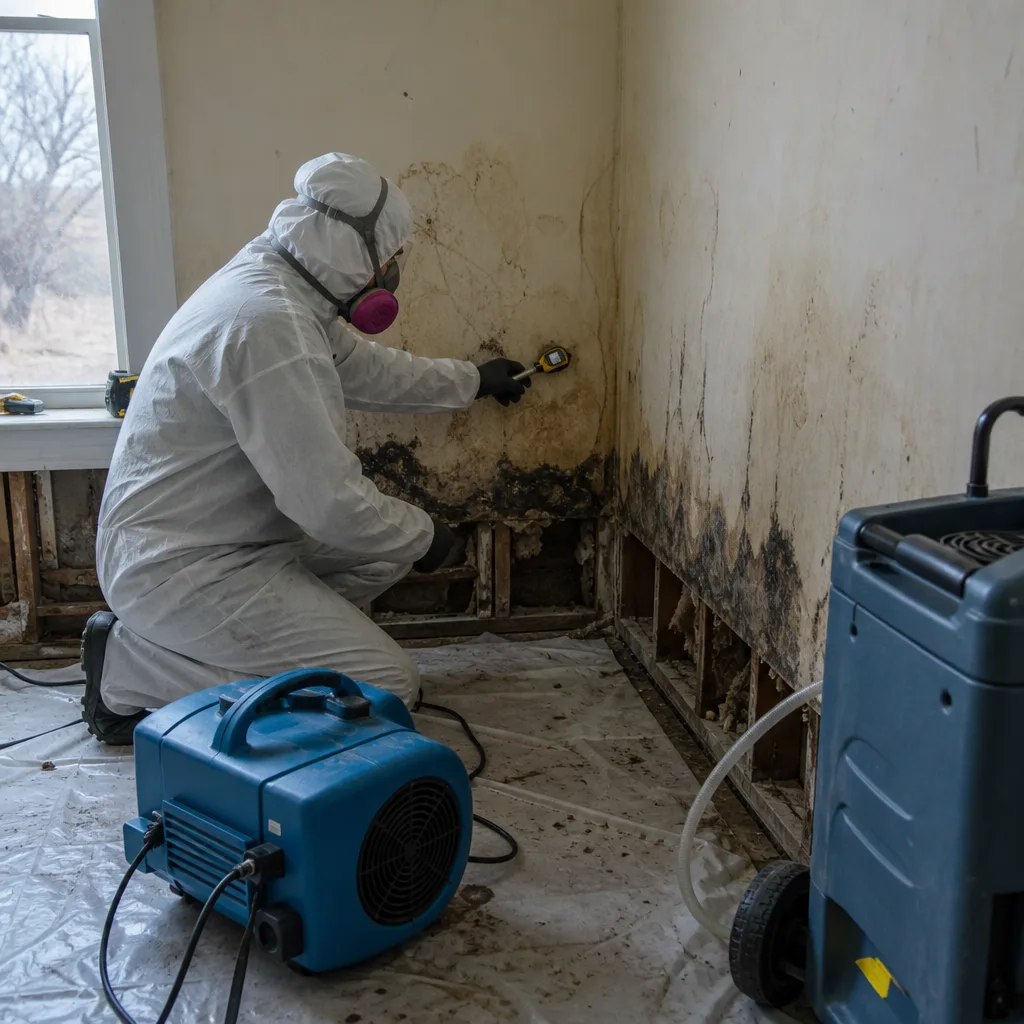 Before
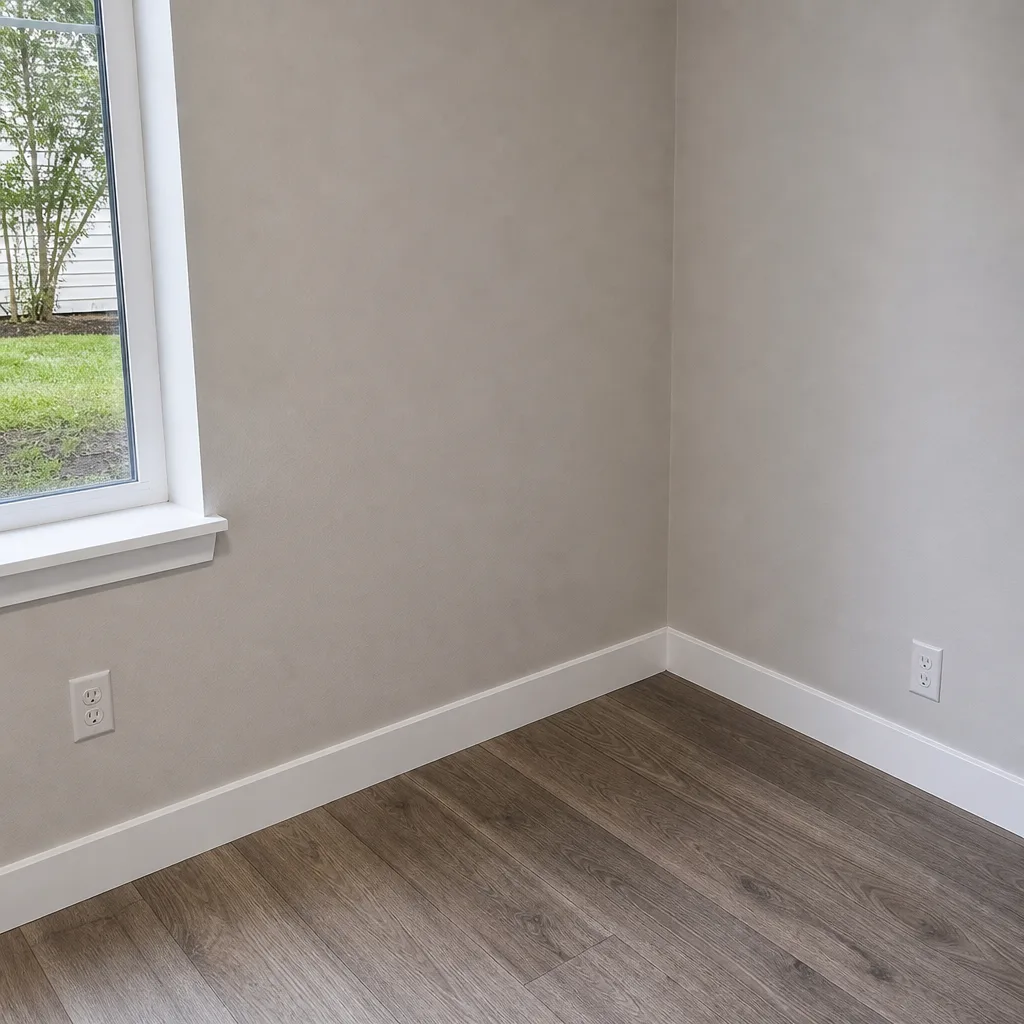 After
After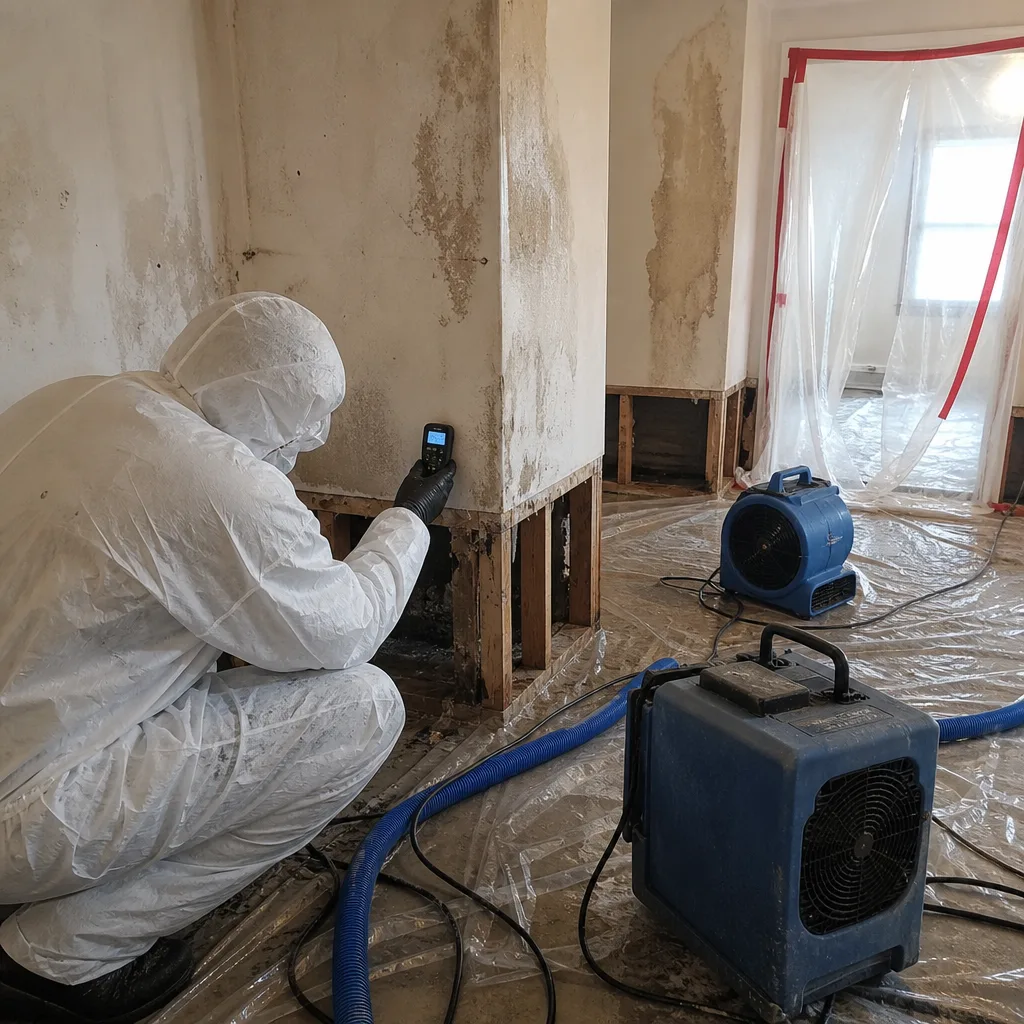 Before
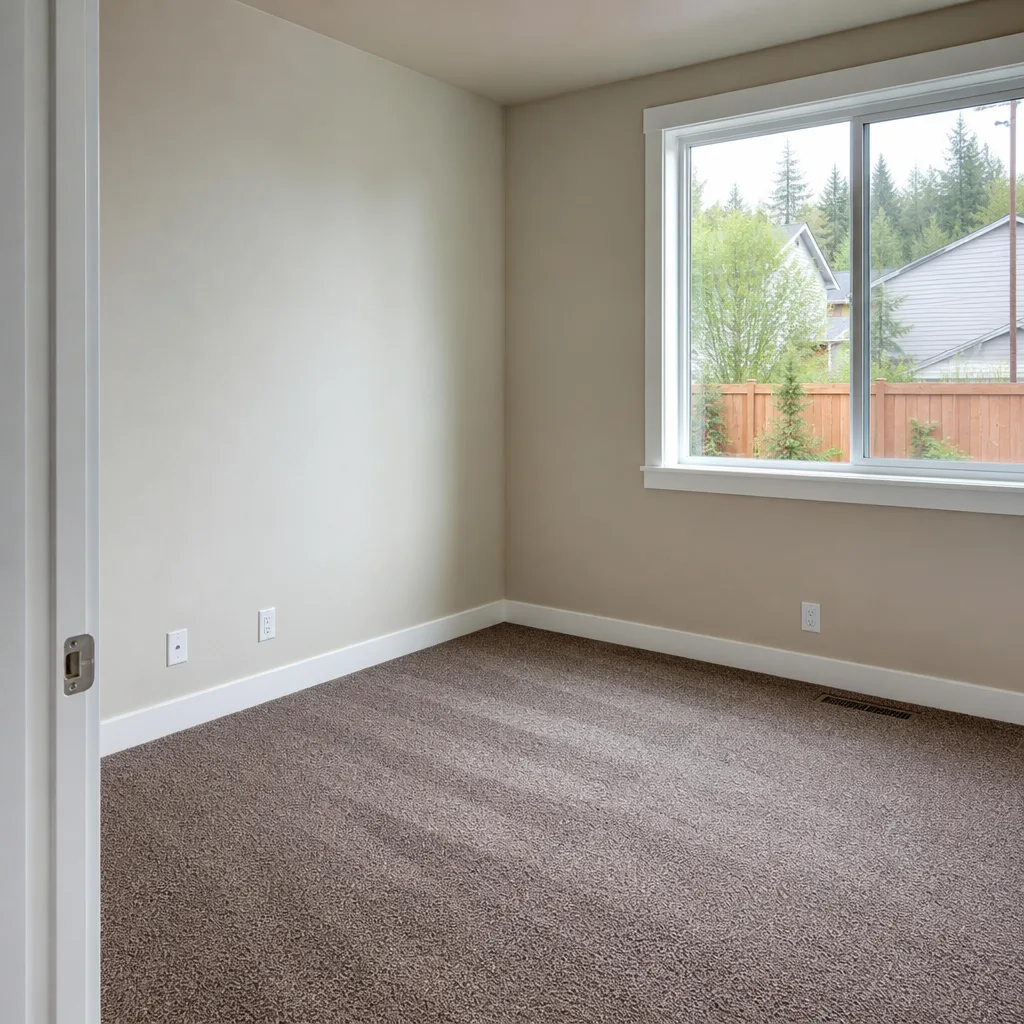 After
AfterDamage Restoration Cost Breakdown: The Marysville Homeowner’s Reference for 2026
The single most common reason a restoration invoice is reduced by an adjuster in Washington State is not fraud. It is line items billed at national average rates for work performed at regional market rates, a gap a documented, local scope of work closes immediately. In Marysville, where labor costs run 12-18% below Seattle metro averages but equipment mobilization distances can push per-day rates higher, that gap shows up on nearly every undisputed claim we’ve reviewed since 2011. This guide translates Xactimate pricing logic into plain numbers you can check against any estimate, shows what legitimate cost multipliers look like in Snohomish County, and explains how to read a written scope before signing it.
Quick Answer
Water damage restoration in Marysville typically ranges from $1,200 for a contained Category 1 extraction and dry-out to $8,500+ for Category 3 flooding with full structural drying, content pack-out, and reconstruction. Mold remediation averages $15-30 per square foot of affected area, while fire and smoke restoration starts around $4,500 for light damage and scales with square footage and content involvement. Every legitimate estimate should itemize unit quantities, equipment counts, and daily rates in writing before work begins.
Table of Contents
- How Xactimate Pricing Works in Marysville
- Water Damage Restoration Costs: Marysville 2026
- Mold Remediation Pricing Per Square Foot
- Fire & Smoke Damage Restoration Costs
- Legitimate Cost Multipliers vs. Inflated Add-Ons
- Reading a Written Scope Before You Sign
- Washington Insurance Supplements and Documentation Triggers
- Common Mistakes to Avoid
- When to Call a Professional
- Frequently Asked Questions
BeforeAfterHow Xactimate Pricing Works in Marysville
Xactimate is the pricing database most insurance carriers and established restoration companies use to build estimates. It sets rates by geographic region, not by city, and Marysville falls within the Seattle-Tacoma-Bellevue Core Based Statistical Area. That matters because the database applies a regional labor rate that reflects King County wages more than Snohomish County realities, then adjusts for material costs and equipment rental benchmarks.
Here’s what that means in practice. A water technician’s hourly labor rate in Xactimate’s 2026 database for our region runs approximately $52-58 per hour. In Marysville, actual prevailing wages for IICRC-certified technicians tend closer to $44-50 per hour. The database also assumes equipment can be sourced within 15 miles. For jobs north of 88th Street NE or east of Soper Hill Road, the nearest large-equipment depot may be 25-30 miles away in Everett or Lynnwood. A company that documents actual mobilization mileage and fuel costs can justify a supplemental charge; one that simply marks up the base rate without explanation creates an adjuster red flag.
Three elements control every Xactimate line item:
- Unit cost: The base price for one unit of work (one square foot of drying, one linear foot of baseboard removal, one hour of technician labor).
- Quantity: The measured count of units, derived from moisture mapping and structural assessment, not guesswork.
- Factor codes: Multipliers for conditions like after-hours response, confined-space work, or hazardous material handling.
The homeowner’s protection lies in demanding the quantity measurements. A written scope that lists “12 air movers @ $23/day x 4 days” can be verified against the drying log. A scope that reads “drying equipment: $1,104” cannot. At DryMark Restoration Marysville home, every estimate breaks out unit, quantity, and duration before any work starts. Haven Standard, Clause 1.
Regional variation also affects material costs. Gypsum wallboard in Marysville tracks close to national averages, but Pacific Northwest moisture conditions mean we see more cement board and mold-resistant greenboard specified in water damage rebuilds. Those materials carry higher unit costs, and an estimate that substitutes standard board without noting the environmental reason is either cutting corners or inviting future failure.
Water Damage Restoration Costs: Marysville 2026
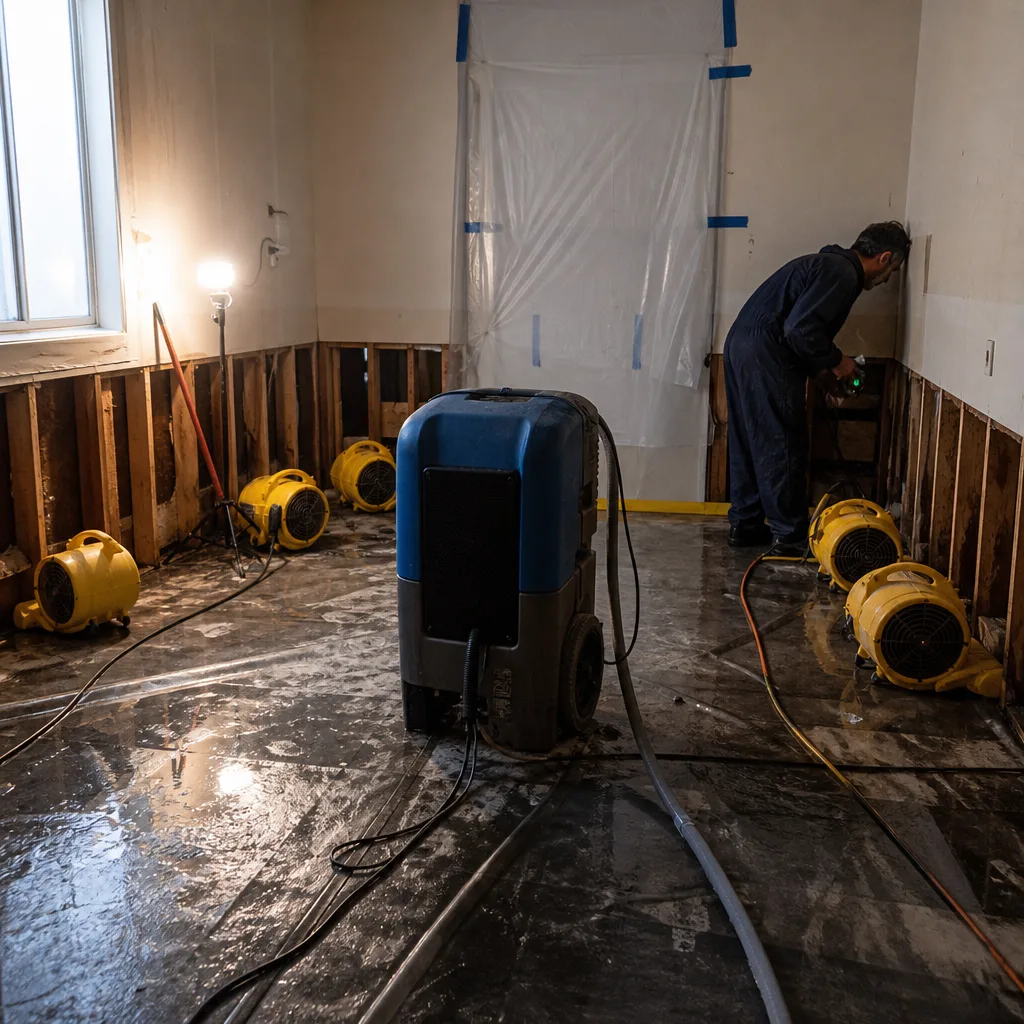
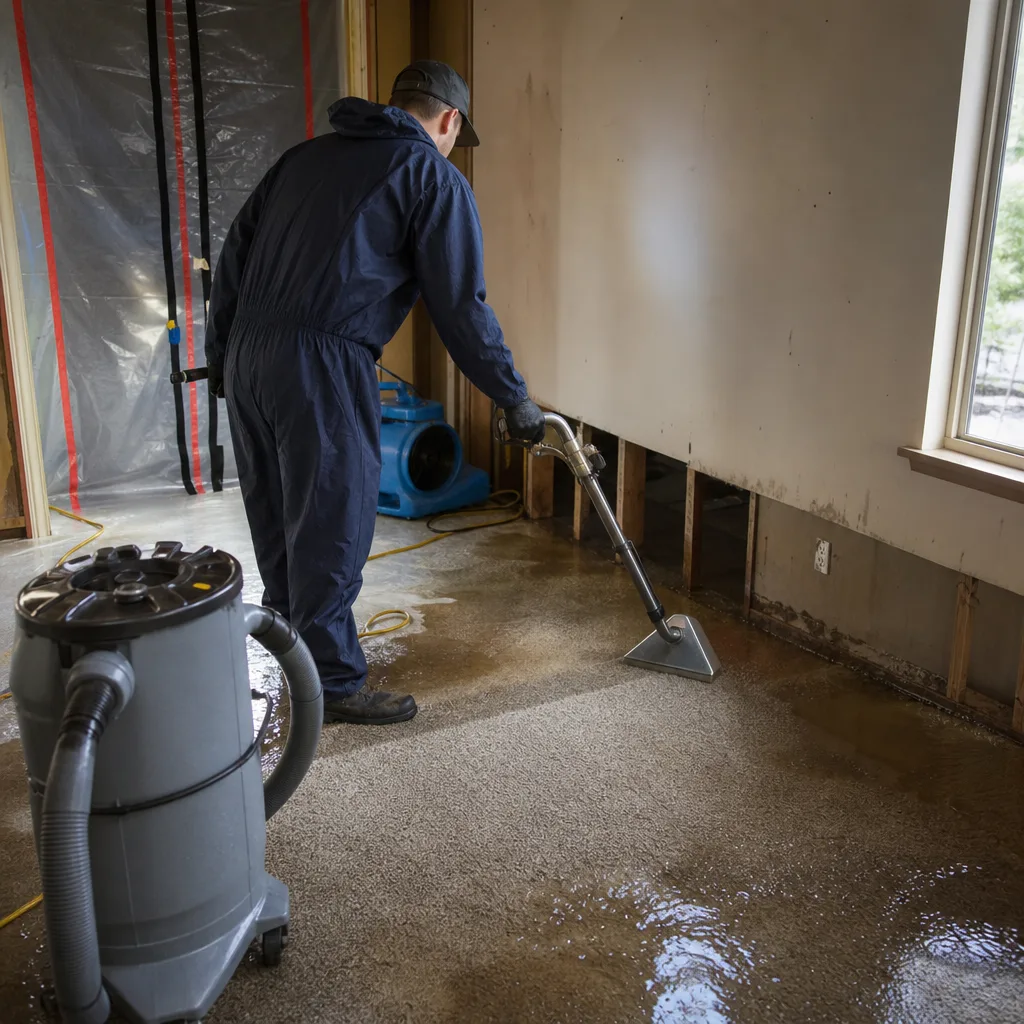
Water damage is the most common restoration call we handle in Marysville, driven by the combination of aging infrastructure in neighborhoods like Comeford and Cedarcrest, seasonal groundwater rise in the Quilceda Creek basin, and the freeze-thaw cycles that split outdoor hose bibs and sprinkler backflows each winter. For a deeper look at what to watch for, see our Damage Restoration Warning Signs: A Marysville Homeowner’s Reference Guide. Costs scale by water category, affected square footage, and whether structural materials are salvageable.
2026 Marysville-area pricing for the five most common line items:
- Water extraction (standing water removal): $0.85-1.40 per square foot for Category 1 clean water, $1.20-2.10 for Category 2 gray water, $2.50-4.00 for Category 3 black water with sewage or flood contamination. A typical Marysville ranch-style home with 800 square feet of standing water sees extraction costs of $680-1,120.
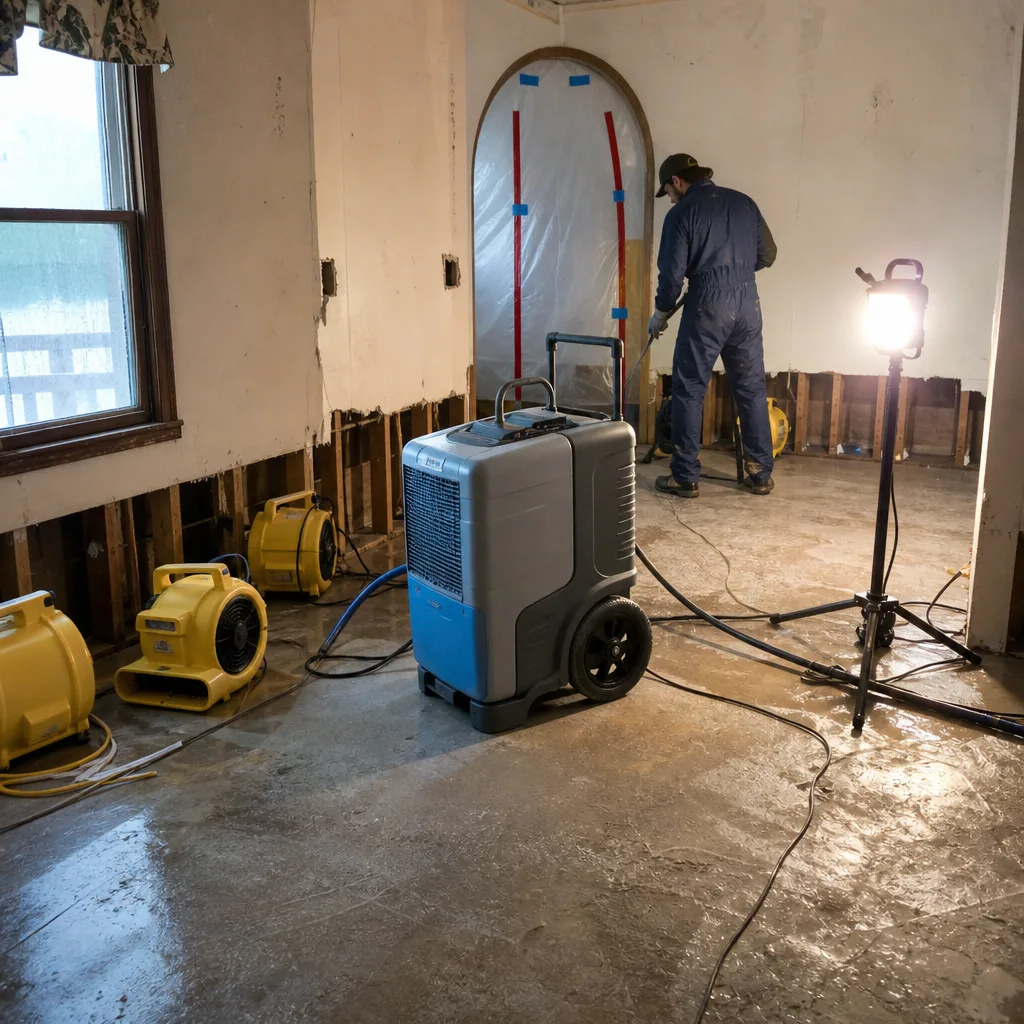
- Structural drying per square foot per day: $0.35-0.65 for standard residential spaces with adequate airflow, $0.55-0.95 for crawl spaces or enclosed cavities requiring injection drying (Injectidry or equivalent). Most residential dry-outs run 3-5 days; complex jobs with lathe-and-plaster or multiple wall cavities run 7-10 days.
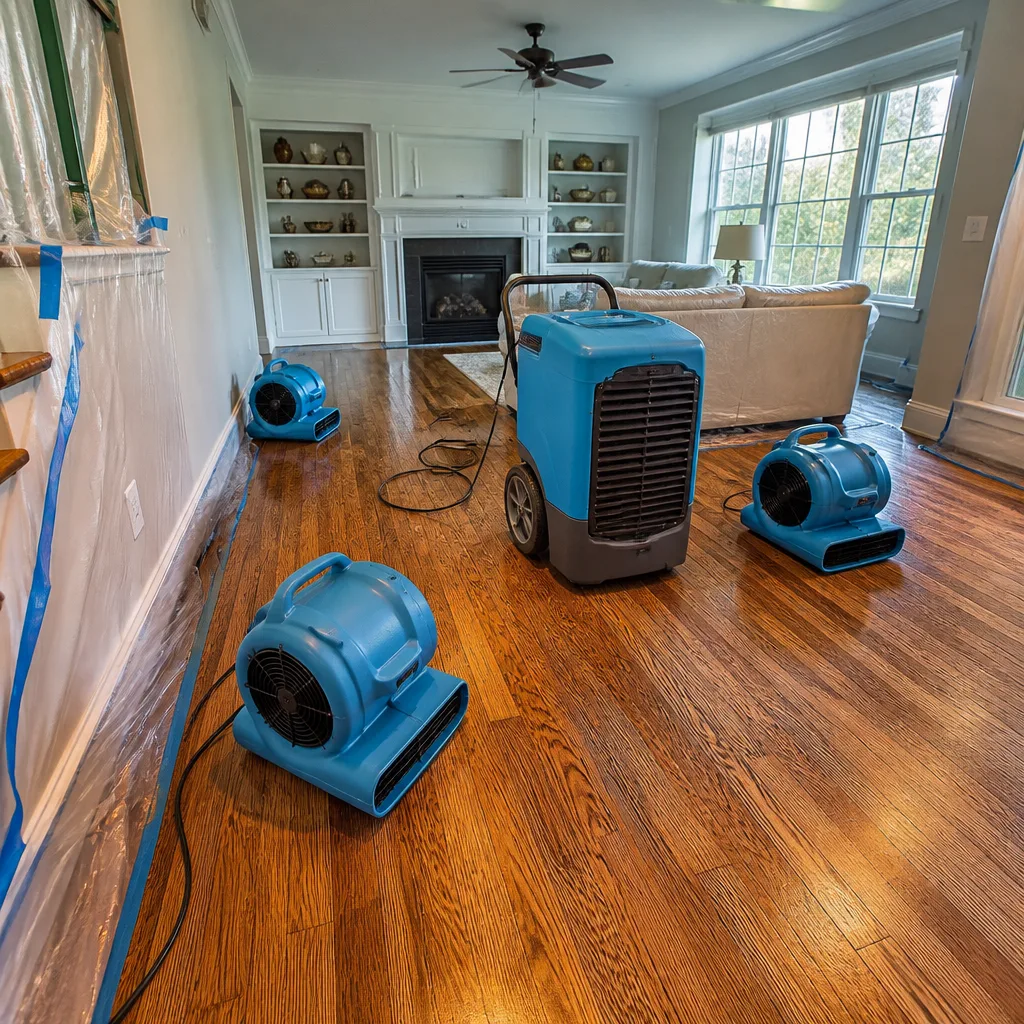
- Dehumidifier rental per day: $125-195 for standard LGR (low-grain refrigerant) units, $195-285 for desiccant units needed in temperatures below 60°F. Marysville’s spring and fall ambient temperatures often push jobs toward desiccant specification.
- Air mover rental per day: $18-28 per unit. A standard 12×15 bedroom requires 3-4 units; a whole-house job may deploy 20-35.
- Content pack-out and storage: $4.50-8.00 per cubic foot for inventory, cleaning, and climate-controlled storage. A typical Marysville home’s affected living room contents run $800-1,600.
Category definitions matter for both pricing and safety. Category 1 is clean water from a broken supply line. Category 2 carries significant contamination, dishwasher or washing machine overflow. Category 3 is grossly contaminated, sewage, seawater, or groundwater flooding. Each category triggers different PPE requirements, disposal protocols, and documentation standards per IICRC S500. We document the category determination with photos and moisture readings before extraction begins.
Psychrometric data, the temperature and relative humidity readings that determine drying progress, gets logged daily on every job. Vapor pressure differential, the force that drives moisture from wet materials into the air, tells us when to add, move, or remove equipment. These aren’t abstract concepts. They’re the measurements that justify continuing daily equipment charges or, conversely, prove a space reached dry standard and charges should stop.
For a complete overview of our water damage process, see Water Damage Restoration in Marysville.
Mold Remediation Pricing Per Square Foot
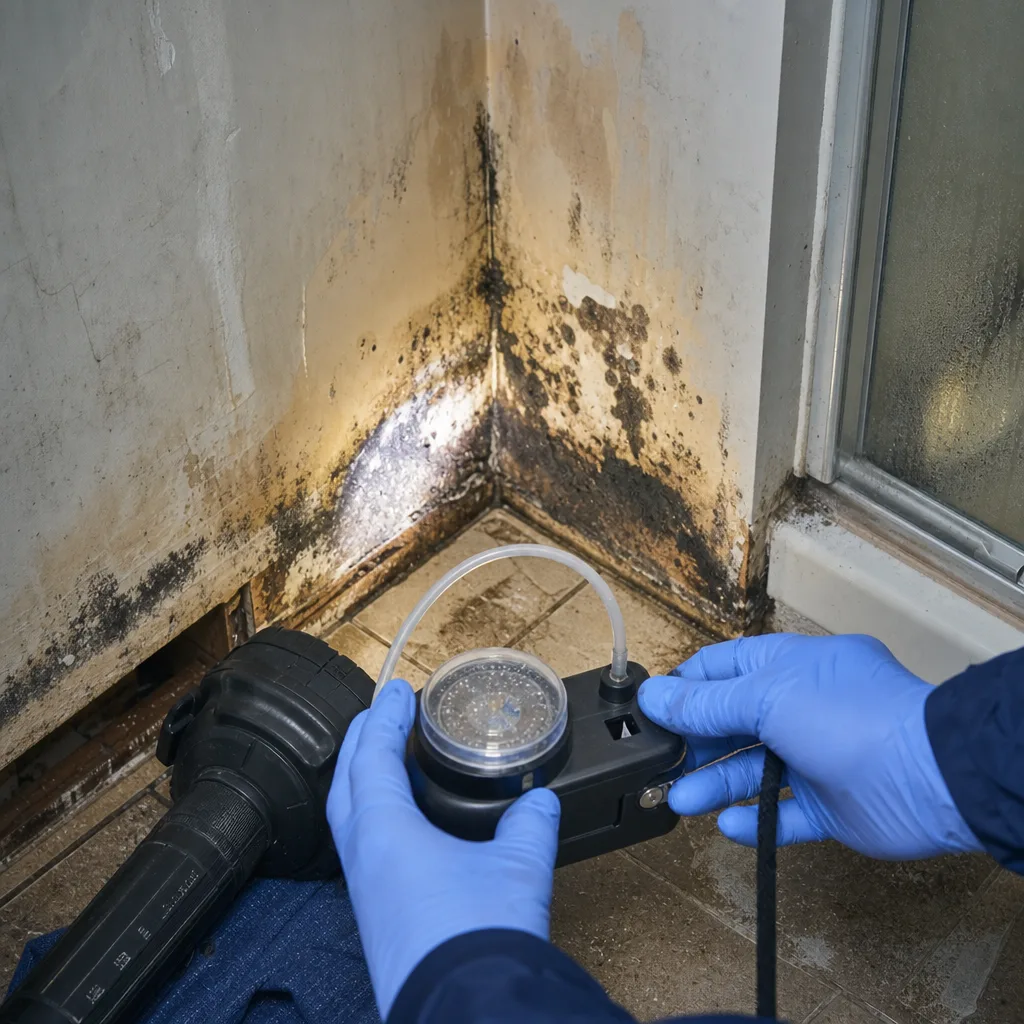
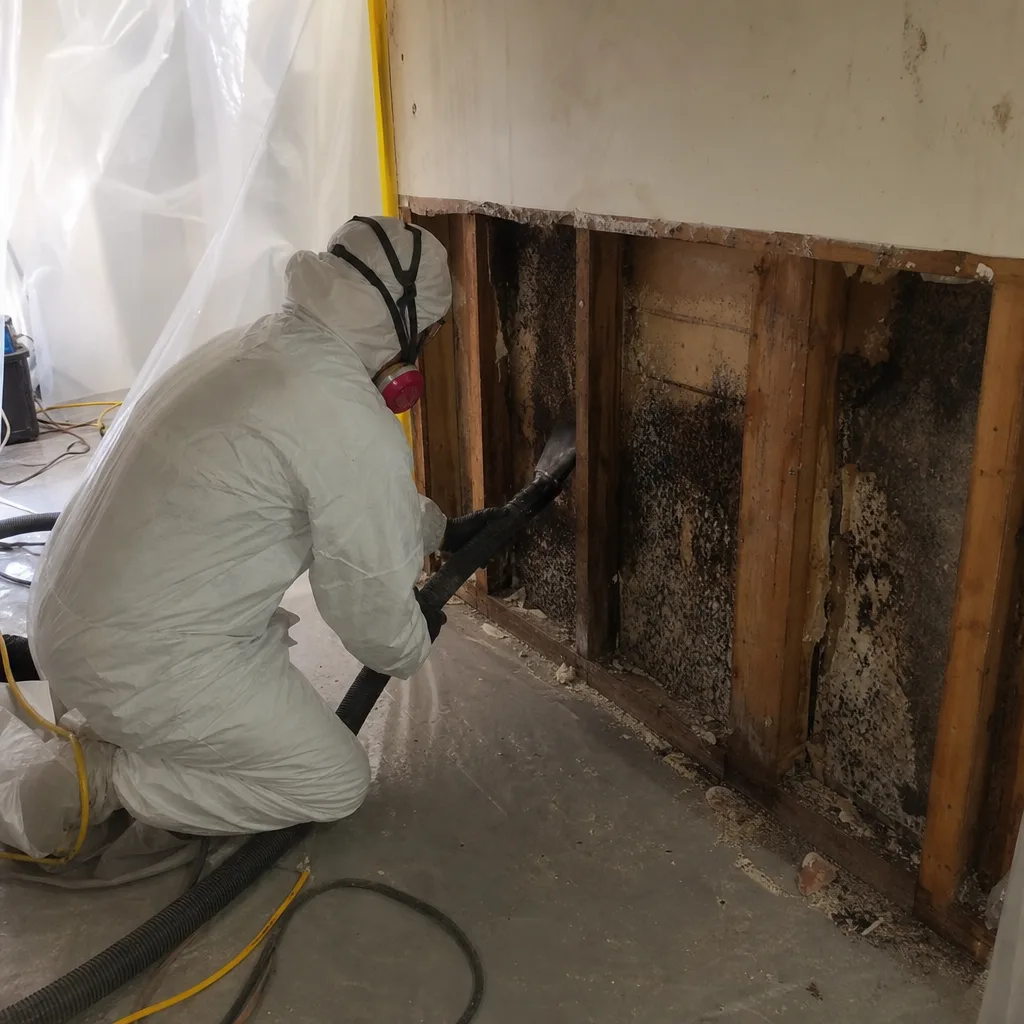
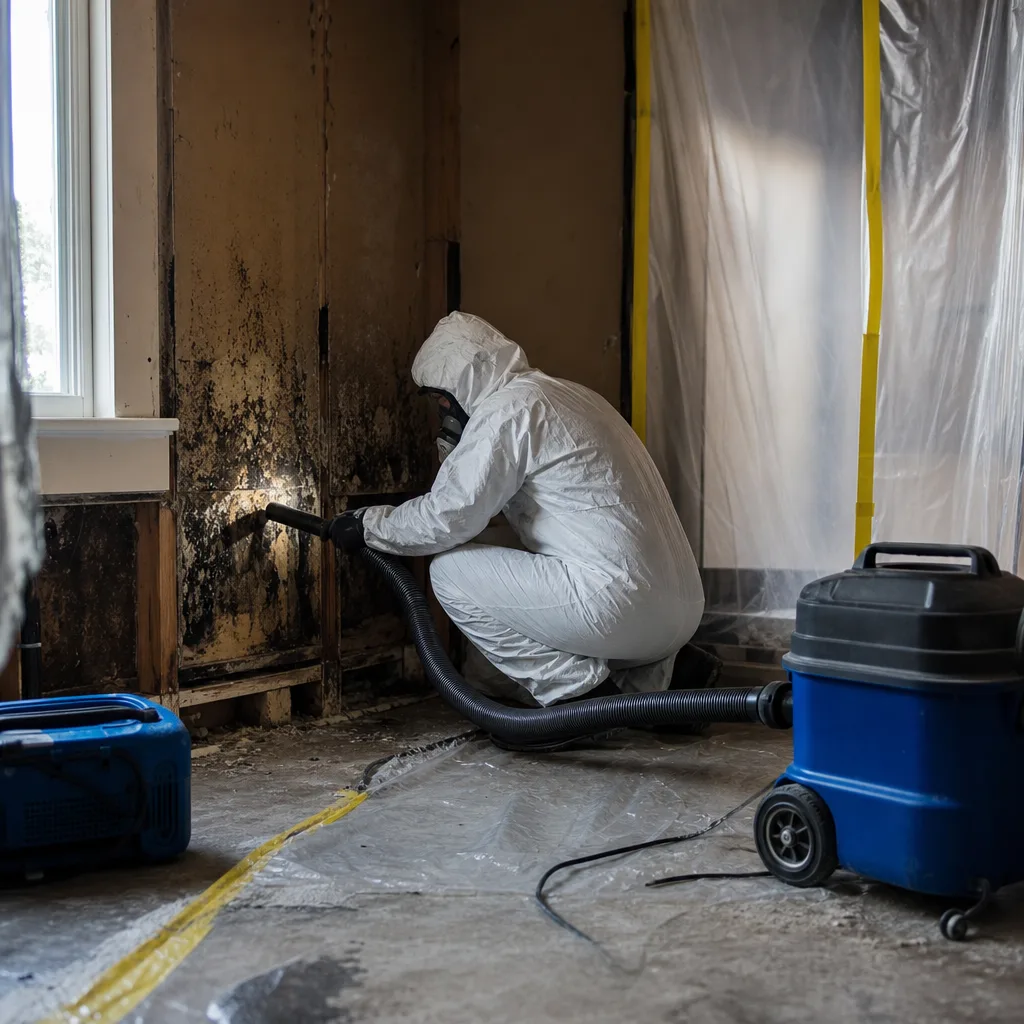
Mold remediation in Marysville follows a different cost structure than water damage because the work is bounded by containment requirements, not by drying duration. The Washington State Department of Labor & Industries requires airborne containment for any remediation exceeding 10 square feet of visible growth, and Snohomish County building officials have cited homeowners for unpermitted mold work in finished basements and attic conversions. Before starting any project, review Damage Restoration Permits, Codes & Inspections in WA: What You Need to Know.
2026 Marysville-area mold remediation costs:
- Small isolated areas (under 10 sq ft): $450-850, typically HEPA vacuuming and antimicrobial treatment without full containment.
- Moderate areas (10-100 sq ft): $15-22 per square foot, including poly containment, negative air pressure, HEPA filtration, and disposal.
- Extensive areas (100+ sq ft or HVAC involvement): $22-32 per square foot, with third-party post-remediation verification required by most insurers.
- Crawl space remediation: $8-14 per square foot of crawl space footprint, not mold-affected area, due to full-space treatment requirements.
Marysville’s climate pushes mold risk in specific ways. The marine layer that sits in the Snohomish River valley from October through April keeps relative humidity elevated in homes without adequate mechanical ventilation. In neighborhoods west of I-5, like Kellogg Village and Pinewood, we regularly see attic mold from bathroom vents terminated in soffits rather than ducted outside. East of I-5, toward Soper Hill and Lake Cassidy, newer construction with tighter envelopes and inadequate fresh air intake creates condensation on cold sheathing during temperature inversions.
Cost multipliers for mold work include:
- HVAC contamination: Duct cleaning and antimicrobial treatment adds $650-1,400 per system.
- Behind finished surfaces: Demolition and reconstruction of drywall, tile, or cabinetry is priced separately from remediation.
- Post-remediation verification: Independent air sampling and surface sampling, $450-750, increasingly required by carriers.
The single biggest cost escalation we see is scope-creep from companies that quote “remediation” without defining whether demolition and rebuild are included. A written scope under Haven Standard, Clause 1, separates these line items explicitly. For detailed mold service information, see Mold Remediation in Marysville.
Fire & Smoke Damage Restoration Costs
Fire restoration pricing is the least predictable of the major restoration categories because damage type varies so dramatically. A protein fire from a kitchen pan leaves nearly invisible but pungent residues that require specialized cleaning chemistry. A synthetic fire from plastics and petroleum products leaves thick, acidic soot that etches glass and metal within hours. A natural fire from wood and paper produces dry, powdery ash that spreads through HVAC systems.
2026 Marysville-area fire and smoke restoration cost framework:
- Light smoke damage, limited area: $4,500-8,500. HEPA cleaning, ozone or hydroxyl treatment, sealant application to structural surfaces.
- Moderate damage with content cleaning: $12,000-25,000. Pack-out, ultrasonic cleaning for non-porous items, textile restoration, structural cleaning, and deodorization.
- Heavy damage with reconstruction: $35,000-85,000+. Full demolition of charred structure, rebuild to code, content replacement where restoration is not economically viable.
Marysville’s housing stock affects these numbers directly. The pre-1980 homes in the original town plat near Comeford Park often have lathe-and-plaster walls that hold smoke odor in wall cavities long after surface cleaning appears complete. Tertiary drying, the extended air movement and dehumidification needed after structural washing, runs longer in these homes. Newer construction with open floor plans allows smoke to travel farther before stratifying, increasing affected square footage even when the fire itself was contained.
Content pack-out costs scale with volume and sensitivity. A standard Marysville household with 2,400 square feet of living space typically generates 1,200-1,800 cubic feet of affected contents. Electronics with smoke exposure require specialized corrosion assessment. Documents and photographs may need freeze-drying within 48 hours to prevent irreversible binding damage.
Documentation requirements for fire claims exceed water damage standards. Photo records must show pre-cleaning condition, post-cleaning result, and any items deemed non-restorable with justification. Insurance carriers in Washington State have 60 days to pay or deny a claim once documentation is complete; incomplete documentation triggers extensions that delay payment. Our photo record on every visit, delivered as a standard deliverable, closes that gap.
For fire-specific services, visit Fire & Smoke Damage Restoration in Marysville.
Legitimate Cost Multipliers vs. Inflated Add-Ons
Not every surcharge on a restoration invoice is justified. Not every justified surcharge is documented well enough to survive adjuster review. The difference determines whether a homeowner pays out-of-pocket for what insurance should cover.
Legitimate multipliers with required documentation:
- After-hours emergency response (1.5x-2x labor): Requires timestamped call log, crew dispatch record, and on-site arrival verification. Standard for calls between 6 PM and 7 AM, weekends, and state holidays.
- Category 3 water handling: Requires photo documentation of contamination source, PPE donning, and disposal manifest. The multiplier covers hazmat PPE, specialized cleaning agents, and regulated waste disposal.
- Confined-space work: Crawl spaces under 36 inches height, attics with limited access. Requires measurement photo and safety plan documentation.
- Height work: Ladder or scaffold work above 12 feet. Not common in residential restoration but relevant for multi-story water intrusion.
Red-flag add-ons that demand scrutiny:
- “Emergency service fee” without defined hours or response time commitment. A fee that applies regardless of when the call came in is not a time-based multiplier.
- Equipment charges that continue after drying goals are met. Daily moisture logs should show psychrometric data reaching dry standard; equipment should be removed within 24 hours.
- Vague “administrative” or “documentation” fees. Photo records, drying logs, and written scopes are standard deliverables, not upsells.
- Scope-creep additions after work begins. Haven Standard, Clause 1 exists specifically to prevent this: written price before work starts, no exceptions.
In Marysville, we’ve reviewed competitor estimates that applied Seattle metro labor rates without regional adjustment, then added a “travel surcharge” that effectively double-charged the geographic factor. Xactimate already embeds regional travel assumptions. A second travel charge without documented excess mileage is duplicate billing.
Reading a Written Scope Before You Sign
The written scope is the contract that governs every dollar spent and every hour billed. A homeowner who can read it can verify it against the final invoice, the insurance estimate, and the actual work performed. A homeowner who signs without reading it has no leverage when questions arise.
Every written scope should contain:
- Room-by-room moisture readings at time of assessment. Not “wet” or “affected” - actual moisture content percentages for wood, drywall, and concrete, measured with calibrated pin or pinless meters.
- Equipment inventory with unit counts and daily rates. “12 Phoenix 200HT LGR dehumidifiers @ $165/day” - not “dehumidification: $1,980.”
- Labor hours by task, not by day. “Water extraction: 4.5 hours @ $48/hour” allows verification against crew size and on-site duration.
- Material specifications by trade name. “R-13 fiberglass batts, CertainTeed MoistureShield gypsum” - not “insulation and drywall.”
- Daily rate structure with maximum duration. Equipment charges should cap or require re-authorization after a defined period, typically 5-7 days for standard residential drying.
- Exclusions and assumptions. What is not included (asbestos testing, permit fees, utility disconnect/reconnect) prevents surprise charges.
The scope should also reference the standard of care: IICRC S500 for water damage, S520 for mold, S700 for fire and smoke. These aren’t marketing badges. They’re the protocols that determine whether an insurer will accept the methodology and pay the associated charges.
Alicia Brennan built Back to Dry around the documentation gap that costs homeowners their claims. Every scope we deliver includes all six elements above, signed by the assessing technician and the homeowner before any equipment is powered on. If a competitor’s scope lacks these elements, our Free Second Opinion will identify what’s missing at no charge.
Washington Insurance Supplements and Documentation Triggers
Restoration work rarely proceeds exactly as estimated. Hidden moisture in wall cavities, extended drying due to weather conditions, or code-required upgrades discovered during demolition all push actual costs beyond the original scope. Washington State allows supplemental claims when documented properly; it does not allow retroactive price increases without justification.
The supplement process works in three stages:
- Discovery: The technician identifies conditions beyond original scope, photographs them, and records moisture readings or structural observations that establish why the original estimate was insufficient.
- Documentation: A revised scope is prepared with line-item additions, unit quantities, and justification referencing IICRC or code requirements. This is submitted to the insurer before additional work proceeds.
- Approval or negotiation: The insurer accepts, modifies, or disputes the supplement. A well-documented supplement with photo evidence and standard references typically resolves in 5-10 business days.
Legitimate supplement triggers we see regularly in Marysville:
- Subfloor saturation requiring extended drying or replacement. Original scope assumed surface drying; moisture mapping revealed plywood subfloor above 16% moisture content.
- Asbestos-containing materials in pre-1980 homes. Required abatement per WAC 296-65, not optional.
- Electrical code upgrades during rebuild. AFCI protection now required in most residential circuits per 2023 NEC adoption with Washington amendments.
- Extended drying due to atmospheric conditions. Marysville’s spring humidity spikes or temperature drops below dehumidifier operating range.
Dispute triggers that suggest poor documentation or inflated billing:
- Supplement submitted after work is complete, with no pre-authorization request.
- No photo documentation of the condition that supposedly required additional work.
- Charges for equipment or labor with no corresponding daily log or timesheet.
- Code upgrade claims without citation to specific adopted code section.
The homeowner’s strongest position is to require written authorization for any supplement before work continues. A company that proceeds without authorization and bills later is asking the homeowner to carry the dispute risk. Haven Standard, Clause 1 applies to supplements as well: written price before work starts, every time, including revised prices for revised scopes.
Common Mistakes to Avoid
- Accepting a “verbal estimate” or range over the phone. Without written line items, there is no basis to dispute a final invoice that doubles the quoted range. Marysville’s market has seen this pattern repeatedly with out-of-area companies chasing storm work.
- Signing a work authorization without a scope cap. Open-ended authorizations allow unlimited daily equipment charges. Demand a maximum duration or re-authorization trigger.
- Confusing cleaning with remediation. Surface mold cleaning without containment and source removal is not remediation. It will return, and insurers increasingly deny repeat claims for the same location.
- Ignoring crawl space moisture. Marysville’s clay soils and seasonal groundwater create vapor pressure that drives moisture through foundation vents. A dry living room above a wet crawl space is a mold claim waiting to happen.
- Letting the insurer’s preferred vendor control all documentation. The vendor works for the insurer, not the homeowner. Independent photo records and moisture logs protect the homeowner’s interest.
- Delaying the call to minimize perceived cost. Water damage compounds exponentially in the first 48 hours. A $1,200 extraction becomes an $8,000 rebuild when structural materials are left wet.
- Not verifying equipment is actually running. Daily logs should show psychrometric data. Silent equipment in a corner is a charge without corresponding work.
When to Call a Professional
Call when water has crossed from a contained surface to structural materials, when mold growth exceeds a few square inches, when smoke odor persists after surface cleaning, or when any damage involves electrical systems, HVAC, or sewage. These are not DIY vs Professional Damage Restoration: The Marysville Homeowner’s Decision Guide thresholds. They’re the points where documentation, containment, and standard-of-care protocols determine whether insurance pays and whether the repair lasts.
In Marysville, the specific triggers we see most often: standing water in a crawl space after heavy rain, visible mold on bathroom drywall near the tub surround, ice dam leakage into attic insulation, and water heater failures in garages with finished living space above. Each of these scenarios crosses from cleanup to restoration when moisture enters wall cavities or structural members.
DryMark Restoration Marysville offers free estimates in Marysville. A technician will assess, measure, photograph, and deliver a written scope with line-item pricing before any work begins. Call (360) 822-3055. Live person answers, 24 hours a day, 7 days a week.
Frequently Asked Questions
Most residential water damage restoration in Marysville ranges from $1,200 for a contained Category 1 extraction and dry-out to $8,500 or more for Category 3 flooding with full structural drying, content pack-out, and reconstruction. The specific cost depends on water category, affected square footage, and whether structural materials can be dried in place or require removal. Call (360) 822-3055 for a written estimate with exact line-item pricing.
Most standard homeowners policies cover sudden and accidental water damage, fire, and storm damage, subject to your deductible and policy limits. Coverage for mold varies by carrier and endorsement. The key to full payment is documentation: a written scope before work begins, daily moisture logs, photo records on every visit, and direct adjuster coordination. We provide all of these as standard, not as add-ons.
Our live dispatch answers every call, 24 hours a day, 7 days a week, with no voicemail trees. Emergency response time in Marysville typically ranges from 45 minutes to 90 minutes depending on your location relative to our dispatch point and traffic conditions on I-5 or SR 529. After-hours calls carry a documented labor multiplier that appears on your written scope before work begins.
If the affected area exceeds 10 square feet, if the mold resulted from Category 2 or 3 water, if HVAC systems are involved, or if anyone in the home has respiratory conditions, full containment remediation per IICRC S520 is required. Surface cleaning without source removal and moisture control will not prevent recurrence. We assess with moisture meters and air sampling, then recommend the appropriate scope with written pricing.
We do. Our documentation package, daily drying logs, and photo records are formatted for direct adjuster submission. We coordinate supplement requests when hidden damage extends the scope, and we provide the written justification that triggers legitimate supplement approval. You are copied on all communications and retain final approval authority.
National averages embed rural Midwest labor rates and Sun Belt material costs that don’t reflect Pacific Northwest realities. Xactimate’s regional database for our area accounts for Seattle-Tacoma-Bellevue labor markets, Washington State’s adopted building codes, and the specific moisture conditions of marine climates. A legitimate Marysville estimate uses these regional rates; a low estimate using national averages will likely face adjuster reduction or homeowner out-of-pocket surprise.
If any work we perform is not done right, we make it right, period. This is a written guarantee under The Haven Standard, not a verbal assurance. It covers workmanship, materials, and documentation accuracy for 365 days from completion. The guarantee is signed by Alicia Brennan and delivered with every job file.
The Bottom Line
Restoration costs in Marysville are knowable before work begins if you demand a written scope with line-item unit pricing. Xactimate regional rates, legitimate cost multipliers, and documented supplement triggers are not secrets. They’re the standard by which adjusters evaluate every invoice. A homeowner who understands these elements can verify an estimate, question a charge, and ensure insurance pays what the policy owes. Explore more guides & resources to protect your home and your claim. A homeowner who accepts verbal ranges and open-ended authorizations carries the risk of both overpayment and under-repair. The documentation that closes that gap is what we built Back to Dry to deliver, starting with Haven Standard, Clause 1: written price before work begins, every time, no exceptions.
Written by Alicia Brennan, Owner at DryMark Restoration Marysville, serving Marysville since 2011.