
Last updated September 23, 2026
Free visual inspection and a written scope of work before any mitigation begins - photos, moisture readings, and drying logs go in your claim file
The scope we write is the scope we bill. Anything new gets shown to you, in writing, before we touch it.
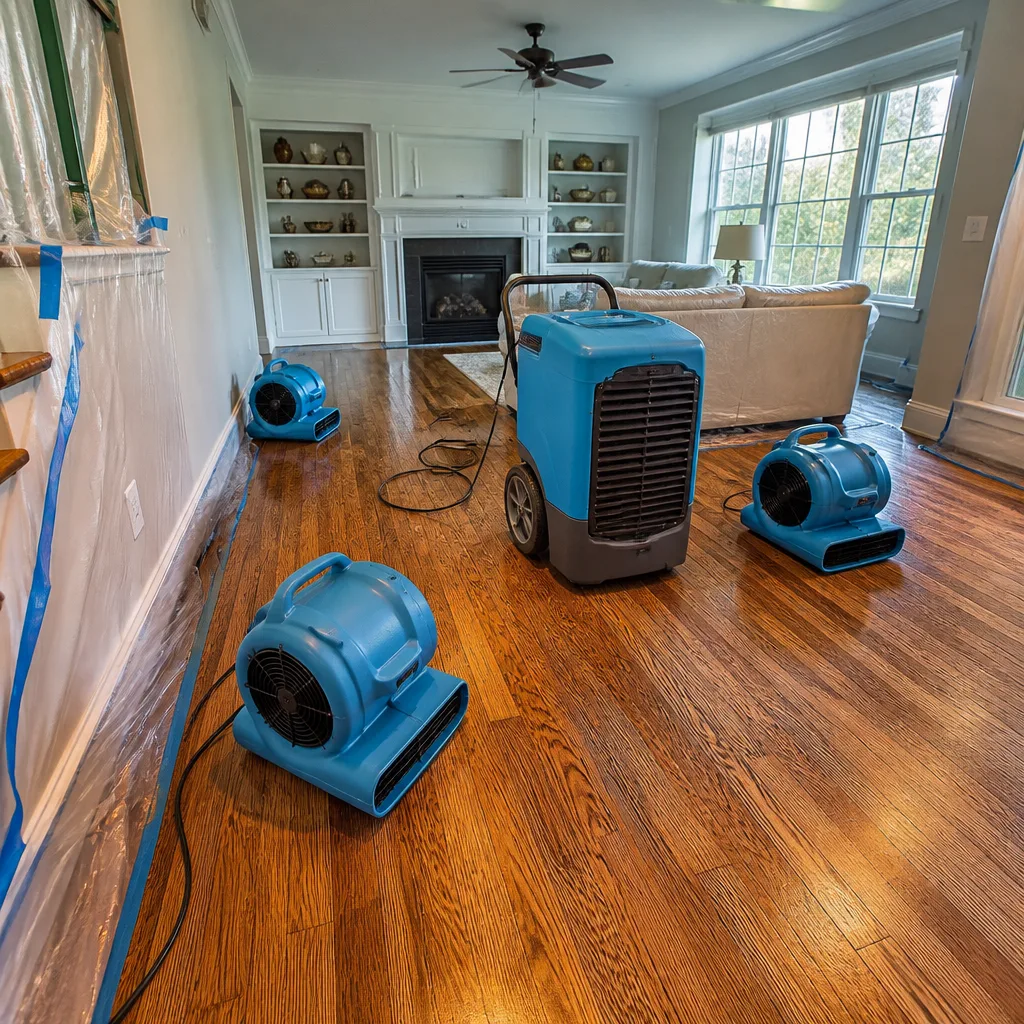
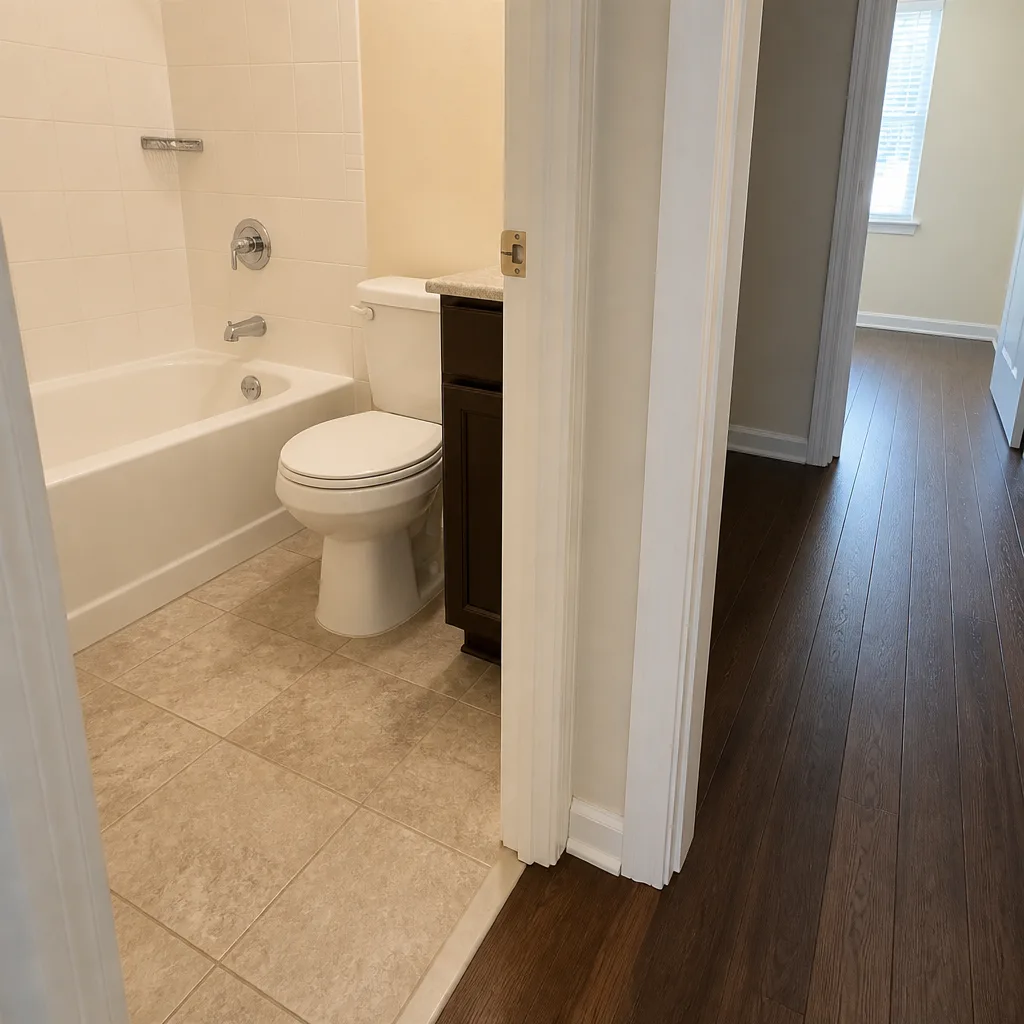
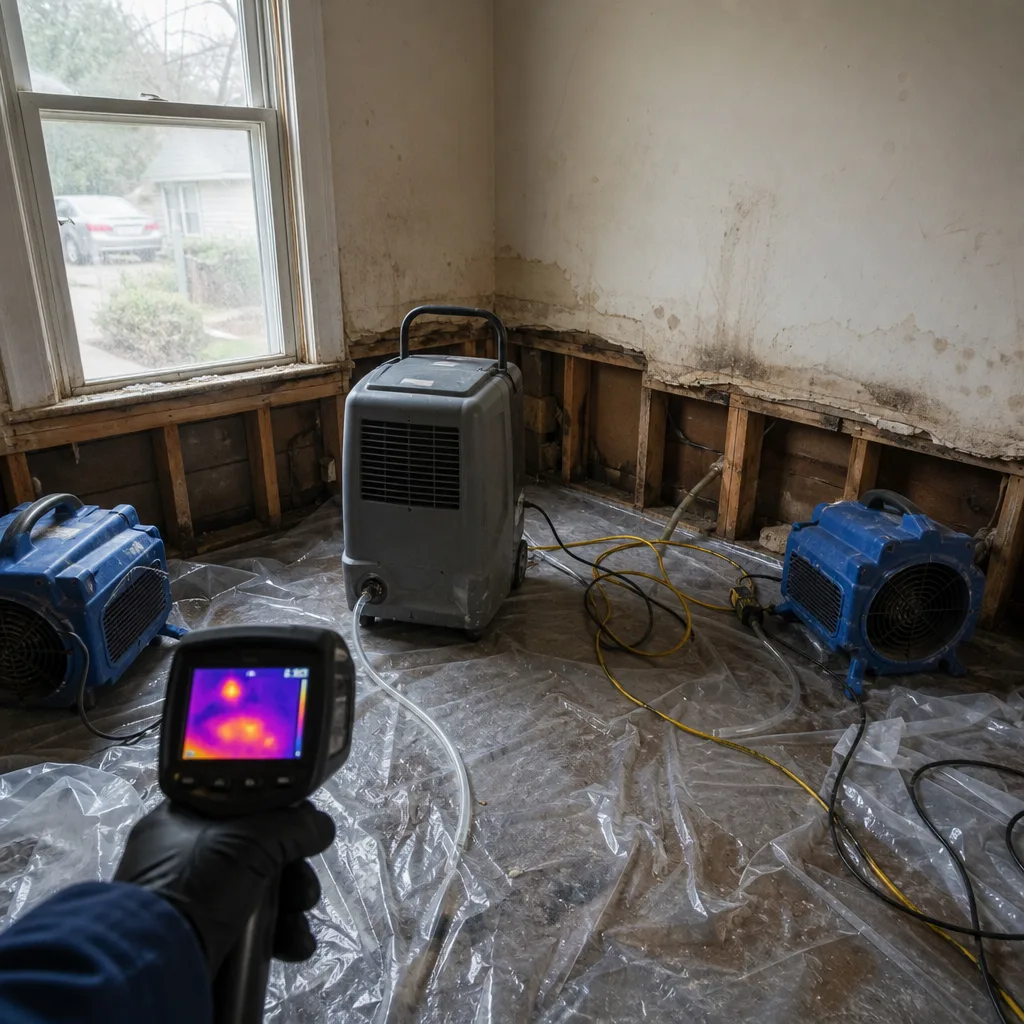 Before
 After
After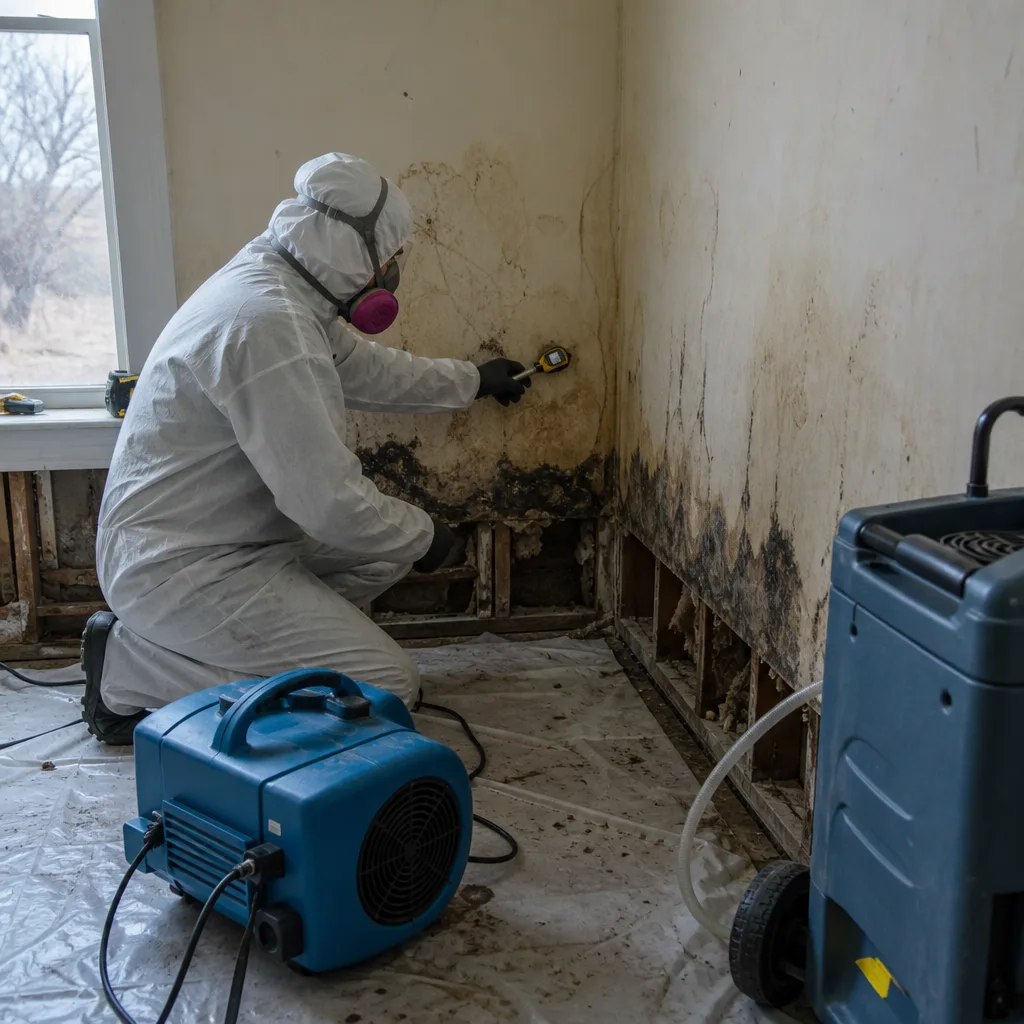 Before
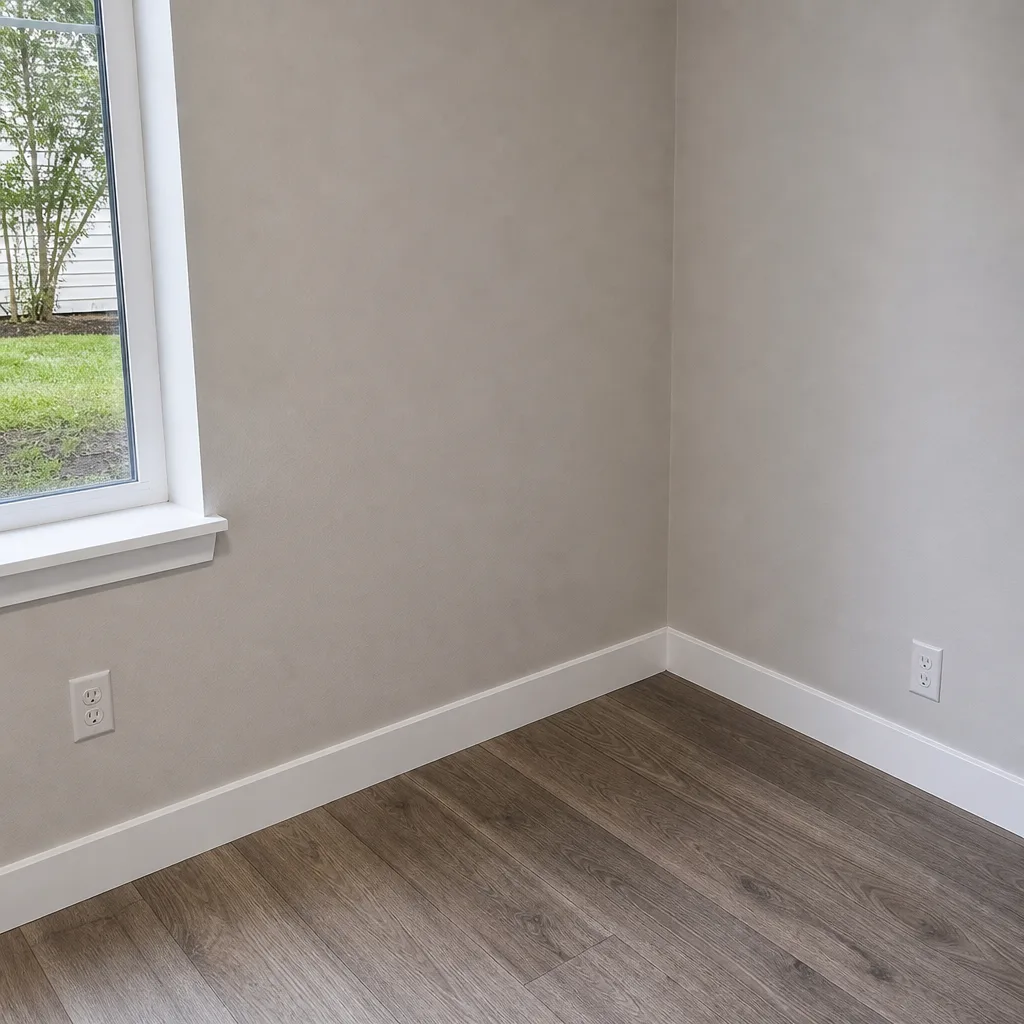 After
After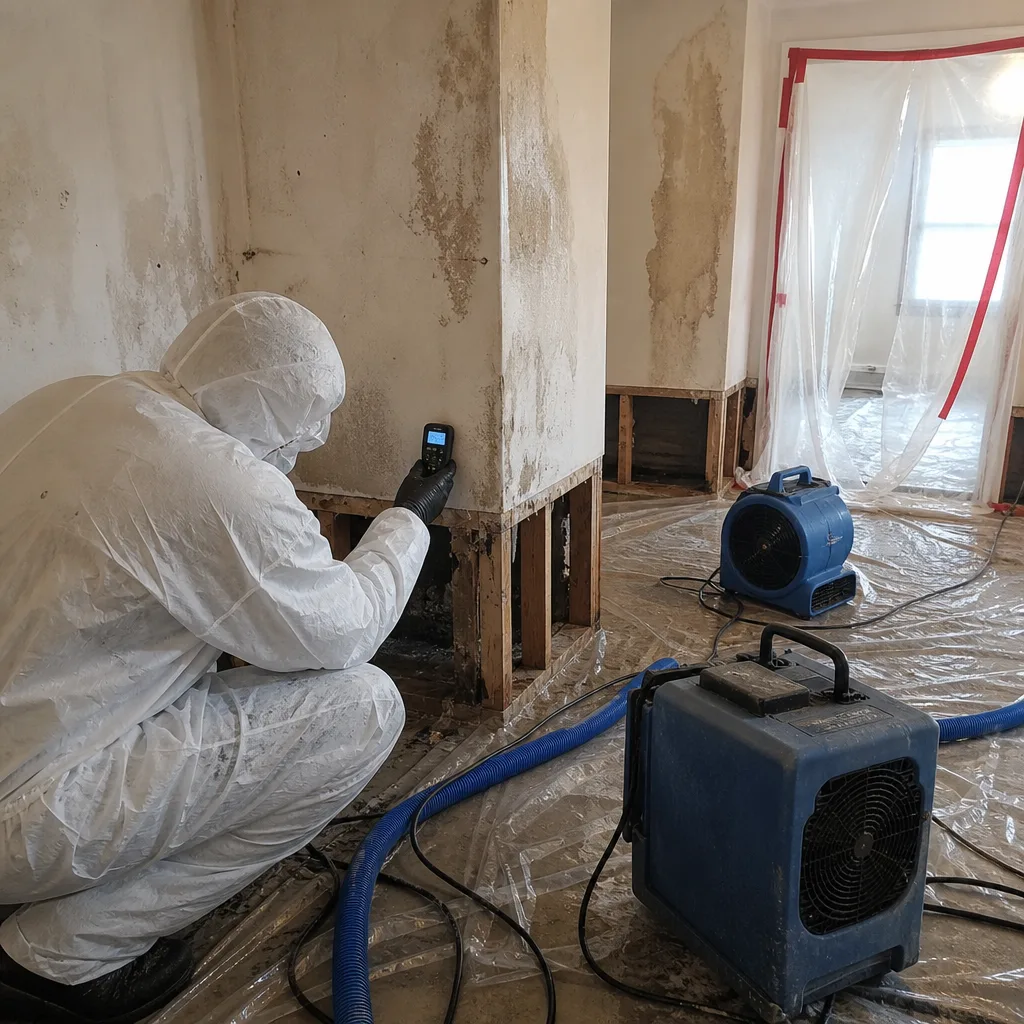 Before
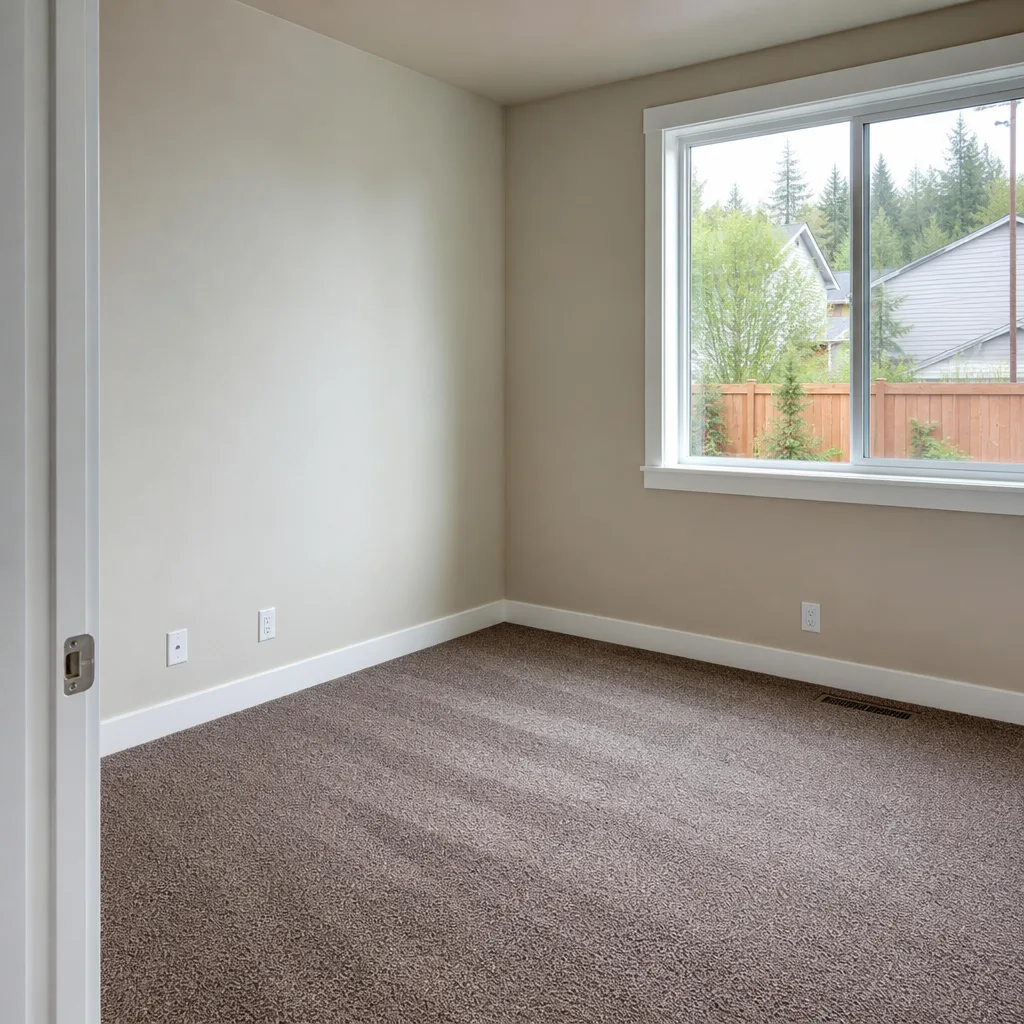 After
AfterHow to Hire a Damage Restoration Contractor in Marysville: A Step-by-Step Guide
A five-star review cannot tell you whether a contractor’s drying logs meet IICRC S500 standards. Yet those logs are what an adjuster checks when deciding whether to pay a $28,000 water damage invoice or open a six-month dispute that leaves a Marysville homeowner covering temporary housing out of pocket. Most guides to hiring restoration contractors treat selection like choosing a restaurant: read reviews, compare prices, pick the friendly one. In our experience restoring more than 12,000 homes since 2011, the contractors who protect homeowners are distinguished not by personality but by process - specifically, whether that process produces documentation an insurer will accept without a fight. This guide walks through the evidence audit that actually matters.
Quick Answer
To hire a damage restoration contractor in Marysville, verify their Washington L&I contractor registration and current liability insurance, request a sample drying log and written scope format before authorizing work, confirm they deliver a written price before any work begins, and choose a homeowner-controlled contract over an assignment of benefits arrangement. The right contractor documents every visit with photos, records daily moisture readings to IICRC standards, and provides a written warranty - not verbal assurances.
Table of Contents
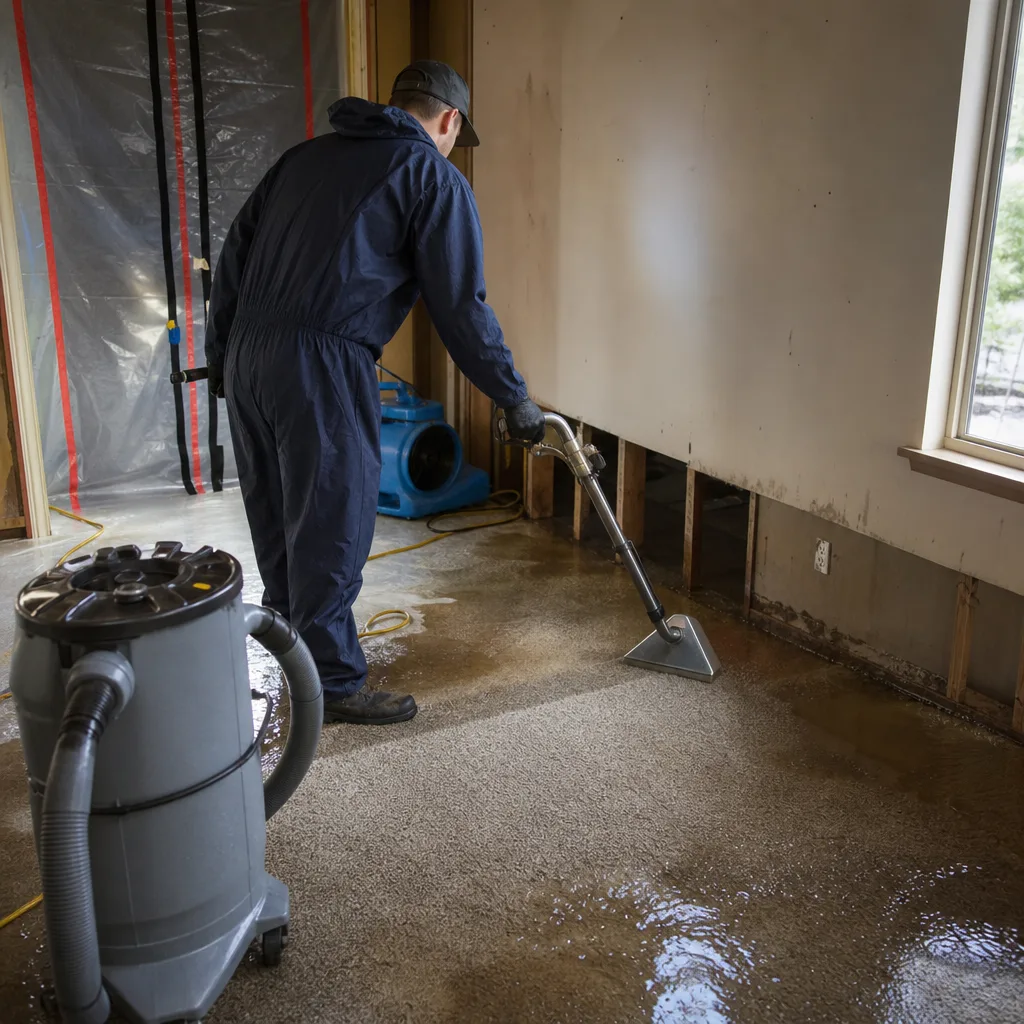
- Why Documentation Beats Reviews Every Time
- Seven Questions to Ask Before You Sign
- How to Verify Credentials in Washington State
- The Assignment of Benefits Trap
- Red Flags Visible Before Work Starts
- How to Read a Drying Log Like an Adjuster
- Marysville-Specific Considerations
- Common Mistakes to Avoid
- When to Call a Professional
- Frequently Asked Questions
- The Bottom Line
BeforeAfterWhy Documentation Beats Reviews Every Time
Homeowners in Marysville’s newer developments near Comeford Park and the established neighborhoods along State Avenue face the same documentation gap that costs claims nationwide. A contractor can arrive promptly, deploy impressive equipment, and leave a homeowner feeling relieved - while producing paperwork so thin that an adjuster denies $14,000 in secondary damage coverage six weeks later.
The problem is invisible until it isn’t. Reviews measure customer satisfaction at the moment of service. Insurance acceptance measures whether the contractor’s documentation proves the work was necessary, properly executed, and complete. These are different things entirely.
Consider what happens after a water loss in a Marysville home. The adjuster receives an invoice listing “dehumidification, 5 days, $3,200.” Without daily psychrometric data - temperature, relative humidity, and specific humidity readings taken with calibrated meters - the adjuster cannot verify whether equipment ran the full period or whether conditions actually reached the dry standard. Without photo documentation of moisture meter readings on affected materials, the adjuster cannot confirm the original scope was accurate. Without a written scope agreed before work began, the adjuster can argue the homeowner authorized an open-ended arrangement.
We’ve reviewed competitor files where $8,000 in equipment charges were denied because the “drying log” consisted of a single page with dates and machine serial numbers. No readings. No material moisture content percentages. No vapor pressure differential calculations showing the air was actually pulling moisture from wet materials rather than recirculating it. The homeowner paid the difference.
The contractors who protect Marysville homeowners are documentation-first operations. They treat every job as a claim file that must withstand scrutiny. Their daily records include:
- Psychrometric readings at equipment placement, daily, and at completion - temperature, relative humidity, and specific humidity measured with calibrated meters
- Moisture content percentages for affected materials (drywall, subfloor, framing) measured with pin and pinless meters, with the dry standard noted
- Vapor pressure differential between the air and wet materials, calculated to confirm the drying environment is actually extracting moisture
- Photo documentation with timestamps showing conditions at arrival, during work, and at completion
- Equipment inventory by serial number, placement location, and CFM capacity
- Technician signature and license number on every log entry
This is the standard we document to at DryMark Restoration Marysville, aligned with IICRC S500, RIA, and IFA guidelines. It is not extra. It is not an upsell. It is the minimum threshold for a claim that pays without dispute.
Seven Questions to Ask Before You Sign
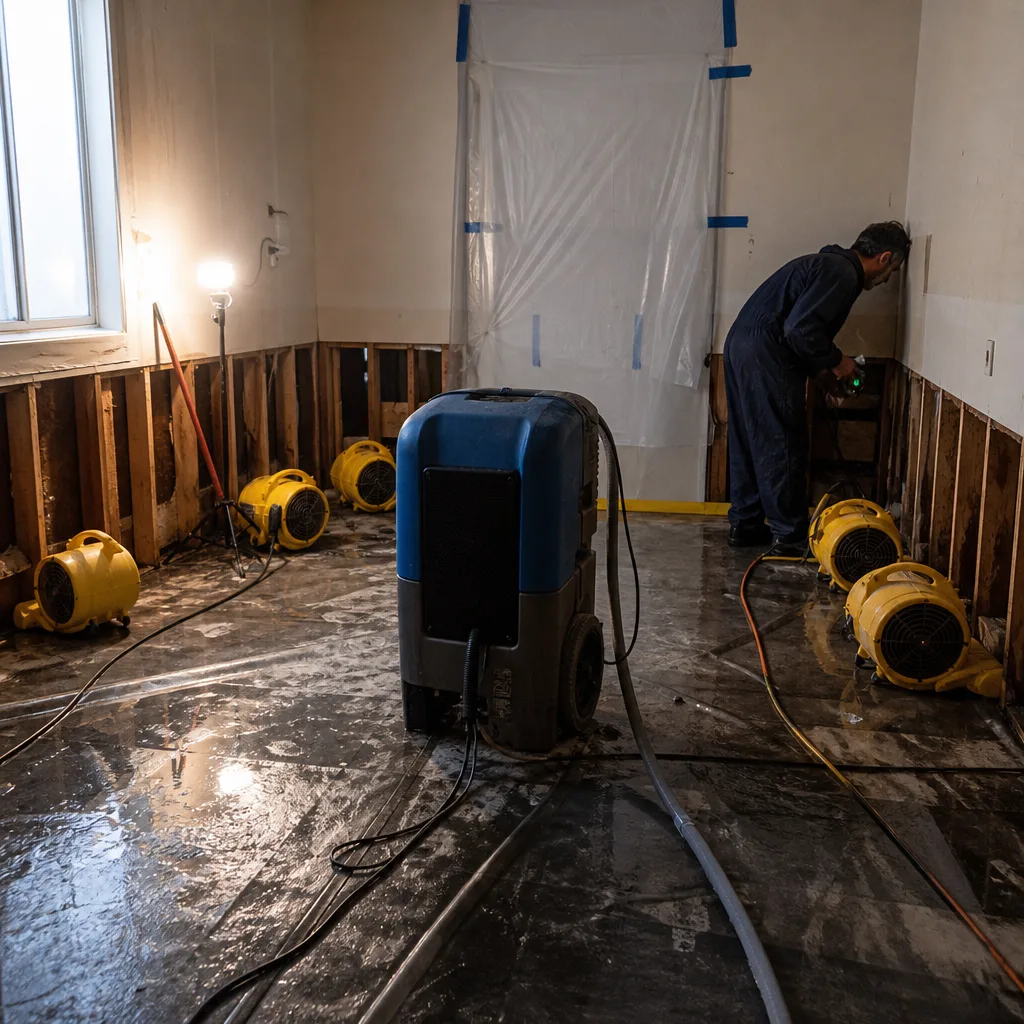
Every Marysville homeowner should ask these seven questions before authorizing any restoration work. Each question targets a specific documentation output. The answers should be verifiable in writing, not promised verbally.
- Will you provide a written price before any work begins, and will that price be the final price? Haven Standard, Clause 1 exists precisely because scope creep is the most common post-loss dispute we see. The written price should itemize labor, equipment, materials, and disposal. If a contractor says “we’ll assess once we’re there,” you are authorizing an open checkbook.
- What does your daily drying log include, and can I see a sample from a completed job? A legitimate contractor maintains these as standard practice and should be able to produce a sanitized sample within hours. Refusal is a red flag.
- Who takes photos, when, and how do I receive them? The answer should specify: technician name, camera or device type, timestamp methodology, and delivery format (portal link, email, physical USB). “We take pictures” is not a process.
- What is your technician’s IICRC certification number, and is it current? Certification verifies training in water damage restoration (WRT), applied structural drying (ASD), or mold remediation (AMRT). The number can be verified through IICRC’s online directory.
- Will you bill my insurance directly, or do I maintain control of the claim? This determines whether you sign an assignment of benefits. The implications are significant enough that we’ve dedicated a full section below.
- What warranty do you provide in writing, and what triggers it? Verbal promises of “we’ll make it right” are unenforceable. The warranty should specify duration, covered conditions, and the mechanism for invoking it. Our 365-Day Done Right Promise under The Haven Standard is signed and dated on every job.
- Can you provide your Washington L&I registration number and current certificate of liability insurance? These should be provided without hesitation. Verification steps follow in the next section.
A contractor who answers these questions with specificity - who treats them as reasonable rather than adversarial - is demonstrating the documentation discipline that protects claims. One who deflects, promises to “handle everything,” or suggests these details are “handled in the office” is signaling a process that may not survive adjuster review.
How to Verify Credentials in Washington State
Washington’s contractor registration system is more rigorous than many homeowners realize, and Marysville falls under the enforcement jurisdiction of the Washington State Department of Labor & Industries. Verification is free, takes under five minutes, and should be completed before any work authorization - not after a crew is in your living room.
Step 1: Check L&I Registration
Every restoration contractor performing work in Marysville must hold a Washington State contractor registration. Request their registration number, then verify it at the L&I Verify website. The search will show:
- Registration status (active, inactive, suspended)
- Bond and insurance on file
- Any infractions or compliance actions
A suspended registration means the contractor cannot legally perform work. An inactive registration may indicate lapsed bond or insurance. Either is disqualifying.
Step 2: Request and Verify Liability Insurance
Ask for a certificate of liability insurance directly from the contractor’s insurance broker or agent, not a photocopy from the contractor’s files. The certificate should show:
- General liability coverage with per-occurrence and aggregate limits
- Workers compensation coverage (required in Washington for companies with employees)
- Your property address listed as certificate holder if work is already scheduled
- Effective dates covering your project period
Call the broker to confirm the policy is current. We’ve encountered contractors in the Marysville area presenting expired certificates or coverage with exclusions for water damage work specifically.
Step 3: Confirm IICRC or RIA Certification
Industry certification is not legally required in Washington, but it is the standard that insurers expect for complex losses. Verify certification numbers through:
- IICRC: iicrc.org - search by name or certification number
- RIA: restorationindustry.org - member directory
Certification without current continuing education is incomplete. IICRC certifications require renewal and continuing education credits. A technician certified in 2019 with no recorded education since is not current.
The Assignment of Benefits Trap
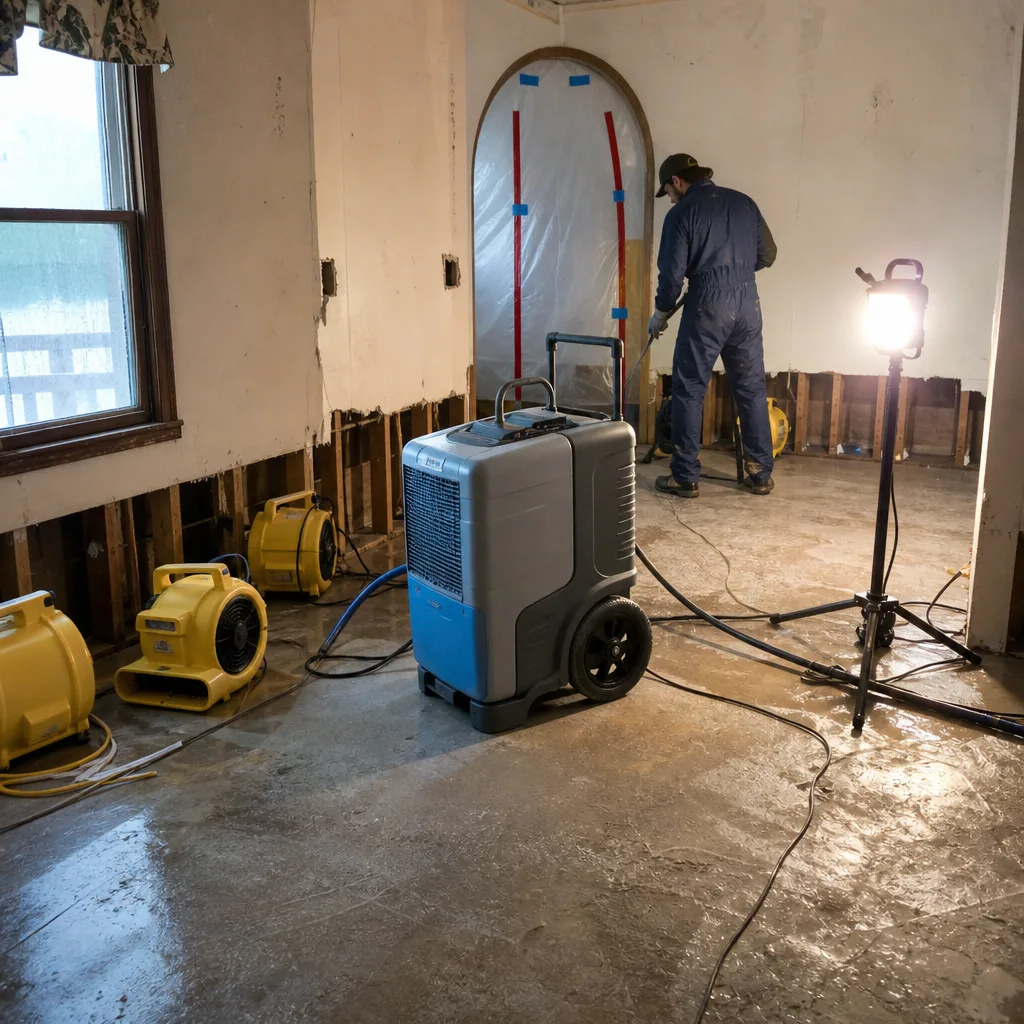
The assignment of benefits, or AOB, is a legal document in which a homeowner transfers their insurance claim rights to the contractor. The contractor then bills the insurer directly and, in many cases, pursues the claim without homeowner involvement. In some states, AOB arrangements have become standard. In Washington, they present specific risks that Marysville homeowners should understand.
Under an AOB, the contractor controls the claim. They negotiate with the adjuster, dispute denials, and potentially litigate - all in their own interest, not necessarily yours. If the insurer denies coverage for any portion of the work, the contractor may pursue the homeowner for the balance. The homeowner loses visibility into what was claimed, what was paid, and whether the settlement was fair.
A homeowner-controlled contract preserves your position. You authorize specific work at a specific price. The contractor bills you; you submit to insurance; you receive the settlement directly. If coverage disputes arise, you control the appeal. The contractor’s documentation supports your claim, but the claim remains yours.
Some Marysville-area contractors present AOB as “hassle-free” or “we handle everything.” In our experience, the homeowners who fare best in complex claims are those who maintain control and demand documentation that supports their position directly. Water damage restoration in Marysville often involves coverage questions about causation, maintenance exclusions, and matching regulations for replaced materials. These are your claim decisions to make, not a contractor’s.
There are narrow circumstances where AOB may be appropriate: emergency stabilization when a homeowner is out of state, or catastrophic losses where immediate coordination is essential. Even then, the arrangement should be time-limited, scope-specific, and reviewed by your adjuster before signing.
Red Flags Visible Before Work Starts
Certain warning signs appear before a job begins and predict documentation problems later. Marysville homeowners should treat these as disqualifying, not as concerns to monitor.
Equipment staged before moisture readings are taken. A contractor who arrives with dehumidifiers and air movers already unloading from the truck has predetermined the scope without measuring the loss. Proper practice: moisture mapping first, equipment specification second, deployment third. The moisture reading determines the equipment count and type; it cannot be guessed from visual inspection alone.
Verbal pricing with “we’ll write it up later.” Haven Standard, Clause 1 exists because this practice is epidemic. A verbal estimate of “probably around four thousand” becomes $7,200 on the final invoice, with the homeowner told “we found more damage once we opened the wall.” The written price before work begins prevents this. If damage is concealed, the contractor stops, documents, and presents a revised written scope for authorization.
Pressure to sign immediately. “We need to start now or mold will grow” is urgency theater. Mold growth in Marysville’s climate requires sustained moisture over 48-72 hours; a few hours to evaluate contractors properly does not create additional risk. Any contractor who cannot allow time for verification is not confident their process will withstand scrutiny.
No reference to drying standards or completion criteria. A contractor who cannot state the target moisture content for Douglas fir framing (typically 10-12% in this region) or the specific humidity target for the drying environment has no objective standard for determining when work is complete. Completion becomes arbitrary, and equipment rental extends indefinitely.
Subcontracting without disclosure. Some restoration companies in the Marysville area are marketing operations that immediately subcontract to uncertified crews. Ask who will perform the work, what their certification numbers are, and whether they are employees or subcontractors. Subcontracting is not inherently problematic; undisclosed subcontracting is.
How to Read a Drying Log Like an Adjuster
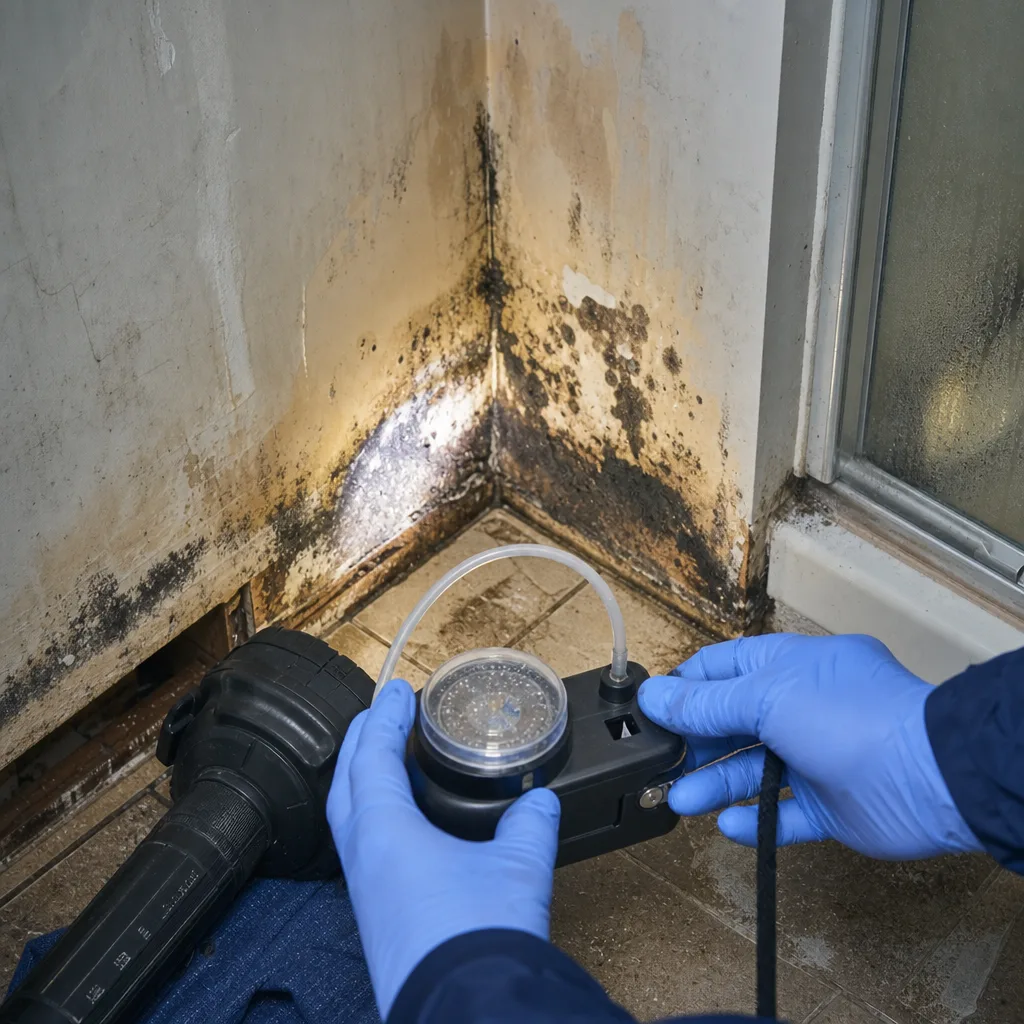
Requesting a sample drying log from a prospective contractor is one of the most revealing steps in the hiring process. A legitimate log is a multi-page document with structured data. A deficient log is a single page with dates and machine counts. Here’s what to look for.
Required Columns and Data Points
| Data Point | What It Shows | Red Flag If Missing |
|---|---|---|
| Date and time of reading | Verifies equipment ran full duration claimed | Single daily entry or no timestamps |
| Technician name and license number | Accountability and traceability | Unsigned entries or “crew” as identifier |
| Temperature (°F) | Air temperature at reading location | No temperature recorded |
| Relative humidity (%) | Moisture in air relative to capacity | Missing or single reading for multi-day job |
| Specific humidity (grains/lb) | Actual moisture mass in air; critical for vapor pressure calculation | Not recorded; indicates no psychrometric analysis |
| GPP (grains per pound) differential | Difference between affected and unaffected areas | Missing; cannot verify drying progress |
| Moisture content % - materials | Actual moisture in drywall, wood, concrete | Visual inspection only (“looks dry”) |
| Dry standard reference | Target moisture content for material type and region | No target stated; completion is arbitrary |
| Equipment inventory by serial number | Verification that claimed equipment was present | Generic counts (“3 dehus”) without serials |
| Equipment CFM and placement | Airflow capacity relative to affected volume | No CFM ratings; undersizing possible |
| Vapor pressure differential | Calculated value confirming moisture is moving from materials to air | Not calculated; equipment may be recirculating moist air |
| Technician signature | Legal attestation to accuracy | Blank or stamped signature |
The absence of specific humidity and vapor pressure differential is particularly telling. These calculations require training and proper equipment - psychrometric calculators or software, calibrated meters, and understanding of the relationship between air conditions and material drying. A contractor who records only temperature and relative humidity is measuring comfort, not drying performance.
We document to this standard on every water damage restoration job in Marysville, using professional-grade drying systems from Dri-Eaz, Phoenix, and Injectidry. The daily log is provided to the homeowner and submitted with the invoice to the insurer. This is not extra service. It is the minimum documentation required for claim acceptance.
Marysville-Specific Considerations
Marysville’s geography and climate create specific restoration scenarios that contractors should understand and document accordingly.
Stillaguamish River Floodplain and Seasonal Water Table
Properties in the Allen Creek, Sunnyside, and lower Ebey Slough areas sit within or adjacent to flood-prone zones. Spring snowmelt and fall storm systems can elevate groundwater tables rapidly. Water intrusion in these areas often involves hydrostatic pressure - water pushing through slab foundations or basement walls from saturated soil. This is distinct from plumbing leaks and requires different documentation: moisture readings at multiple slab depths, vapor barrier assessment, and identification of whether the source is classified as Category 3 (groundwater) under IICRC S500.
Category 3 water affects everything: materials that must be removed rather than dried, equipment specifications, antimicrobial requirements, and insurance coverage. A contractor who does not classify the water source correctly may dry materials that should be discarded, creating health hazards and coverage disputes.
Marine Climate and Drying Dynamics
Marysville’s proximity to Puget Sound means higher ambient humidity for much of the year compared to inland Washington locations. Summer drying conditions are favorable; winter conditions require more aggressive dehumidification. A contractor using equipment specifications developed for Spokane or Yakima will undersize Marysville winter jobs. The drying log should show recognition of this: higher dehumidifier capacity relative to affected area, longer initial drying phases, and adjusted dry standards for materials that absorb atmospheric moisture.
Age of Housing Stock and Construction Types
Marysville’s rapid growth since 2000 has produced distinct housing eras: pre-1990s homes in the original town plat, 1990s-2000s developments in northwest Marysville, and 2010s+ construction in the Kellogg Marsh and Soper Hill areas. Each era presents different documentation needs:
- Pre-1990s: Potential asbestos in flooring and insulation, lead paint, non-standard framing spacing, and outdated electrical that affects equipment placement
- 1990s-2000s: Polybutylene plumbing, OSB subflooring with different moisture tolerance than plywood, and early synthetic stucco (EIFS) with moisture intrusion vulnerabilities
- 2010s+: Spray foam insulation that complicates moisture detection, PEX plumbing with distinct failure patterns, and energy-sealed construction that traps moisture differently than older homes
A contractor who does not ask when your home was built and adjust documentation accordingly is using a one-size-fits-all approach that will miss material-specific issues.
Snohomish County Permit and Code Requirements
Reconstruction work following restoration may trigger permit requirements through Snohomish County Planning and Development Services. Electrical, plumbing, and structural repairs require permits and inspections. A restoration contractor who performs reconstruction without permits creates liability for the homeowner and potential coverage problems if defects emerge. Confirm whether your contractor handles permit acquisition or expects you to manage it, and get that division of responsibility in writing.
Common Mistakes to Avoid
- Choosing based on arrival speed alone. Emergency response matters for water damage mitigation, but a contractor who arrives in 20 minutes with no documentation process is not preferable to one who arrives in 90 minutes with a structured approach. For reconstruction work, speed of arrival is irrelevant; quality of scope and pricing is everything.
- Accepting “insurance approved” as verification. There is no official insurance approval list for restoration contractors in Washington. This phrase is marketing language, not a credential. Verify L&I registration, insurance, and certification independently.
- Signing authorizations without scope limits. The authorization to perform work should specify the exact work authorized, with a not-to-exceed dollar amount or a fixed price. Open-ended authorizations are the single largest source of post-loss disputes we review in our Free Second Opinion service.
- Neglecting to document pre-existing conditions. Before any work begins, photograph all affected areas, including adjacent unaffected areas for comparison. Your contractor should do this as standard practice, but homeowner documentation provides independent verification if disputes arise.
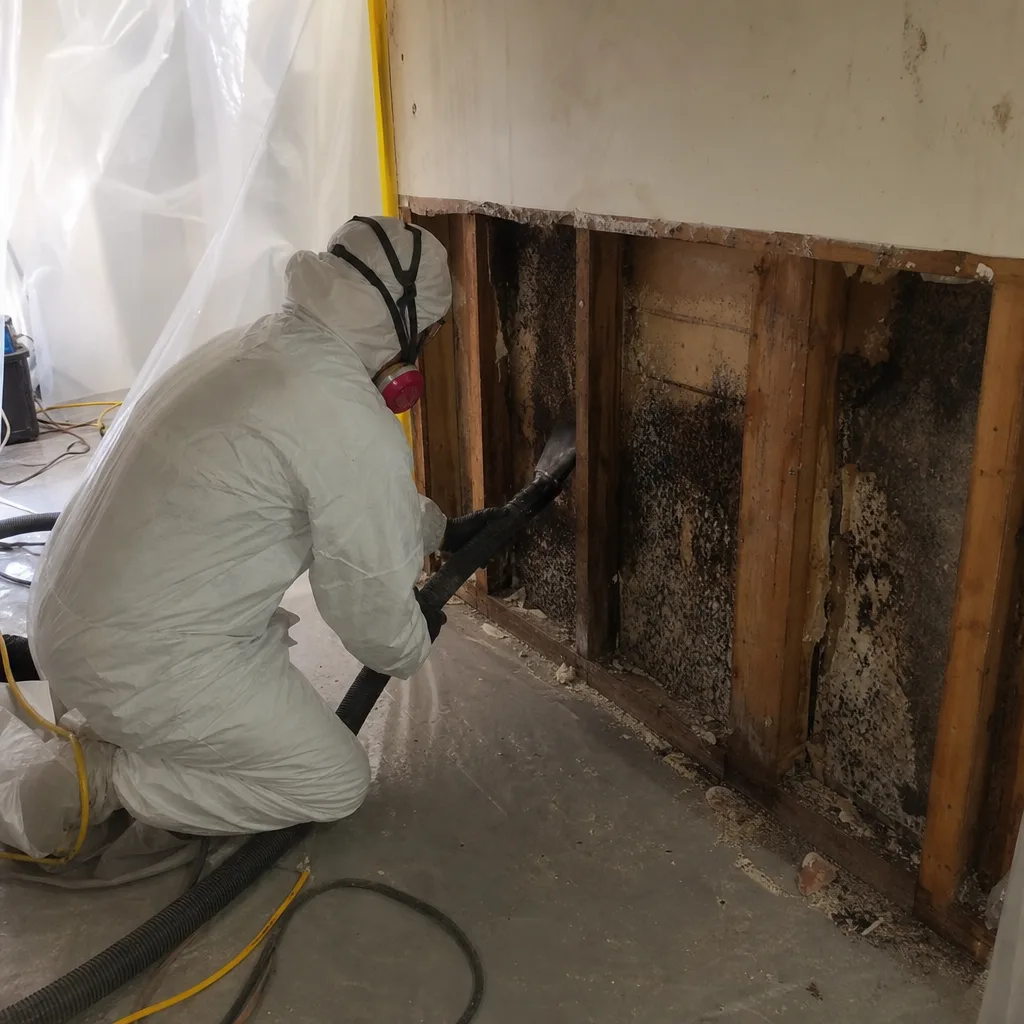
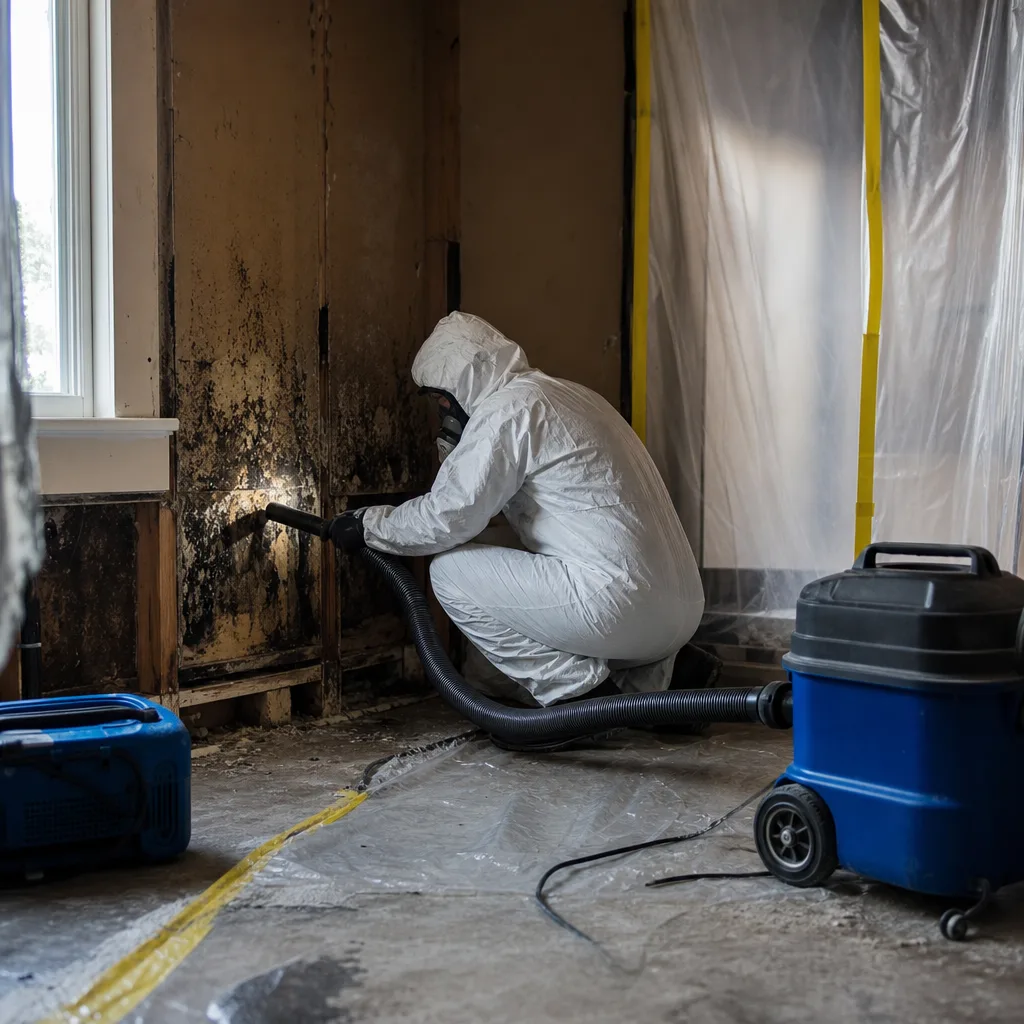
- Assuming mold remediation follows the same rules as water damage. Mold remediation in Marysville requires containment, negative air pressure, and specific clearance testing. Contractors who treat mold as “drying plus spray” are creating liability. The documentation requirements differ, and the health risks are more severe.
- Failing to verify reconstruction licensing separately. A contractor licensed for mitigation (water extraction, drying) may not be licensed for reconstruction (drywall, flooring, electrical). Confirm both, or confirm the contractor’s arrangement with licensed subcontractors for reconstruction phases.
- Ignoring the warranty details. A “lifetime guarantee” with no written terms is worthless. The warranty should specify what is covered, for how long, what triggers it, and the mechanism for invoking it. Our 365-Day Done Right Promise under The Haven Standard specifies all four.
When to Call a Professional
Some situations in Marysville require immediate professional response regardless of other considerations. Category 3 water intrusion from groundwater, sewage backup, or flooding requires specialized handling and documentation for both health and coverage reasons. Fire and smoke damage involves complex odor and corrosion issues that worsen with delay. Mold contamination exceeding 10 square feet, or any mold in HVAC systems, requires containment protocols that homeowners should not attempt.
For water damage, if the affected area exceeds what can be addressed with a household wet-dry vacuum and fans within 24 hours, professional equipment and documentation are warranted. For structural damage from storms or vehicle impact, temporary stabilization may be needed before full assessment.
DryMark Restoration Marysville offers free estimates in Marysville and surrounding communities. Our live phone coverage is available 24 hours a day, 7 days a week at (360) 822-3055 with no voicemail on emergency lines. Every estimate includes a written price before any work begins, documented to IICRC standards, with no obligation to proceed.
Frequently Asked Questions
Water damage mitigation in Marysville typically ranges from $1,200 for limited Category 1 losses to $8,500+ for whole-home Category 3 flooding with reconstruction. Mold remediation runs $15-30 per square foot of contained area, with containment and air scrubbing as additional line items. Fire and smoke restoration varies widely based on structural involvement, but initial mitigation typically starts at $3,500. These are market ranges for the Marysville area based on equipment, labor, and disposal costs; your specific loss requires a written scope for exact pricing. Call (360) 822-3055 for a free estimate with a written price before any work begins.
Coverage depends on your policy type, the cause of loss, and whether the damage was sudden and accidental versus gradual. Standard HO-3 policies cover sudden water damage but exclude flooding (requires separate flood insurance) and long-term leaks classified as maintenance issues. The contractor’s documentation quality directly affects coverage determination - incomplete drying logs are the most common reason for partial denials. We document to IICRC, RIA, and IFA standards specifically to support complete claim acceptance, and we coordinate directly with adjusters when authorized. Call (360) 822-3055 to discuss your specific policy and loss.
For emergency water damage mitigation, DryMark Restoration Marysville dispatches from our local presence and typically arrives within 60-90 minutes during normal conditions, 24 hours a day, 7 days a week. Response time varies by current demand, weather conditions affecting I-5 and State Route 9 access, and your specific location within Marysville. Reconstruction work is scheduled, not emergency-dispatched, and is scoped with a written price before scheduling. Call (360) 822-3055 for current availability.
Visible mold exceeding 10 square feet, mold in HVAC systems, or mold resulting from Category 2 or 3 water damage requires professional remediation with containment and clearance testing. Surface cleaning is appropriate only for very limited, accessible growth on non-porous materials with a confirmed Category 1 source. Misclassification is common and costly: cleaning what should be remediated spreads spores; remediating what should be cleaned wastes thousands. We provide a Free Second Opinion on any competitor’s written mold estimate to confirm whether the scope matches the actual condition.
Mitigation is the emergency work that stops damage progression: water extraction, drying, demolition of unsalvageable materials, and initial sanitization. Reconstruction is the rebuild that returns the property to pre-loss condition: drywall, flooring, painting, electrical, plumbing, and fixtures. These require different licensing, different scheduling, and different pricing structures. Some contractors perform both; many subcontract reconstruction. Confirm which your contractor handles directly and which is subcontracted, with license verification for each phase.
Under a homeowner-controlled contract, you retain claim ownership and we provide documentation that supports your submission. Under an assignment of benefits, the contractor controls the claim. We recommend homeowner control for most Marysville losses, with direct adjuster coordination performed at your authorization. Our documentation - daily drying logs, photo records, and written scopes - is formatted specifically for adjuster review and has supported thousands of claim approvals. The adjuster receives complete evidence, but the claim remains yours.
The Bottom Line
Hiring a damage restoration contractor in Marysville is not a personality contest or a speed trial. It is an evidence audit. The contractor who protects your claim is the one whose process produces documentation an insurer accepts without dispute: a written price before work begins, daily psychrometric logs with material moisture readings, photo documentation on every visit, and a written warranty with specific terms. Verify Washington L&I registration and current insurance independently. Request a sample drying log before authorizing work. Maintain control of your claim rather than assigning benefits. And treat any resistance to these steps as the red flag it is - a process that cannot withstand scrutiny will not withstand adjuster review.
Written by Alicia Brennan, Owner at DryMark Restoration Marysville, serving Marysville since 2011.